
A shop floor range built for Braamfontein foot traffic
The client needed a retail-ready mix for a gallery shop near the busy Braamfontein cultural strip, where most buyers are browsing between meetings, campus visits and weekend stops. The focus was on smaller objects that could be sold on the spot without long explanation, while still carrying the maker story and material detail that visitors want to take home.
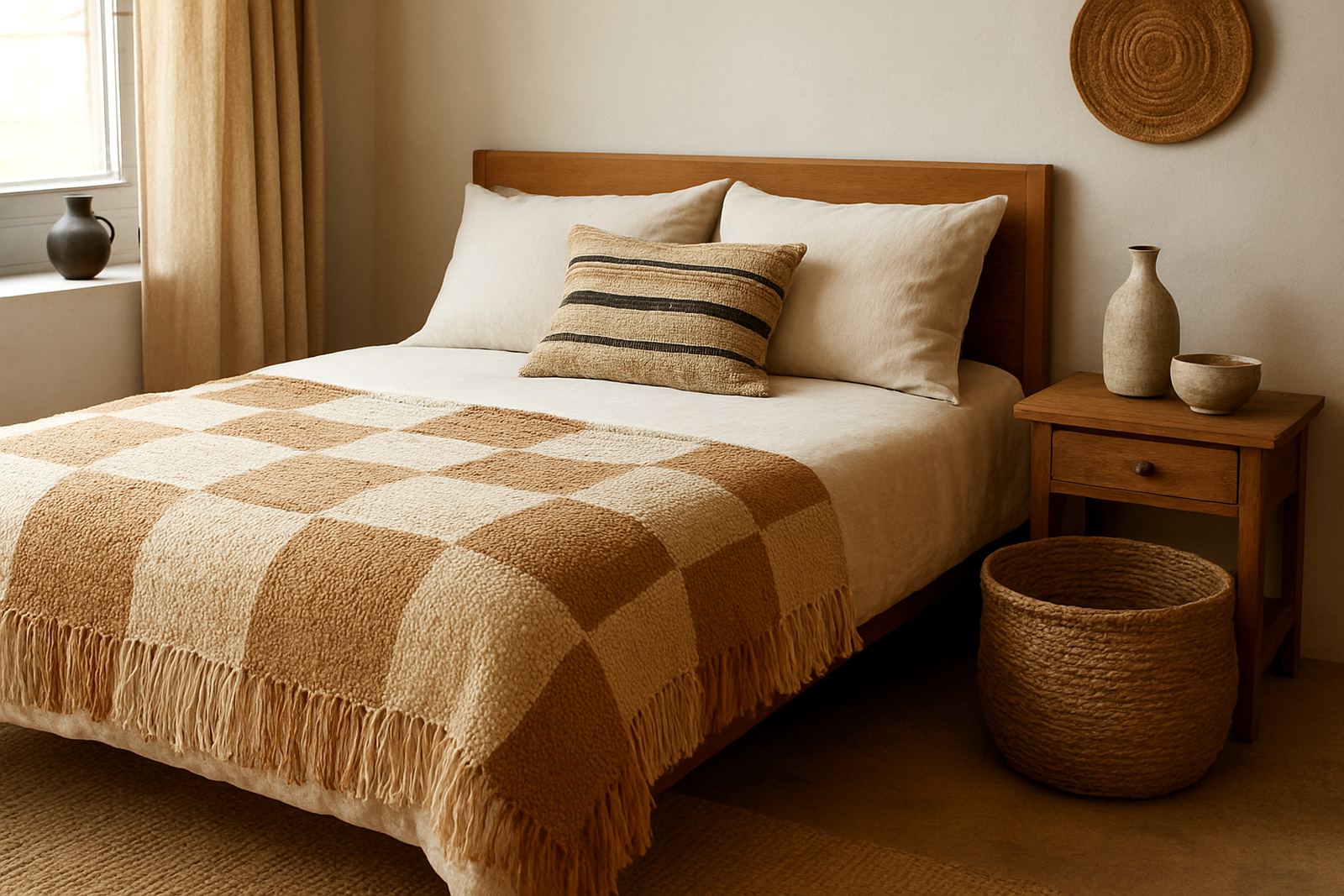
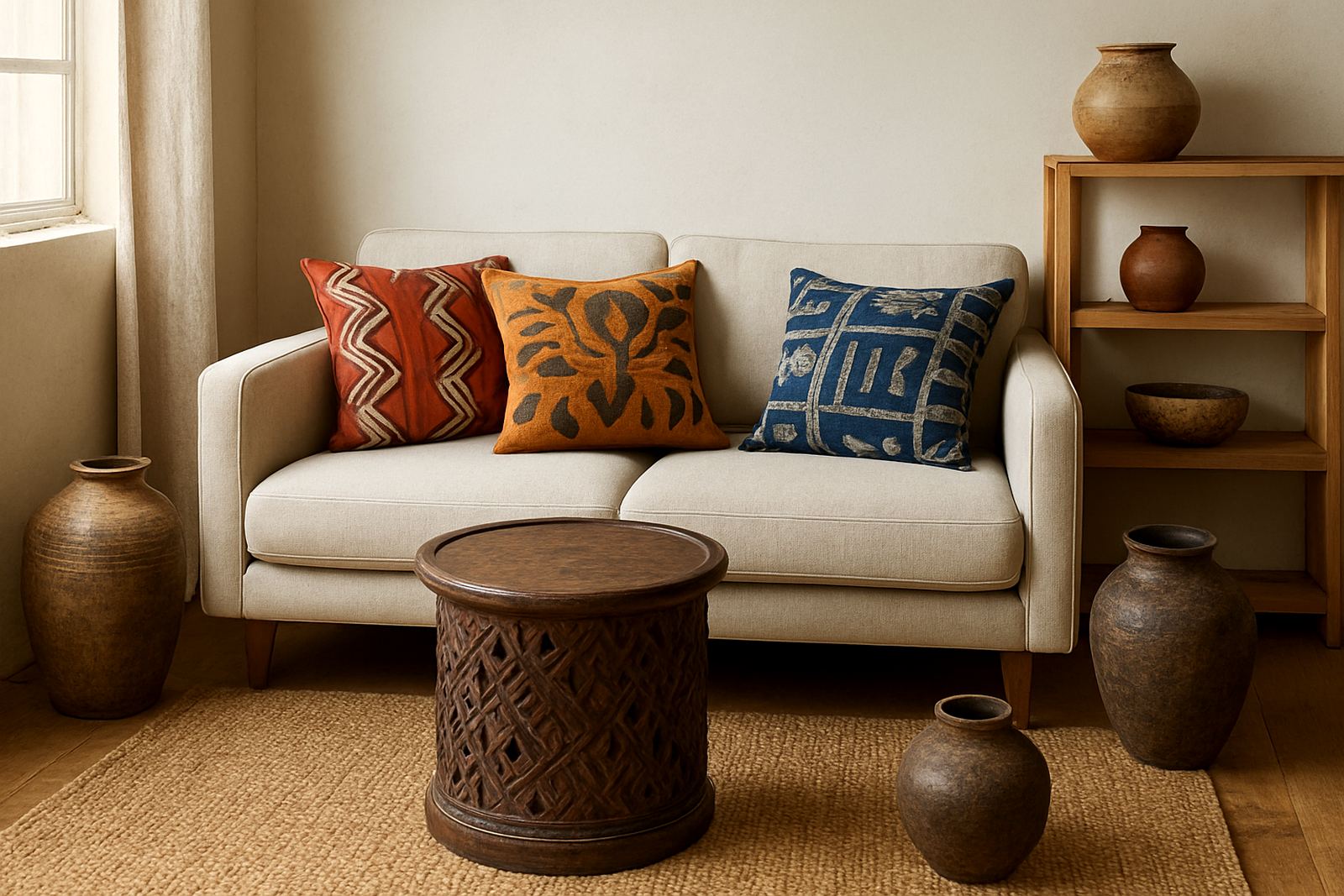
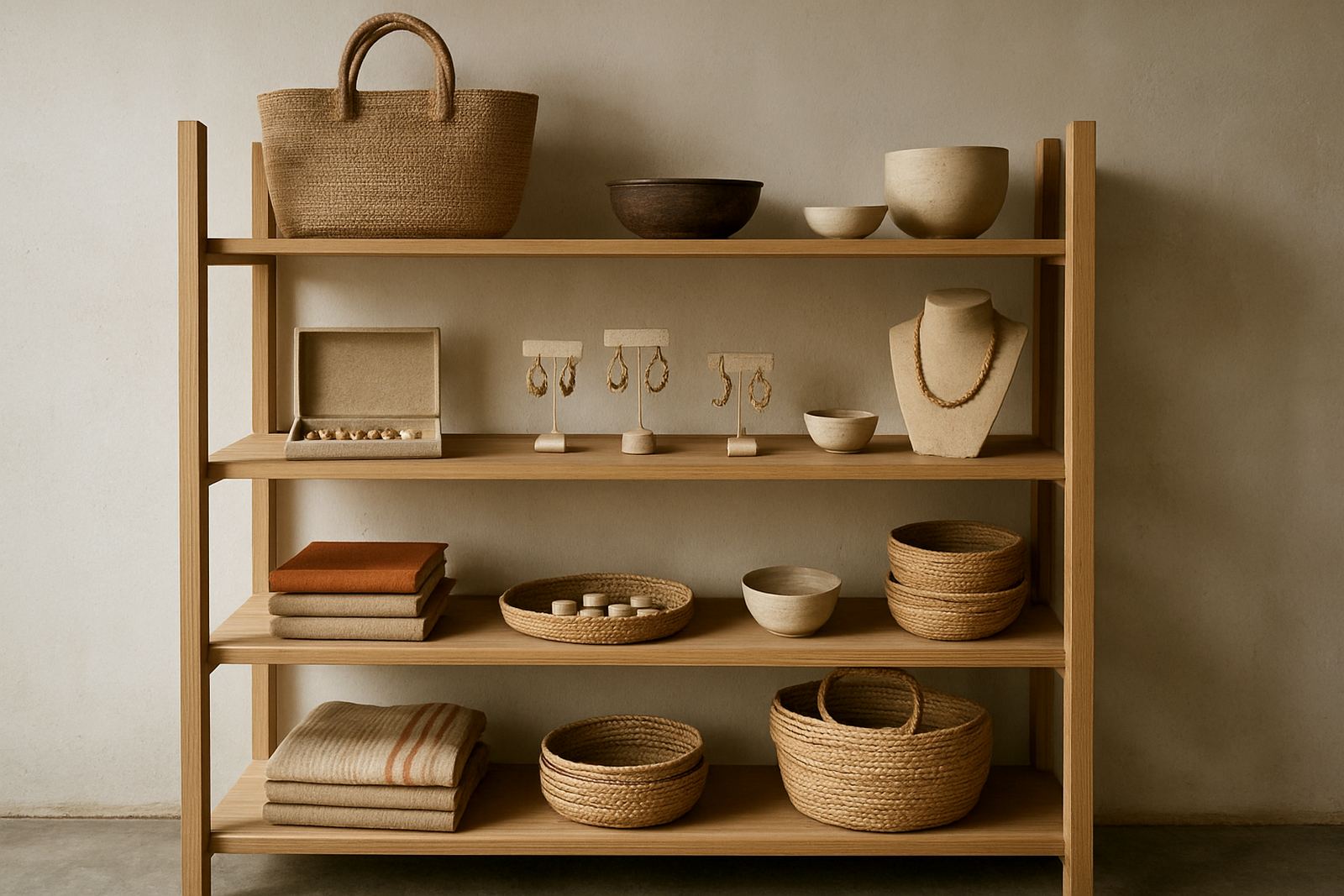
We worked with handmade textiles, ceramics and artisan goods from makers across the continent, then narrowed the mix to pieces that suited shelf height, counter display and gift counter movement. The goal was simple, stock that looked considered at first glance and did not need special handling beyond ordinary retail care.
- Small ceramics in gift-friendly sizes, mostly under 25 cm high
- Folded textile items that packed flat and kept freight costs down
- Mixed artisan goods priced for impulse buys and paired gifts
- Clear provenance notes for each item, with maker and origin detail
The brief and the practical limits
The brief was shaped by a few hard limits. The space had to stay uncluttered, the products needed to survive daily handling, and the collection had to work through load-shedding periods without depending on any special lighting or digital touchpoints. We also had to keep the assortment suitable for local shoppers and visitors who may be heading to the airport or intercity transport soon after purchase.
Another constraint was municipal and building-side housekeeping. Packaging had to be neat, dust-friendly and simple to store in a compact back area. For ceramics, we needed enough protection for short local runs and longer courier legs, while keeping the unboxing clean for gifting. The client also asked for stock that could be replenished in batches, not all at once, since maker output changes from month to month.
- Retail footprint suited to a compact gallery shop
- Low-breakage packing for ceramics and small fragile goods
- Good shelf visibility under mixed natural and artificial light
- Range depth that could be topped up in smaller weekly drops
What we supplied over six weeks
We ran the project over six weeks from first curation to final handover. In the first two weeks we mapped the product types, price bands and stock quantities, then confirmed which maker groups could supply consistently. After that we built the final assortment, prepared gift packaging, and drafted simple provenance cards that could sit beside each item without crowding the display.
By week four the final mix was set, with a balance between practical home pieces and low-risk gift lines. We also handled courier coordination for items moving into Johannesburg and sent sample loans ahead of the final placement so the client could test display flow before committing to full quantities. It saved time and cut down on guess work.
- Artisan sourcing across textiles, ceramics and smaller decor goods
- Custom curation by price, size and display use
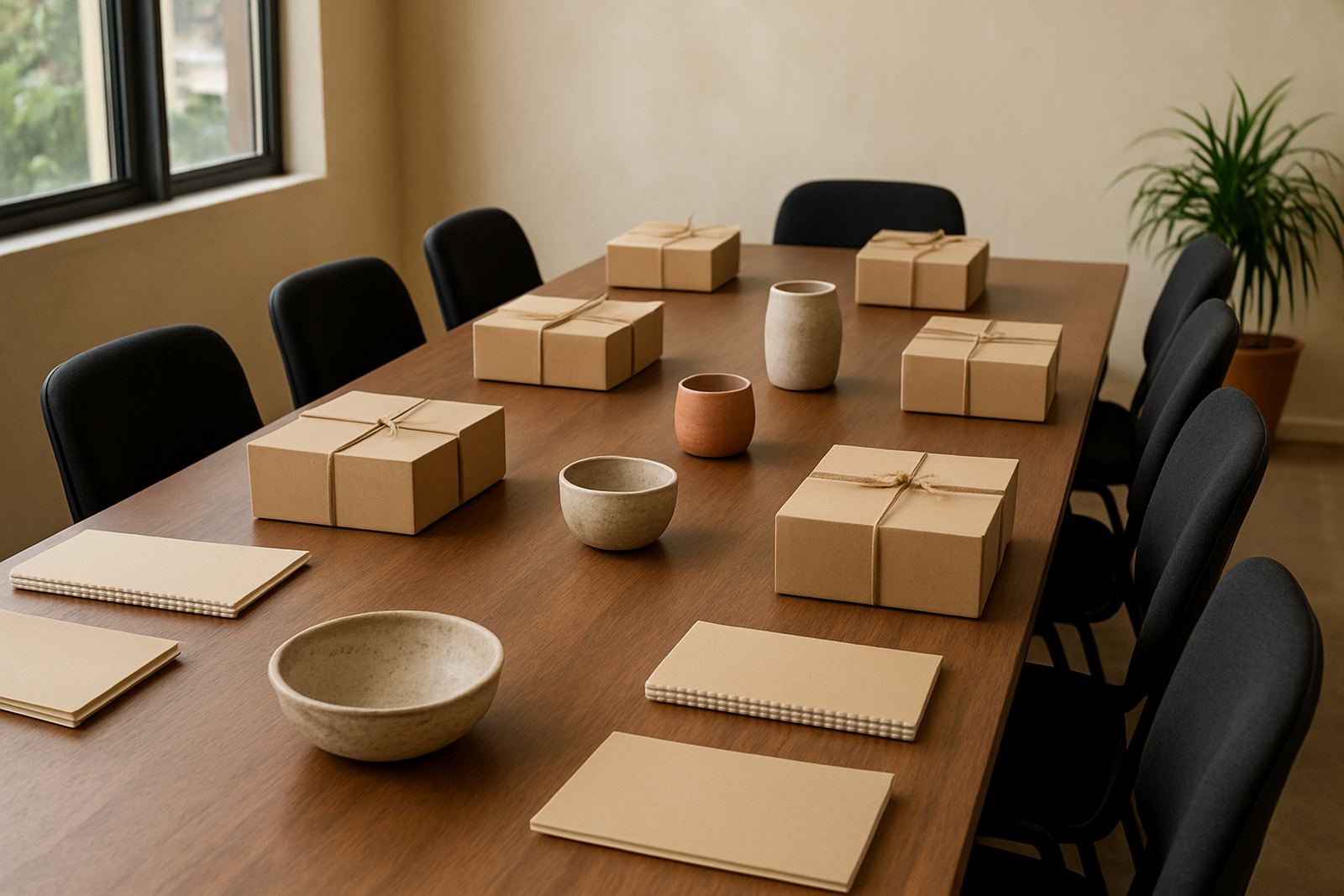
- Gift packing with protective wrap and branded presentation
- Sample loans for shelf testing and buyer review
- Export packing and courier coordination for South African and international orders
How the collection was edited for sales
We trimmed the range so that every item had a job to do. Some pieces were chosen to draw attention from the doorway, others to sit in pairs near the till, and a few were reserved for slightly higher-value gifting. That mix helped the shop avoid overcrowding, which matters in a Braamfontein setting where people often decide within a minute or two whether they will stop and buy.
The merchandising edit also made room for seasonal shifts. We separated year-round lines from limited pieces, which gave the shop a cleaner restock rhythm and made it easier to rotate stock for holidays, graduation periods and end-of-year gifting. A small typo in planning notes aside, the system held up well and kept the team moving without unnecessary back-and-forth.
- Seasonal editing for holidays, gifting periods and event trade
- Retail wholesale splits for repeatable purchase quantities
- Provenance cards for story-led sales and staff talking points
- Collection consultations to refine what stayed on shelf
Results on the floor and through courier channels
The finished collection gave the shop a stronger retail identity and helped it read more clearly as a place for found objects with a story, not just general decor. Visitors had an easier time comparing items because the sizes, labels and price bands were consistent. That mattered for gift buyers, especially those shopping under time pressure and wanting something that felt local but finished.
On the logistics side, the project was easier to manage than larger fragile ranges. Smaller objects mean lower breakage risk, faster packing and cleaner courier handovers. For deliveries to Cape Town, Durban, Pretoria, Gqeberha and other destinations, the packing spec kept returns low and the contents secure in transit. International shipments also benefited from the same structure, since customs descriptions and itemisation were already tidy.
- Cleaner shelf presentation and quicker buying decisions
- Lower pack-out time for each order
- Better fit for local walk-in trade and courier sales
- More stable replenishment from maker batches
What we would carry into another retail art brief
We would use the same approach again for any gallery shop or visitor-facing retail space in Johannesburg. Start with a tight size range, keep the provenance notes short but clear, and test the display in small batches before landing full stock. That keeps the offer practical for staff and easy for customers to understand at a glance.
We would also keep the shipping plan close to the curation plan from the start, especially where ceramics and textiles are moving between provinces or leaving the country. When the retail edit and the courier spec are built together, the whole setup runs better. For this kind of shop, that is usually the difference between stock that sits and stock that sells.
Key facts
| Project type | Retail curation for a gallery shop in Braamfontein, Johannesburg |
|---|---|
| Timeline | 6 weeks from brief to handover |
| Product mix | Handmade textiles, ceramics and artisan goods |
| Core services | Artisan sourcing, custom curation, gift packing and courier coordination |
| Delivery areas | Johannesburg, Cape Town, Durban, Pretoria, Gqeberha and international courier |
| Stock profile | Smaller objects suited to visitors, gift buyers and quick-turn orders |