



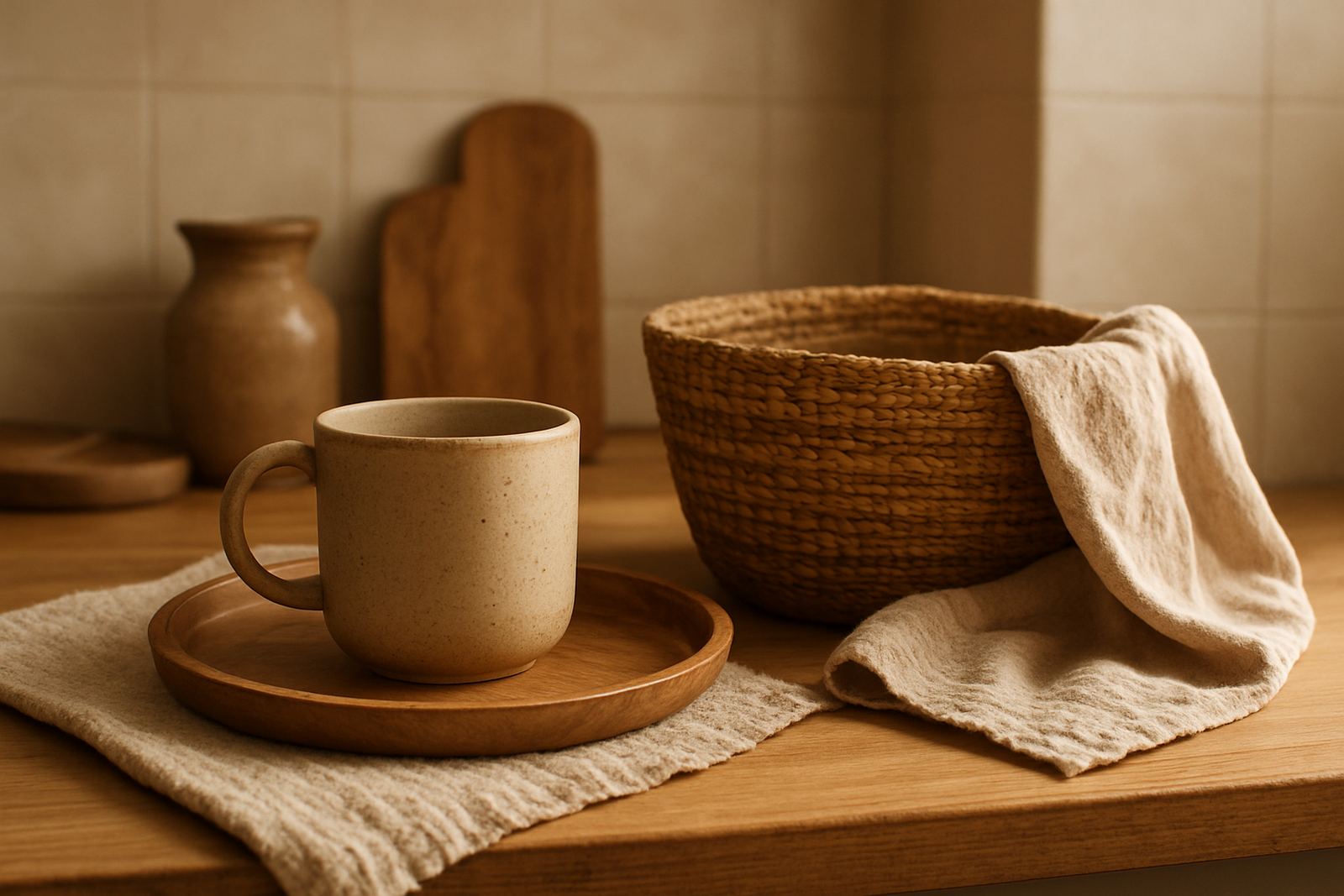
How to read a handmade piece before you buy
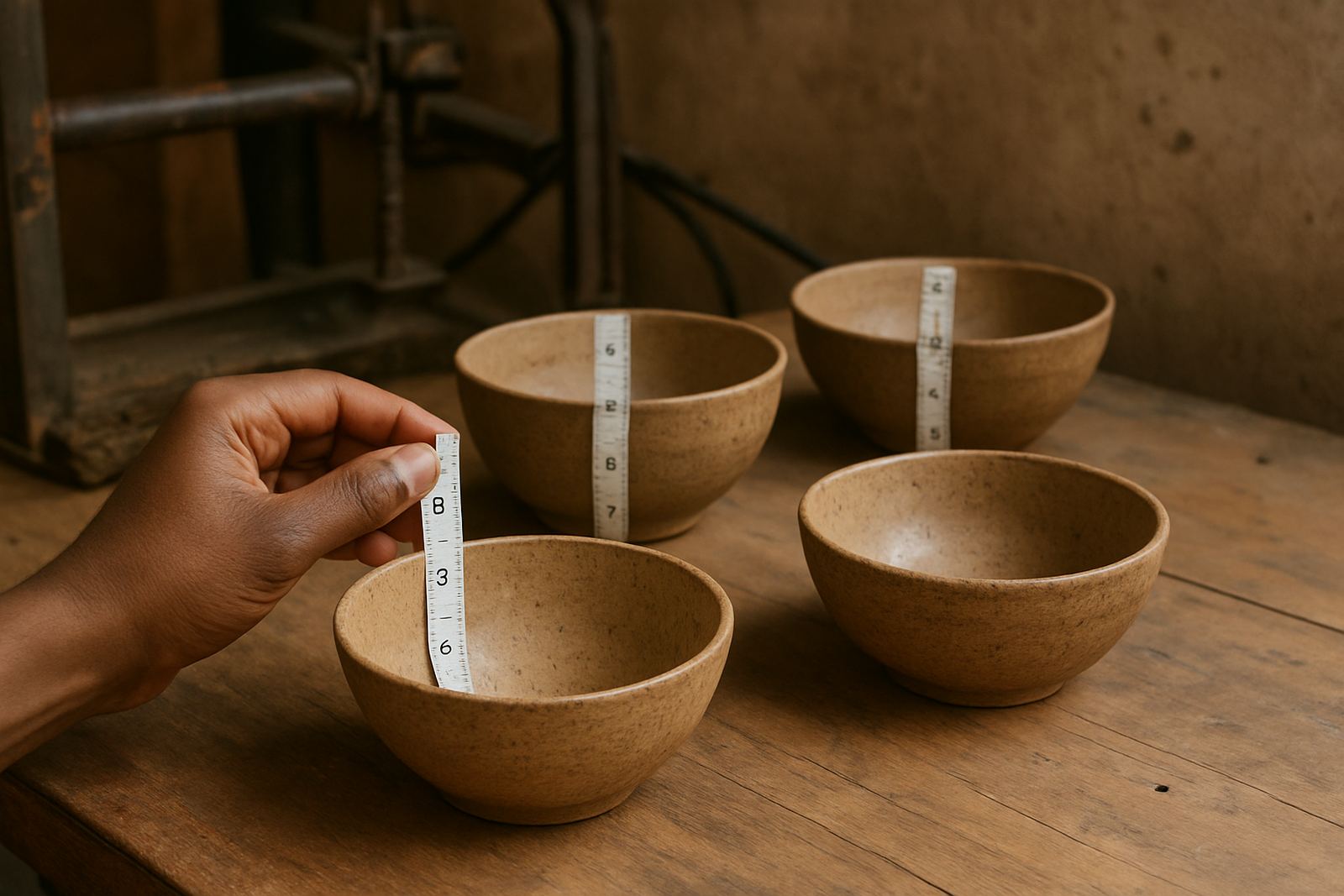
Every object in our journal starts with the same question: what is it made from, who made it, and how will it live in your home or business? A handwoven cloth, a fired clay vessel or a carved tray may all look simple at first glance, but the value sits in the time, skill and local material behind it. If you are buying for a home, a guesthouse, a restaurant or a retail shelf, look at size, finish, weight and intended use before colour alone.
We publish notes that help you compare pieces from different makers across the continent, so you can see the difference between decorative work and items made for daily service. That matters when you need textiles that wash well, ceramics that handle regular use, or gift items that travel safely from Maboneng to Cape Town, Durban, Pretoria or further afield.
Materials that shape the final piece
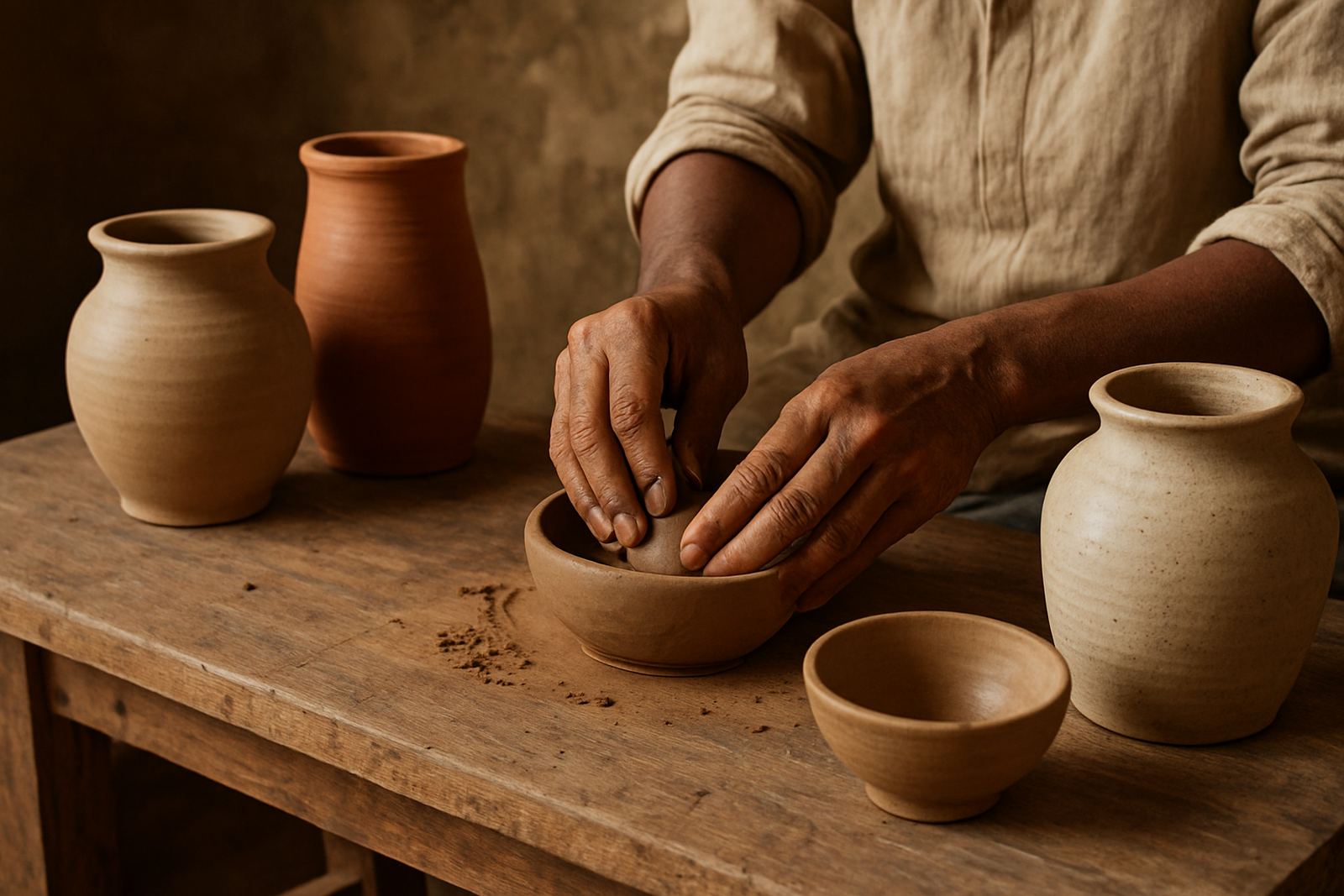
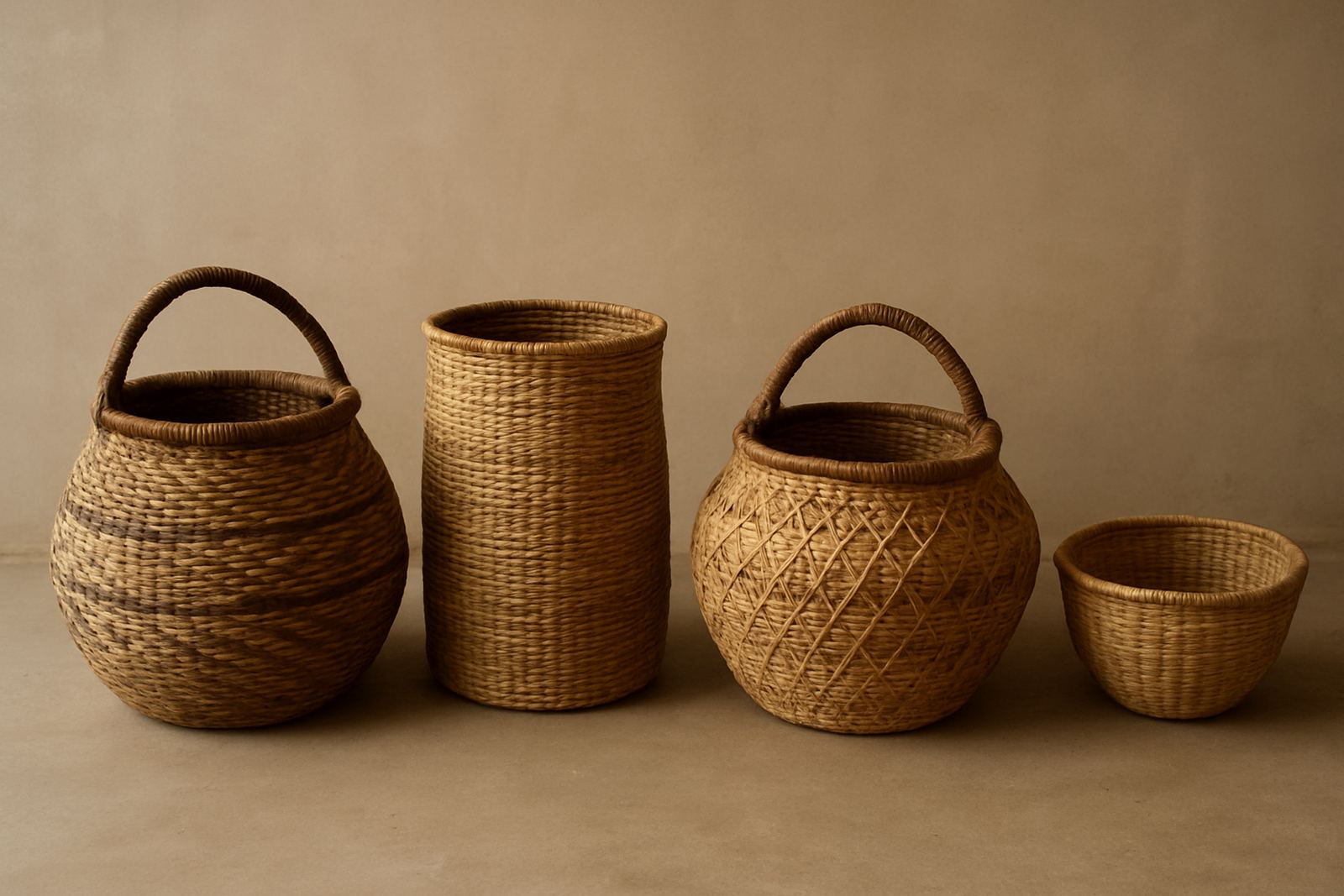
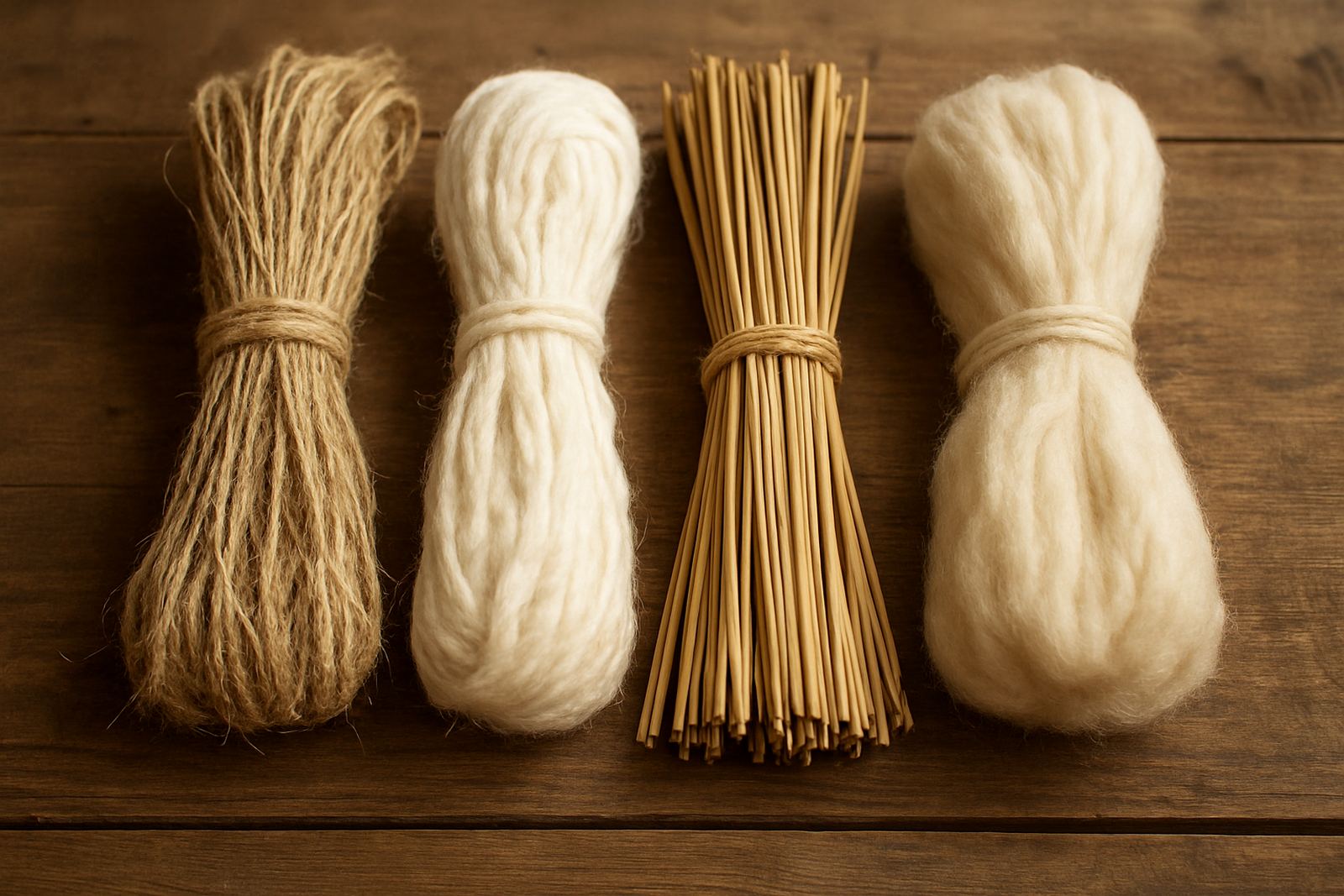
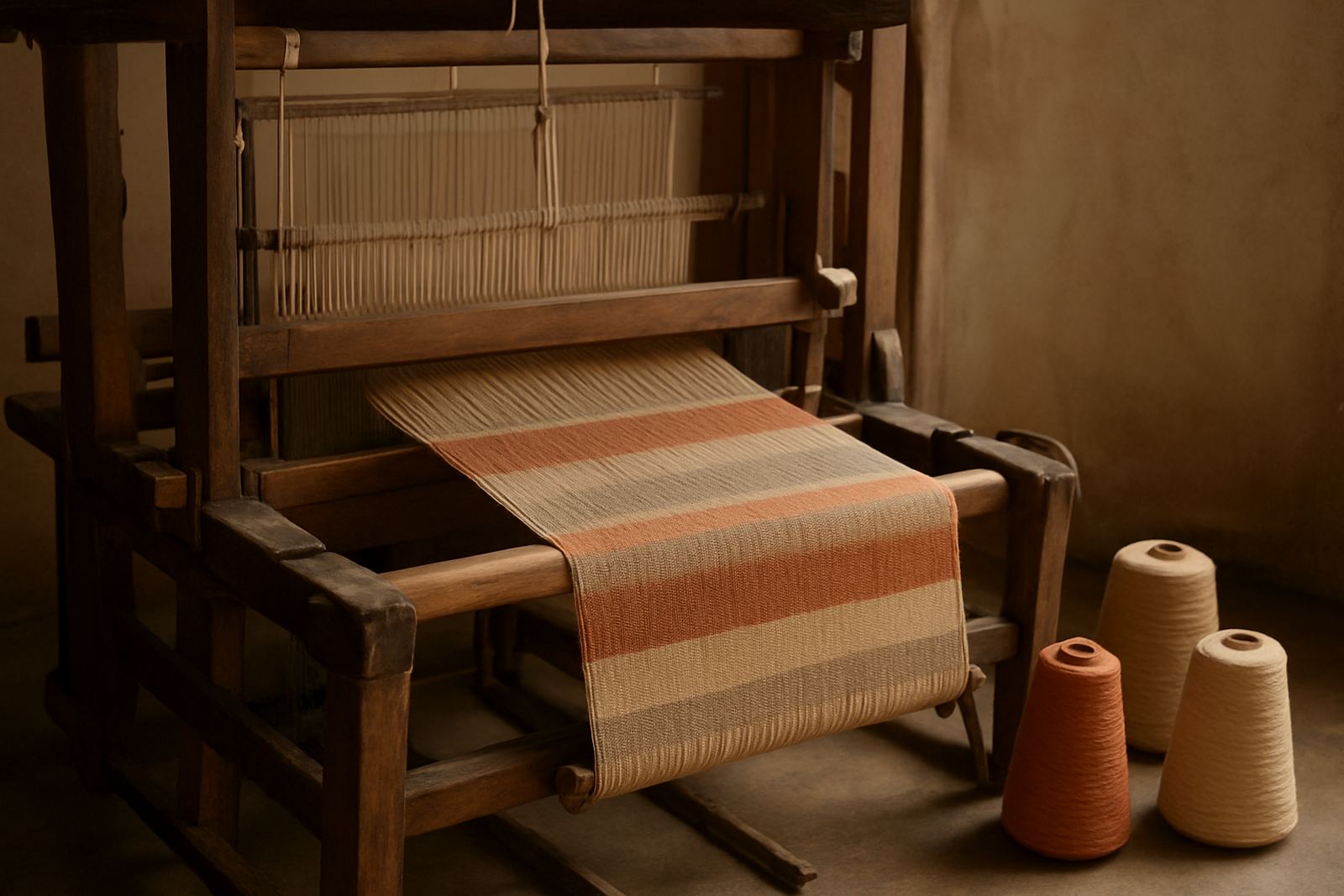
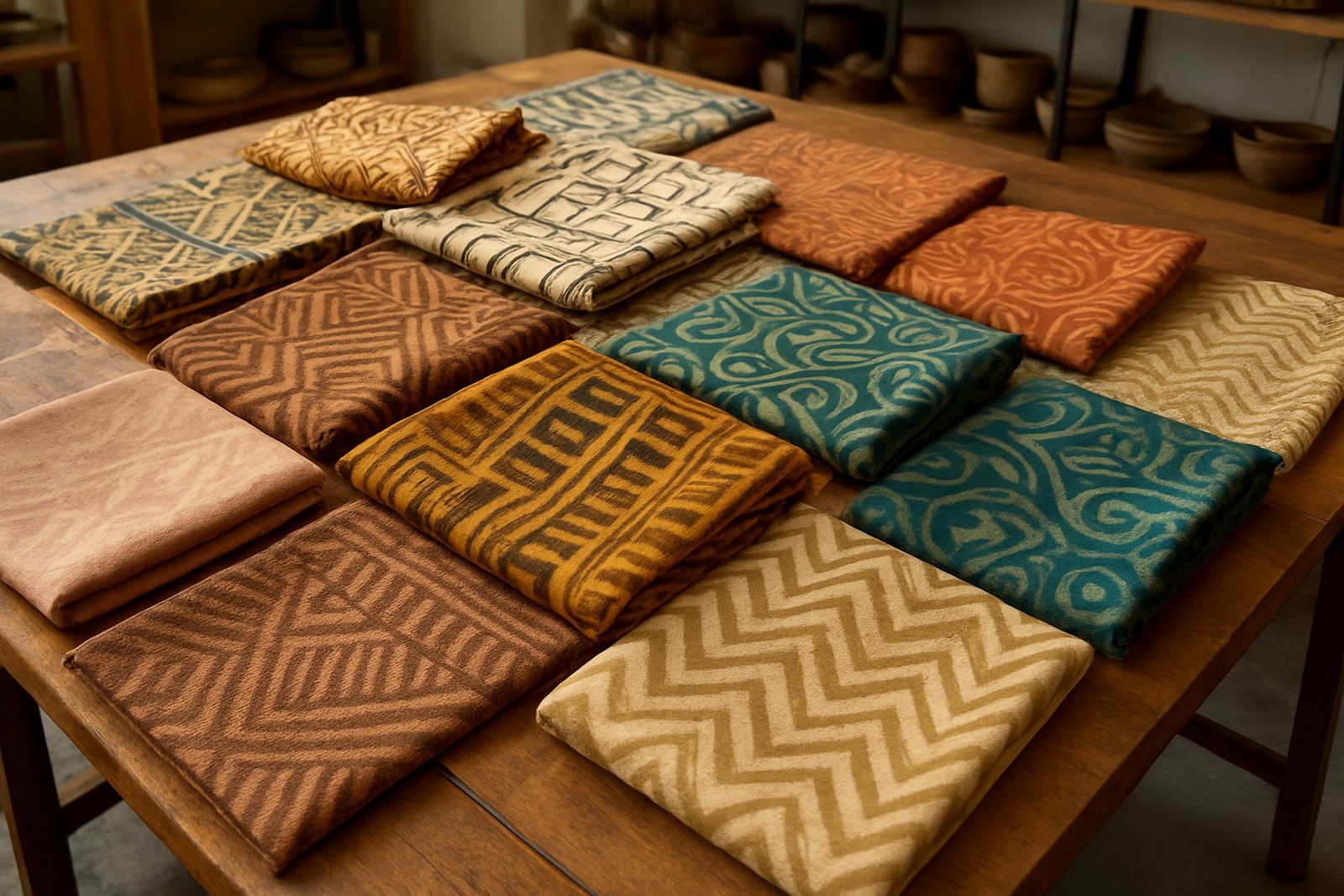
A good maker knows how the material will behave before the first cut, coil or weave. Cotton, plant fibre, clay, beadwork and recycled materials each ask for a different hand. In Johannesburg, dry air and strong sun can affect storage, while coastal humidity in Durban or Gqeberha can change how textiles and ceramics should be packed. That is why we talk about care, not just style.
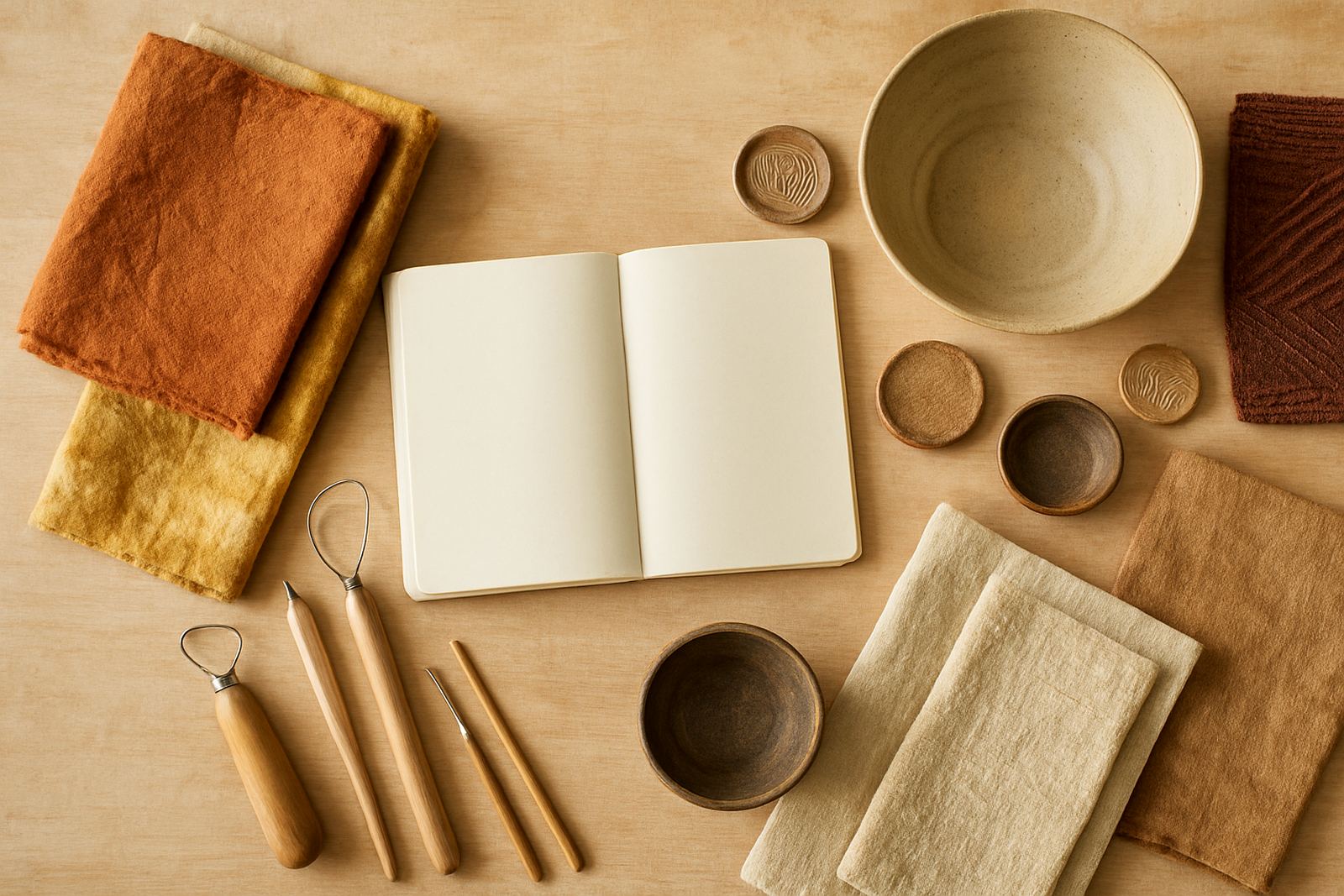
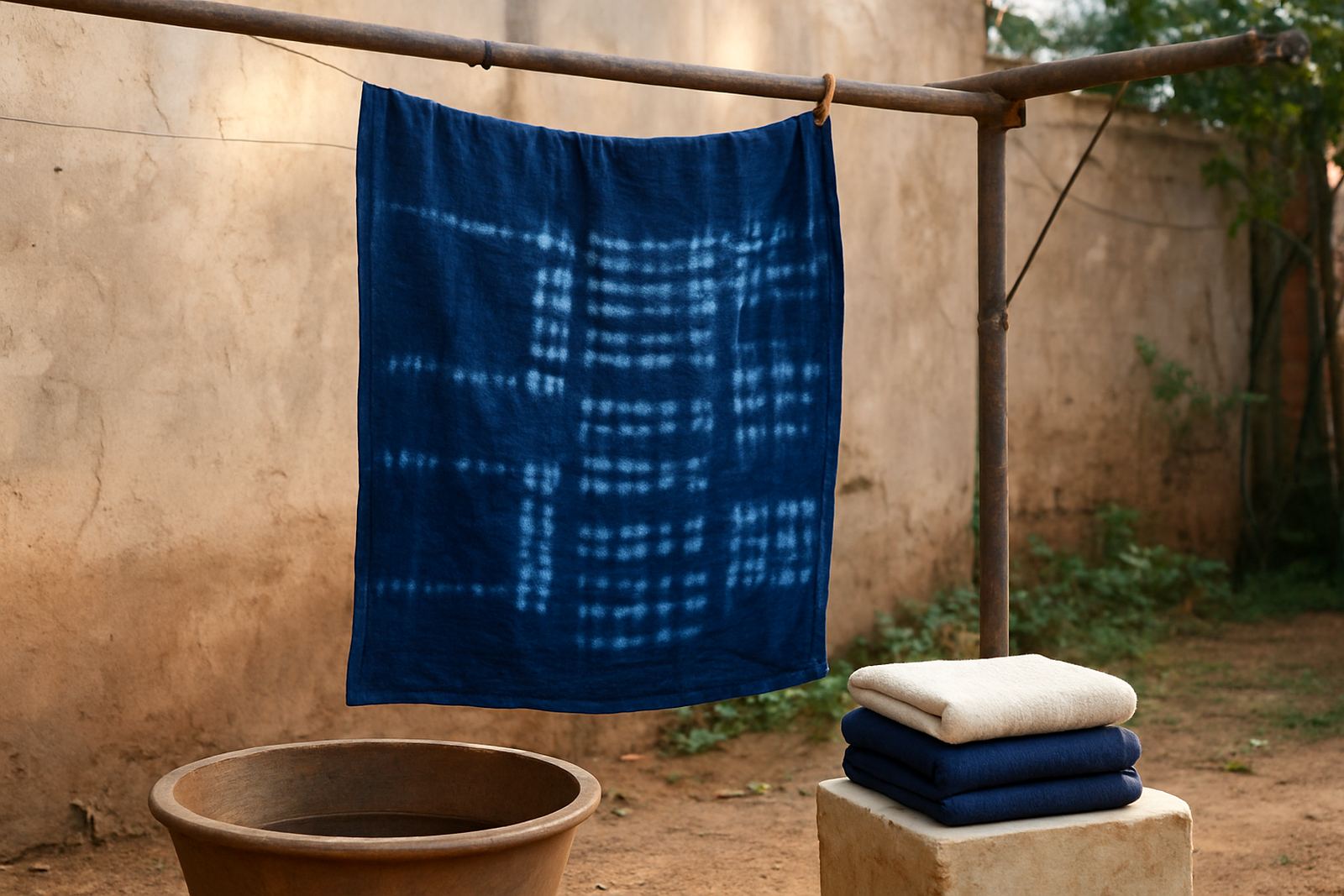
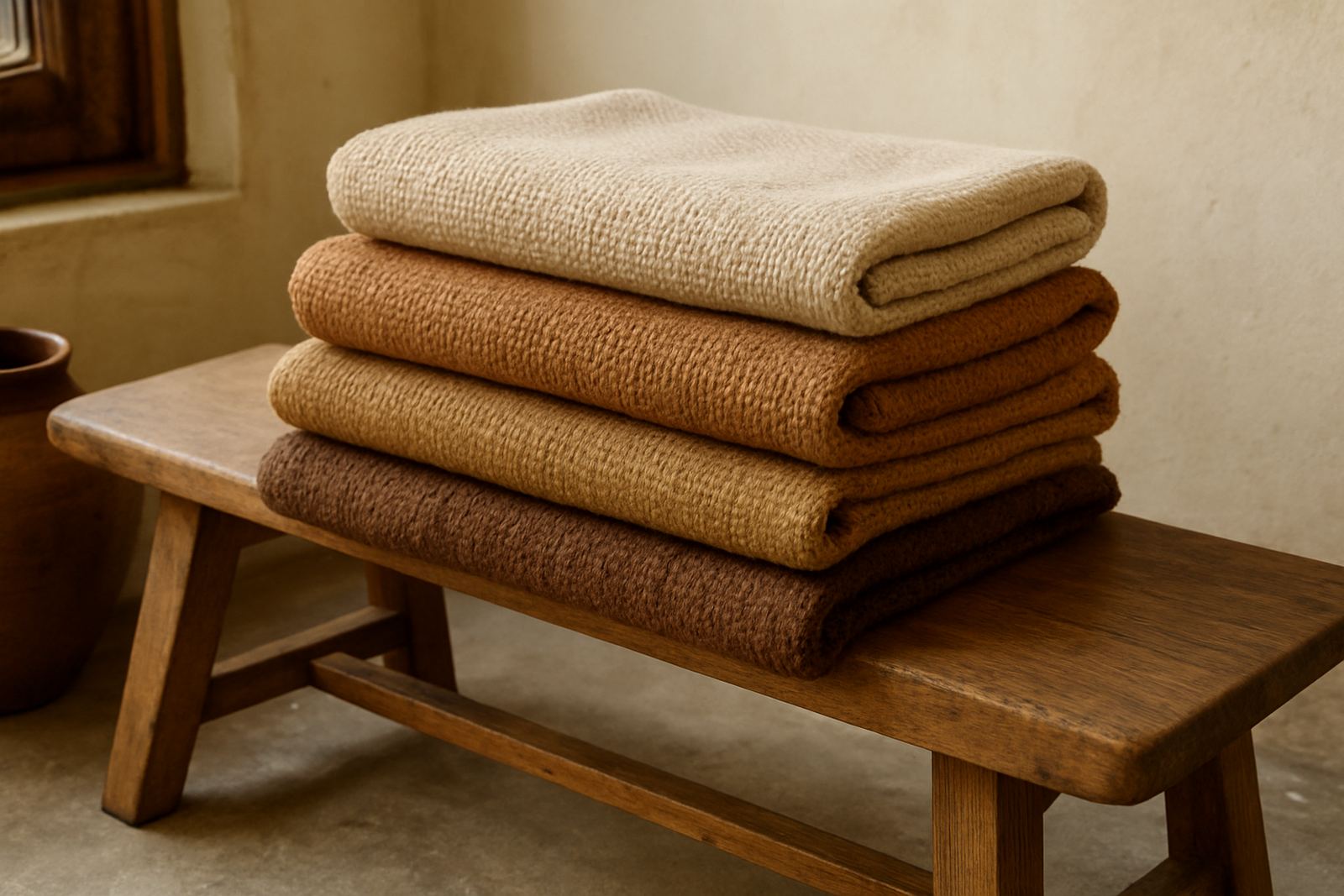
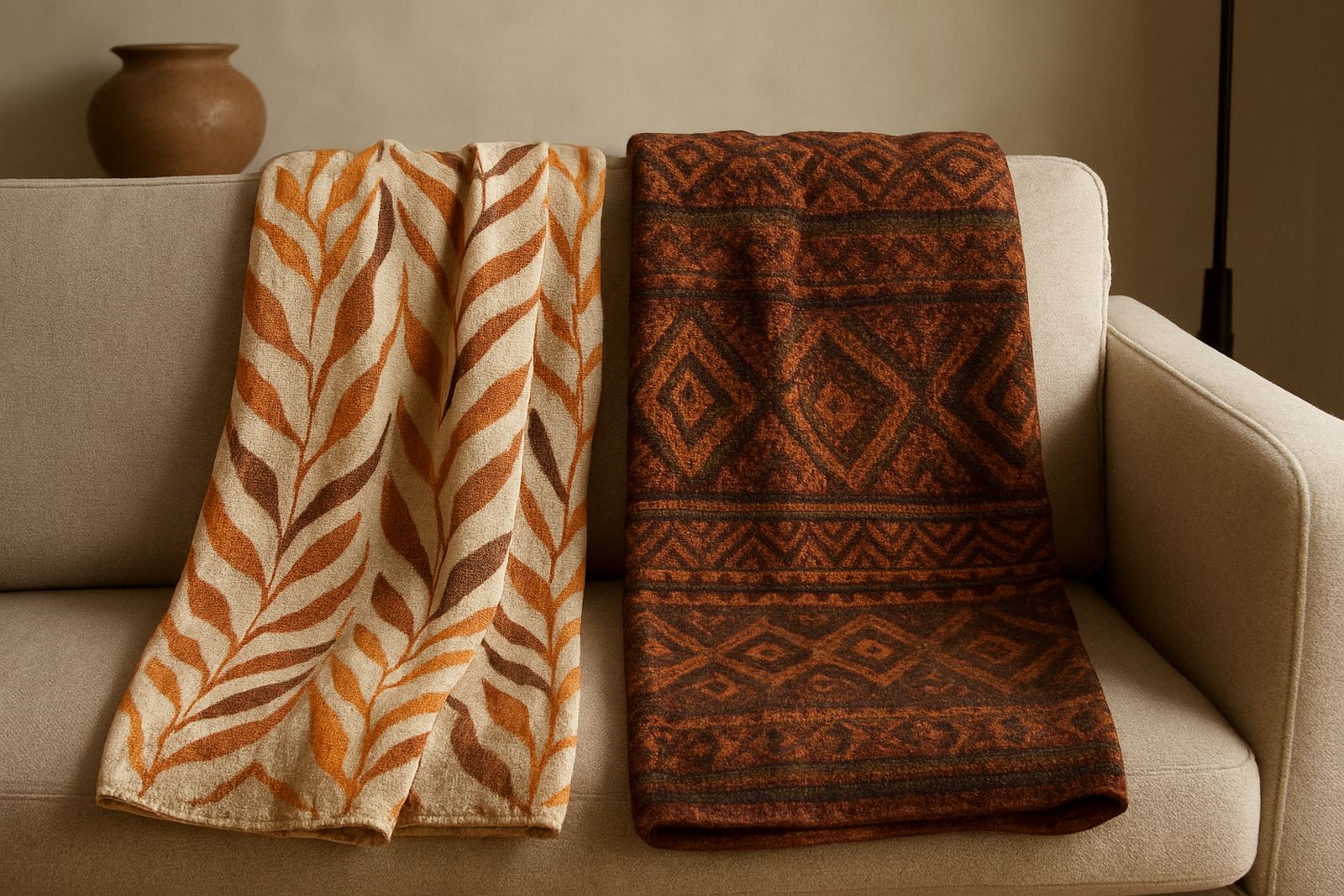
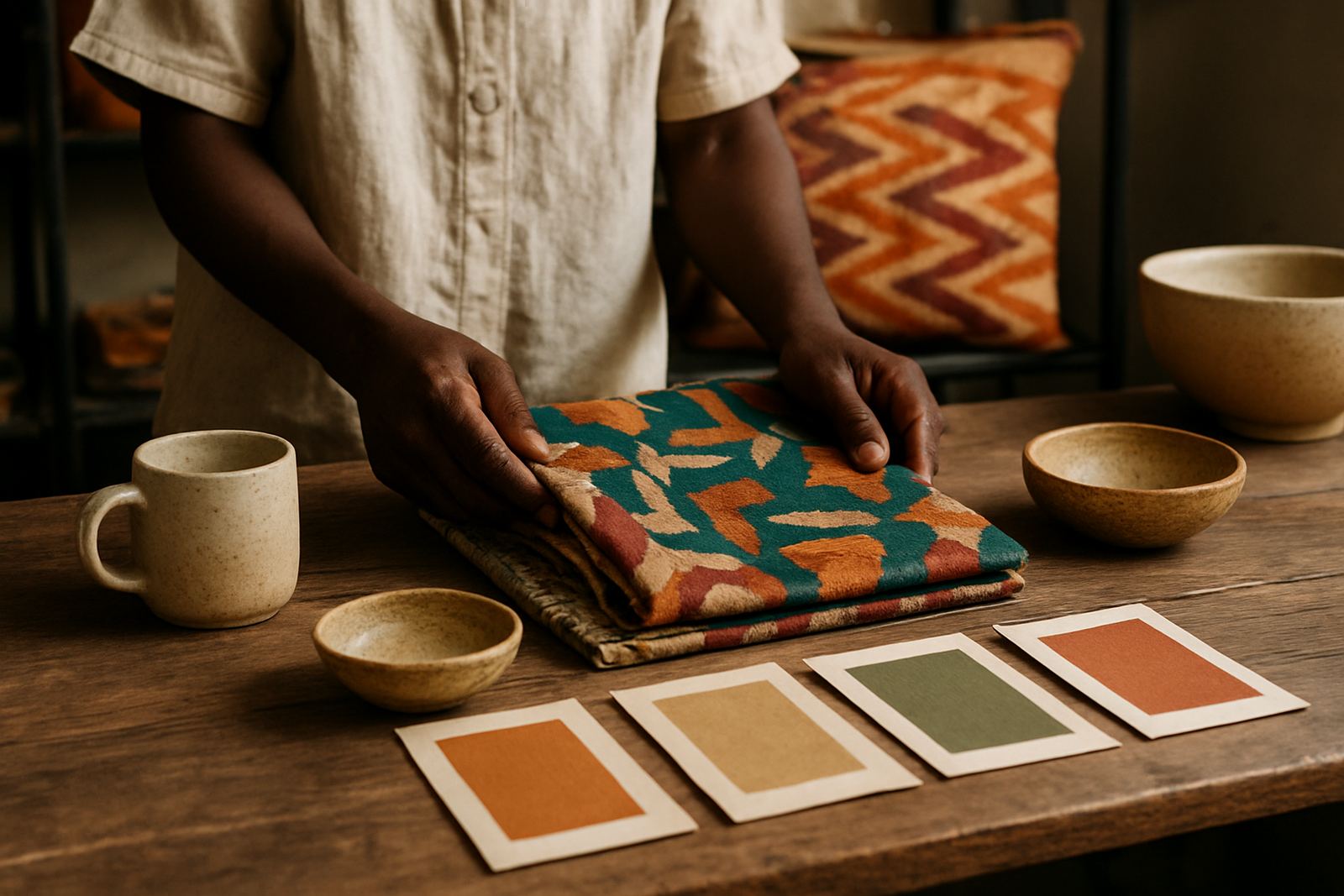
- Textiles may be woven, dyed, stitched or appliquéd, with each method giving a different finish.
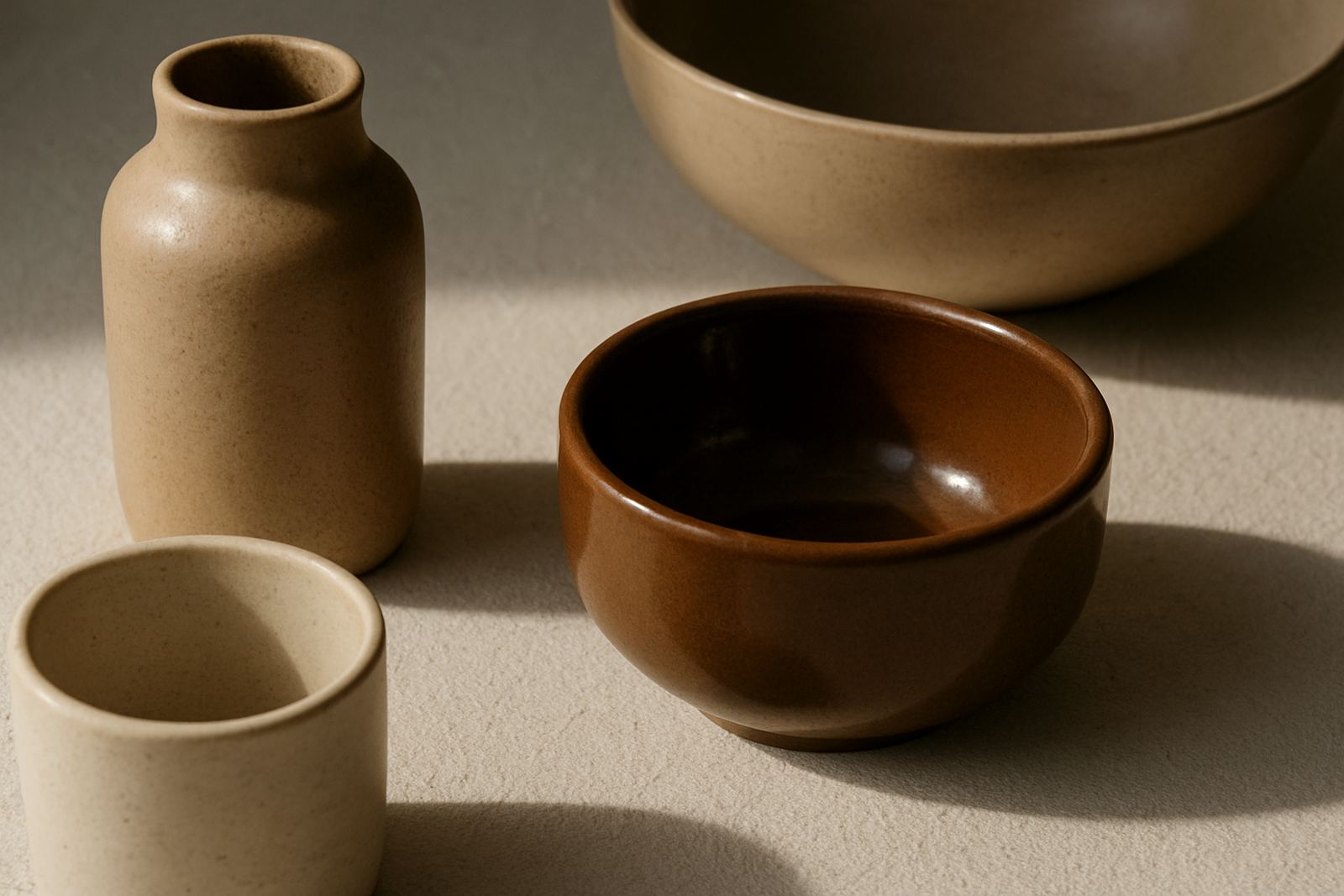
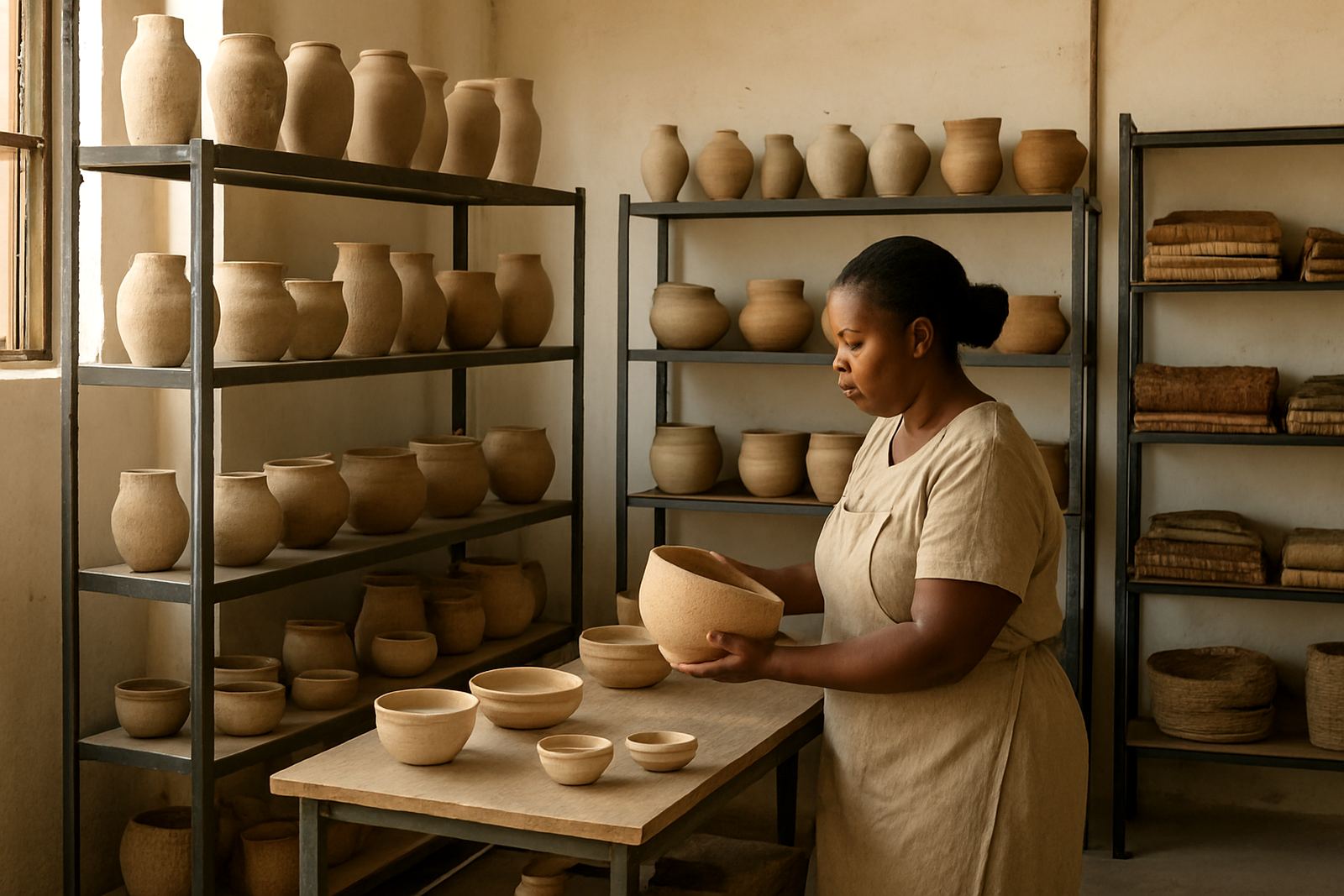
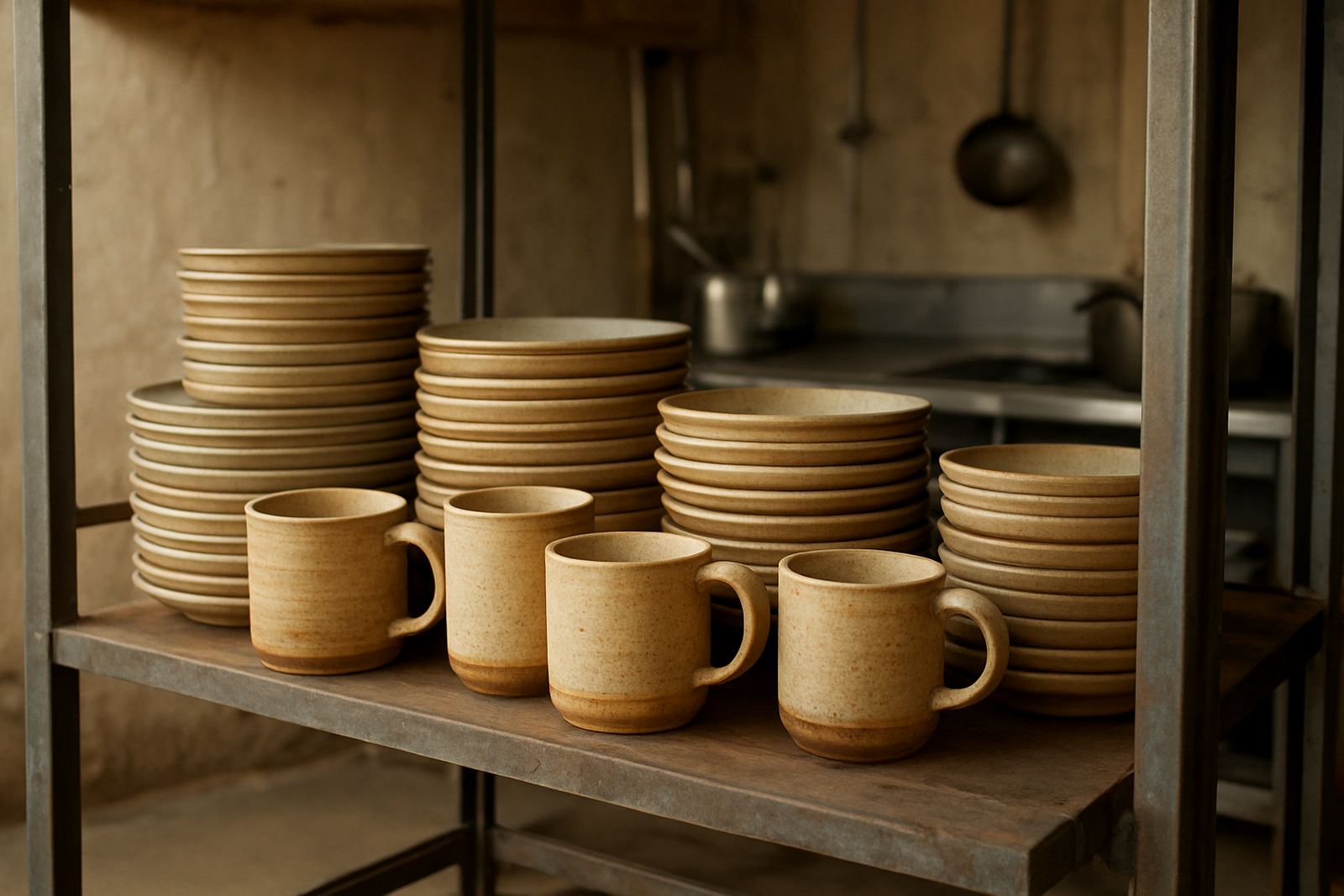
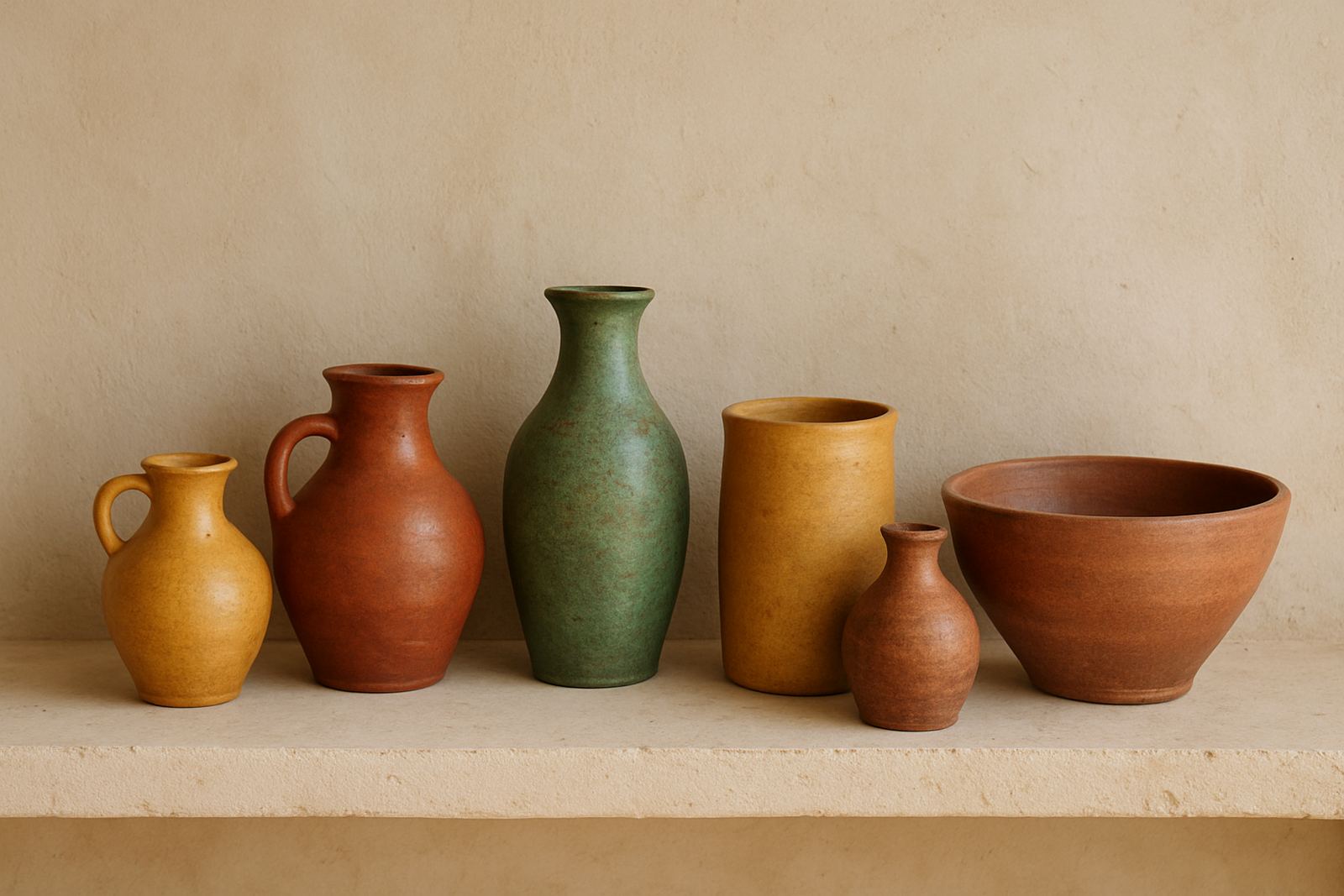
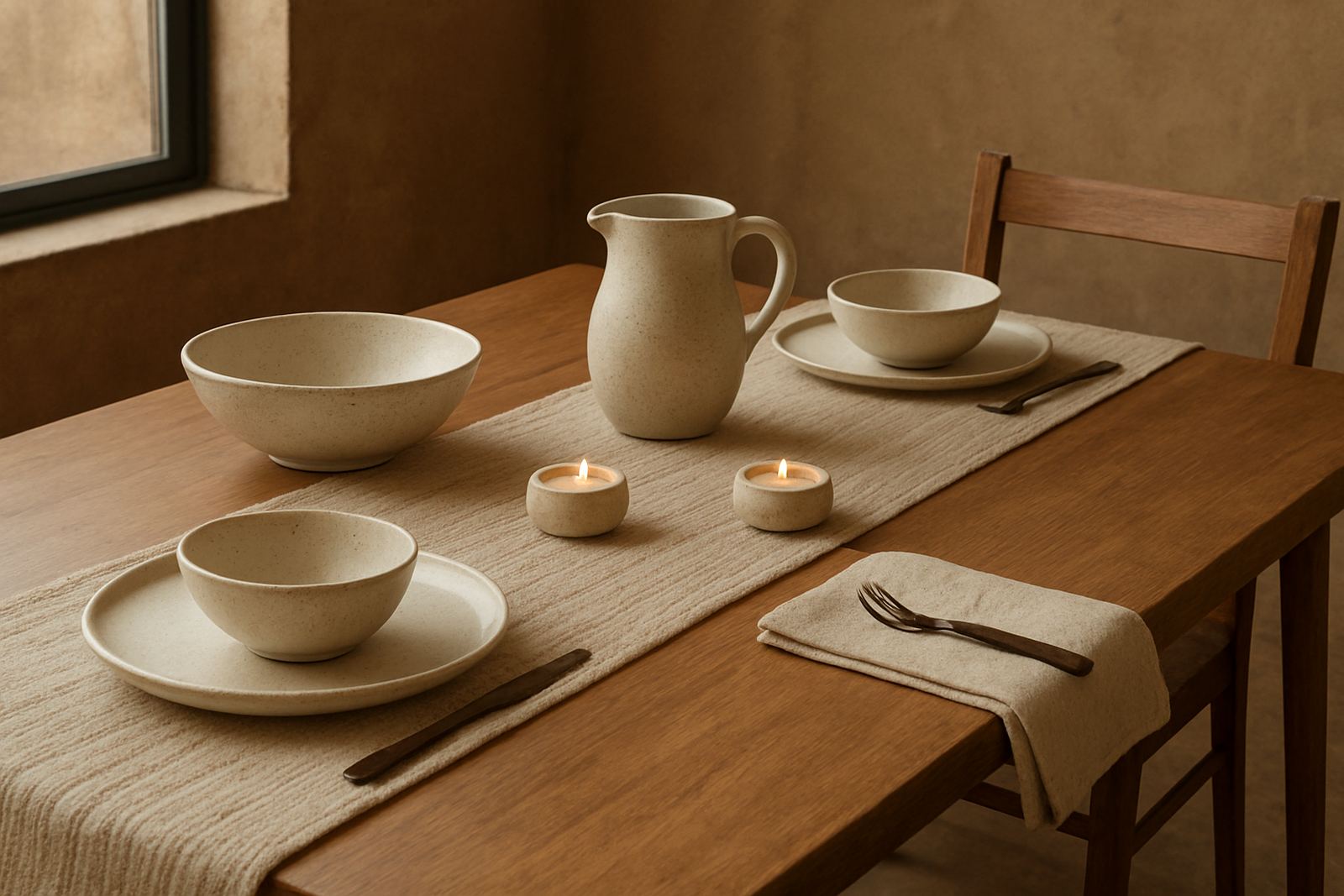
- Ceramics can be porous or sealed, matte or glazed, and some are better suited to display than heavy daily use.
- Artisan goods often mix materials, for example fibre with leather or clay with metal, so handling needs to be checked item by item.
These details help you choose pieces that suit your space and your routine, whether you are buying one special item or placing a bulk order.
Sourcing with care and clear provenance
We work with makers across Africa and we believe buyers should know where a piece comes from. Provenance is not a marketing extra, it is part of fair trade and better buying. It tells you who made the item, where it was produced, and sometimes what tradition, region or technique influenced the work. That information helps protect makers and gives you a clearer story to share with guests or customers.
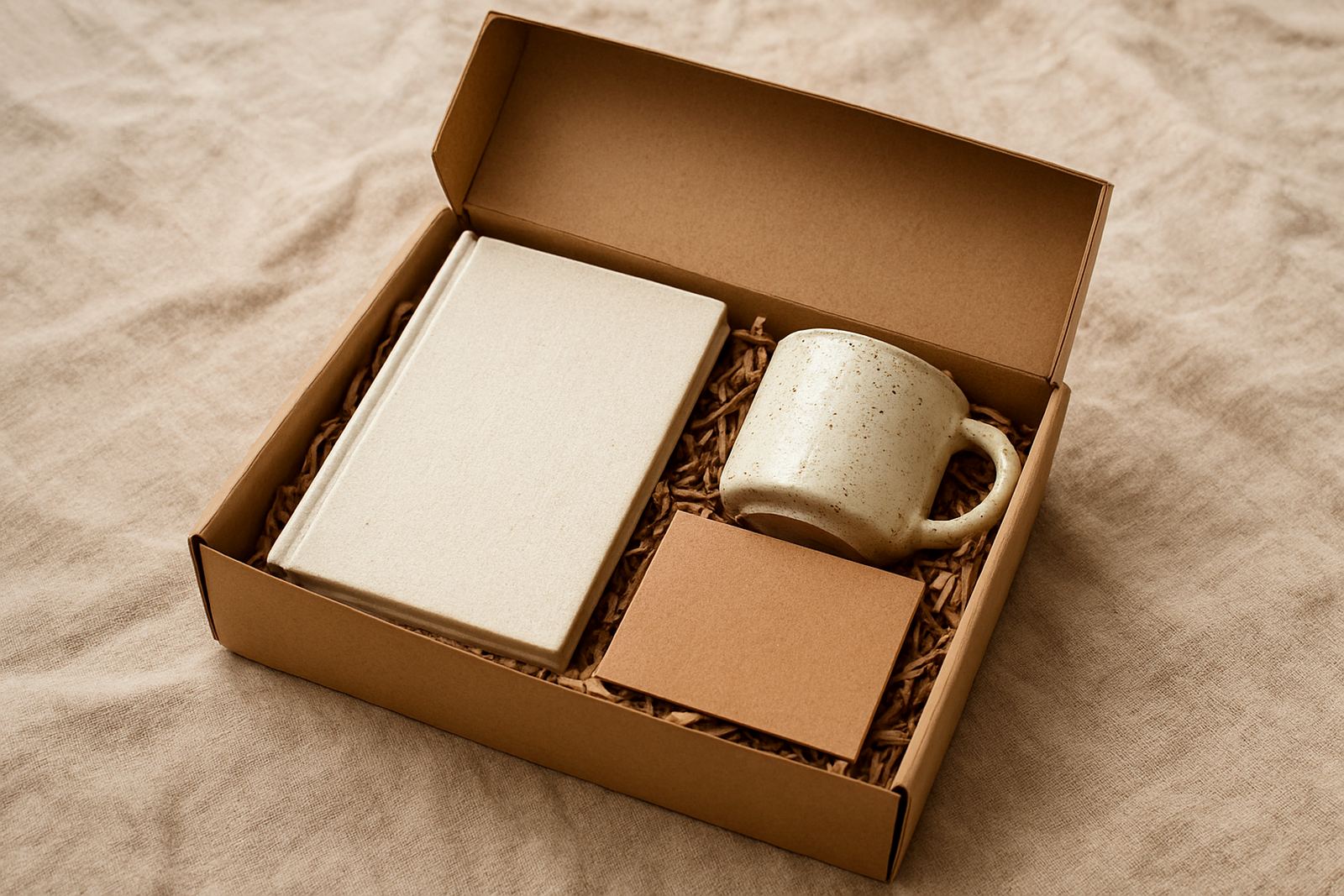
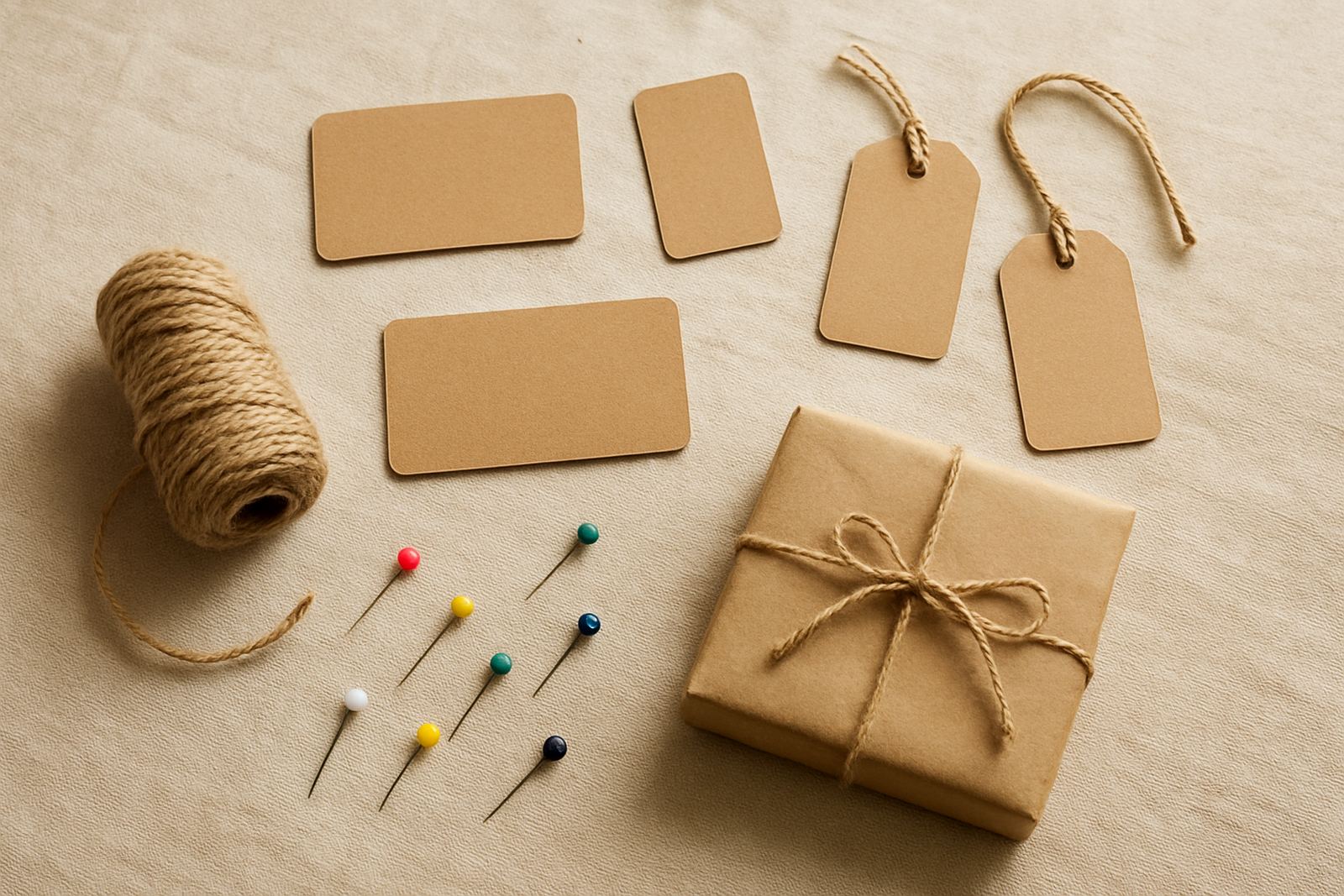
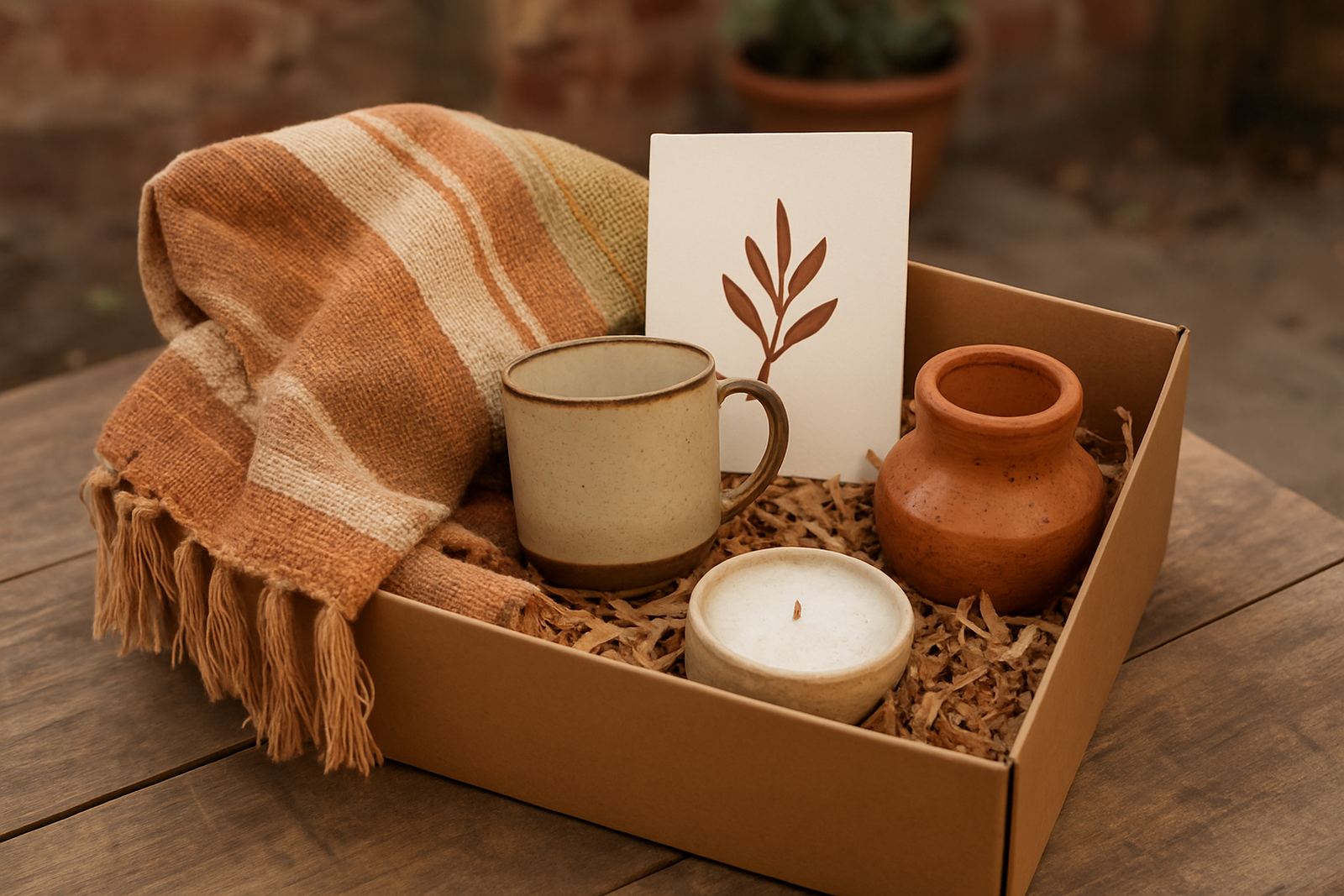
For wholesale buyers and hospitality teams, provenance cards can make a strong difference on a shelf, in a room, or beside a plated setting. They also help staff answer customer questions with confidence, which matters when stock moves through different branches or is sent out for export packing. It is a simple detail, but it changes how people read the object.
Styling ideas for homes, shops and hospitality spaces
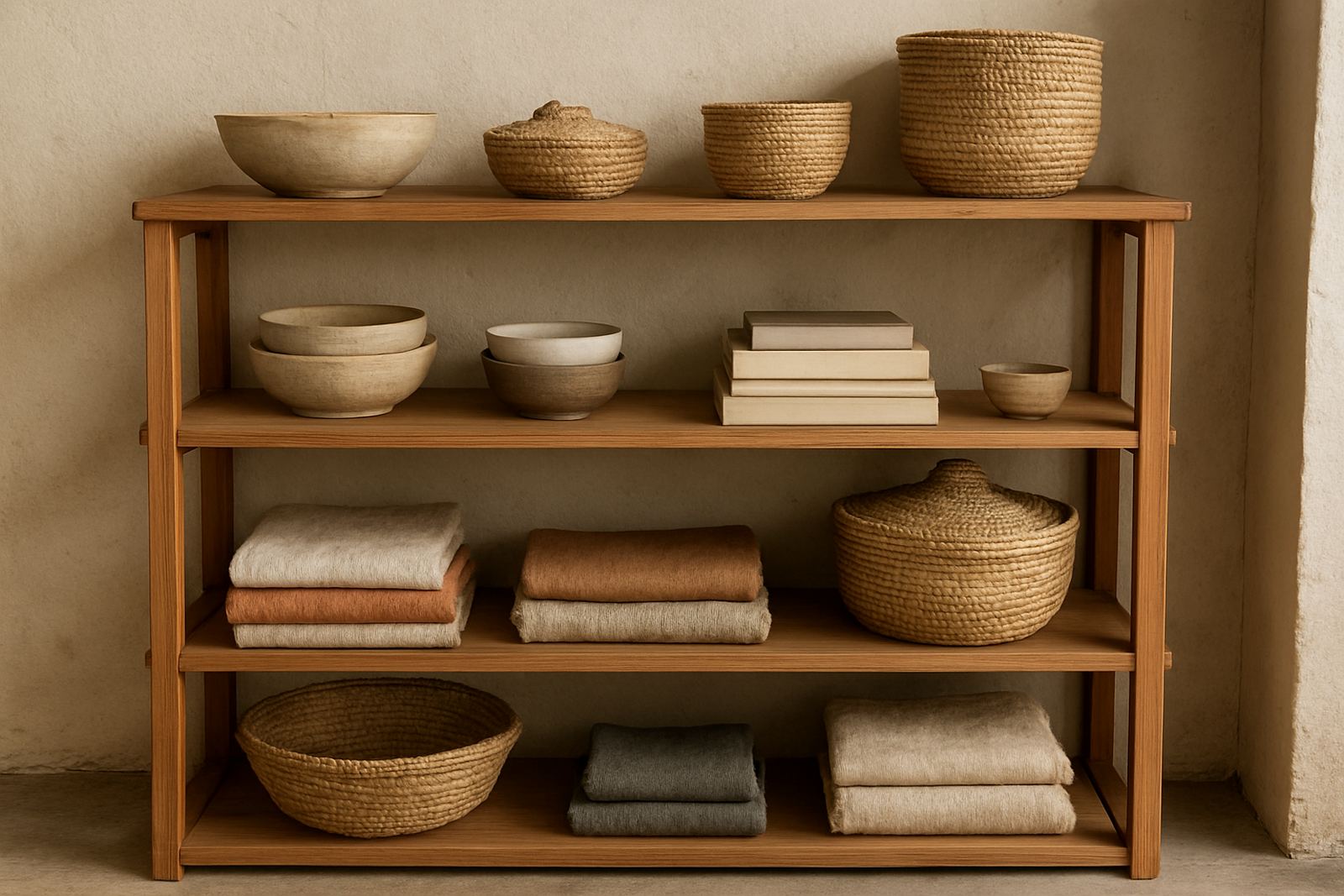
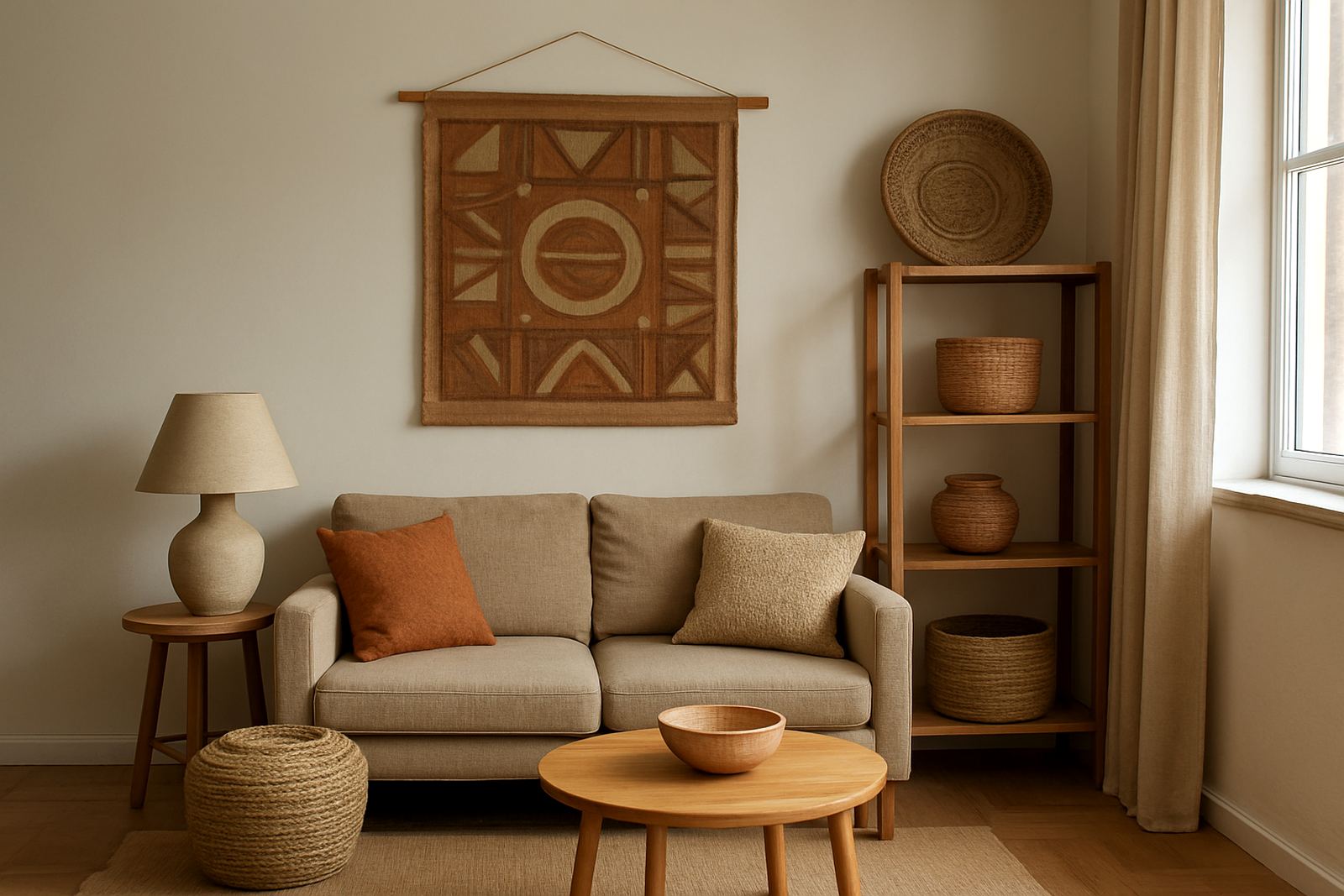
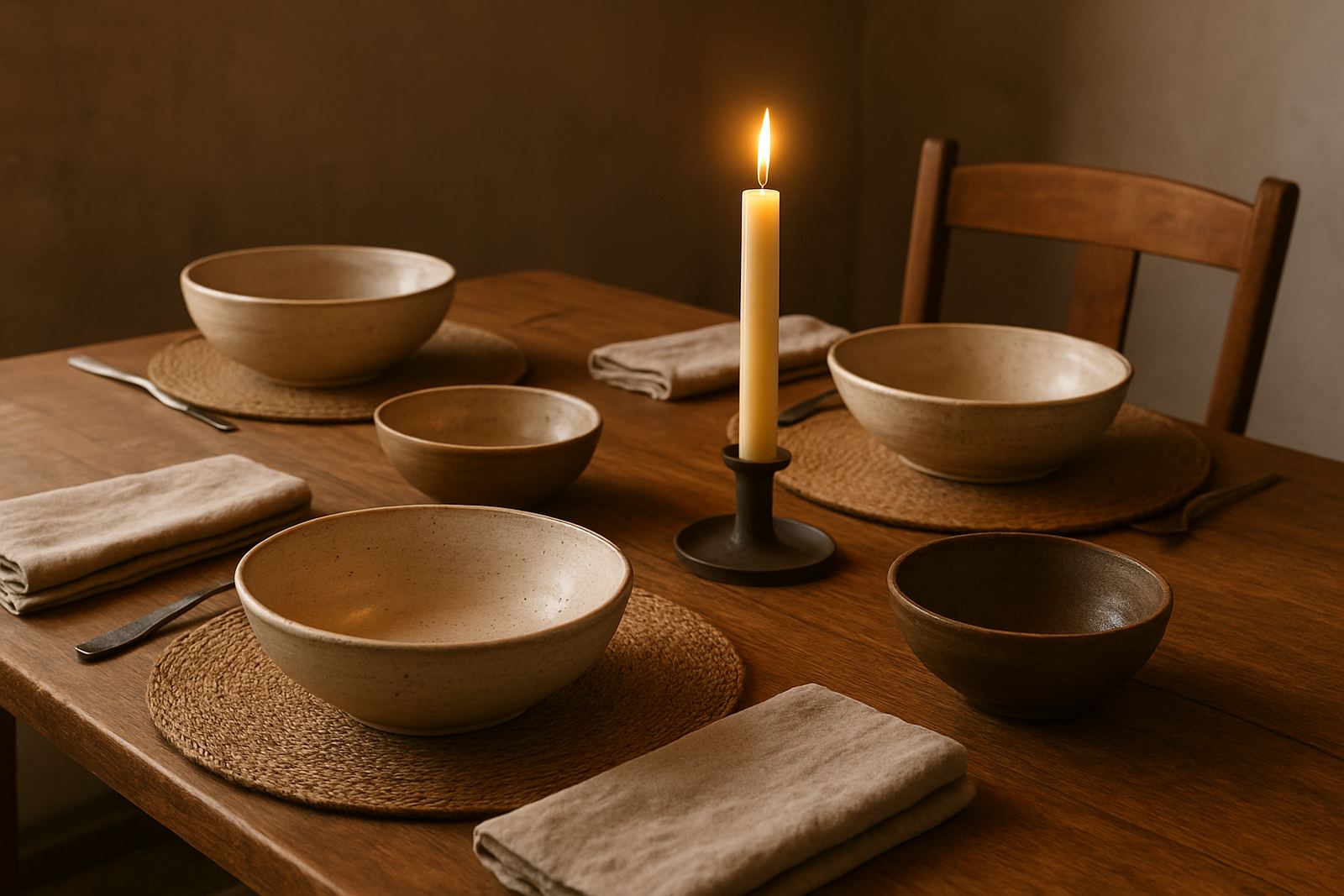
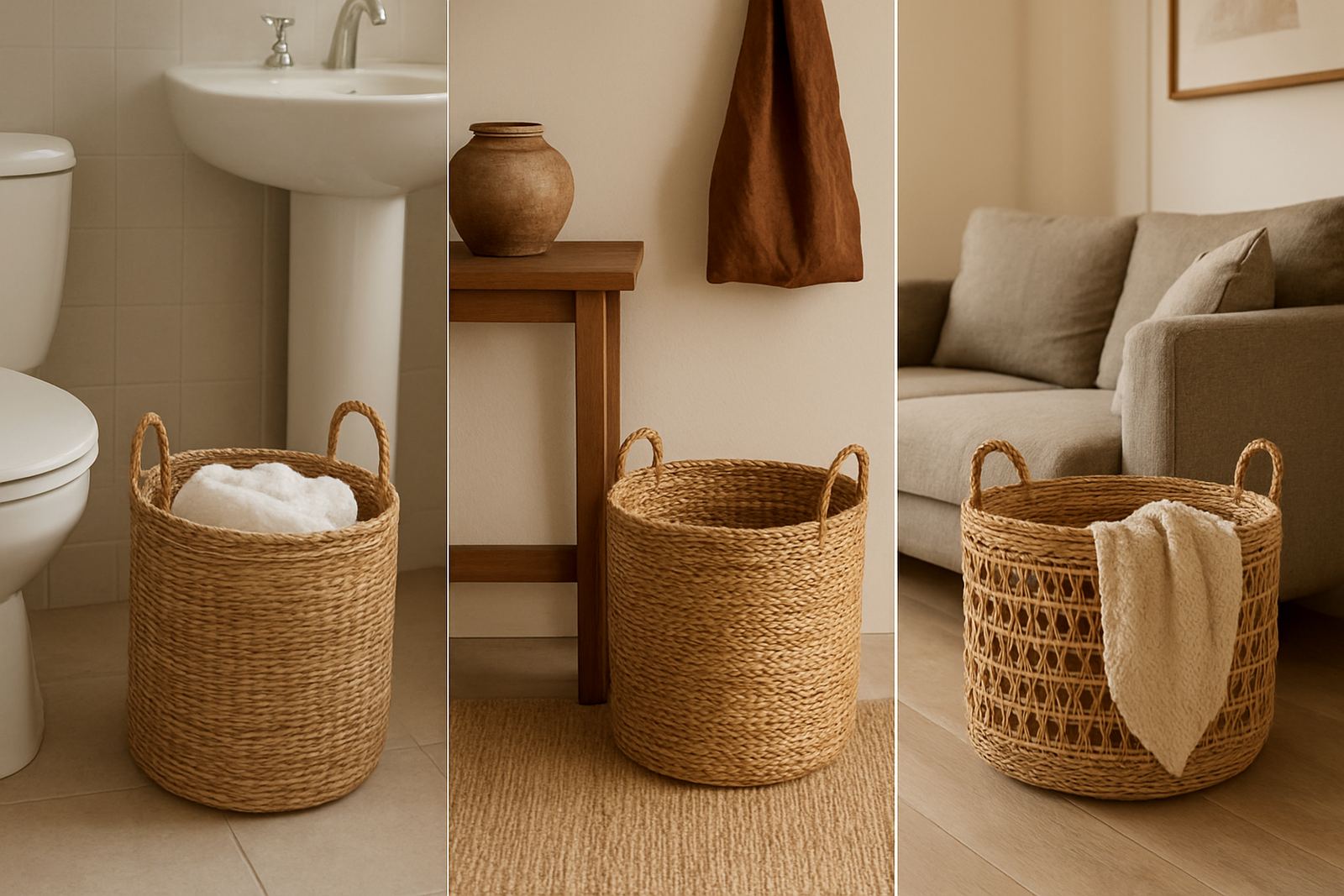
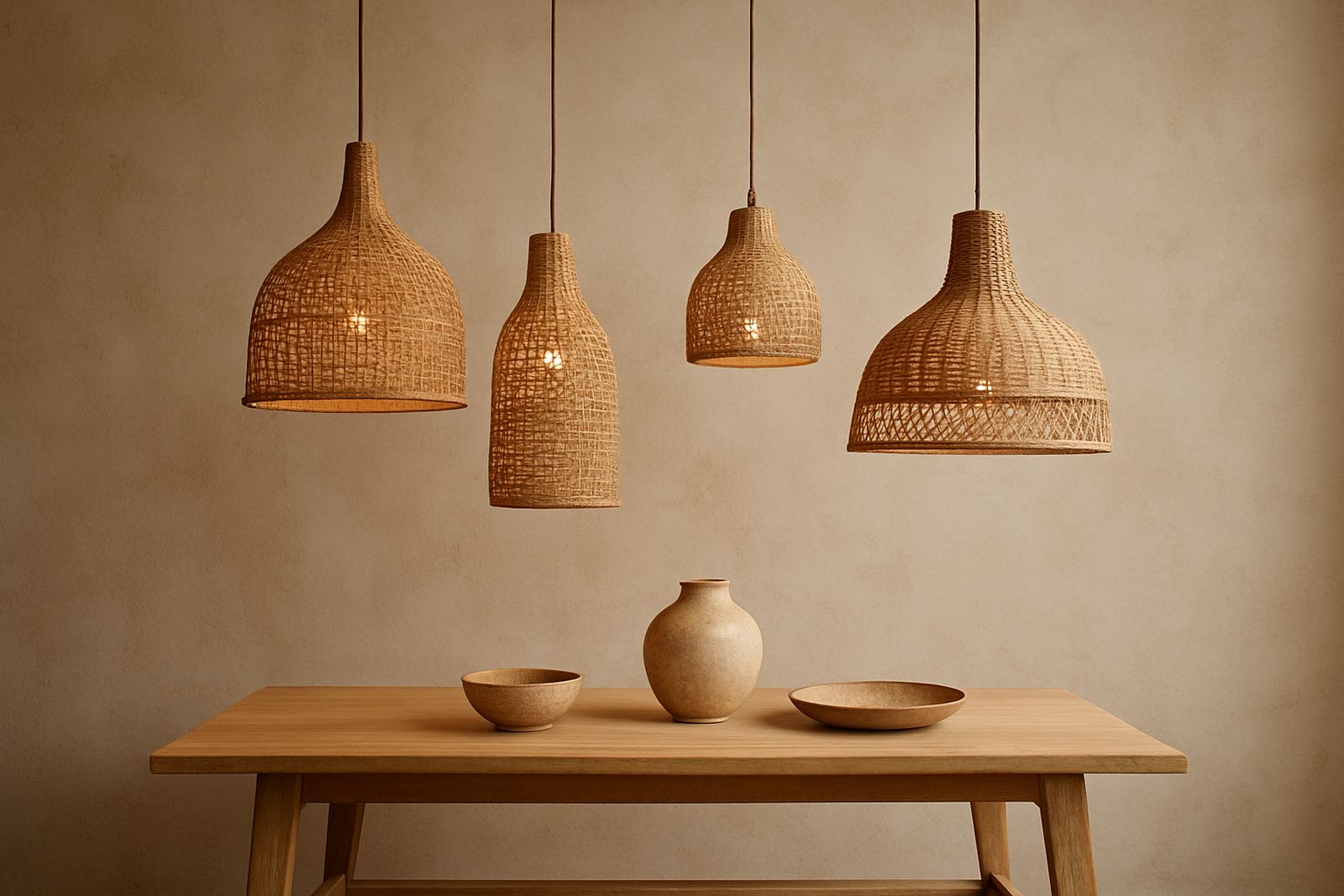
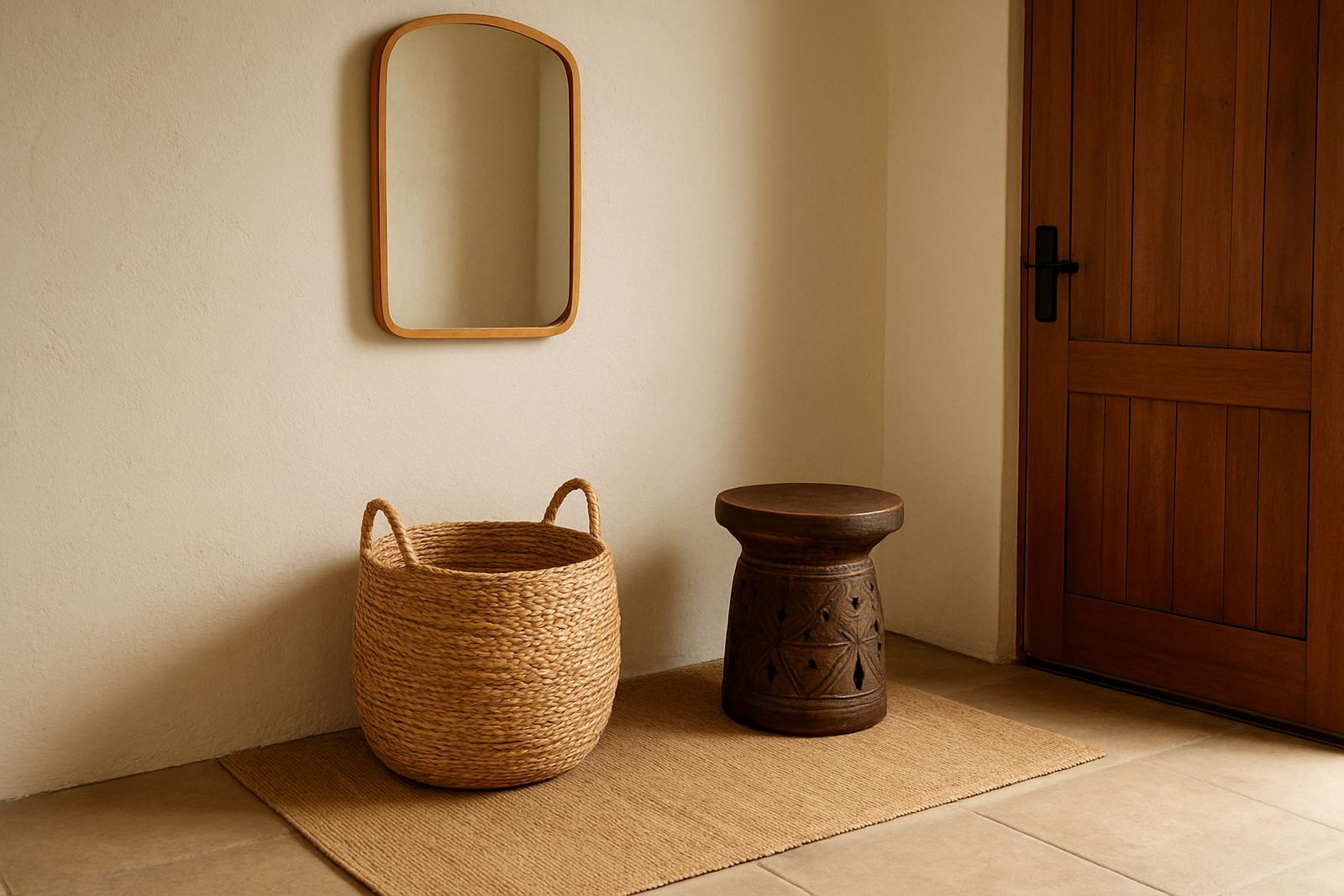
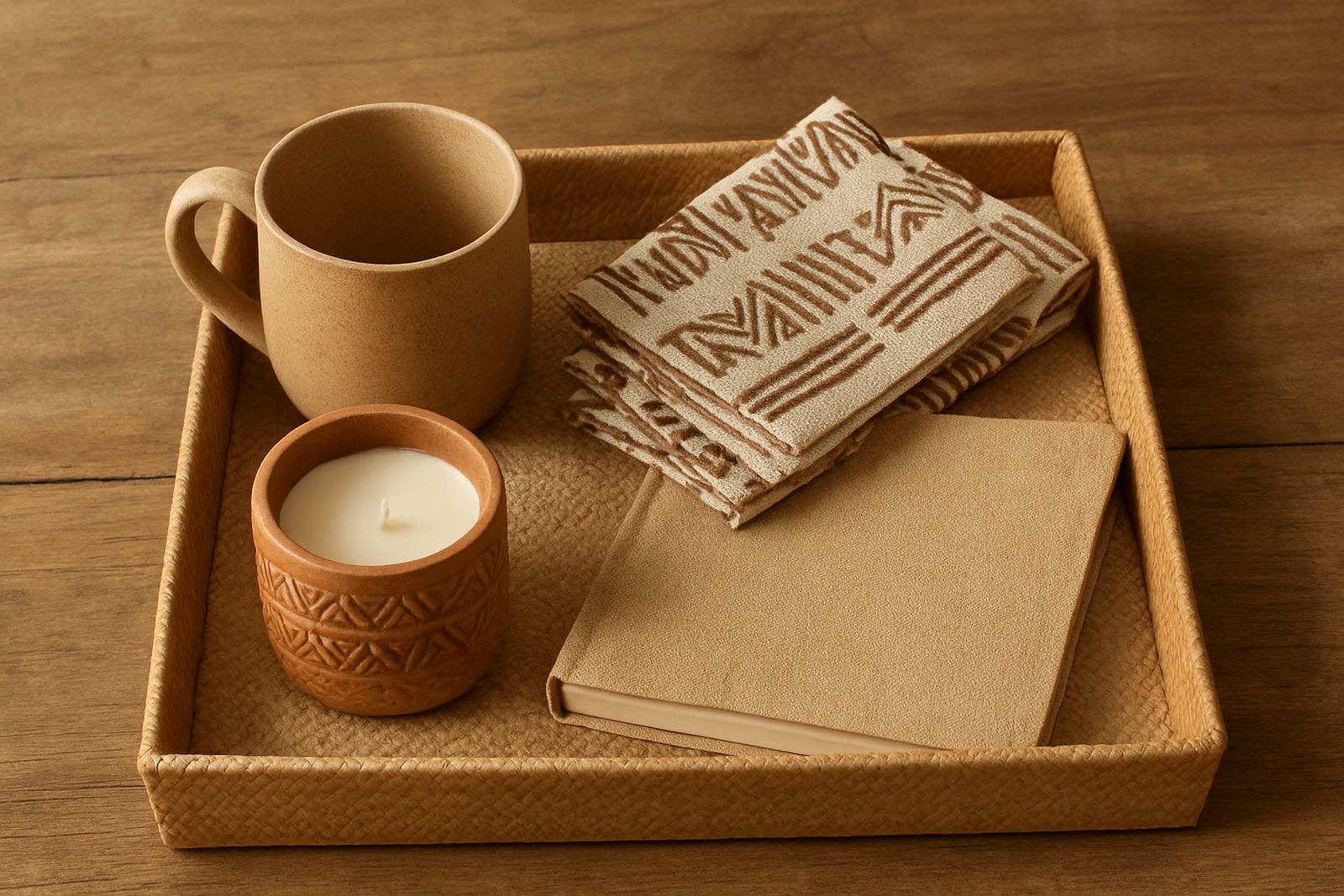
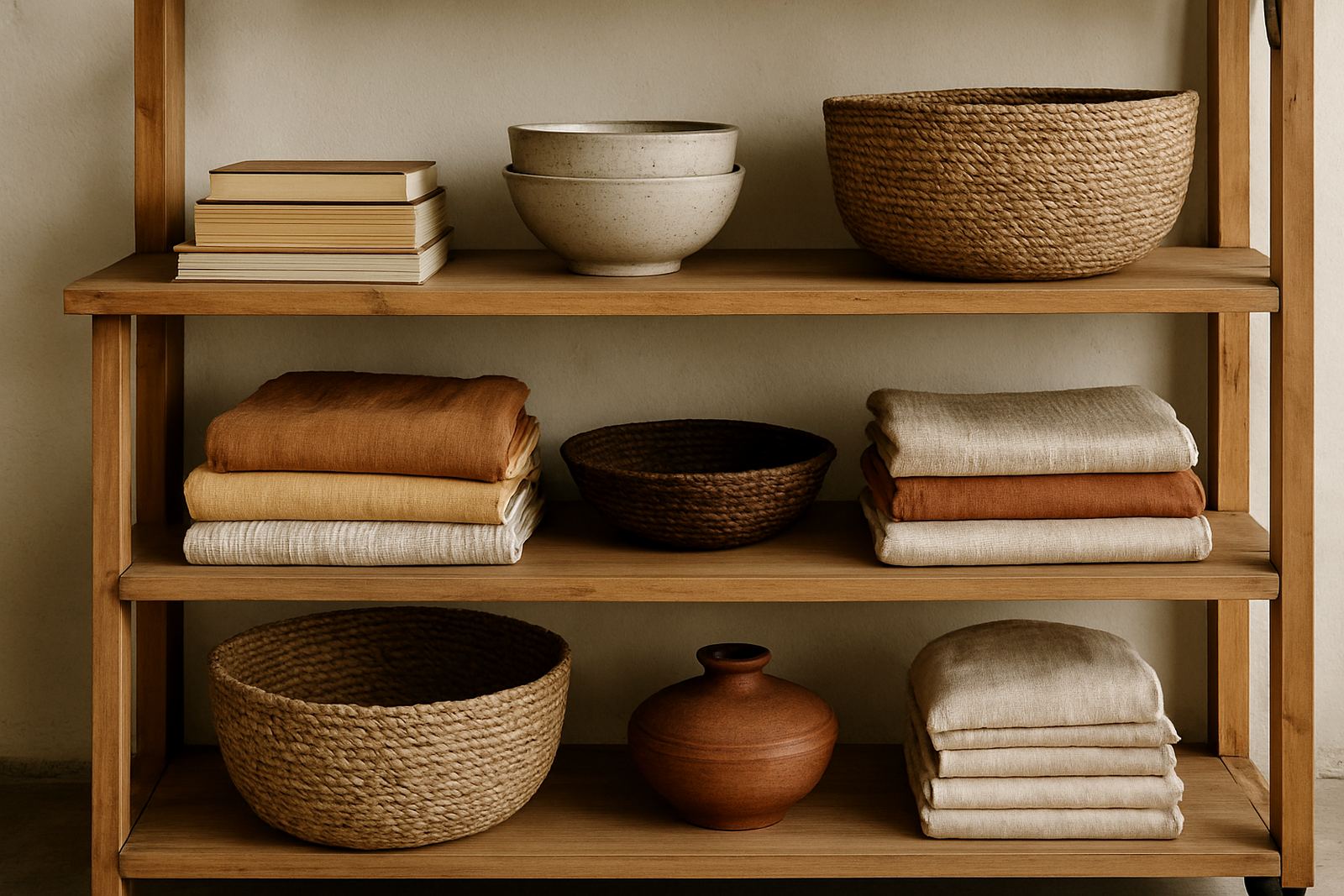
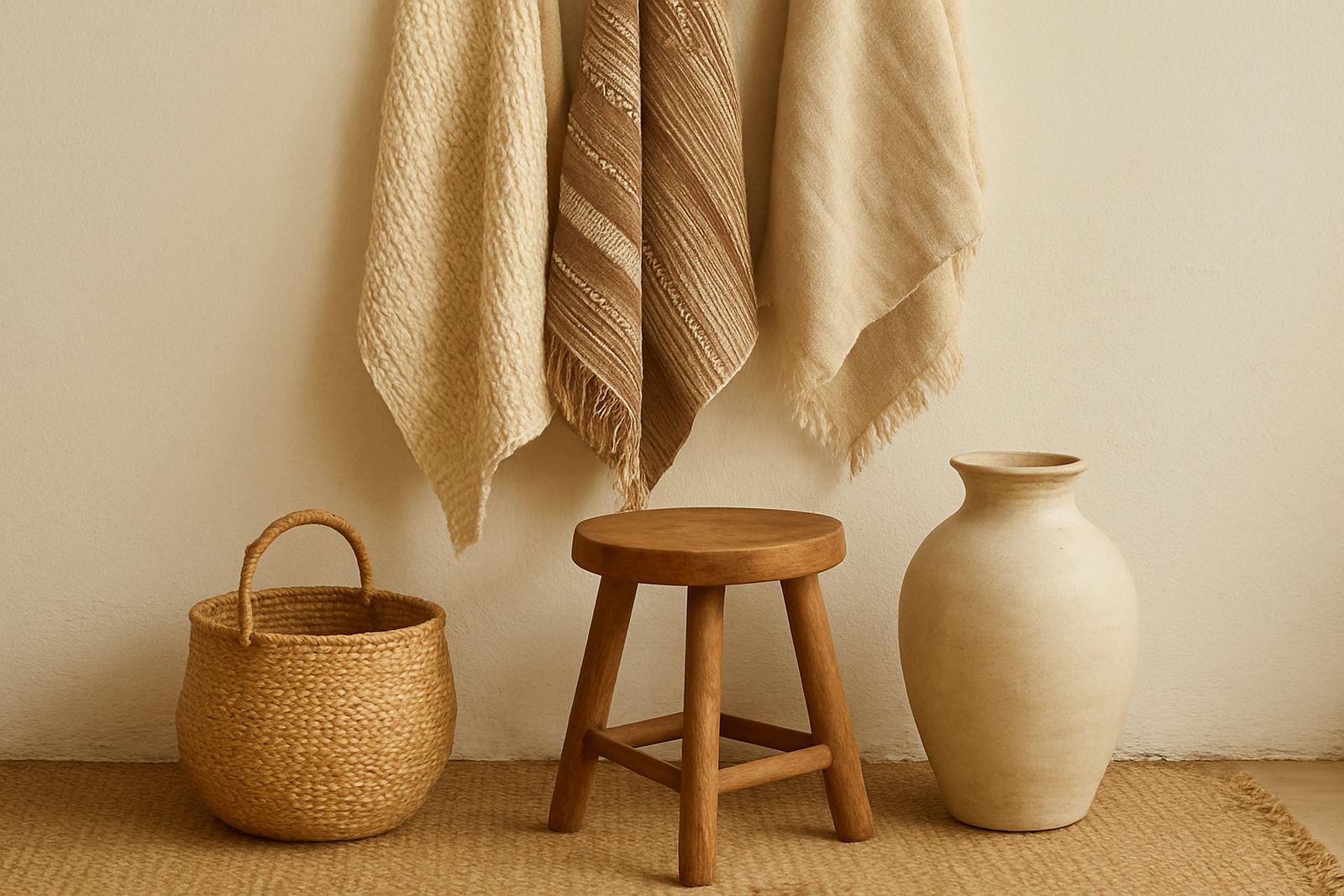
Handmade African craft works best when it is allowed to breathe. A single ceramic bowl on a counter can carry more weight than a crowded display, and a folded textile can change the feel of a room without needing much else. We share styling notes for homes, lodges, restaurants and retail floors, with ideas that work in compact spaces as well as larger collections.
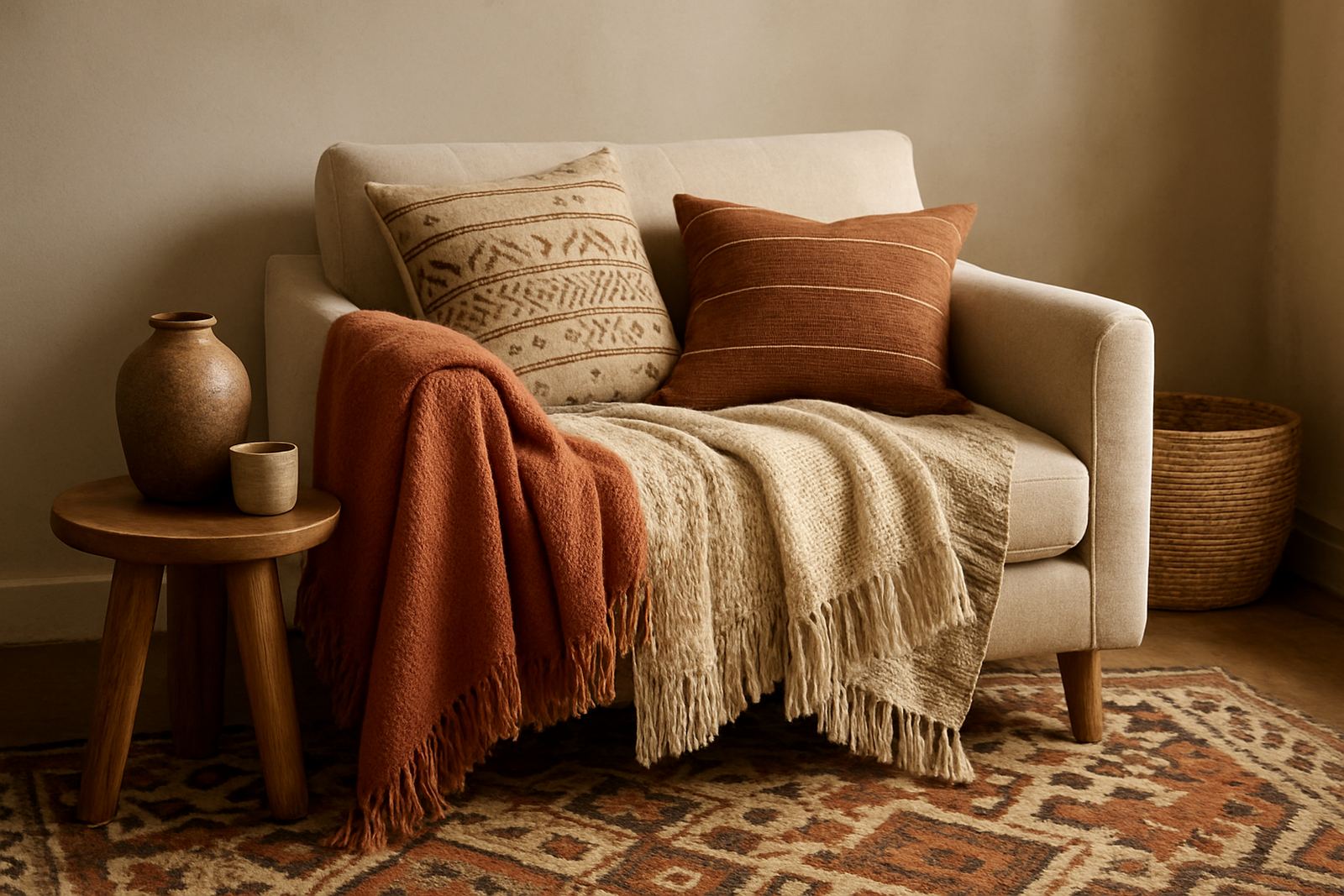
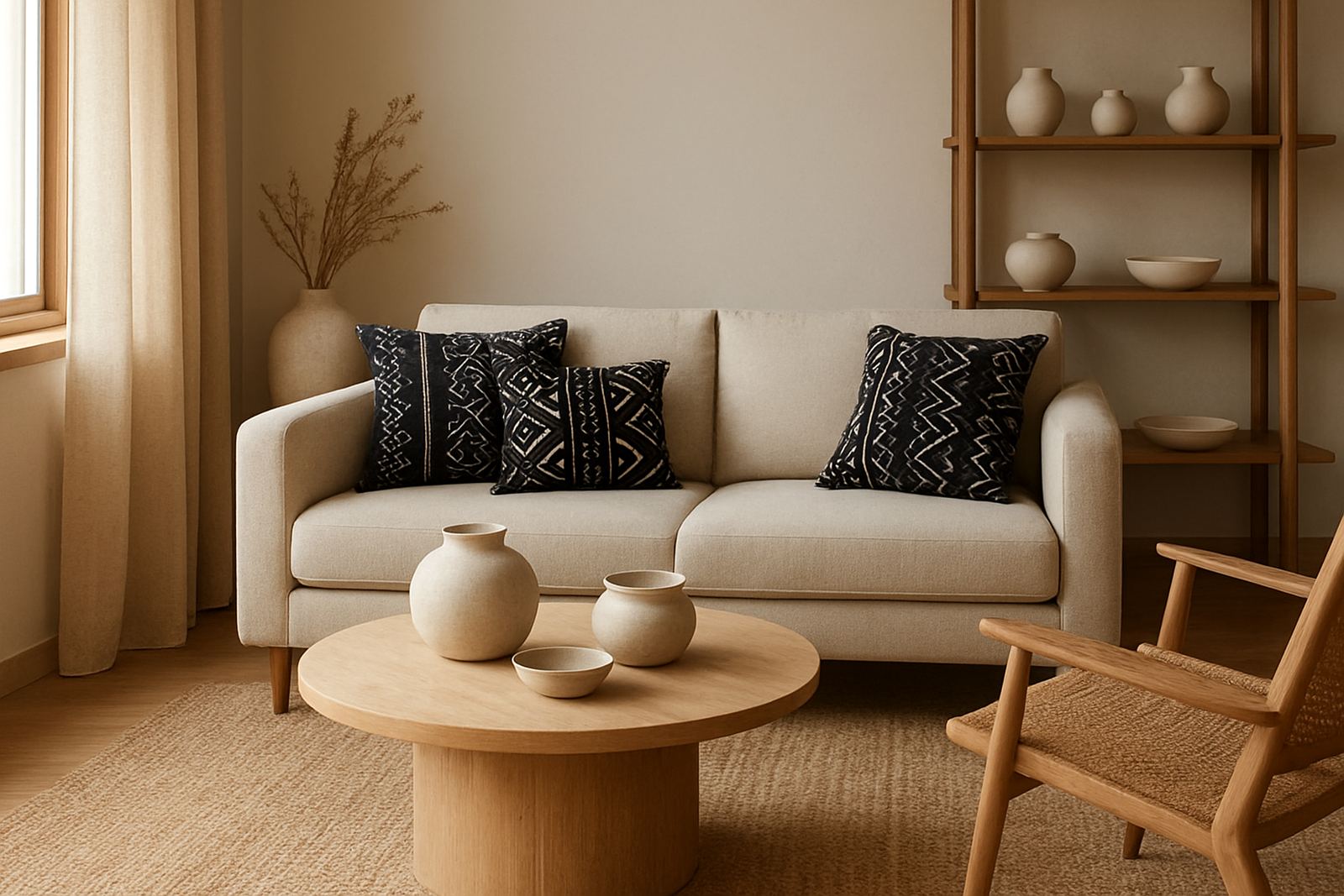
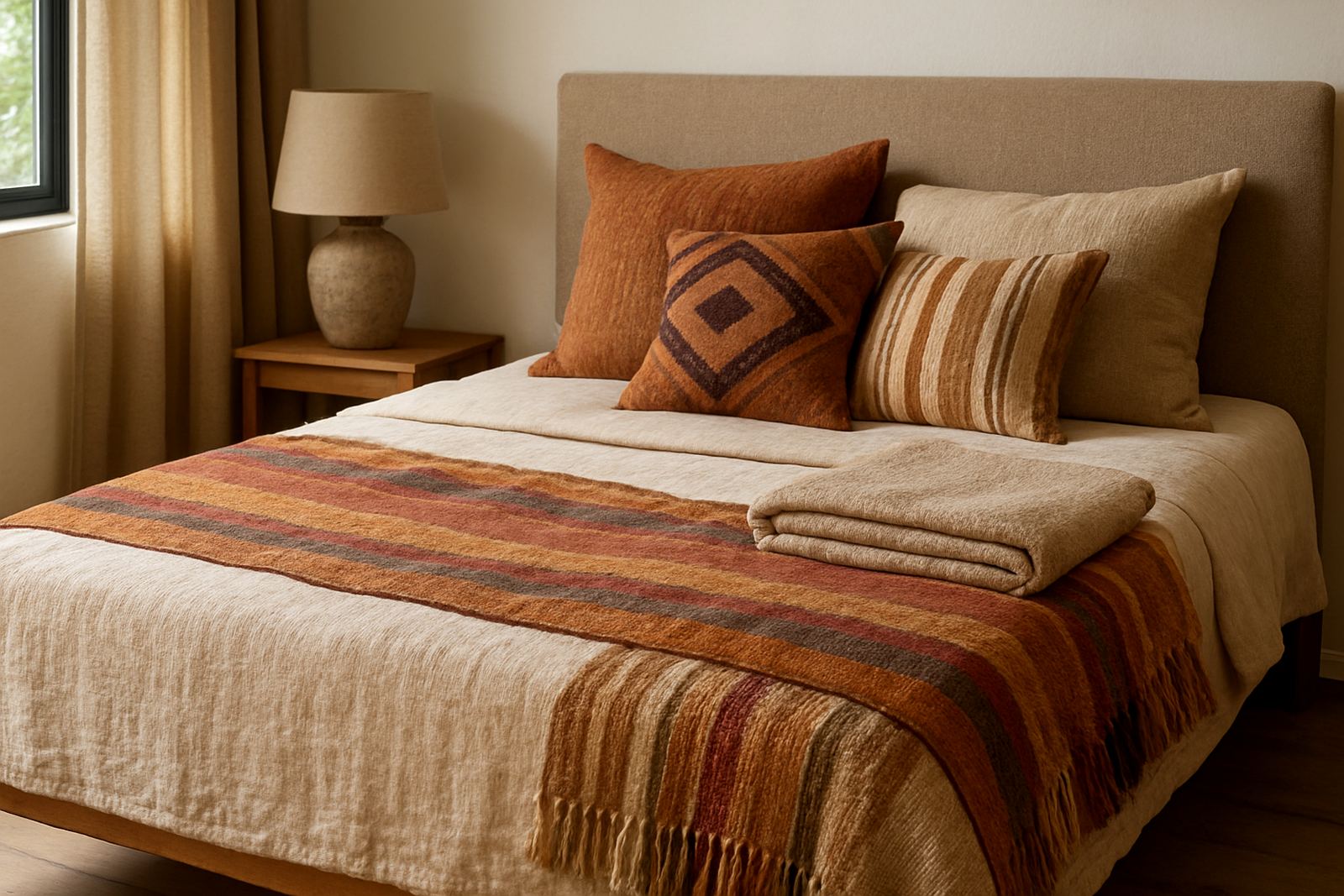
- Mix one bold textile with neutral surfaces to bring colour without making the room busy.
- Use ceramic pieces in groups of three or five for a balanced shelf display.
- Place artisan goods near natural light, but keep dyed fabrics away from direct sun for long periods.
- For hospitality styling, choose items that can be replaced or restocked in the same line, especially for high turnover areas.
These tips help buyers build a look that feels considered instead of random, and they work well for seasonal updates too.
From sample loans to bulk order planning
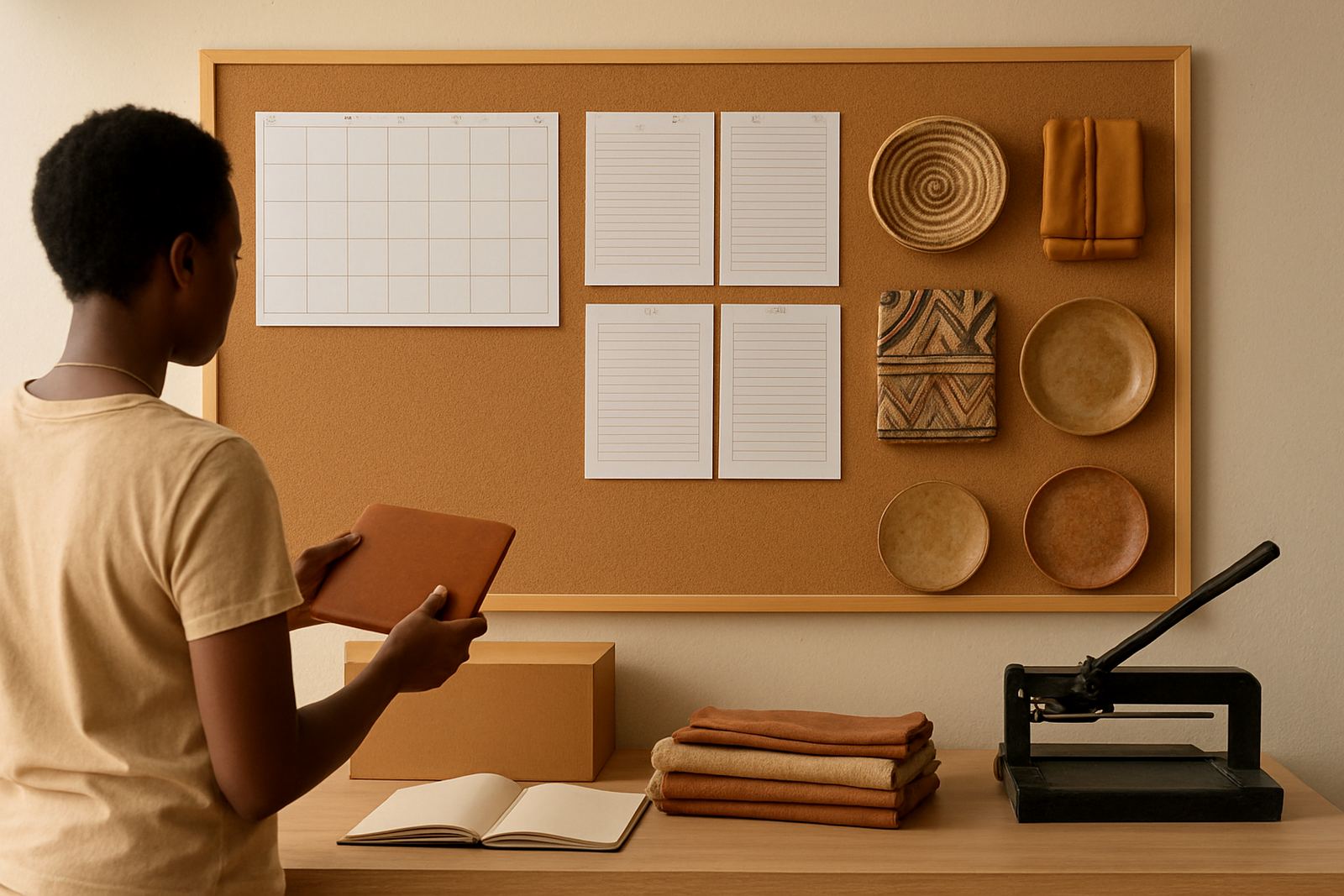
Our journal also speaks to practical buying. If you are planning a collection for a store opening, a corporate gift programme, or a hospitality refresh, sample loans can help you test colour, scale and finish before committing. Bulk order planning then helps match supply to your timeline, budget and delivery route. That is especially useful when orders need to move through courier coordination between Johannesburg and other South African cities or beyond the border.
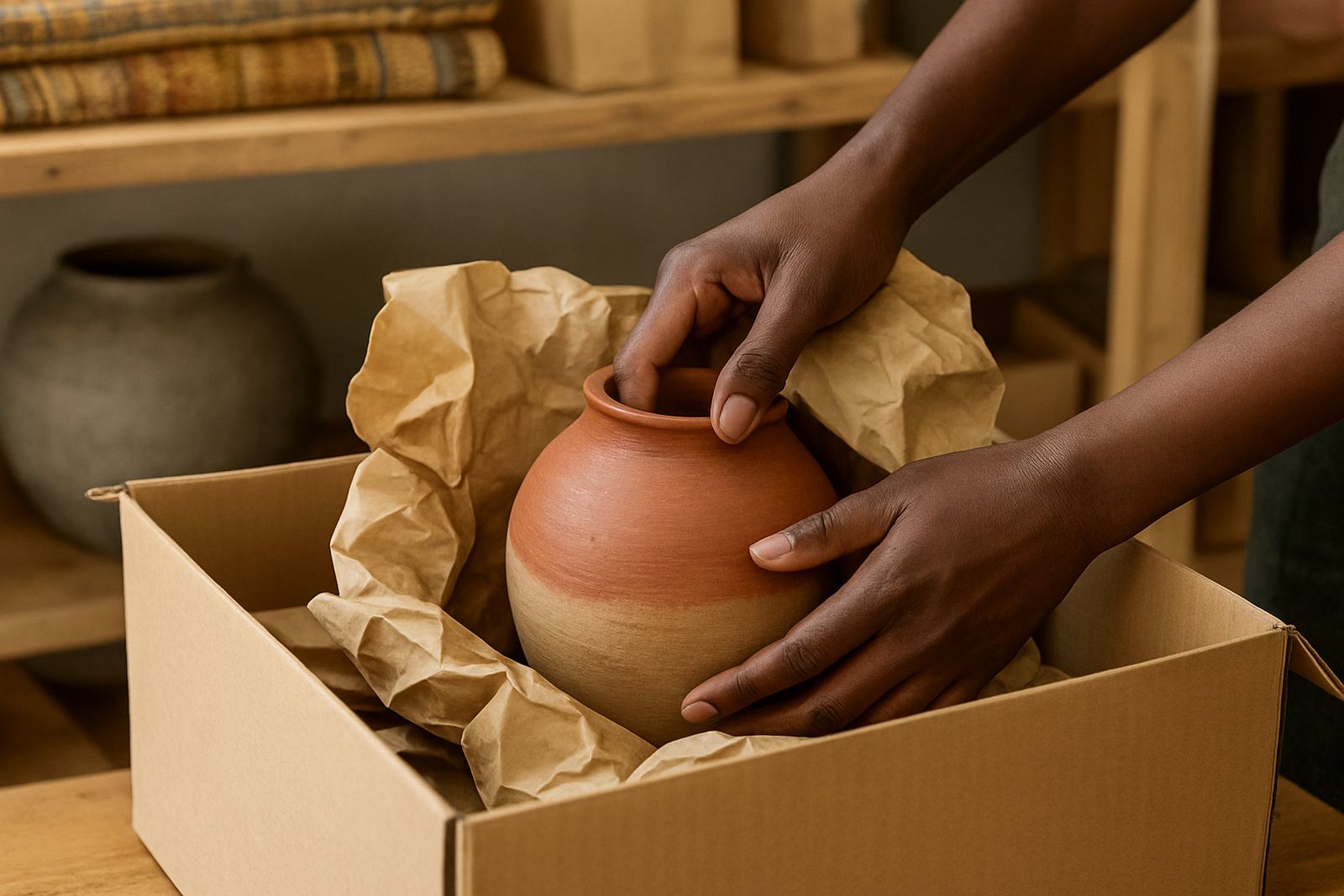
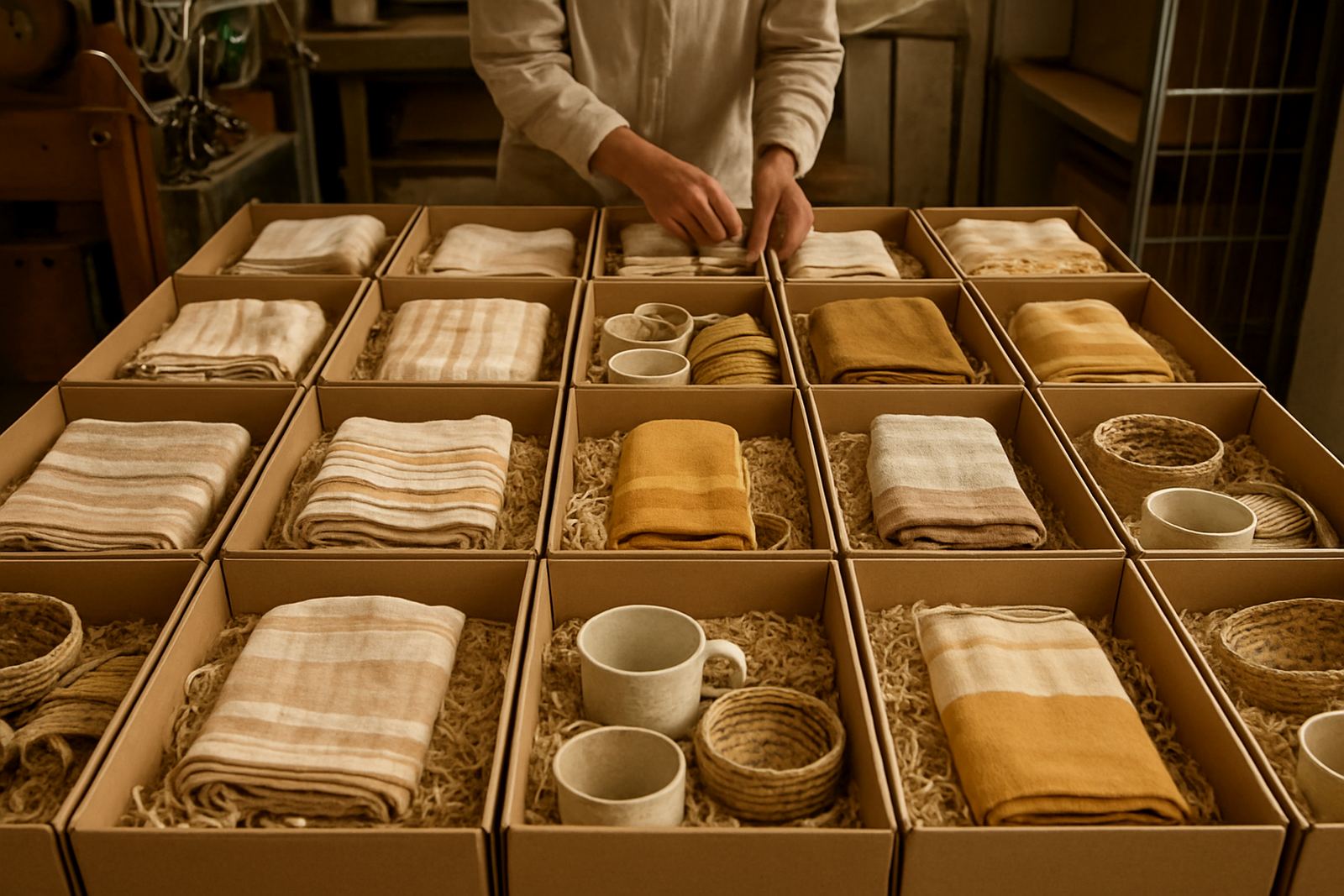
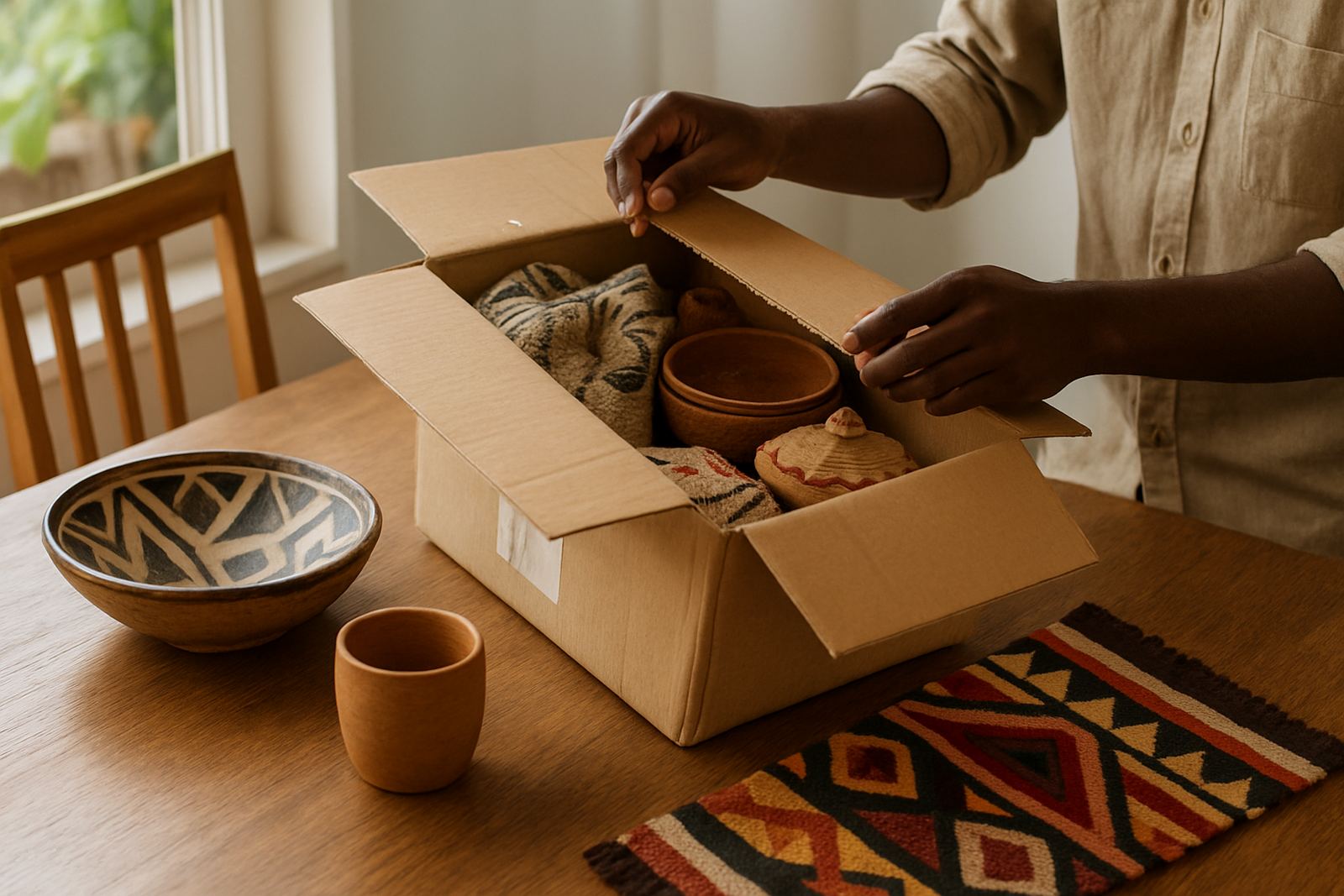
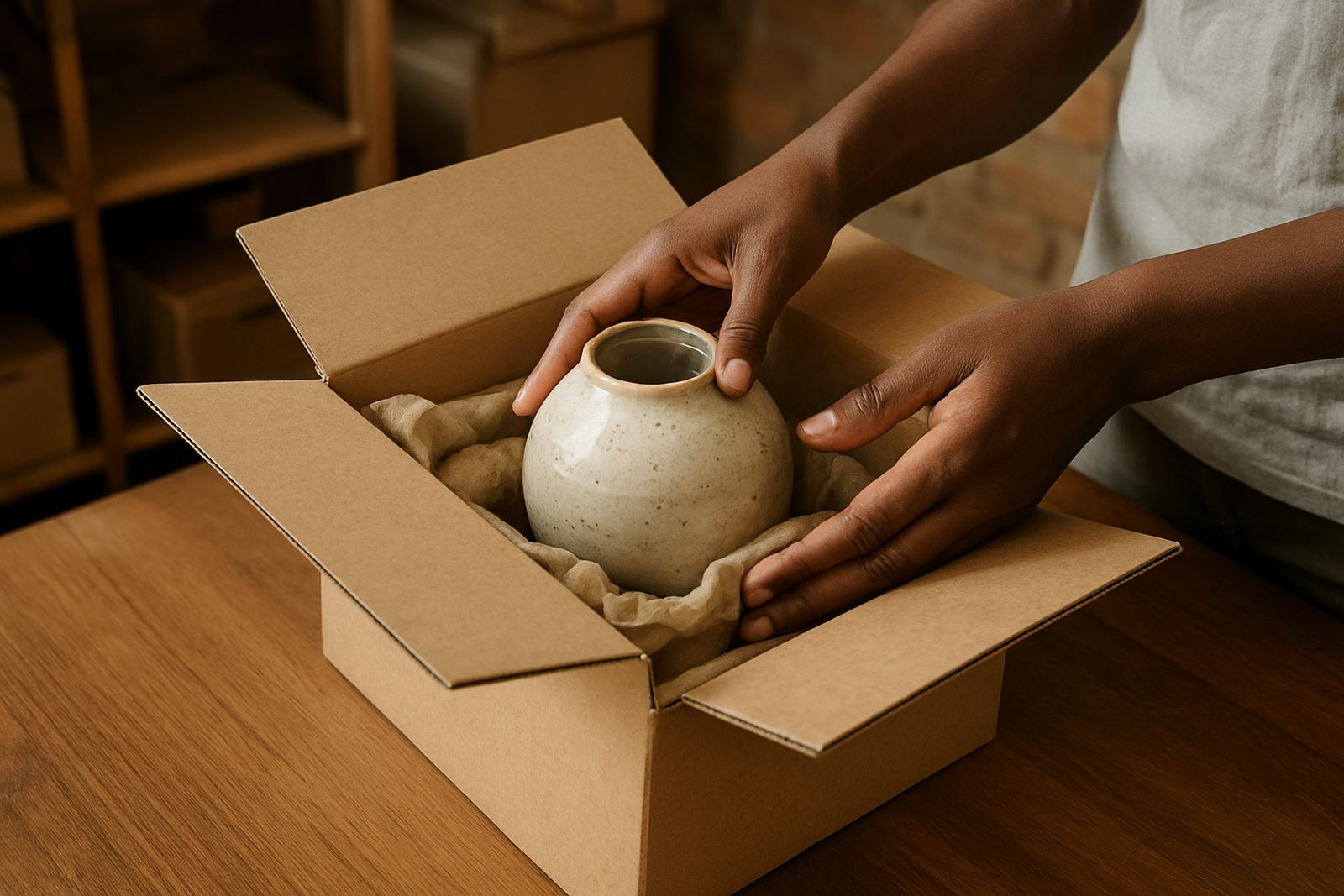
We also note where packing needs more care. Ceramics may need extra wrapping and carton spacing, while folded textiles need clean handling to avoid marks and creasing. During load-shedding or busy shipping periods, good planning keeps the order moving and reduces damage. A little structure at the start saves time later, and less breakage means less stress for everyone.
Why these objects matter beyond the shelf
Handmade pieces carry stories of place, skill and continuity. They support livelihoods, keep techniques active, and give buyers a way to connect with work that was made by hand rather than by machine. That does not mean every piece has to be precious or formal. Some are practical, some are decorative, and some do both. What matters is understanding the work and respecting the maker behind it.
Our Maker Journal is here to help customers choose with more confidence, whether they are buying a single gift or building a wider collection. It brings together notes on materials, care and styling so that the object in your hands makes sense, looks right and lasts well.