Why small batches behave differently
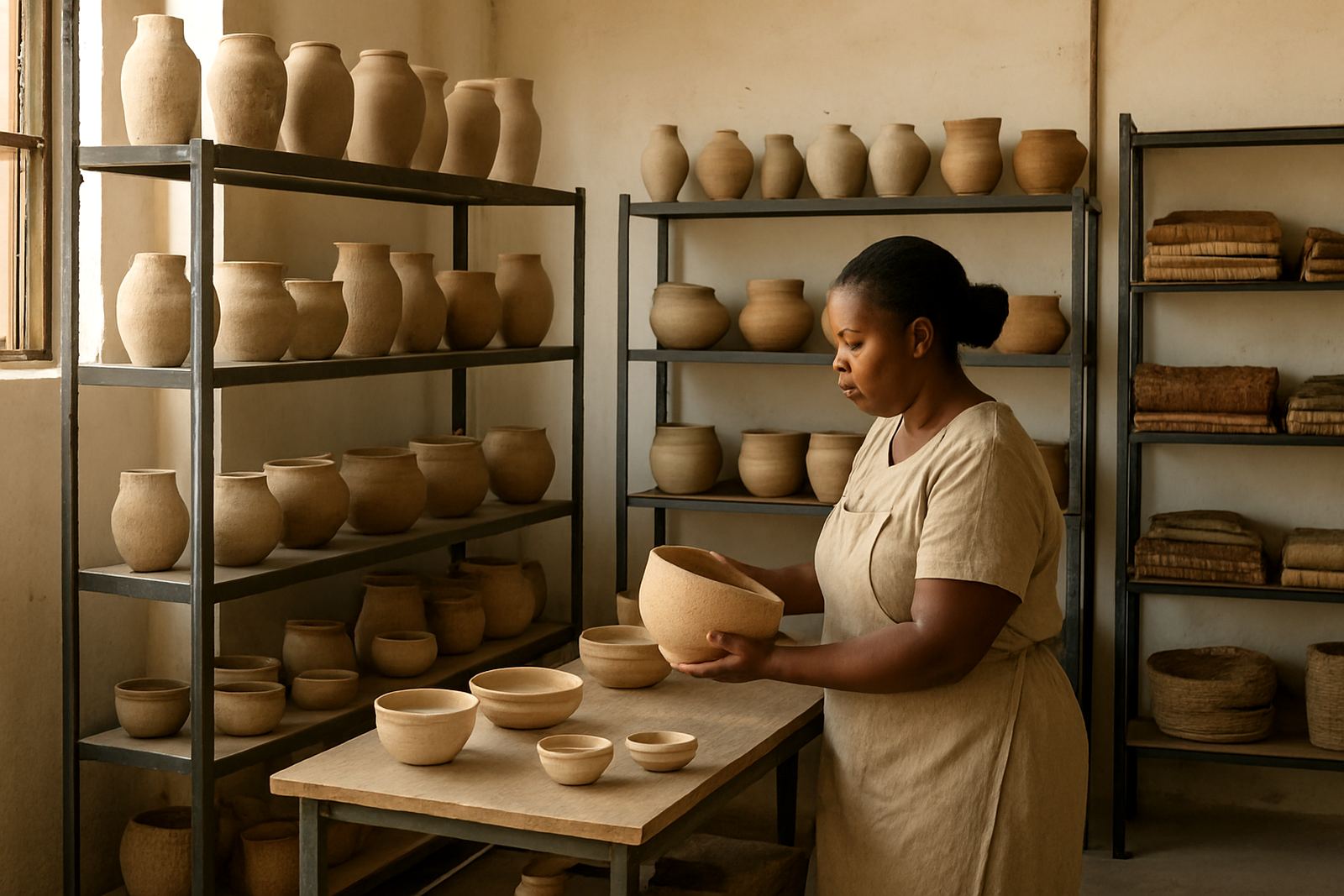
Small batches are shaped by hand, not by a machine line, so the pace changes with each maker, material and season. A textile run may wait on dyeing, drying or weather, while ceramics need forming, firing, cooling and glazing before they are ready to move.
That is why two similar orders can land on different timelines. One maker in Johannesburg may finish a set in a week, while another in a coastal town needs extra drying days because of humidity. Buyers who plan for this early usually get better results and fewer surprises.
Lead times are a moving target, not a guess
Good planning starts with asking for a realistic lead time, then adding buffer. For small batch work, that buffer should cover material delays, kiln space, transport between studios, and courier collection slots. In our experience, buyers often forget that a delay of two days at the making stage can become a full week once a courier schedule is involved.
- Build in extra days for hand-finishing and quality checks.
- Ask whether stock is ready now or still in production.
- Confirm if samples, custom colours or sizing change the timeline.
- Allow more time before public launches, hotel openings or retail drops.
If you are ordering for a fixed date, say so from the start. It is far better to work back from the delivery date than to chase a finished order at the last minute.
Consistency matters, but handmade is never identical
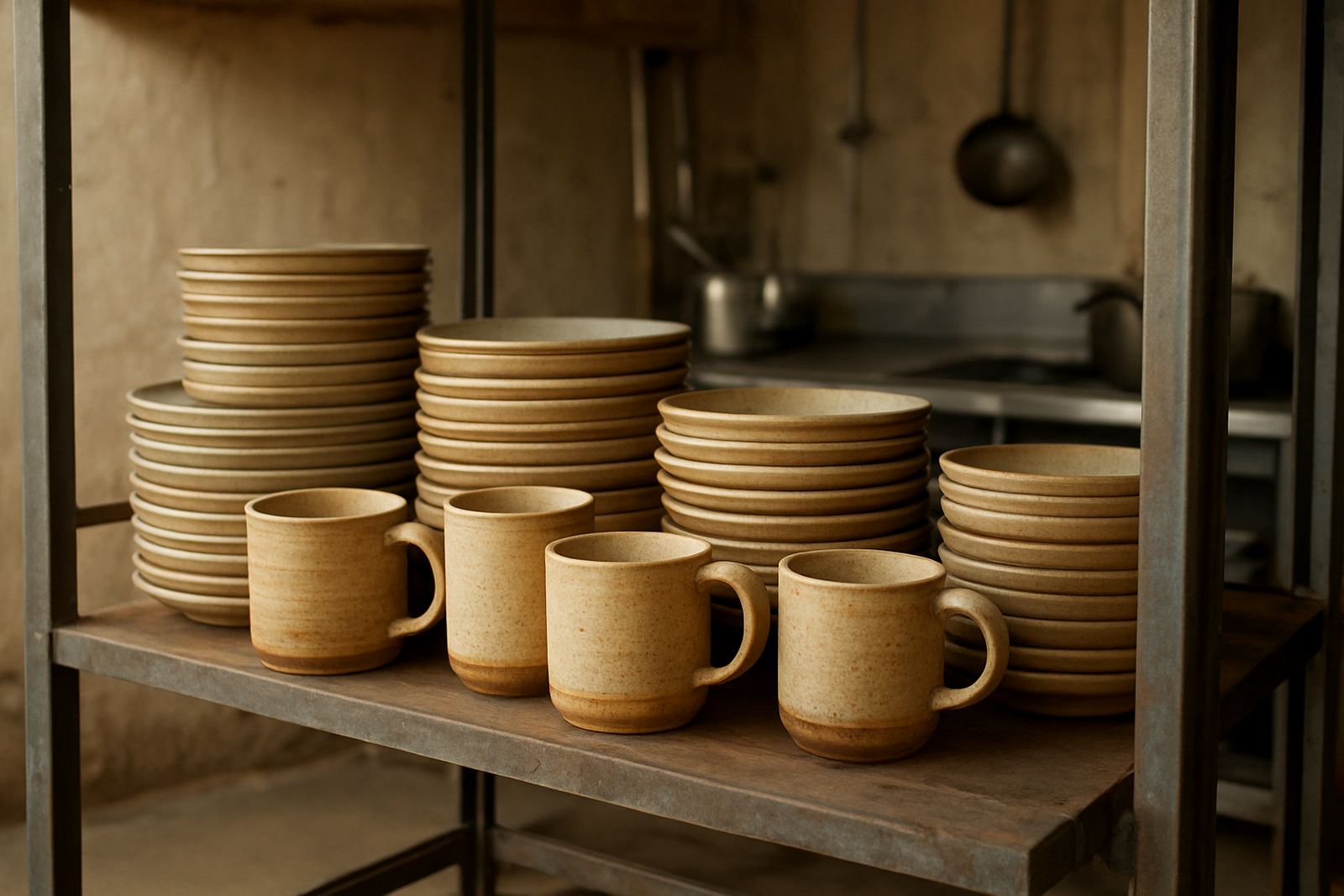
Buyers sometimes expect every item to match exactly, but handmade goods carry natural variation. A ceramic mug may differ slightly in glaze thickness. A woven cloth may show changes in thread tension. These are not faults, they are part of the character that makes the work worth buying.
That said, consistency still matters, especially for retail and hospitality. The key is to decide which details must match and which can vary. For example, a restaurant may need the same plate size across a table setting, but can accept slight colour shifts if the overall palette stays aligned.
- Agree on acceptable variation before the order is confirmed.
- Request photos of the actual batch, not only earlier examples.
- For repeat orders, keep one sample for reference.
- Check dimensions carefully when pieces must fit shelves, trays or packaging.
How to plan orders for stores, gifts and events
Small batch buying works best when the use case is clear. Retail stock needs a different plan from corporate gifting, and hospitality styling has its own demands. If you are restocking a shop in Sandton or fitting out a guesthouse in Cape Town, the order should reflect the space, the customer profile and how often pieces will be replaced.
For gifting, it helps to think in sets. Gift packing, provenance cards and courier coordination all add time, so it is smarter to finalise the quantity early and avoid last-minute changes. For bulk orders, ask for sample loans or a small test batch before committing to the full amount.
A simple planning rule works well: first confirm product mix, then quantity, then finish details, then delivery route. Changing the sequence usually creates avoidable stress.
A Johannesburg example: one order, three timelines
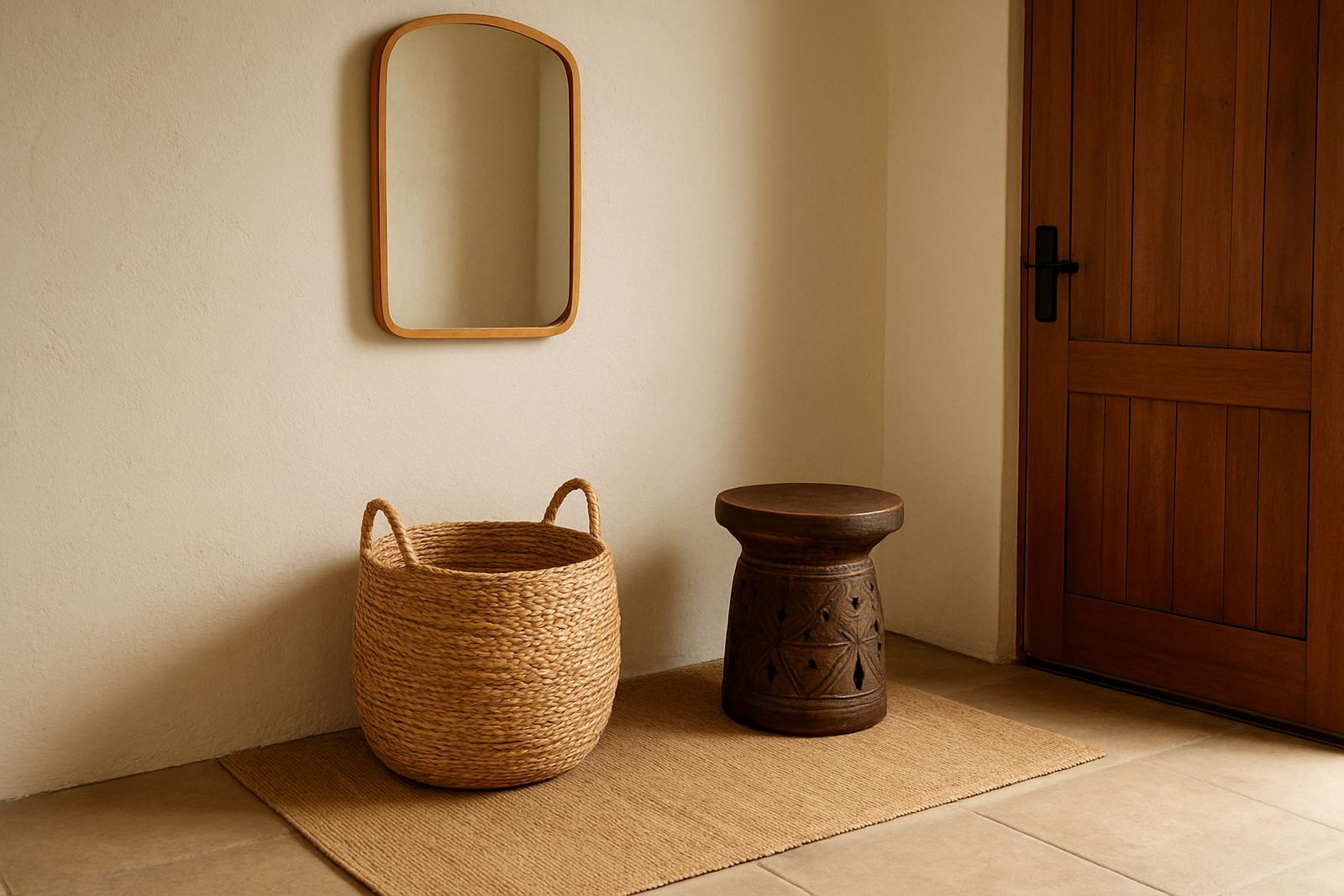
Consider a buyer in Maboneng sourcing for a winter market and a small hotel at the same time. The textiles can be packed and ready quickly, but ceramics may need another firing cycle. Artisan goods such as baskets or carved objects may be ready first, yet still need provenance cards and export-style packing if some stock is going to Durban or beyond South Africa.
In that kind of order, one item does not hold up everything else if the buyer has planned well. The smarter approach is to split the order into parts, confirm the fastest items first, and keep the slower pieces on a separate track. That way the market table can open on time and the hotel shelf can follow when the rest arrives.
This is especially useful in load-shedding periods. Kiln work, finishing and admin can all slow down when power cuts interrupt the day, so a flexible schedule is not optional, it is part of how the sector works.
What buyers should ask before they place an order
The best questions are the practical ones. They help everyone understand the order and cut down on back-and-forth later. If you are working with makers across provinces or exporting abroad, ask early and ask clearly.
- What is available now, and what is still being made?
- How much variation should I expect in colour, size or finish?
- Can the order be split into ready stock and made-to-order items?
- What packing is needed for breakables or long-distance courier travel?
- Are there any municipal or export requirements I should know about?
Clear answers make planning easier for everyone. They also protect the maker’s time, which is often the tightest part of the whole process.