Why hospitality ceramics need more than visual appeal
In restaurants, guest houses, lodges and boutique hotels, ceramics are handled all day by staff and guests. A plate has to sit level on a tray, a bowl must feel balanced in the hand, and a mug should not chip easily when it meets another piece in the wash-up area. Good hospitality ceramics do that work quietly while still giving the table character.
The right pieces bring a sense of care to breakfast service, plated dinners and room service alike. Natural glaze variation, hand-finished edges and earthy tones can add visual warmth without making the table feel cluttered. That matters in South African venues where interiors often mix brick, timber, concrete and linen, especially in places with strong light and open dining rooms.
At the same time, hospitality buyers need practical shape choices. A wide rim can help with plating, but if it is too broad it wastes space in storage. A deep bowl is useful for stews, grains and soups, but it must still stack properly and fit in commercial dish racks. The best ceramics make service easier, not harder.
Stable forms that survive service and storage
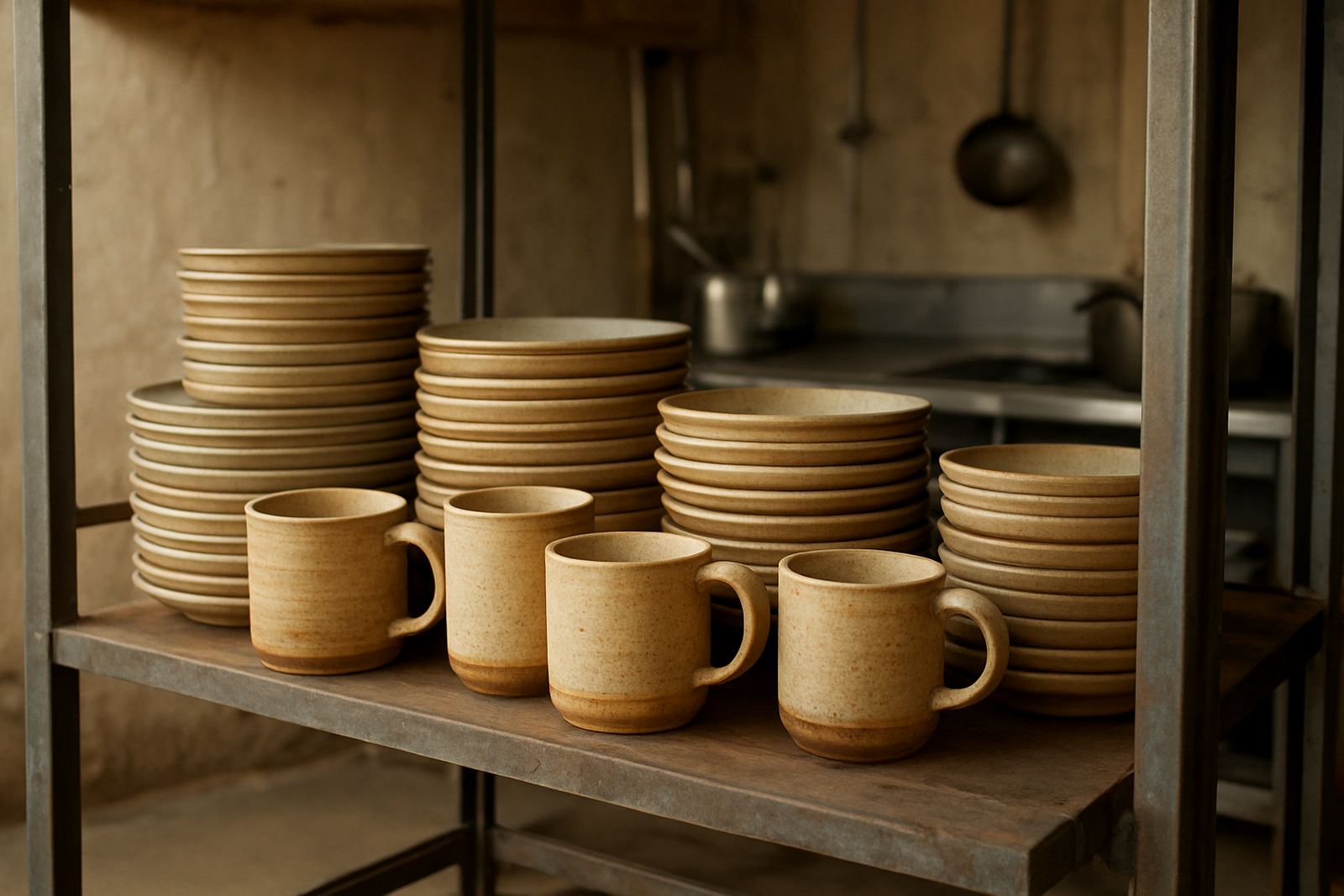
When we curate ceramics for hospitality, we look first at form. A stable base reduces wobble on trays and tables. Even weight distribution helps staff carry multiple items with less risk of spills. Straightforward silhouettes are usually easier to stack, label and store in back-of-house cupboards where space is already tight.
Thickness also matters. Very thin pieces may look delicate, but they can be less forgiving in a fast service environment. Pieces with enough body to handle heat changes and repeated washing often last longer in real use. In coastal towns such as Durban or Gqeberha, where moisture can affect storage areas, ceramics also need to dry properly before they go back on the shelf.
- Choose bases that sit flat and do not rock on a table.
- Check that rims and handles feel secure in the hand.
- Test stacking height in the cupboard and in the wash area.
- Ask how the glaze behaves after repeated hot washes.
- Keep a few spare pieces for breakage during peak season.
Glazes, colour and the look guests remember
Colour plays a bigger role in hospitality than many buyers expect. Soft neutrals, clay tones and deep greens can work well with linen and wood, while darker glazes can frame food beautifully under evening lighting. In dining rooms with a lot of daylight, matte or satin finishes often reduce glare and make the food easier to photograph, which is useful when guests share their meal online.
That said, a striking glaze should still be practical. Very glossy surfaces can show fingerprints quickly. Highly textured finishes may catch sauce or hold residue if they are not made for heavy service. Hospitality ceramics should be pleasing to look at, but they also need to wash clean without fuss after a long Saturday shift.
For venues serving tasting menus, breakfast buffets or casual all-day dining, a limited colour palette is often the safest route. It lets the food lead while the ceramics support the presentation. A few accent pieces can add interest without forcing the whole table into one style.
Matching ceramics to the menu and the room
The menu should guide the ceramic selection. A steakhouse may need larger dinner plates with a solid footprint, while a breakfast room may benefit from smaller side plates, egg cups and shallow bowls that move quickly through service. A property offering plated lunches and sharing boards will want pieces that work across breakfast, lunch and dinner without looking out of place.
The room matters too. A polished hotel dining space in Sandton may call for cleaner lines and quieter tones. A courtyard venue in Maboneng might lean into more handmade surfaces and warmer colours. In a township guest house or a family-run lodge outside Pretoria, durable pieces with strong visual presence can bring character without adding unnecessary cost.
- Fine dining needs more precise sizing and cleaner rims.
- Buffet service benefits from pieces that are easy to lift and replace.
- Room service works better with ceramics that travel well on trays.
- Breakfast settings often need lighter, smaller formats for speed.
- Sharing menus need strong platters and bowls with good grip points.
A local example from Maboneng service culture
In Maboneng, where design-led venues sit alongside busy cafés and event spaces, ceramic choices often have to balance style with pace. A small hotel running weekend brunch, private dinners and function service cannot afford fragile tableware that slows the team down. The pieces need to move from storage to service to dishwashing and back again with minimal handling issues.
A practical setup might use one main dinner plate, one side plate, a bowl for breakfast and soup, and a mug or cup that feels comfortable in the hand. From there, a few serving pieces can extend the range for events and tasting menus. This keeps purchasing tidy and avoids overcomplicating stock counts. It also helps when staff are trained on a limited, reliable set of forms.
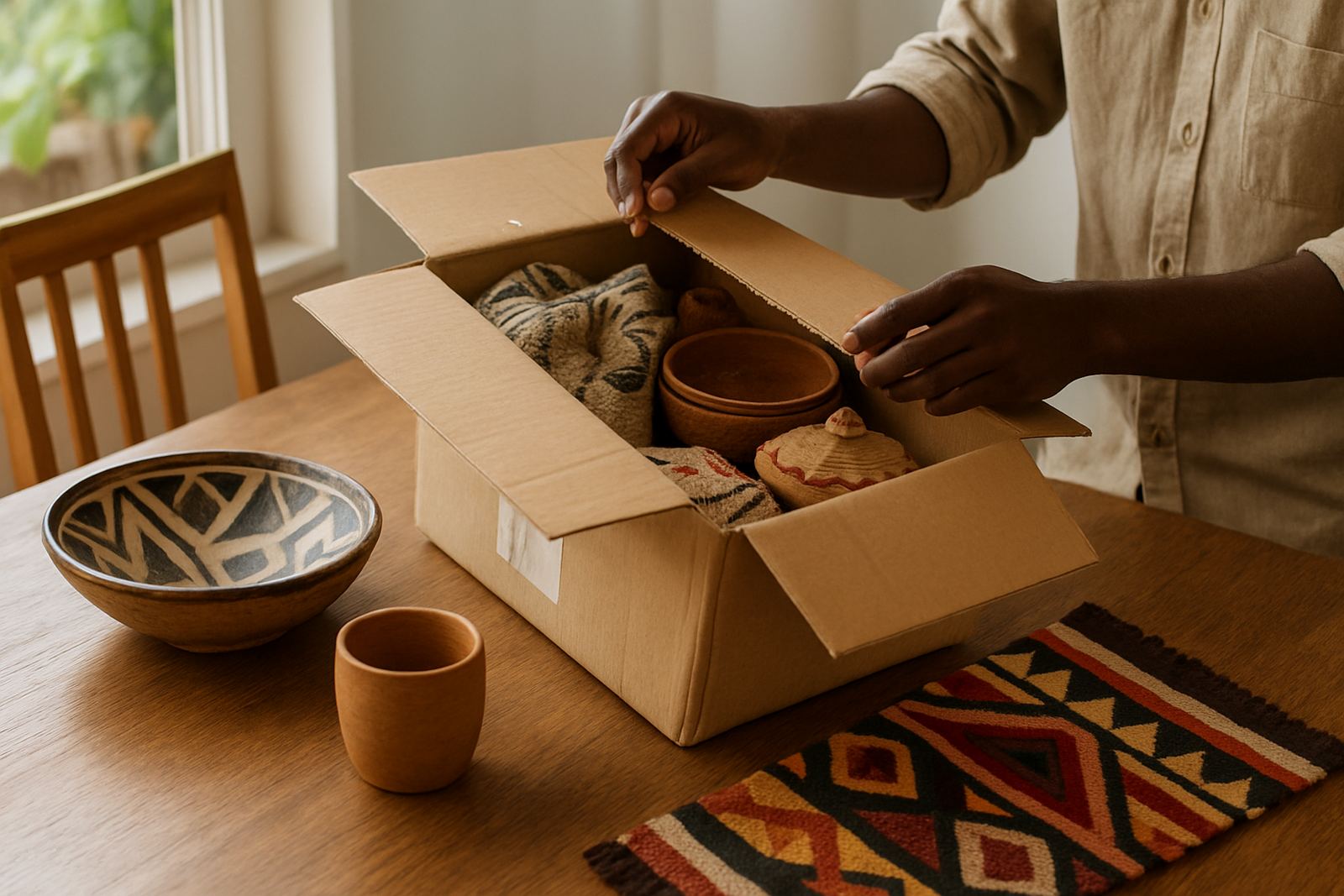
For venues working with local makers, provenance cards can add useful context for guests. They explain where the piece came from and who made it, which is especially helpful for boutique hospitality settings that want to tell a fuller story without overdoing the wording.
How hospitality teams can buy ceramics with less waste
Good buying starts with samples and honest testing. Put the pieces through a real shift, not just a quick look in the office. Check how they sit on tables with tablecloths and on bare surfaces, how they fit into dishwashing baskets, and whether staff can carry them safely when service gets busy. This is where small issues usually show up.
Bulk order planning also helps reduce waste. Ordering only the pieces that are actually used every week keeps storage simpler and lowers breakage from overhandling. For venues with seasonal menus, it can make sense to refresh a few shapes or colours at set times rather than changing everything at once. That is especially useful for lodges and restaurants that see higher traffic during holidays and long weekends.
We often advise hospitality clients to keep the core range practical and add a smaller edit for private events or seasonal dining. That way the table still feels considered, but stock control remains manageable and replacements are easier to source when needed.