

Start With the Job the Piece Must Do
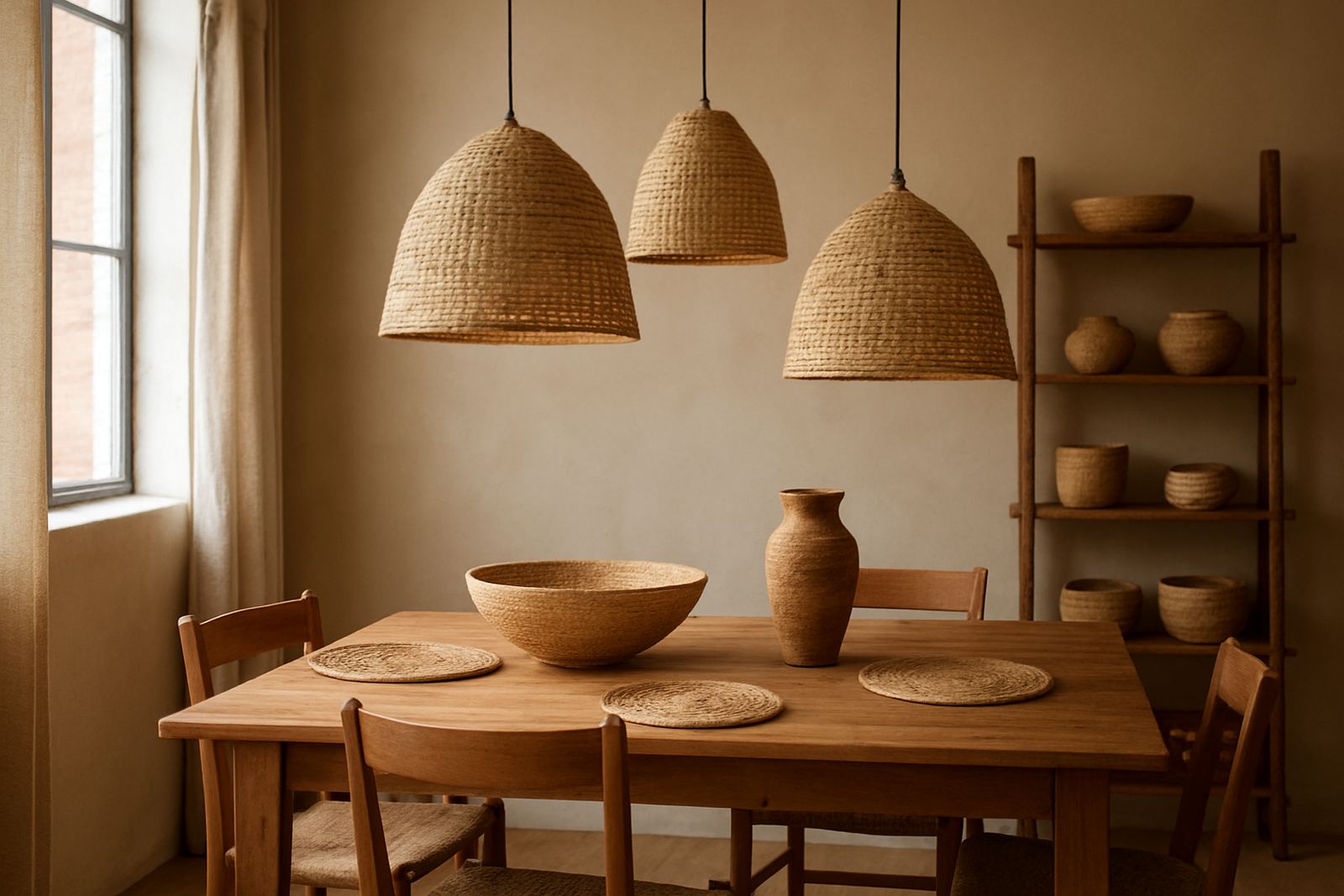
Before you choose a textile, bowl, basket or decorative piece, decide where it will live and how it will be used. A throw for a cool Johannesburg lounge needs different weight and weave from a coastal home in Durban, where humidity can affect fibres and finishes. Ceramics for a guesthouse in Cape Town should be checked for everyday washing, while display pieces for a Pretoria reception area may need a stronger focus on colour and shape than heavy use.
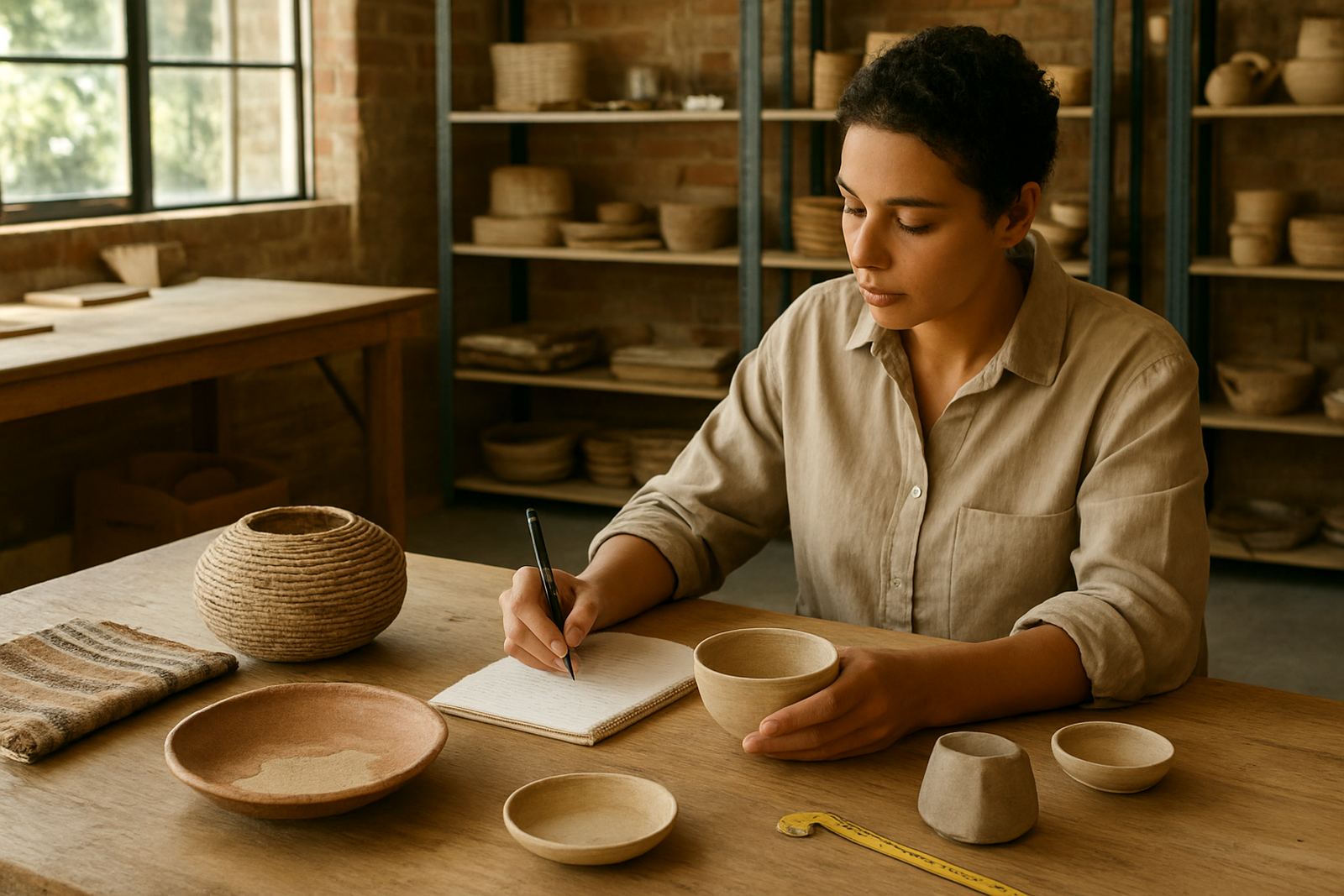
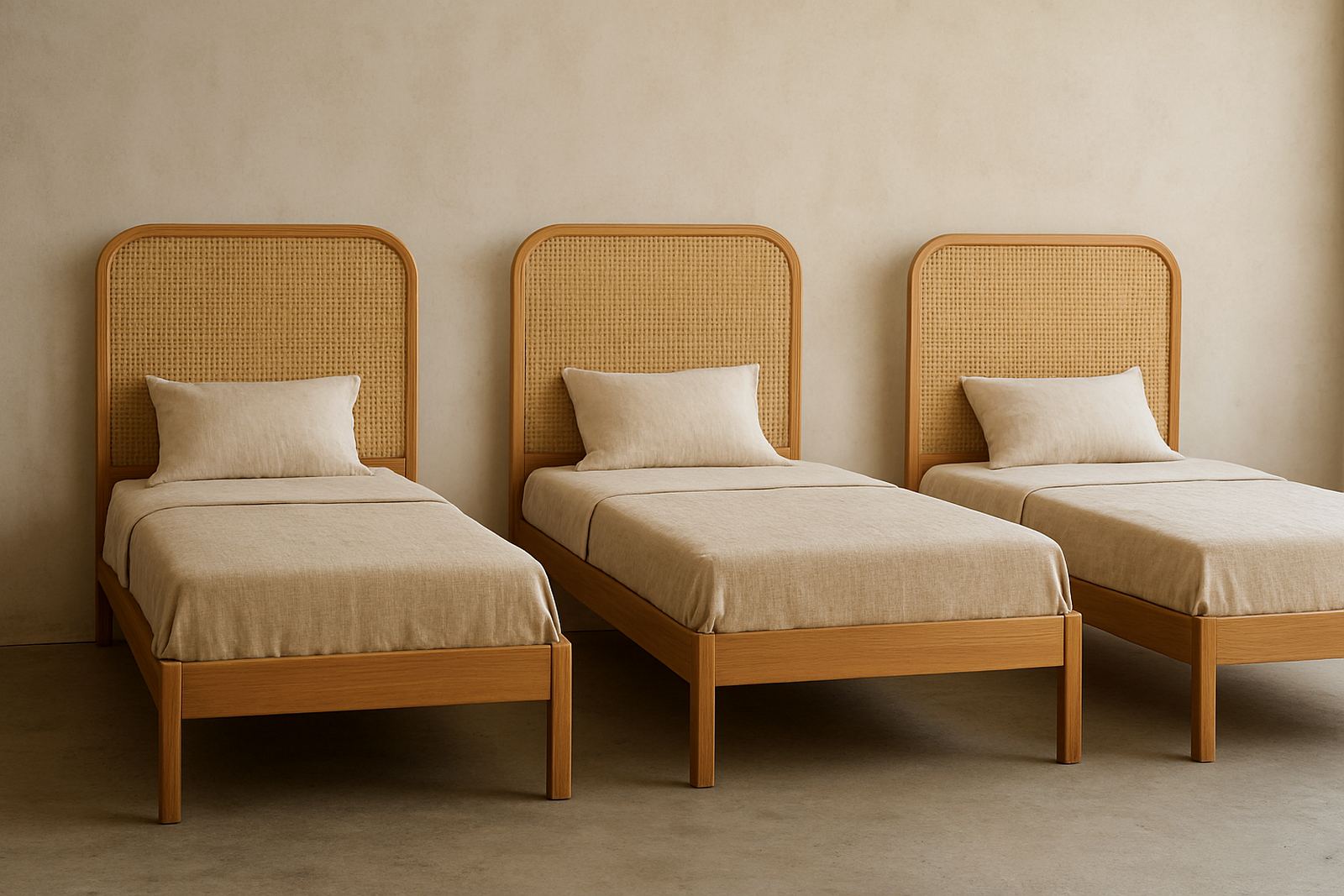
Think about size in practical terms. Measure tables, shelves, couches, wall space and packing space, then compare those numbers with the product details. If you are ordering for a hospitality project or a retail floor, it helps to allow a little extra room for variation, because handmade work can differ slightly from piece to piece. That variation is part of the value, but it should still fit your use.
What to Check Before You Buy Handmade Textiles
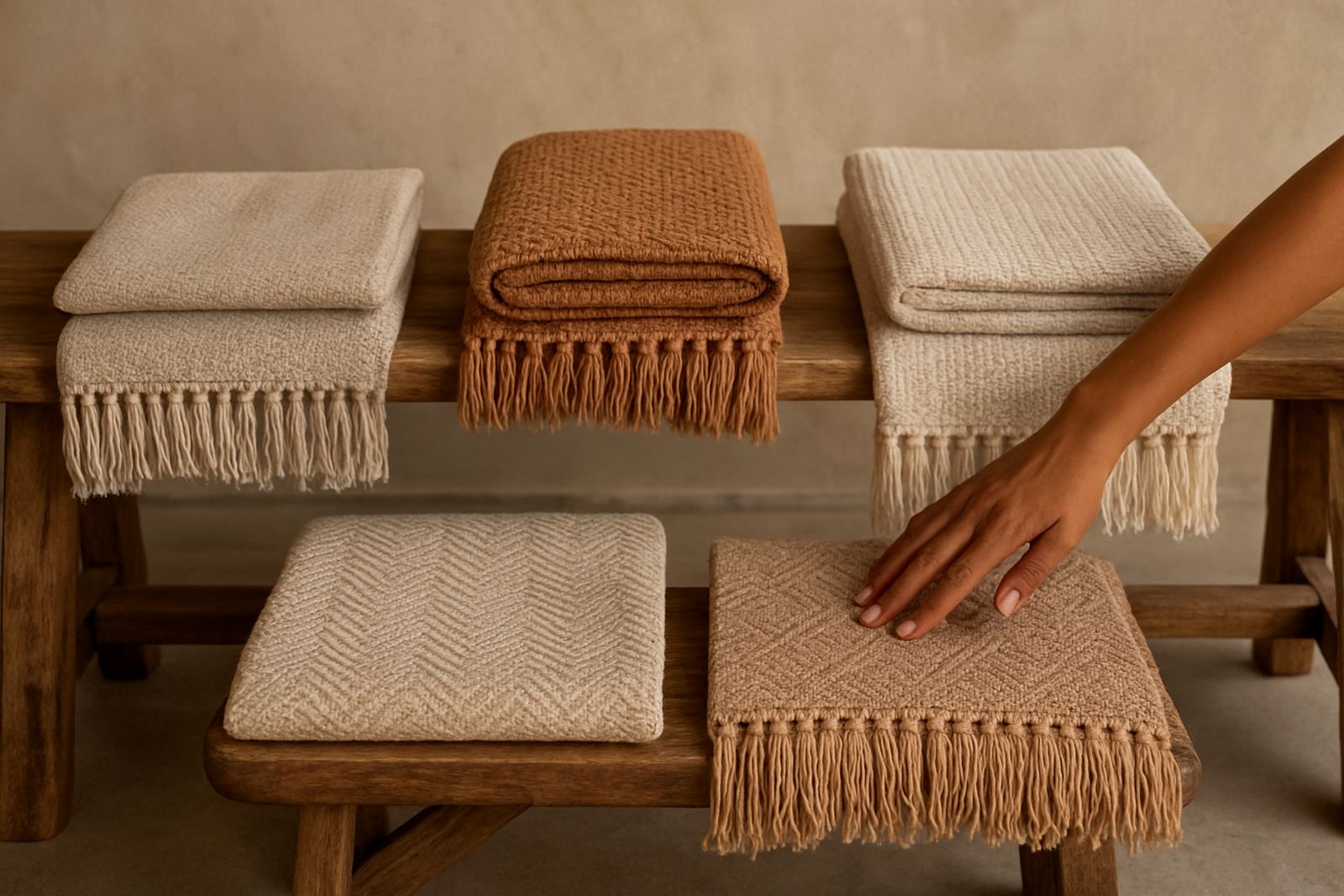
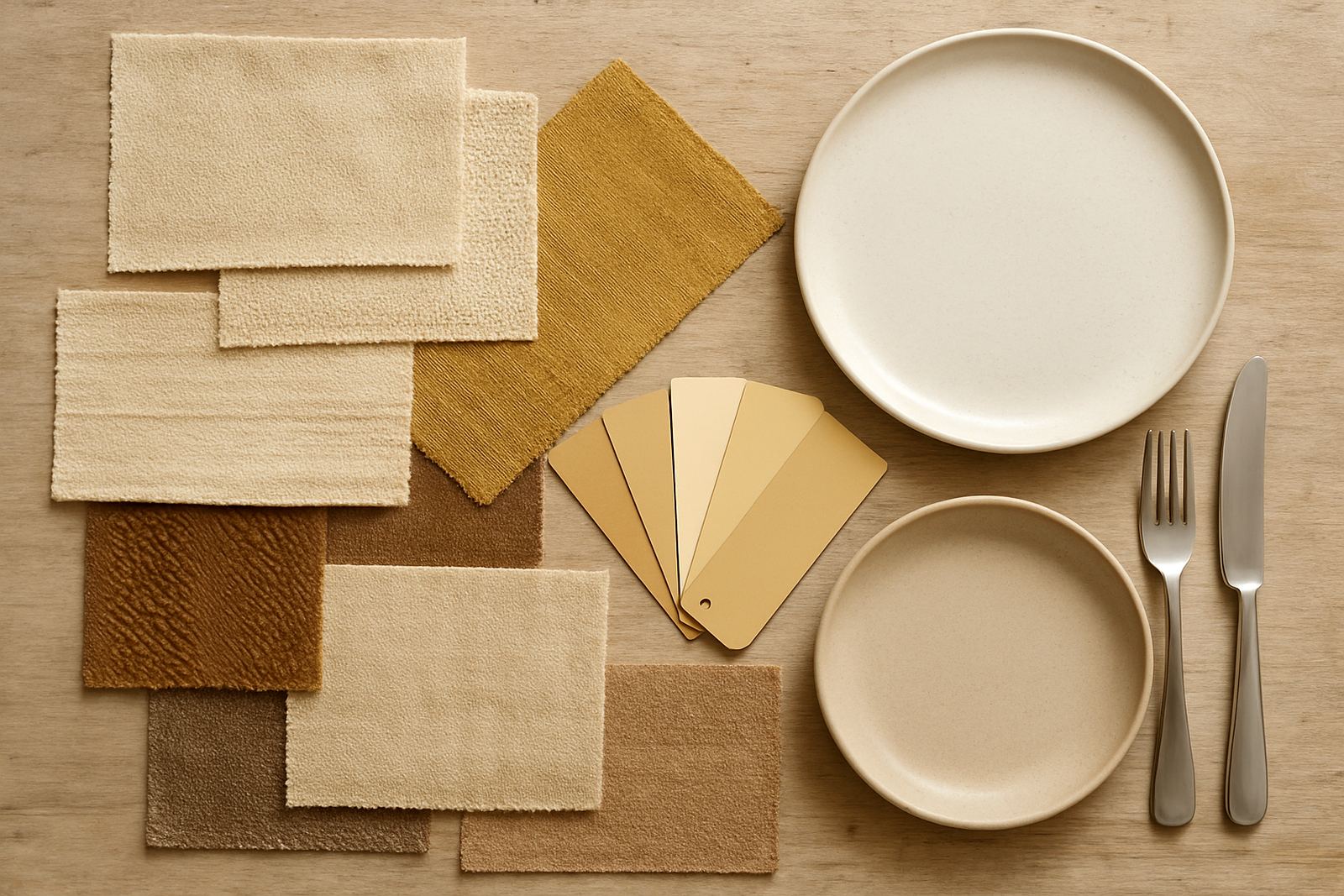
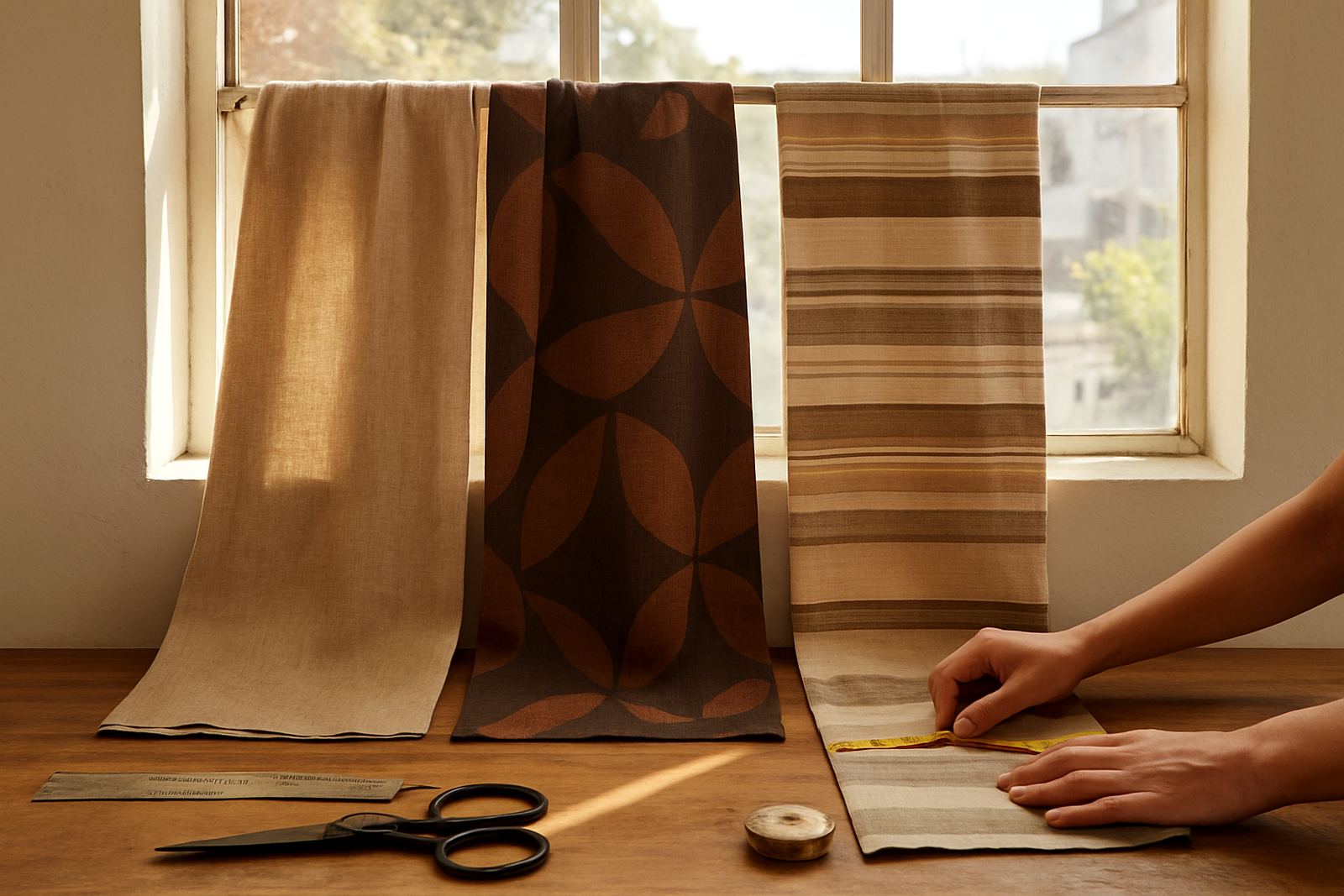
Textiles are often bought by eye, but function matters just as much. Ask about the fibre content, weave density, wash care and colour fastness, especially if the item will be handled often or used in strong sunlight. Natural fibres can soften beautifully over time, though some need gentler washing and careful drying. If you are buying for a holiday letting in Gqeberha or a home near the coast, make sure the piece can handle regular airing and moisture changes.
- Confirm the size in metres or centimetres, not just by name.
- Ask whether the item is pre-washed, steamed or finished for daily use.
- Check if dyes may run, fade or transfer onto lighter fabrics.
- Find out the best cleaning method for stains, dust and storage.
For custom orders, request clear notes on repeat patterns, border placement and any small differences that may come from hand dyeing or hand weaving. That avoids disappointment later and helps with planning when you need several matching pieces.
Ceramics: Finish, Strength and Daily Handling
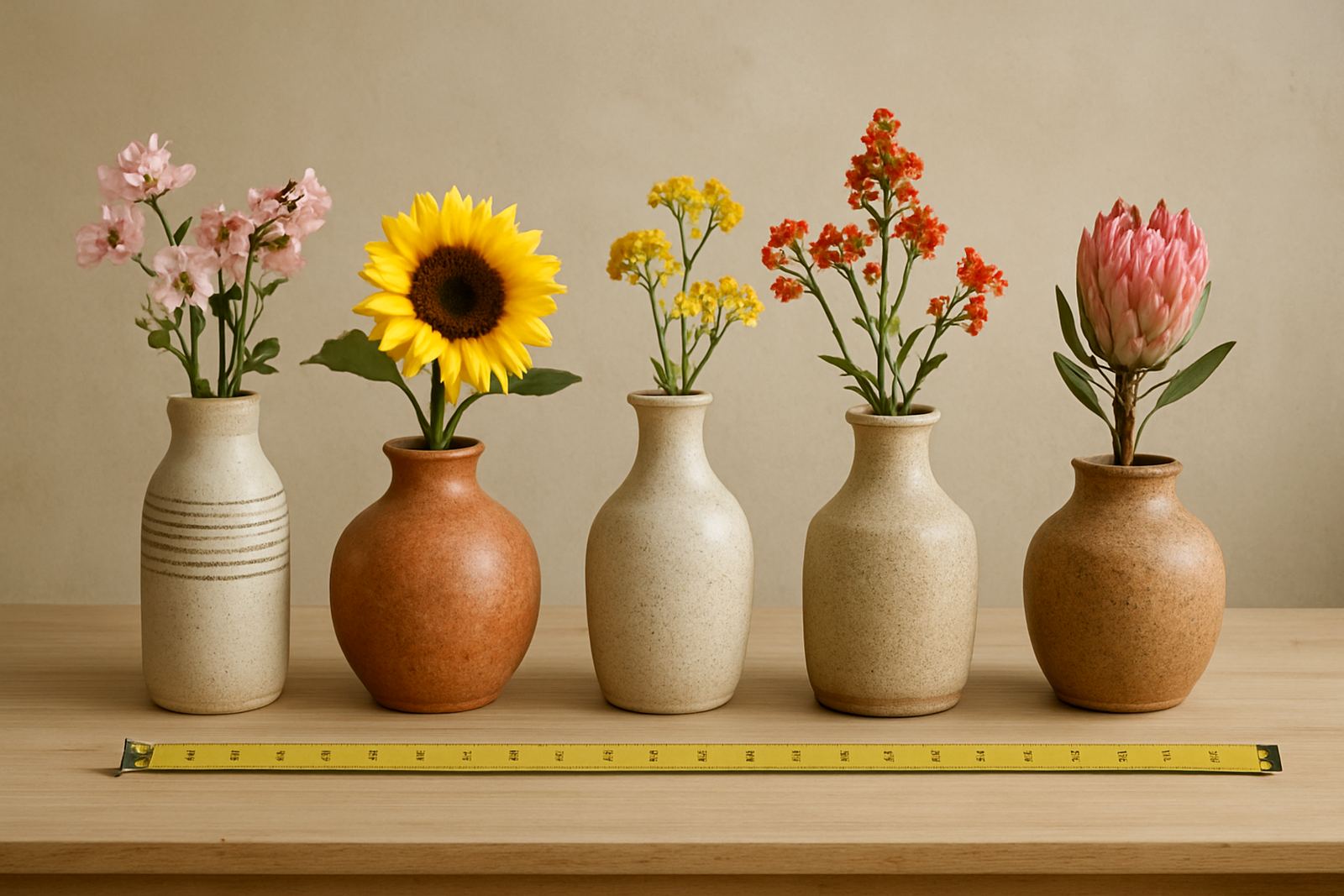
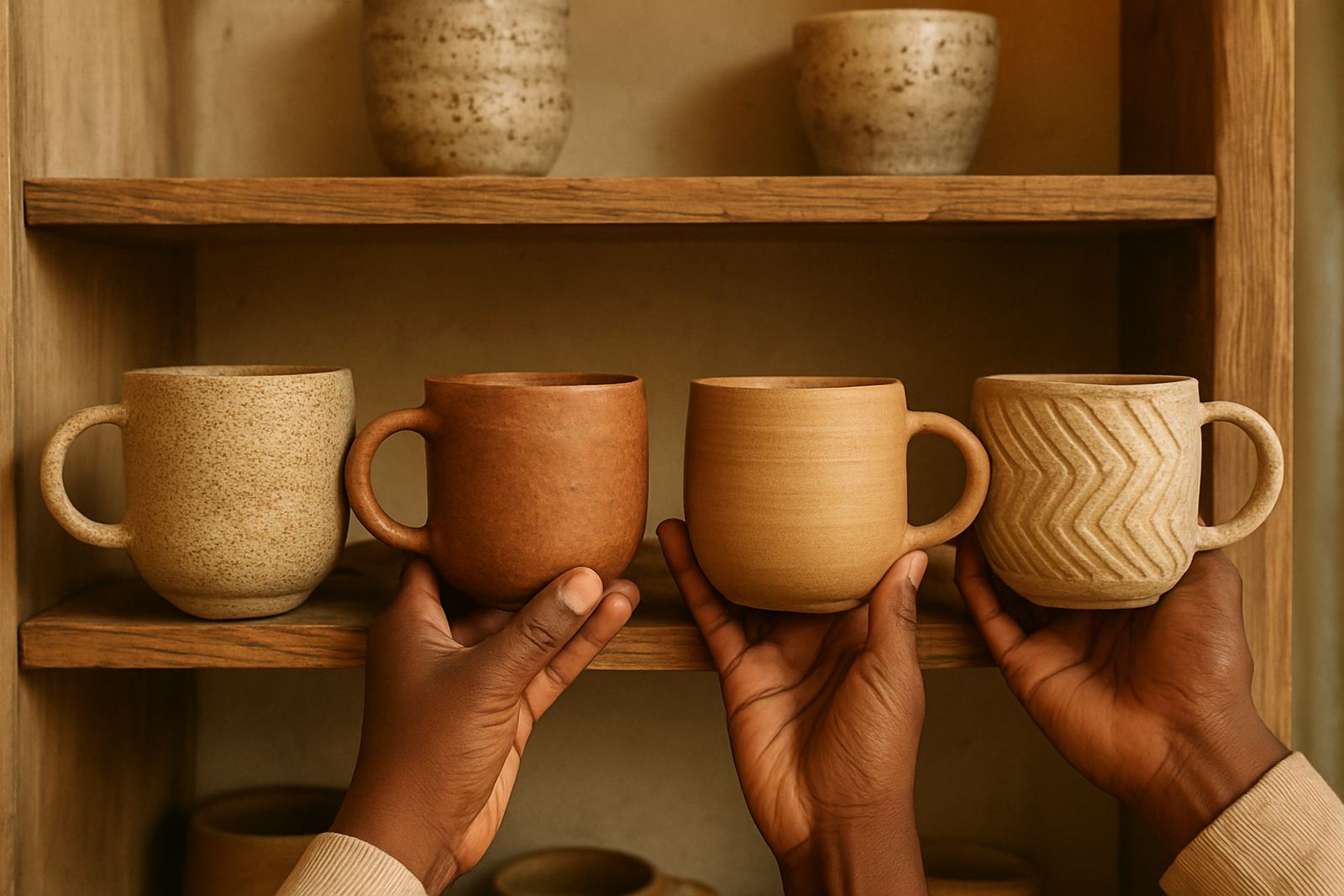
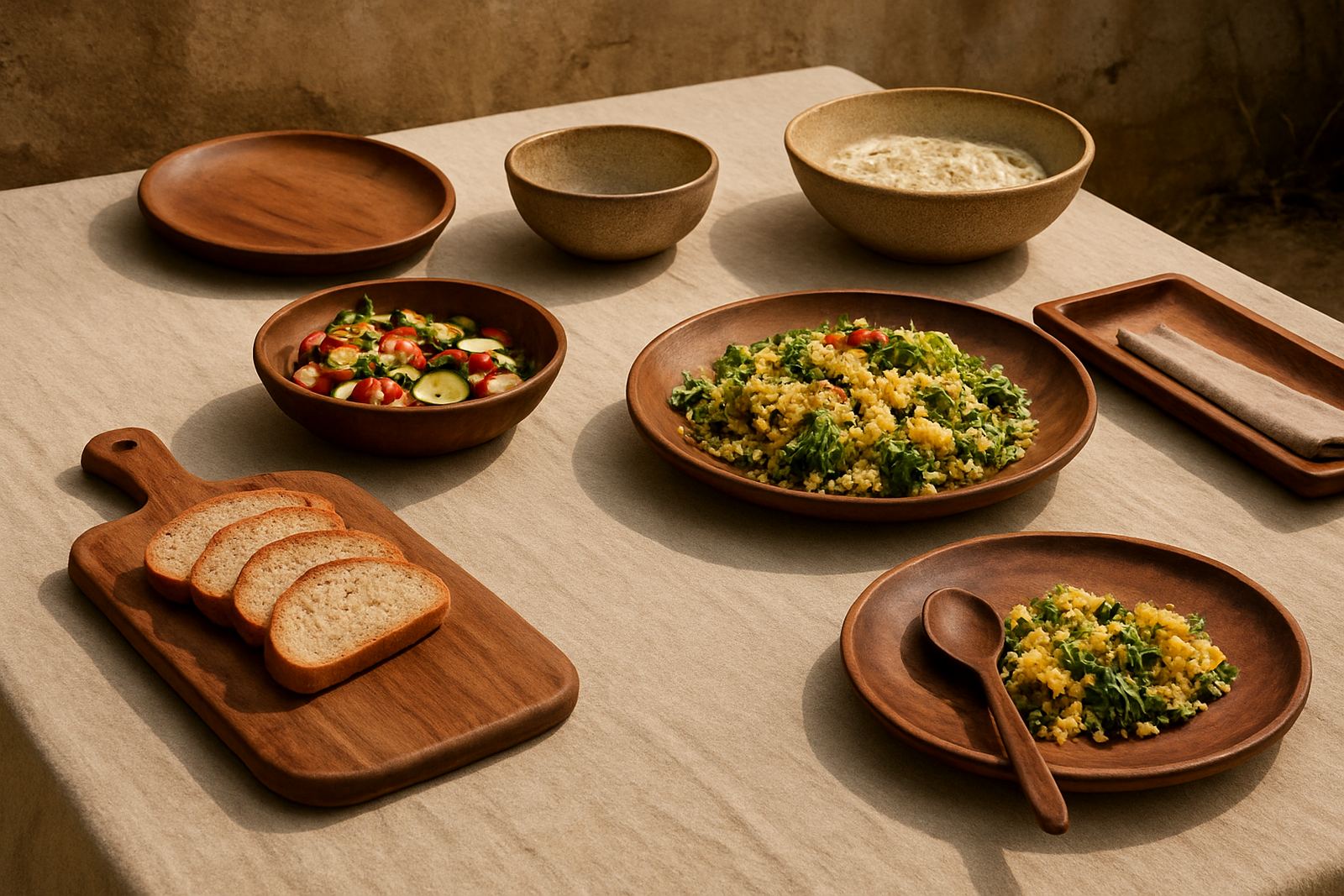
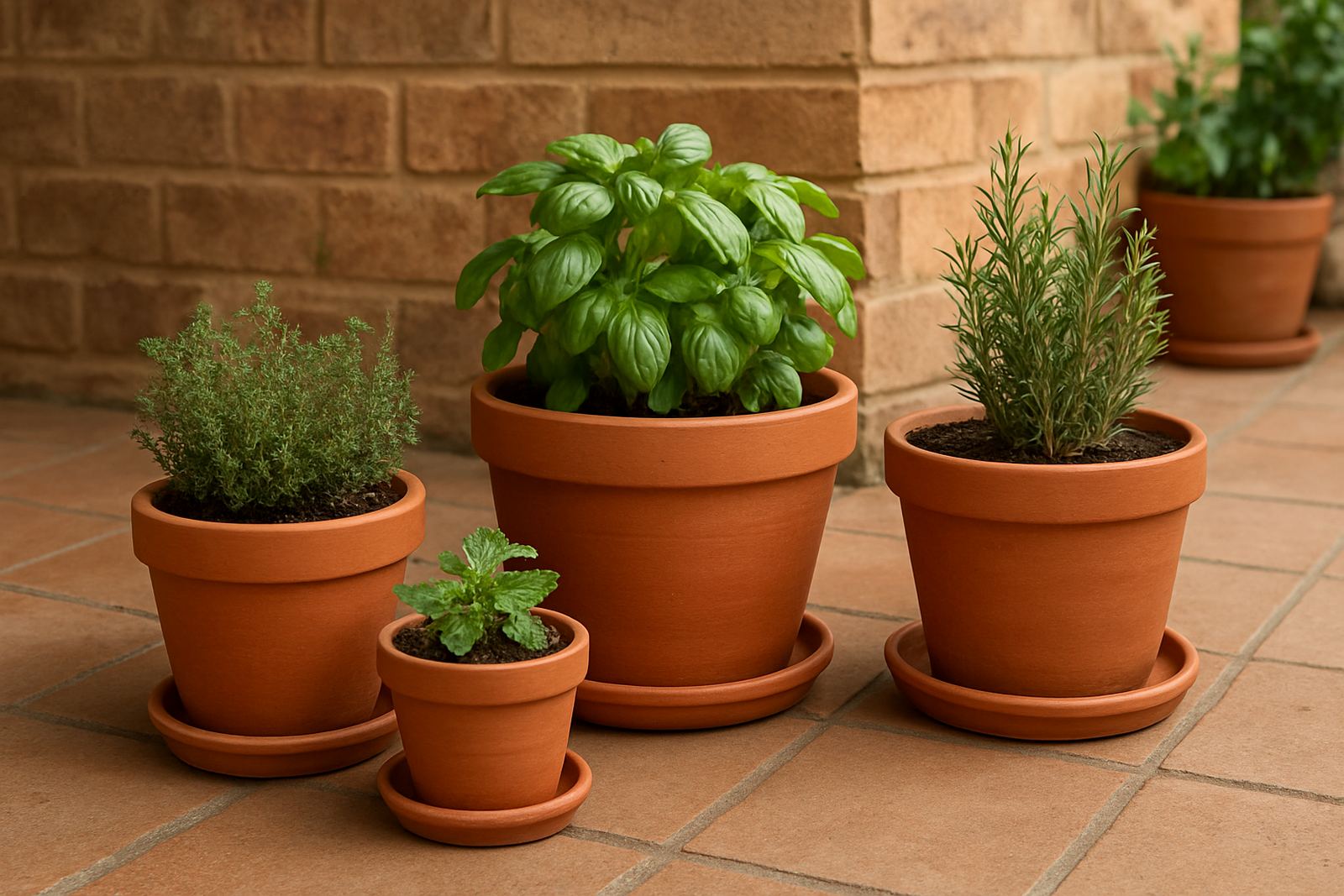
Ceramics should be chosen for the life you want them to have. Some pieces are made for serving food every day, while others are best kept for display or occasional use. Ask about glaze finish, chip resistance, weight and whether the piece is suitable for hot food, cold food or washing by hand. If you are furnishing a restaurant in Sandton or a guest house in Midrand, consistency across a set matters, but you should also expect slight variation in tone and shape.
Look closely at the rim, base and handle if there is one. Those are the places where wear shows first. A heavier mug may feel sturdy, but it can also be less practical for large hospitality orders. A lighter bowl may stack better for storage in a busy kitchen. If you need export packing, ask how each item is wrapped and boxed so that the finish arrives intact after courier handling.
Questions to Ask About Craftsmanship and Origin
Good buying starts with clear information. The more you know about how a piece was made, the easier it is to decide whether it suits your space, your budget and your values. Ask where the maker is based, which materials were used and whether the work is fully handmade or partly finished with tools. Provenance cards are useful for retail, gifts and hospitality because they help explain the item without overloading the customer.
- Who made the piece and where was it produced?
- What materials were used, and are they locally sourced or mixed?
- Is the item one of a kind or part of a small batch?
- Can the maker produce more units if you need a repeat order?
These questions are especially useful for wholesale, collection consultations and seasonal editing, where you need a balance between story, supply and price. They also help you compare options across makers from different parts of Africa without losing sight of quality.
Buying for Gifts, Hospitality and Bulk Orders
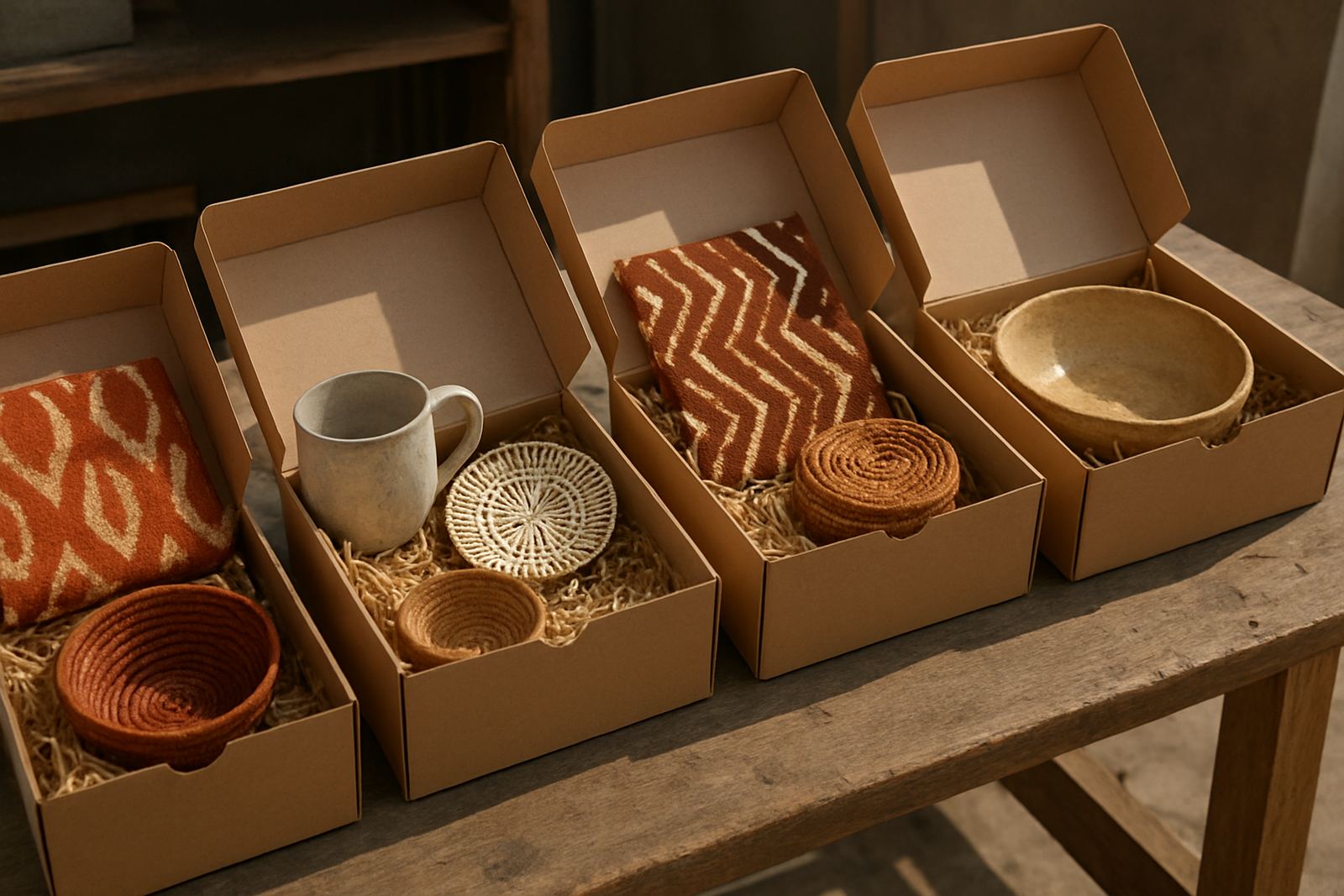
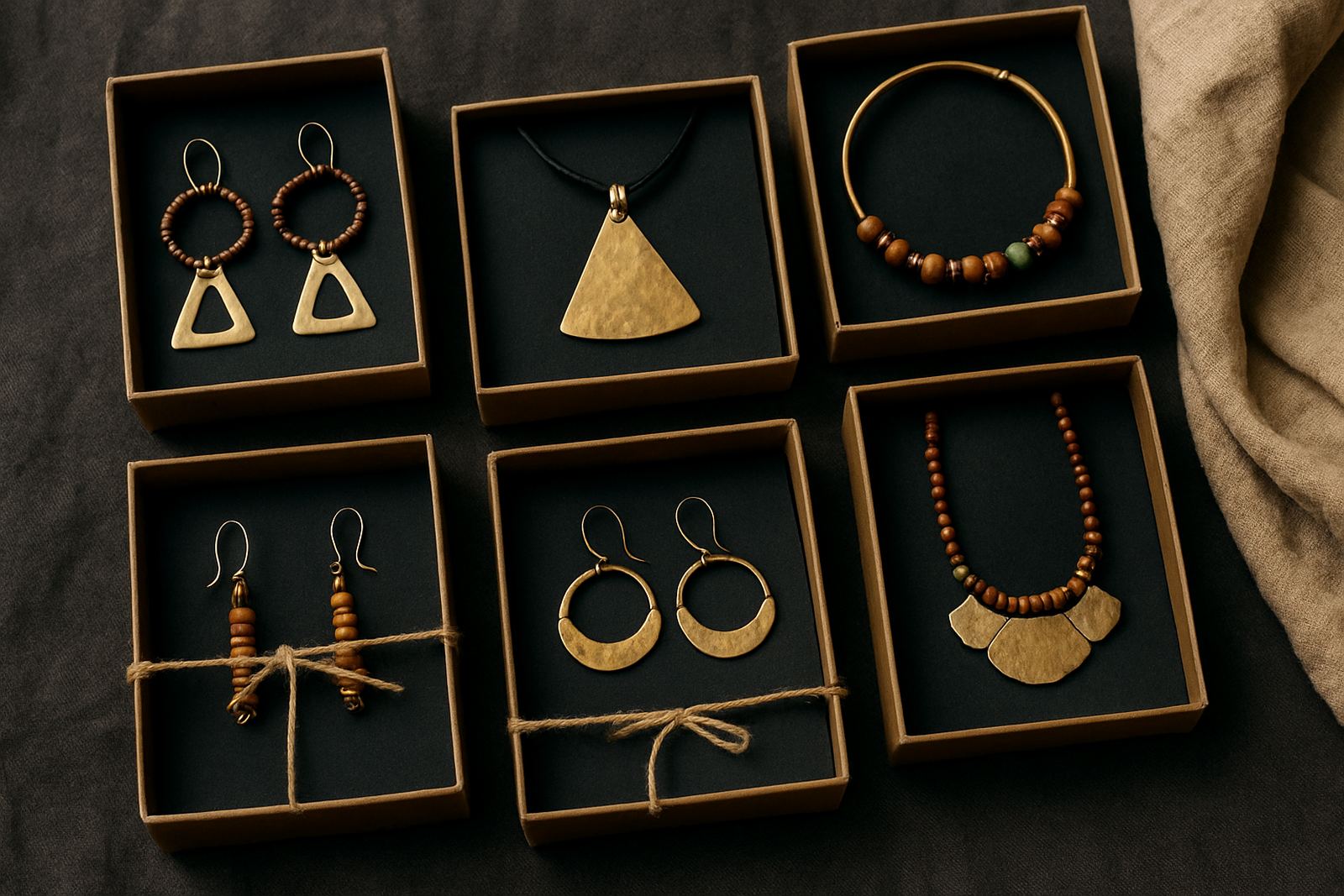
When you are buying for a boardroom, lodge, wedding or corporate gift, the main concern is not only beauty but consistency and timing. Gift packing should protect delicate corners and surfaces, while bulk order planning should leave room for hand-finished differences and lead times. If you need items for year-end gifting or a launch in Cape Town, Durban or Pretoria, start early enough for sampling, approval and final packing.
For hospitality styling, choose pieces that can handle regular handling, storage and cleaning. Neutral colours work well in shared spaces, while stronger colour blocks can lift a reception or dining area. If your order needs courier coordination or export packing, ask how the goods will be labelled, grouped and checked before dispatch so that your team can receive them without confusion.
Care, Storage and Long-Term Use
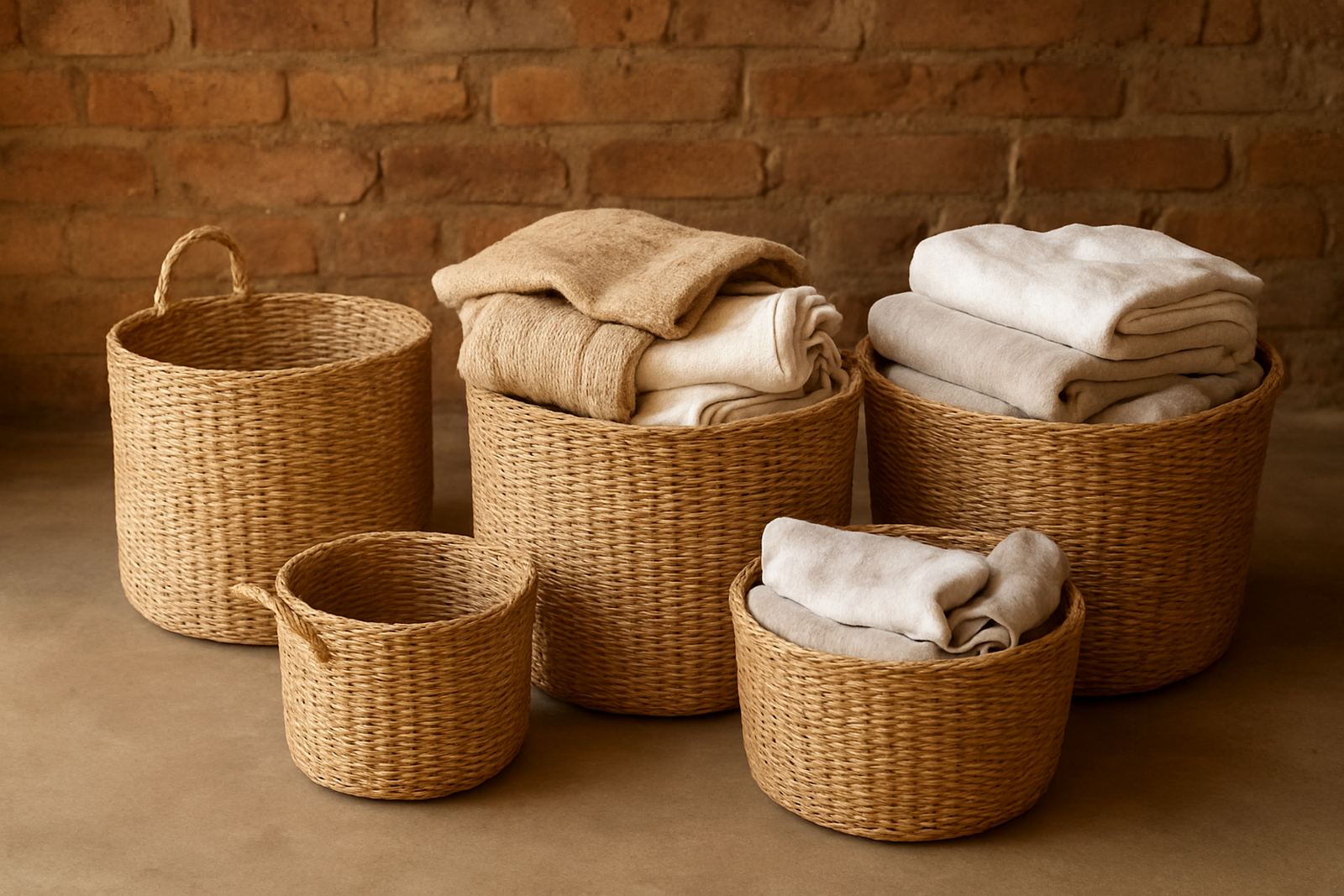
The best handmade goods last longer when they are cared for properly. Store textiles in a dry place away from direct sun. Let ceramics cool before washing and keep heavy objects separate so they do not knock against each other. In humid areas, use breathable storage where possible, and avoid sealing natural fibres in tight plastic for long periods. For homes in Soweto or Maboneng with changing temperatures and load-shedding routines, simple storage habits make a big difference.
- Rotate displayed items so wear is spread across the collection.
- Use soft cloths rather than harsh scrubbers on glazed surfaces.
- Air textiles now and then to keep them fresh.
- Check for small chips, loose threads or surface marks before packing away.
If you are unsure how to look after a specific item, ask before you buy. A clear care note now saves replacement costs later and helps the piece stay useful for years.