
Start with drainage before you choose the look
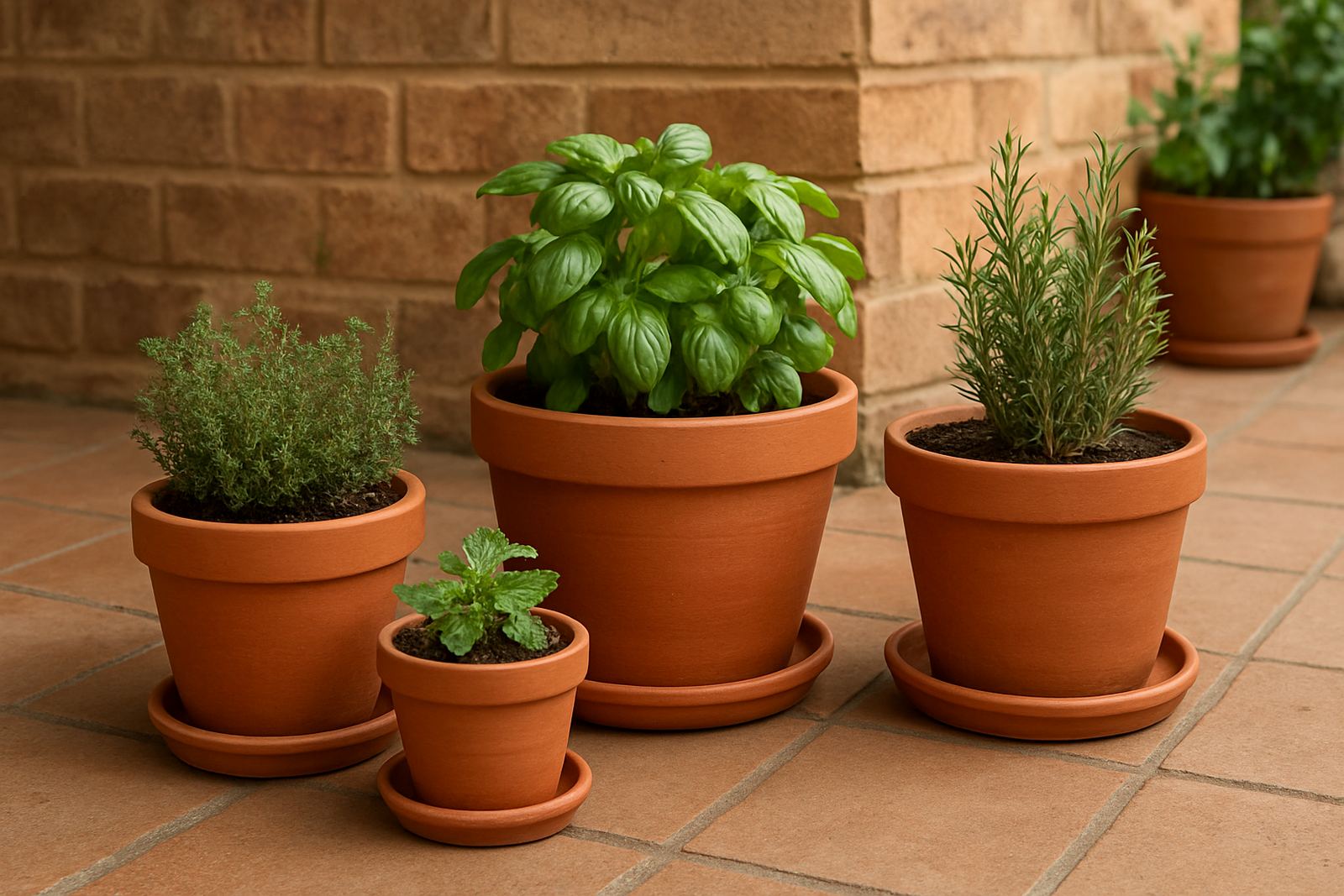
Drainage is the first thing to check because terracotta holds moisture in the wall of the pot and releases it slowly. That can help plants in hot, dry conditions, but it also means the planter must have a proper hole at the base and a saucer or stand where needed. For balconies in Johannesburg or Pretoria, good drainage matters even more when summer storms arrive fast and the soil can stay wet if the pot sits flat on a sealed surface.
If the planter will sit on a tiled stoep, a concrete floor or a timber deck, raise it slightly so water can escape and air can move under it. In coastal areas like Cape Town, Durban and Gqeberha, choose a position where the pot does not collect salt spray or constant damp. A planter with blocked drainage can crack faster and the plant roots can suffer, so check the base before you buy.
- Look for a clean drainage hole, not a thin pinhole.
- Use pot feet, pebbles or a raised tray where water marks matter.
- Match the drainage to the plant’s watering needs, not just the room it will sit in.
Choose the right size for the plant you actually have
A common mistake is buying a planter for the space rather than for the root ball. Measure the plant pot or root mass first, then choose a terracotta planter that gives enough room for growth. As a rough guide, go one pot size up for small herbs and succulents, and two sizes up for shrubs or plants that need more root room. If you are planting directly into the terracotta, allow extra depth for soil and watering space.
For indoor corners, smaller planters can dry out quickly near sunny windows, air-conditioning or load-shedding fans that stay off for hours then come back on. Large planters keep moisture longer, but they are heavier and harder to move once full. If the planter will be used in hospitality spaces, retail displays or courtyards, think about how often it must be shifted for cleaning, events or seasonal changes.
- Small herbs and succulents: compact planter with good airflow.
- Medium leafy plants: deeper pot for root spread and even watering.
- Large feature plants: check the finished weight before choosing a spot.
Check the surface finish for the place it will stand
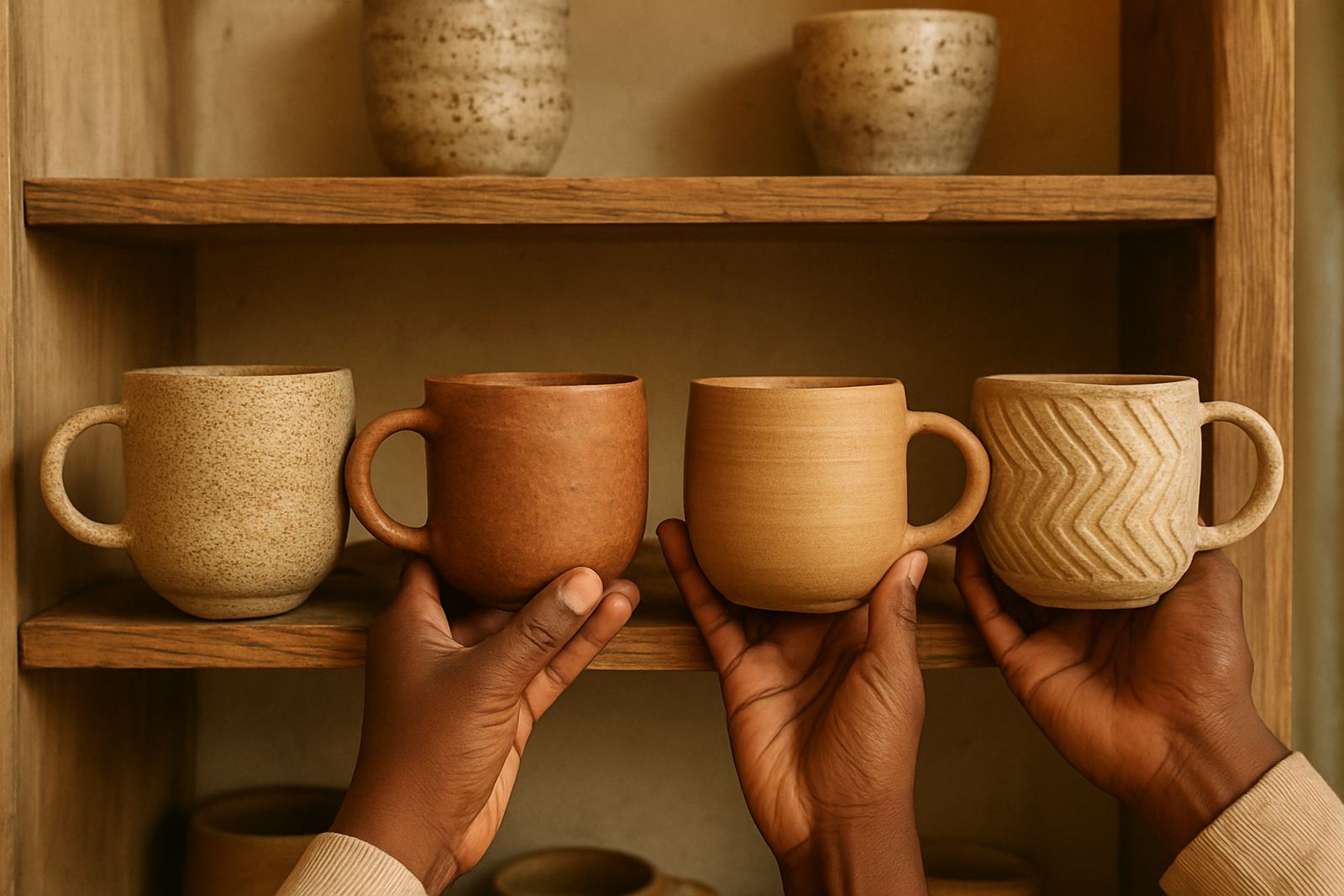
Terracotta can be left raw, lightly brushed or finished with a decorative surface. The finish changes how the planter performs and how it wears over time. A raw finish breathes more freely and suits plants that prefer fast drying soil. A smoother finish is easier to wipe clean, which helps in kitchens, guest areas and shop floors where dust shows quickly. If the planter will stand outdoors, remember that unsealed terracotta can mark floors when it is wet, especially on pale tiles or polished stone.
In warmer inland areas, raw terracotta often works well because the pot cools the roots and dries at a steady pace. Near the coast, though, the surface may show mineral marks sooner if it gets constant mist or sea air. If the planter is for hospitality styling, ask how much handling it will get and whether it needs a surface that hides scuffs. A slightly textured finish can be useful where people pass close by, while a more refined surface suits a formal entrance or reception area.
- Raw finish: better airflow, natural look, more marking on floors.
- Smoother finish: easier cleaning, neater presentation, less dust build-up.
- Test the base for stability so the pot does not rock on uneven paving.
Place the planter according to light, wind and heat
Where the planter sits is just as important as what goes into it. Terracotta works well in bright spots, but full afternoon sun can dry smaller pots very quickly in summer. On a west-facing ledge in Midrand or Soweto, a plant may need more frequent watering than the same plant on a shaded courtyard wall. If the planter will stand outdoors in a windy spot, choose a heavier pot or a wider base so it does not tip.
Indoors, avoid placing terracotta directly on carpet or untreated wood without protection under the base. The moisture that moves through the clay can leave rings and marks if the surface is not protected. For commercial spaces and homes with pets or children, keep larger planters where they will not be knocked over during movement through passages or near doorways. If you are planning a grouping, stagger the heights so each planter gets enough light and airflow.
- South-facing or shaded spots: good for plants that dislike harsh sun.
- West-facing spots: check moisture often in hot months.
- Windy courtyards: use wider, heavier planters for stability.
Use this quick buying checklist before you place the order
Before you buy, confirm the details that affect daily use and long-term care. Ask whether the planter has a drainage hole, how it is finished, what the inner depth is and whether the base is flat enough for your surface. If you are ordering for a home, guesthouse, restaurant or retail space, count how many planters are needed and whether they should match in size or vary for a more layered look. For export orders, packaging matters too because terracotta can chip if it is packed too tightly or left loose in a box.
It helps to think ahead about watering, cleaning and movement. A planter that looks right in a showroom may be awkward once it is filled with soil and placed in a corner with poor access. If you need several units for a project, allow for slight variation in colour, texture and thickness, since handmade terracotta often carries natural differences. That is part of the character, but it should still be strong enough for everyday use.
- Measure the plant and the final spot before ordering.
- Check drainage, base stability and surface finish.
- Confirm whether the planter will live indoors, outdoors or under cover.
- Ask how it should be packed if it is travelling between provinces or overseas.
Caring for terracotta after the first planting
Terracotta is practical when you give it a little routine care. Brush off dust, empty any standing water from saucers and check for white mineral marks after heavy watering or rain. If the planter sits outdoors in Pretoria or Durban, rinse it occasionally and let it dry fully before moving it back into a protected area. In winter, reduced watering helps stop soggy soil from staying cold for too long.
When repotting, inspect the inside for root build-up and the outside for hairline cracks. Small marks are normal and often add character, but deep cracks or loose sections need attention before the planter is used again. If the pot is for a seasonal display, gift packing or hospitality styling, store it where it will not get banged against hard edges. A well kept terracotta planter lasts longer and keeps looking good without needing much fuss.
- Wipe mineral marks with a soft cloth and mild water only.
- Empty saucers after rain or heavy watering.
- Store spare planters upright, not stacked loosely.