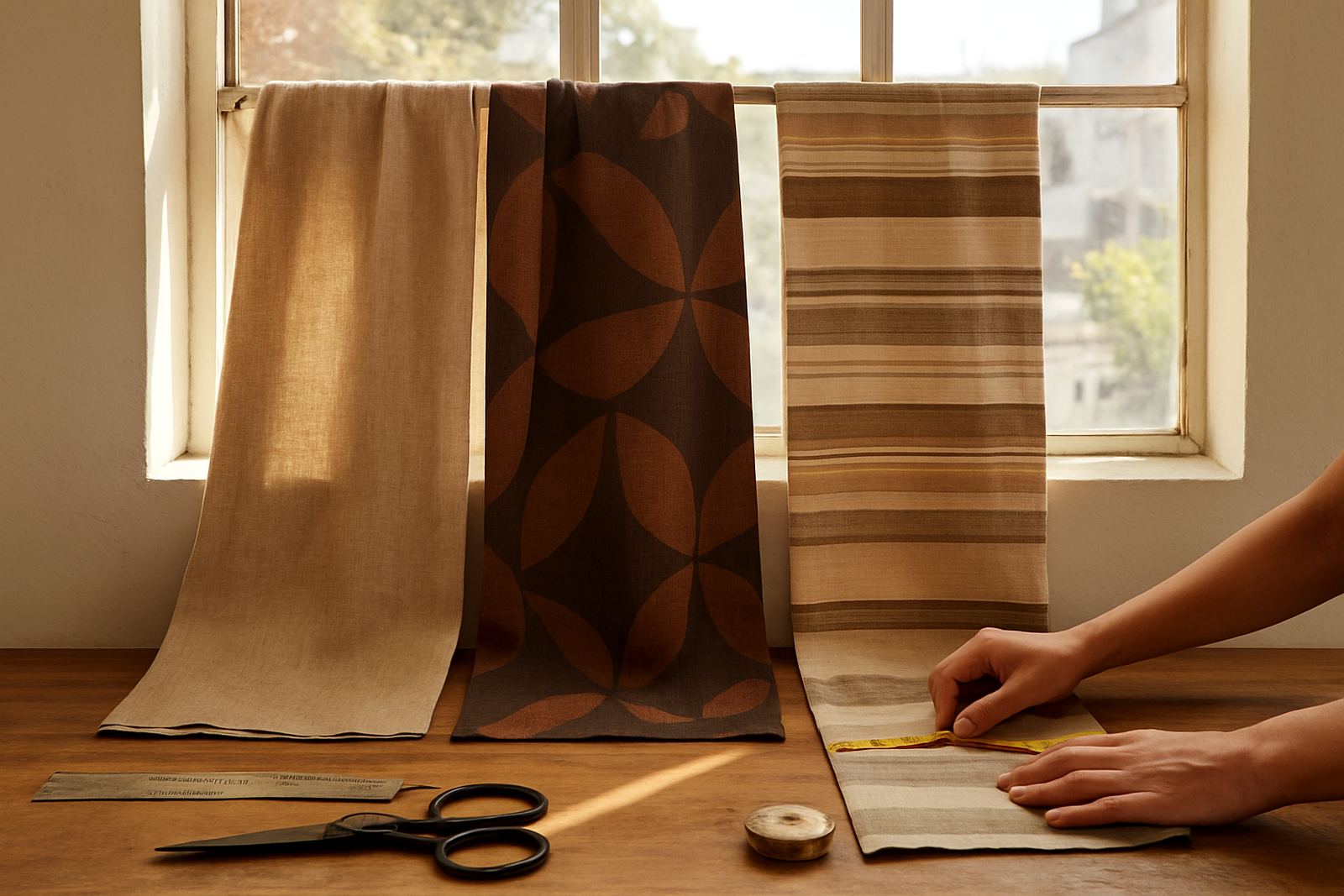

Start with the wall, not the wishlist
Before you choose a wall hanging, measure the wall and look at what sits around it. A piece that works in a Maboneng apartment may feel too small in a double-volume lounge in Sandton, while a large woven panel can overpower a narrow passage in Pretoria. Stand back and check the wall width, ceiling height and nearby furniture so the artwork sits with the room instead of fighting it.
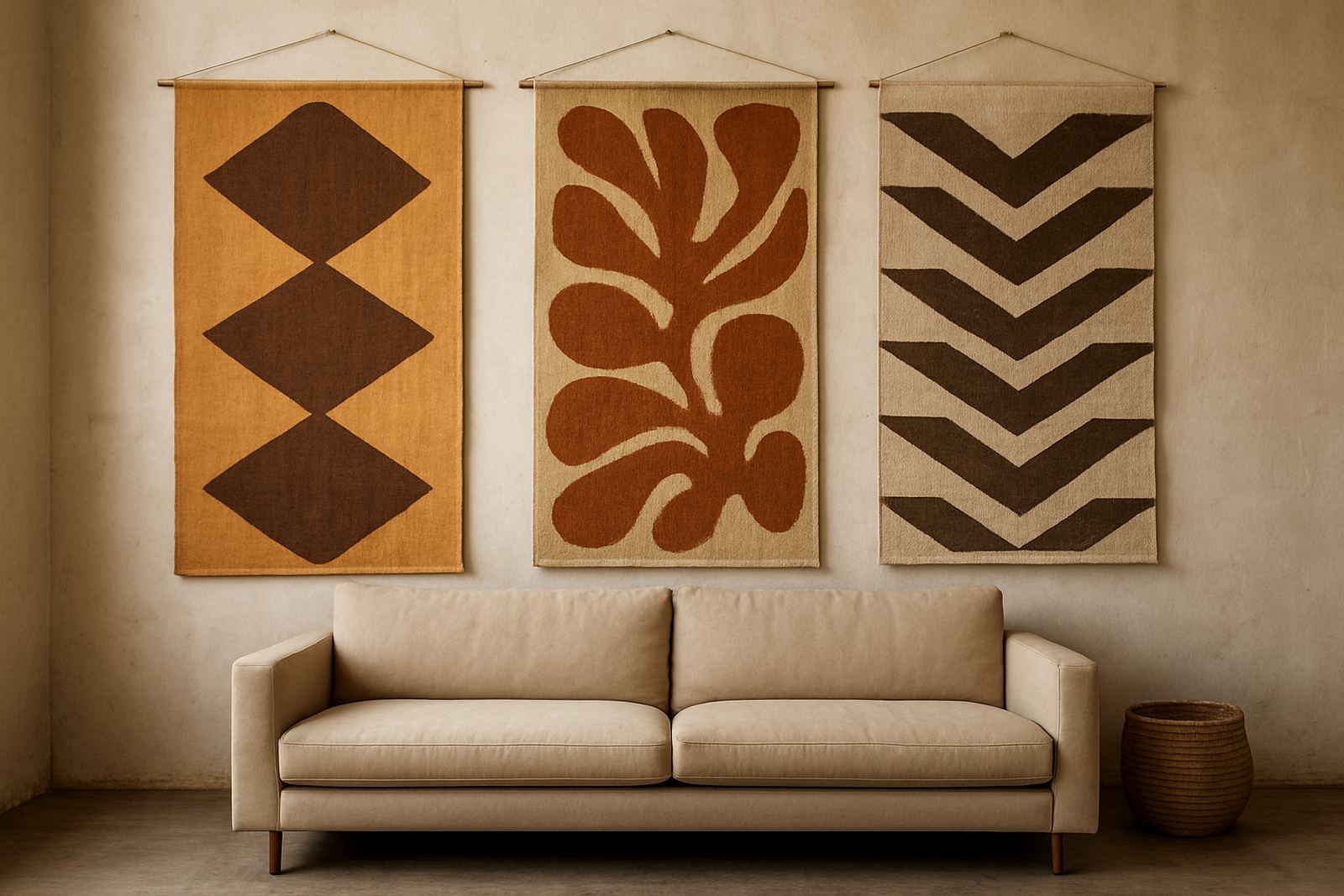
For a sofa wall, a good starting point is a hanging that spans about two thirds of the furniture width. Above a bed, leave enough space so the bottom edge does not crowd the headboard. In a hallway or stairwell, taller vertical pieces often work better than wide ones because they guide the eye upward and keep movement easy.
- Measure the full wall width and height in metres.
- Note windows, switches, picture rails and aircon units.
- Check how far the wall gets afternoon sun or coastal moisture.
- Decide if the piece must sit above furniture or stand alone.
Choose scale that suits the room's use
Scale is not just about size, it is about presence. In a busy family room or hospitality space, a larger woven hanging can anchor the room and reduce visual noise. In a bedroom, study or reading corner, a smaller piece may feel calmer and easier to live with. If you are fitting out guest rooms or boutique hospitality in Durban or Gqeberha, consider how the room sounds as well as how it looks. Soft fibres can help take the edge off echo in tiled or plastered spaces.
Think about daily movement too. A wall hanging near a passage or seating area should not protrude too far or swing where people brush past. If the piece has long fringe or loose ends, keep it away from strong draughts, fans and open windows. For homes with children or pets, ask about secure mounting and whether the work needs a protective gap from high traffic areas.
- Large room, large wall or open-plan space: choose a statement piece or grouped panels.
- Small room or narrow wall: choose a compact or vertical format.
- Low furniture below: leave breathing space above it.
- Busy corridor: keep the edges neat and the hanging secure.
Match colour to the room's natural light
Colour behaves differently in Cape Town morning light, Johannesburg winter sun and shaded north-facing rooms. A wall hanging with earthy tones can warm up a cool room, while brighter threads can lift a darker corner. If the room already has strong patterned cushions, rugs or curtains, a quieter weave may be the better choice. If the room feels plain, the hanging can carry more colour and texture.
Try to repeat at least one colour already in the room so the piece feels settled. It does not need to match exactly. A thread of rust, indigo, ochre or charcoal can connect the hanging to a pillow, a painted vase or a timber chair. If the room gets strong sun, remember that natural fibres and dyed threads may soften over time, so place the work where it will not get harsh direct exposure every day.
- Warm rooms often suit ochre, clay, sand and deep green.
- Cool rooms often respond well to indigo, rust, black and cream.
- Busy interiors often need one calm anchor colour.
- Simple rooms can carry more contrast and texture.
Check the hanging method before you buy
The hanging method matters as much as the design. Some wall pieces arrive ready to mount on a rod, some have loops, and some need careful framing or a hidden support. If you rent, or if the wall is plasterboard, ask how much weight the fixing points must take. In older homes and sectional title units, it is worth checking body corporate rules before drilling into common walls.
For heavier pieces, use proper wall plugs and fixings suitable for the wall type. On brick or concrete, the right anchor will hold far better than a simple hook. In homes dealing with load-shedding and occasional movement from fans or open windows, secure fixing matters because a loose hanging can shift over time. If the wall is on an exterior side, especially in coastal areas, allow for moisture and choose fittings that will not rust quickly.
- Ask what support the piece needs, rod, hooks or direct mounting.
- Confirm the weight if the hanging is large or layered.
- Match fixings to brick, concrete or plasterboard.
- Keep metal parts suitable for coastal humidity.
Use texture to improve acoustics and warmth
Wall hangings are useful where a room feels hard or echoey. Tiled floors, high ceilings and bare walls can make voices bounce around, which is common in apartments, restaurants and reception areas. A woven piece, especially one with thickness and layered fibre, can soften that sound and make the room feel more settled. It will not replace proper acoustic treatment, but it can help.
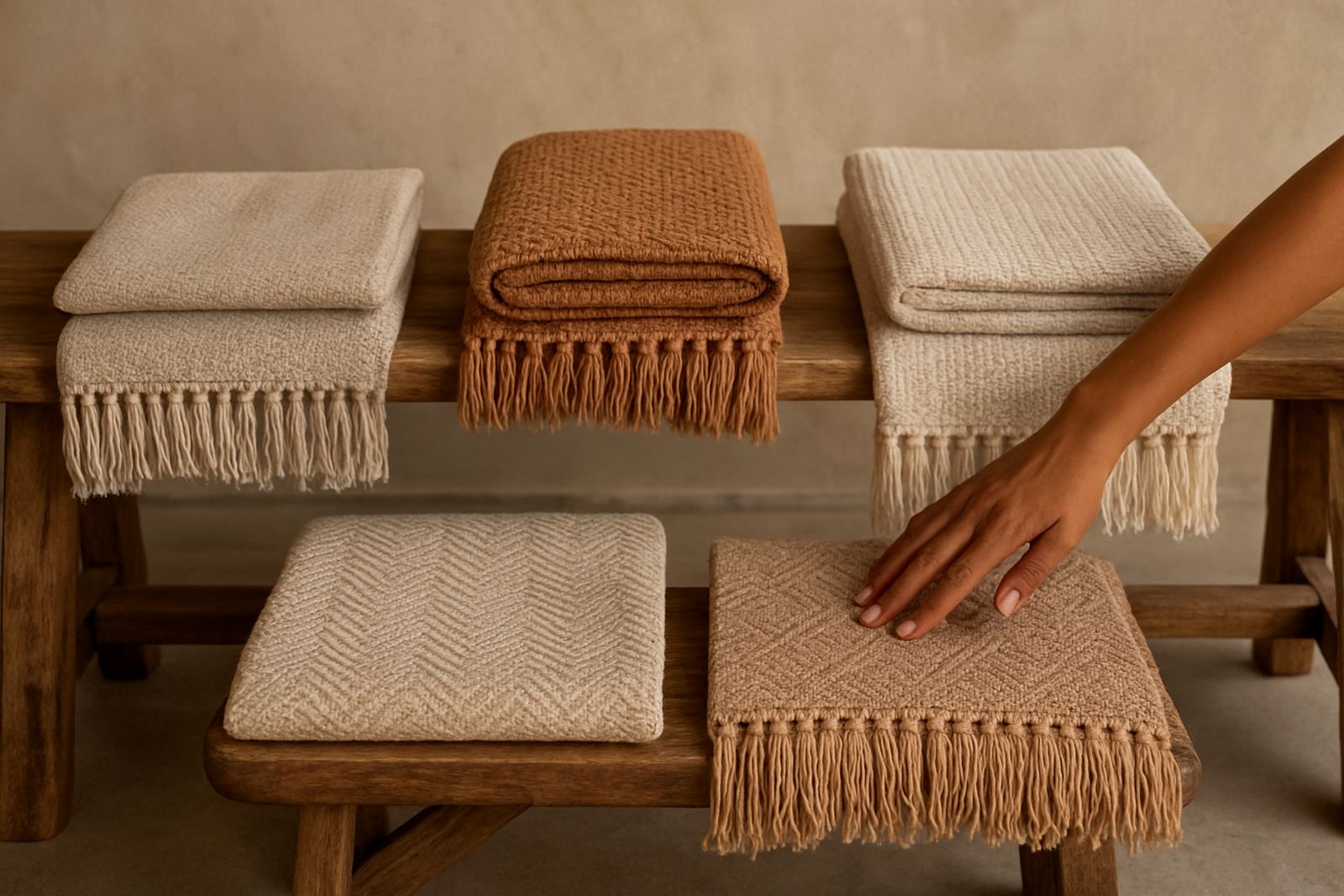
Texture also changes how the room feels in winter and in air-conditioned spaces. A dense weave, stitched surface or mixed-fibre panel brings visual warmth without needing more furniture. This is useful in compact homes, hospitality spaces and retail settings where floor space is limited. If you are buying for a site that hosts many people, choose a finish that can be dusted gently and does not trap debris too easily.
If you need a piece for a lodge, guesthouse or showroom, think about first impression from the doorway. A wall hanging should read clearly from a distance, then reward closer viewing with detail. That balance is often what makes a room feel considered instead of crowded.
Final checklist before you place the order
Once you have the size, colour and mounting details sorted, check the practical side one more time. A good wall hanging should suit the room, the wall and the way you live. If you are buying for a gift, ask for gift packing and a provenance card so the recipient understands where the piece came from and how it was made. For bulk orders, hospitality styling or retail wholesale, keep the same checks for every room so the collection feels consistent.
- Have you measured the wall and marked the available space?
- Does the size suit the furniture and ceiling height?
- Do you know how it will hang and what fixings are needed?
- Will the colours work in your natural light and with existing soft furnishings?
- Is the texture suitable for the room's sound, traffic and cleaning needs?
- Have you checked whether the piece needs custom curation, export packing or courier coordination?
For South African homes and rooms used every day, the best wall hanging is one that feels easy to live with. It should sit well, hold its shape and bring a sense of care to the space without asking too much from the room around it.
When a custom piece is worth it
Custom curation makes sense when the wall has an awkward size, the room needs a specific palette, or you are fitting out several spaces and want a consistent look. This is common in guesthouses, offices and private homes where one ready-made size will not quite work. If you need a piece to fit a long passage in Midrand, a stair wall in Soweto or a reception area in Pretoria, a made-to-order approach can solve the spacing problem cleanly.
It is also useful when you want a textile that ties in with existing fabrics, local materials or a specific maker’s style. For buyers outside Johannesburg, courier coordination should be planned early so the piece arrives packed properly and ready to install. In warm, humid or high-traffic areas, ask for advice on the best fibre and finish before confirming the order.