
Start with the person, not the packaging
Before you choose ribbons, boxes or filler, think about who is receiving the gift and how they will use it. A strong gift box has a clear purpose: a thank-you for a client, a welcome pack for a hotel room, a birthday gift for a relative in Durban, or a corporate box for a team in Sandton. The contents should feel easy to use at home or in a guest room, not awkward to store or carry.
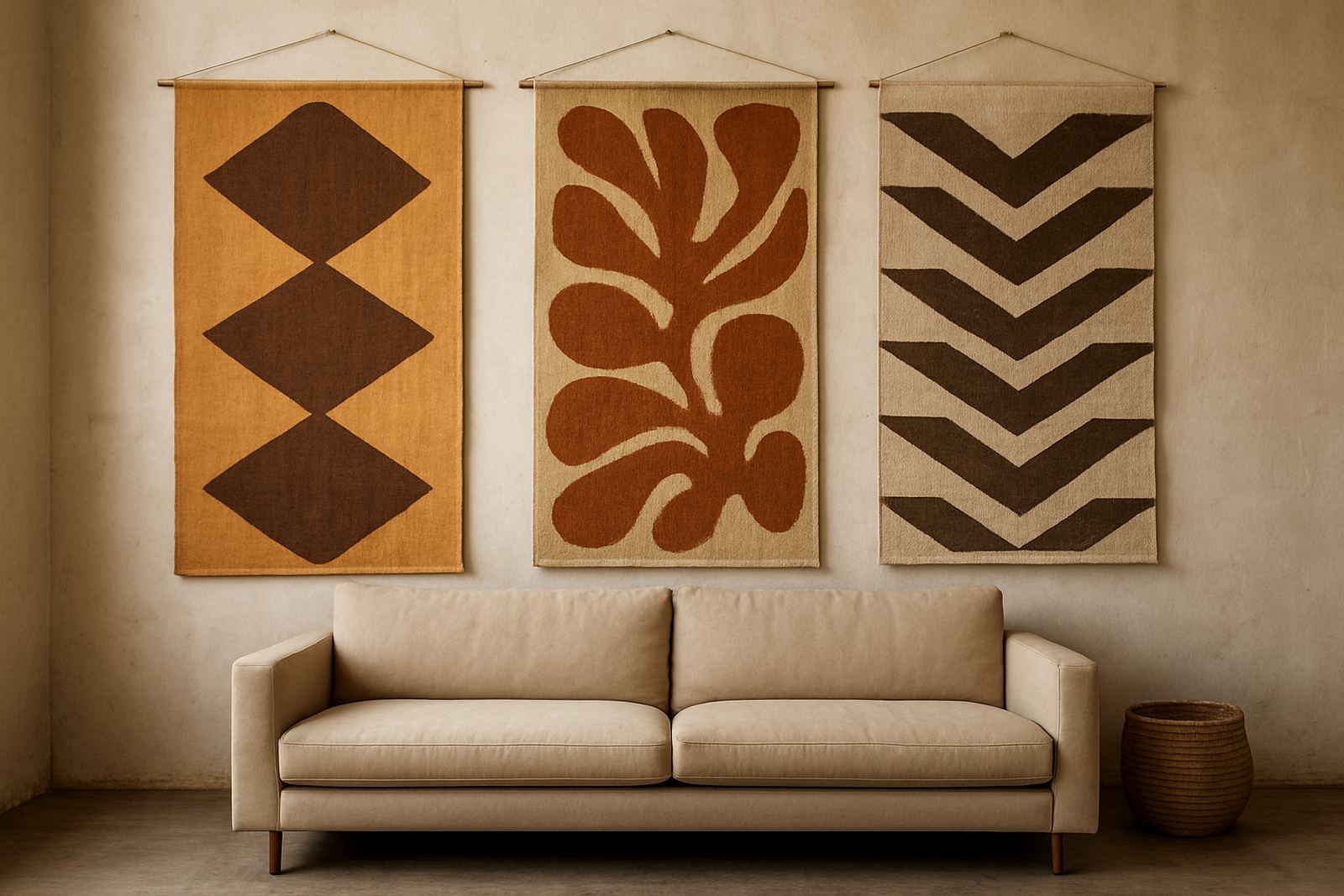
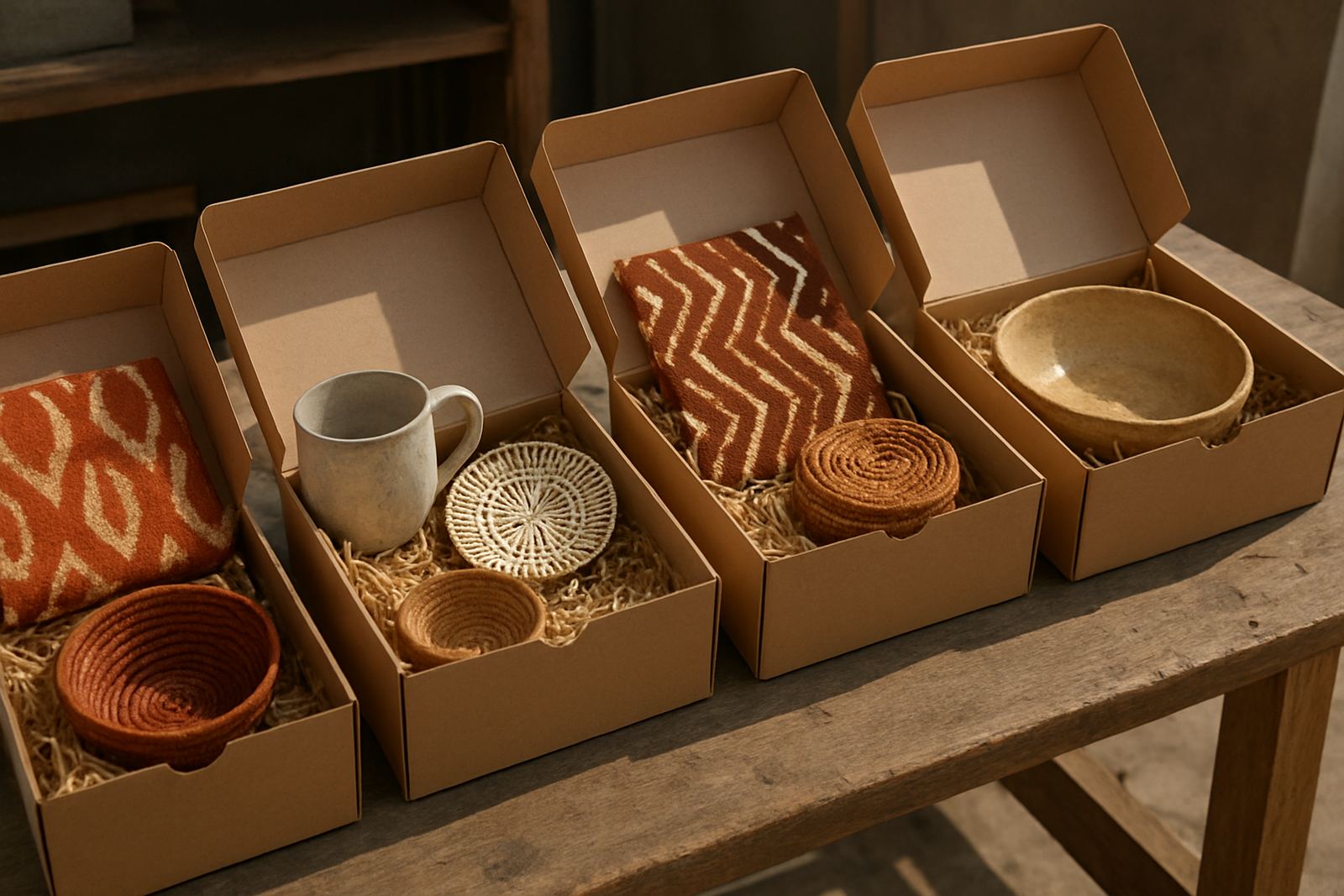
We normally suggest starting with 3 to 5 useful items, then building around one main piece. That main piece might be a handwoven textile, a ceramic bowl, a tray, or a small serving set. Once that anchor is chosen, the rest of the box can support it with smaller items that suit the season and the occasion.
Choose a clear theme and keep the colours working together
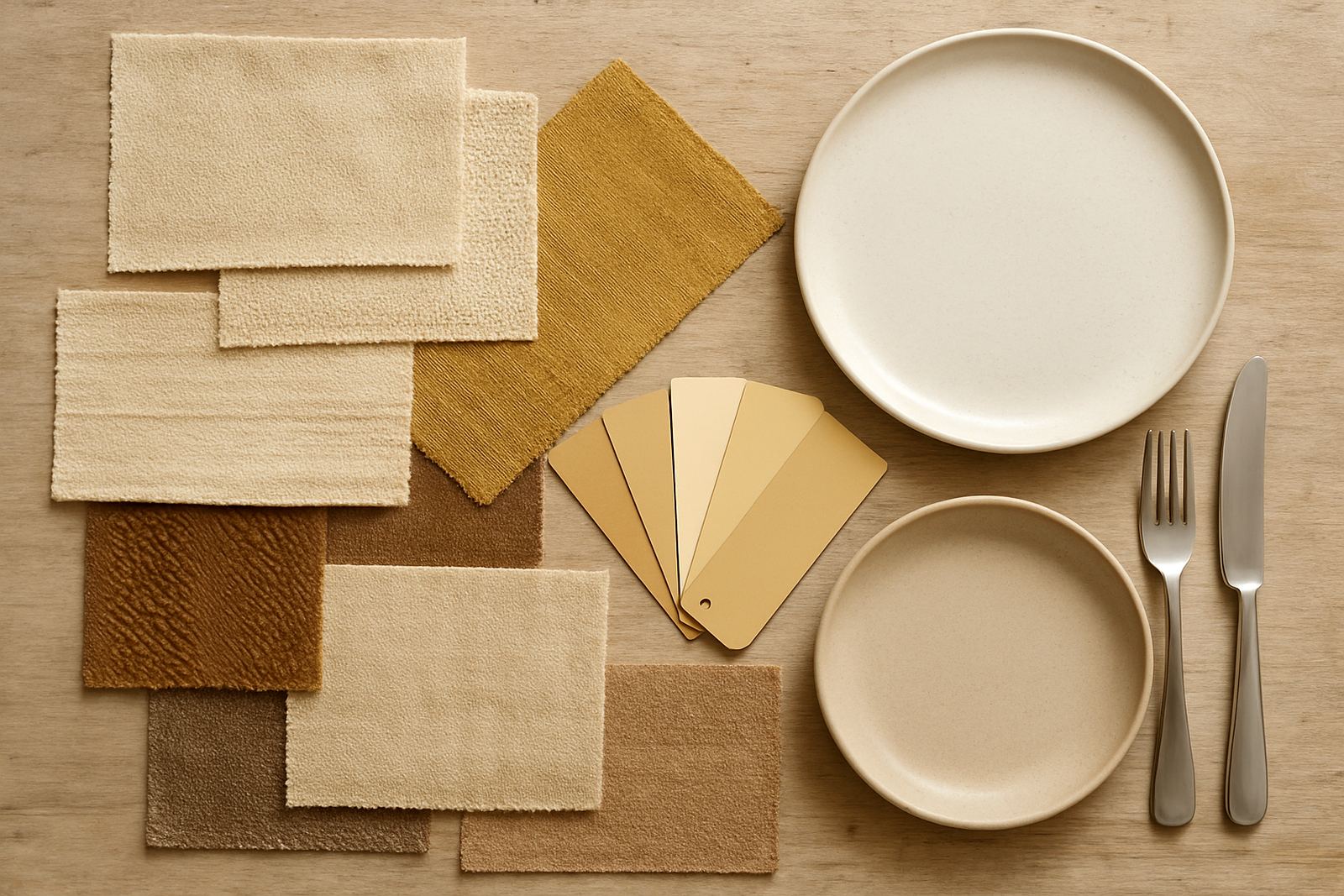
The best gift boxes look planned, even when they contain many different pieces. Pick one theme and keep to it. For example, a warm earth-toned box can hold a table runner, a ceramic mug and a small spice dish. A brighter celebratory box can include patterned textiles, a serving bowl and a handwritten note card. When the colours fight each other, the box feels busy and the value gets lost.
In South Africa, many clients ask for gift boxes that work across homes with different styles, from modern apartments in Maboneng to family houses in Pretoria or coastal homes in Cape Town. A safe approach is to use one strong colour, one neutral and one natural texture such as cotton, woven fibre or clay. That keeps the box versatile and easy to receive without needing any special display.
- Pick one hero item first
- Use no more than 3 main colours
- Mix one textured item with one smooth item
- Leave enough space so nothing looks cramped
Build a box that is useful after the opening
A gift box should not be full of items that only look good for a day. Practical pieces are the ones people keep using, and that is what gives the box value over time. Textiles can be used on tables, over couches or as wrap. Ceramics can move from gifting to daily use. Artisan goods such as baskets, trays or small containers work well in both homes and hospitality settings.
If the box is for a hotel, guest house or corporate welcome, think in terms of durability and easy upkeep. Items should handle regular use, be easy to wipe down, and not need delicate handling. For retailers and wholesale buyers, it also helps when the gift box contains products with a similar story or finish, so the range can be repeated across multiple orders without looking random.
- Include at least one item with daily use value
- Choose materials that can handle travel and storage
- Keep loose fillers to a minimum
- Avoid very fragile pieces unless they are well protected
Plan the right mix for the budget and the occasion
There is no fixed formula, but the box should feel balanced in relation to the spend. A modest box can still feel thoughtful if the items are well matched and the packing is neat. A larger budget should go into better materials, stronger presentation and safer packing, not just more items. It is usually better to have 4 considered pieces than 8 mismatched ones.
For birthdays, thank-you gifts and seasonal edits, we often advise clients to choose one standout item, two supporting pieces and one finishing detail such as a provenance card or a small note. For bulk orders, it helps to agree on one standard size and one backup option in case stock changes. That keeps the order manageable and reduces delays when stock needs to be sourced from different makers across the continent.
Get the packing right before the courier collects
Courier safety is part of the gift box, not an extra step. Ceramics need inner wrapping, corner protection and enough fill to stop movement. Textiles can be folded neatly and separated from hard items with tissue or kraft wrap. If the box is crossing provincial routes or going abroad, the outer carton must be strong enough to handle stacking and movement in transit.
In hot weather, coastal humidity and load-shedding related delays can affect timing, especially when collections shift by a day or two. That is why we always recommend packing that can wait safely without opening or sagging. If the gift is travelling to Cape Town, Durban, Gqeberha or outside South Africa, it should be sealed properly and marked clearly where needed for customs or courier handling.
- Wrap ceramics individually
- Use a snug inner box inside a stronger outer carton
- Seal edges with proper packing tape
- Mark fragile items clearly
- Keep documents and provenance cards flat and dry
Use a simple checklist before you send or collect
A final check prevents mistakes that can spoil the experience. The box should open neatly, contain the agreed items and present in the right order. If the gift is going to a client, hotel or overseas recipient, it should also have the correct invoice details, packing list and any export information required. That matters more than people often realise, especially when multiple boxes are travelling in one order.
Before dispatch, check the contents against the brief, confirm the size of the box, and make sure the outer packaging is clean and secure. If a card, label or message is included, place it where it can be found at once. A clean finish makes the whole box feel considered and avoids a clumsy first impression.
- Contents match the approved selection
- Box size suits the items inside
- Fragile pieces are cushioned properly
- Gift note, provenance card and labels are included
- Courier details are correct and readable