
What hand looming actually means
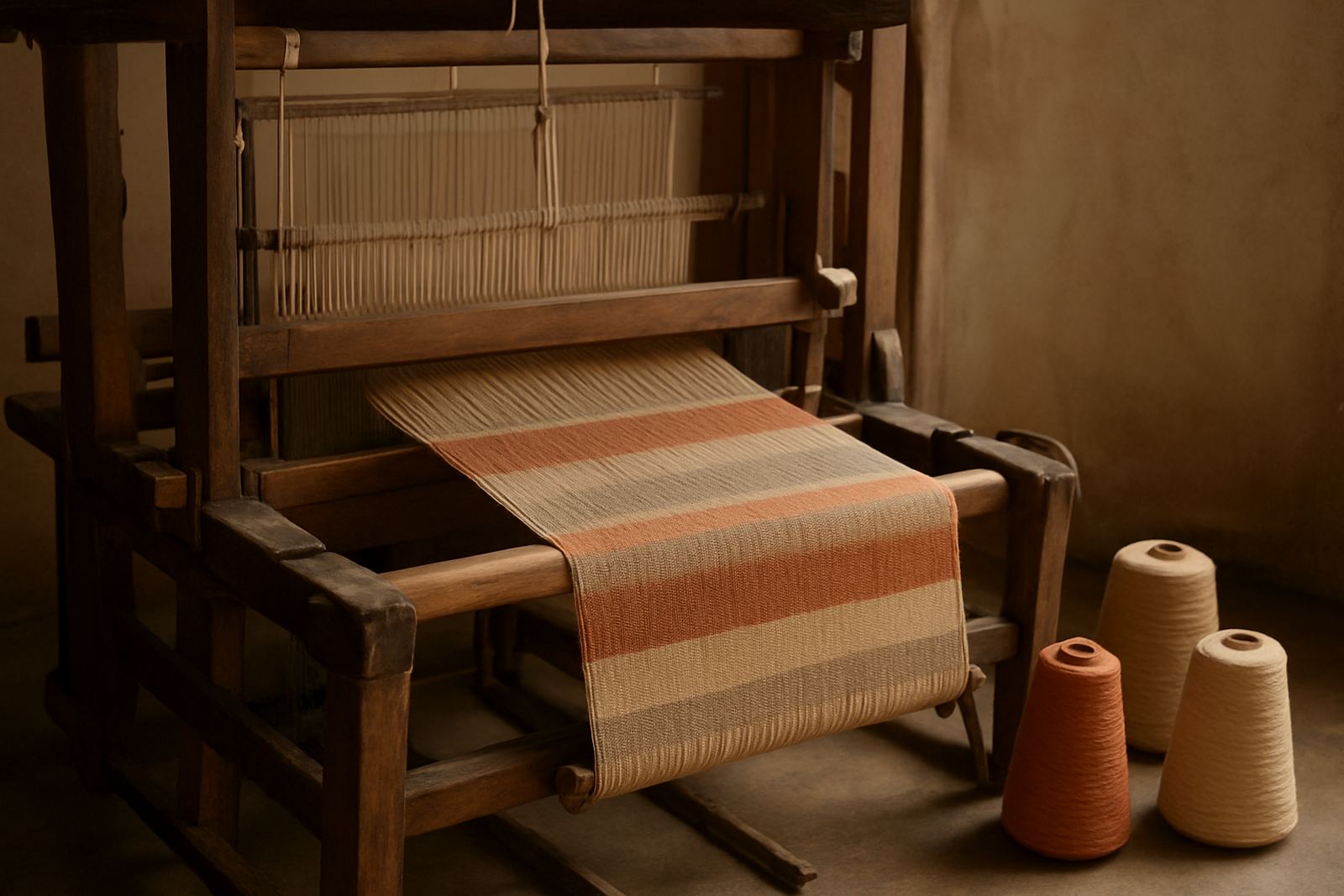
Hand looming refers to cloth woven on a hand operated loom, where a maker guides every pass of the yarn by eye and feel. That process allows for quiet variation from one section to the next, so the cloth may run a little narrower, carry a softer edge, or feel denser in some areas than others. For many buyers, that is the point: the textile holds the mark of the person who made it, and not just a repeating machine setting.
In South African homes and hospitality spaces, this matters because handmade textiles are often chosen for table settings, throws, runners and wall pieces where touch and texture are part of the experience. A hand loomed piece usually sits differently in the light too, especially near windows in Cape Town or in rooms with strong afternoon sun in Pretoria.
Why small variations are worth keeping
People often compare handmade cloth with factory made cloth and ask why it is not perfectly even. The honest answer is that hand looming works with rhythm, not repetition. A maker keeps tension by hand, checks the selvedge by eye, and adjusts as the work grows. That means two pieces from the same maker can share a style but still feel slightly different in your hands.
- Width may shift by a few millimetres or more across the length.
- The surface can feel firmer in one panel and softer in another.
- Threads may show tiny irregularities that catch the light in a pleasing way.
- Colour placement can read a little differently from one batch to the next.
If you are buying for retail, hospitality or gifting, those differences should be expected and explained. Guests and customers are far more likely to value a piece when they understand that slight variation is part of the making process, not a defect. That conversation is important for export orders as well, where buyers may be used to stricter machine tolerances.
How to judge quality without flattening the craft
A good hand loomed textile should feel balanced, stable and well finished, even if it is not perfectly uniform. The edges should hold together neatly, the weave should sit straight enough for daily use, and the fabric should drape in a way that suits its purpose. A table runner needs a different handle from a throw, and a wall hanging can carry more texture than a cushion cover.
When we assess handmade textiles for local or export supply, we look at use first. Will it be handled often, washed regularly, packed for courier transport, or used only for display? A piece that travels from Maboneng to Durban, then on to an overseas client, needs clear finishing and sensible packing. If the item is intended for a hospitality client, the weave must also cope with laundering schedules, shared use, and the wear that comes with busy rooms.
- Check the selvedges for neat finish and strength.
- Feel for weak spots where the weave opens too much.
- Look at the fabric against light to judge density.
- Confirm care notes before placing a bulk order.
A local example from Maboneng to the coast
Consider a hand loomed cotton runner selected in Maboneng for a restaurant in Durban. The buyer may want an earthy palette that works with timber tables and glazed ceramics, but the cloth also has to handle humidity, salt air and frequent washing. In that setting, a slightly tighter weave and well secured ends are practical choices, while the natural variation in the surface adds warmth to the table setting. It is not unusual for the same style to be used in Cape Town as well, where bright light can show texture beautifully.
This is where a maker led approach helps. Instead of asking for a perfectly flat, identical run of metres, it is better to agree on acceptable tolerances, preferred yarn weights and the final use. A hospitality order for 30 covers may need a different finish from a one off gift pack or a sample loan. For collections going to Pretoria or Gqeberha, the aim is the same: keep the character of the cloth while making sure it arrives ready to use.
Care advice that protects the weave
Hand loomed textiles last longer when they are treated with a bit of care. Most should be washed gently, dried out of harsh direct sun and stored folded rather than stuffed into a small box. If the cloth is made from natural fibres, it may relax after the first wash, so allow for slight settling in the measurements. That is normal and should be allowed for when planning fitted or tailored applications.
- Use cool or lukewarm water unless the maker advises otherwise.
- Avoid strong bleach and aggressive scrubbing.
- Dry flat if the item is heavy or textured.
- Press on the reverse side where possible.
- Keep it away from damp storage areas and direct floor contact.
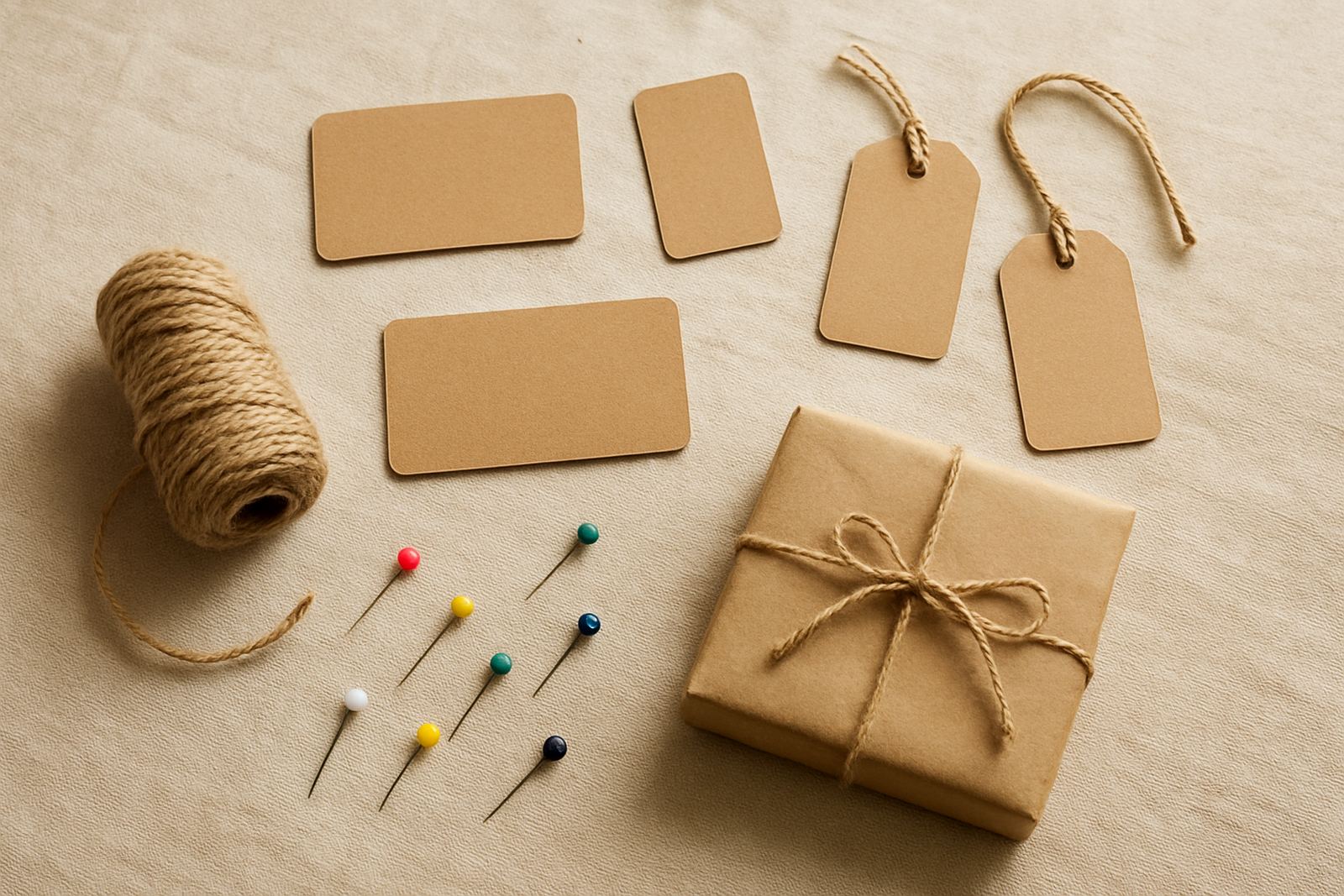
For businesses dealing with load shedding and stop start routines, simple care instructions matter. Staff need to know how to manage a textile during cleaning, drying and storage without losing shape or colour. Clear provenance cards and care notes help here, especially when goods move through more than one site.
How to brief a maker or curator for the right result
If you are commissioning hand loomed goods, the best results come from clear but practical instructions. Say how the item will be used, how many pieces you need, and what size tolerance is acceptable. Mention whether the order is for retail, wholesale, gifting or export. If the product must suit a hotel, gallery shop or seasonal display, explain that too. The more specific the brief, the easier it is to keep the character of the cloth while avoiding costly rework.
Useful brief points include fibre choice, colour range, finish, care requirements and delivery timing. For larger orders, it also helps to discuss sample approval, packing and courier coordination at the start. That is especially important where products are being sent beyond Johannesburg, because long distance shipping can expose weaknesses in stitching, folding or wrapping. A careful brief saves time, money and stress later.
At its best, hand looming gives you something that feels grounded and human. The small changes are not mistakes. They are the record of a maker working with skill, patience and judgement, one pass at a time.