Start with one clear use for the box
The strongest gift boxes begin with a purpose. Is it for a hotel welcome, a corporate thank-you, a wedding favour, a housewarming or a year-end client gift? Once the use is clear, the rest of the selection becomes easier because every item must support the same setting and budget.
For maker-led boxes, the brief should also cover how the box will travel. A set headed to Cape Town for a coastal launch needs different packing from a small batch going to Pretoria for an office handover. Humidity, courier handling and storage time all matter, especially when the box includes textiles, ceramics and natural materials.
When we plan gift boxes from Maboneng, we usually begin with three fixed questions: who is receiving it, where is it going, and how much handling will it get before opening. That keeps the selection practical and helps avoid items that look nice but do not work well together.
- Choose a single occasion, not three.
- Set the spend before choosing the items.
- Plan for the journey as much as the unboxing.
Mix texture, function and scale
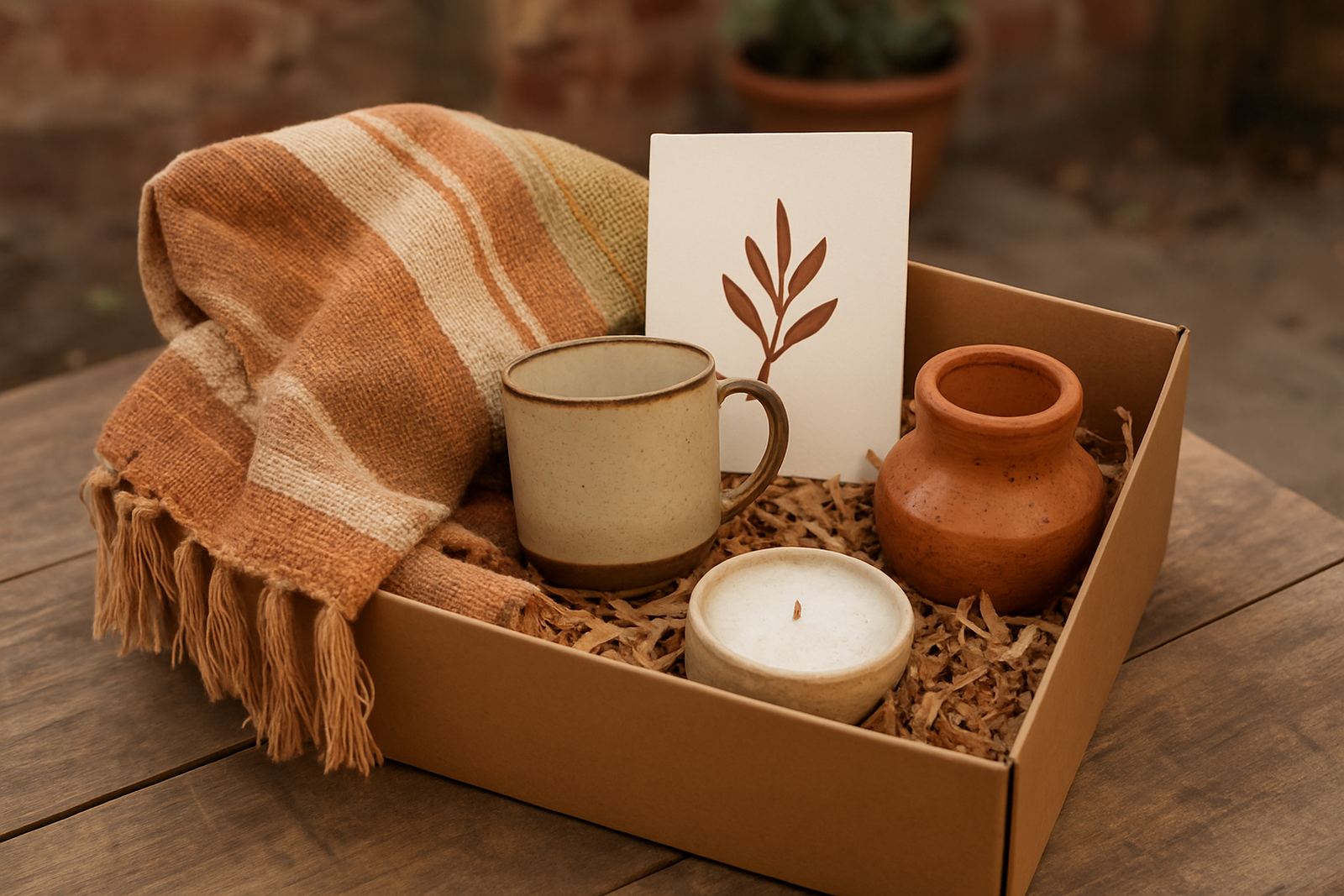
Gift box curation works best when products vary in function, texture and scale. If every item is soft, the box can feel flat. If everything is decorative, the receiver may not know what to do with it. A balanced box usually includes one hero item, one supporting item and one small finishing piece.
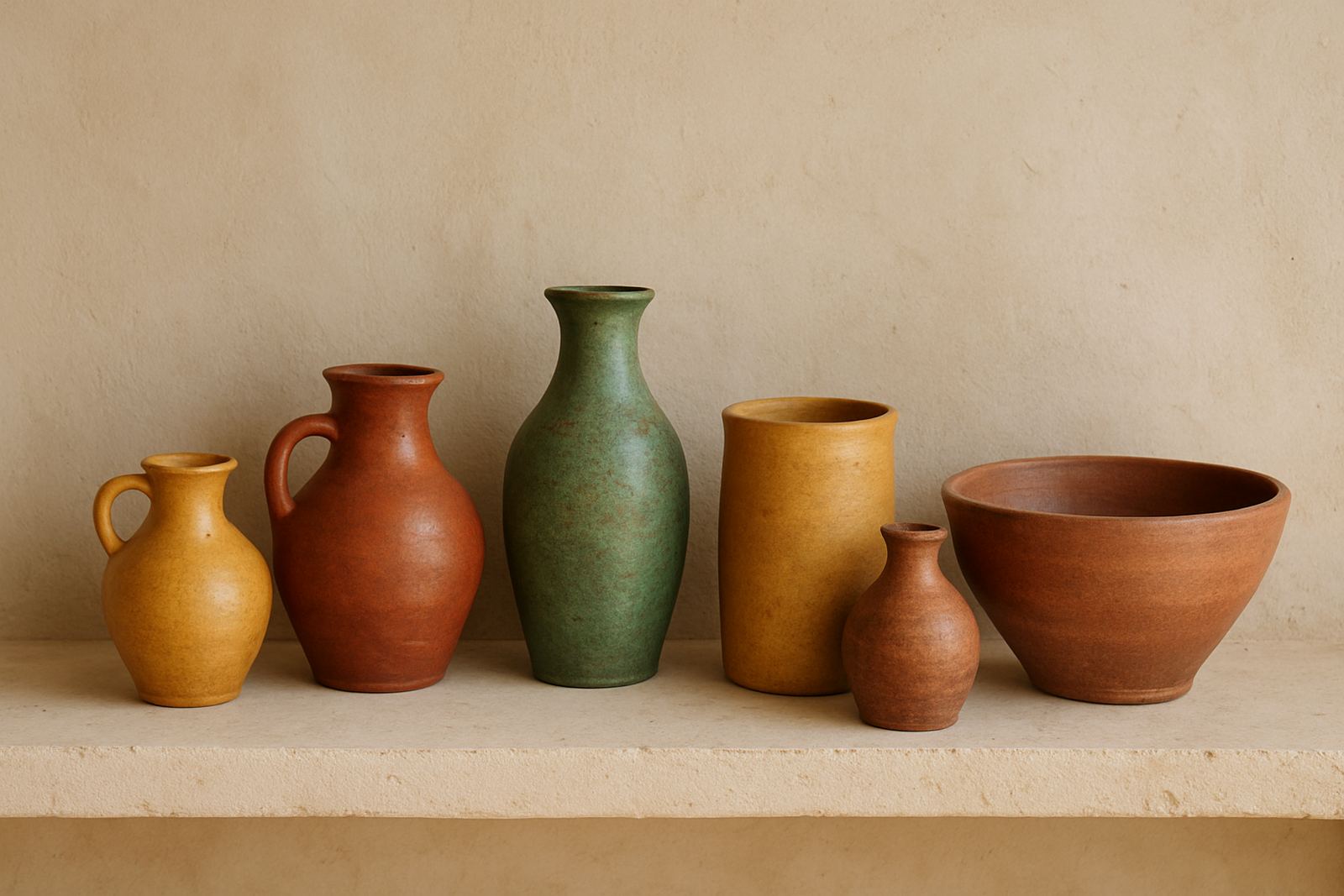
A ceramic bowl pairs well with a woven textile, a small hand-poured vessel or a textile pouch. The bowl gives weight, the textile adds movement and the smaller piece fills the gap without crowding the set. This mix also makes the box feel fuller without forcing large quantities into it.
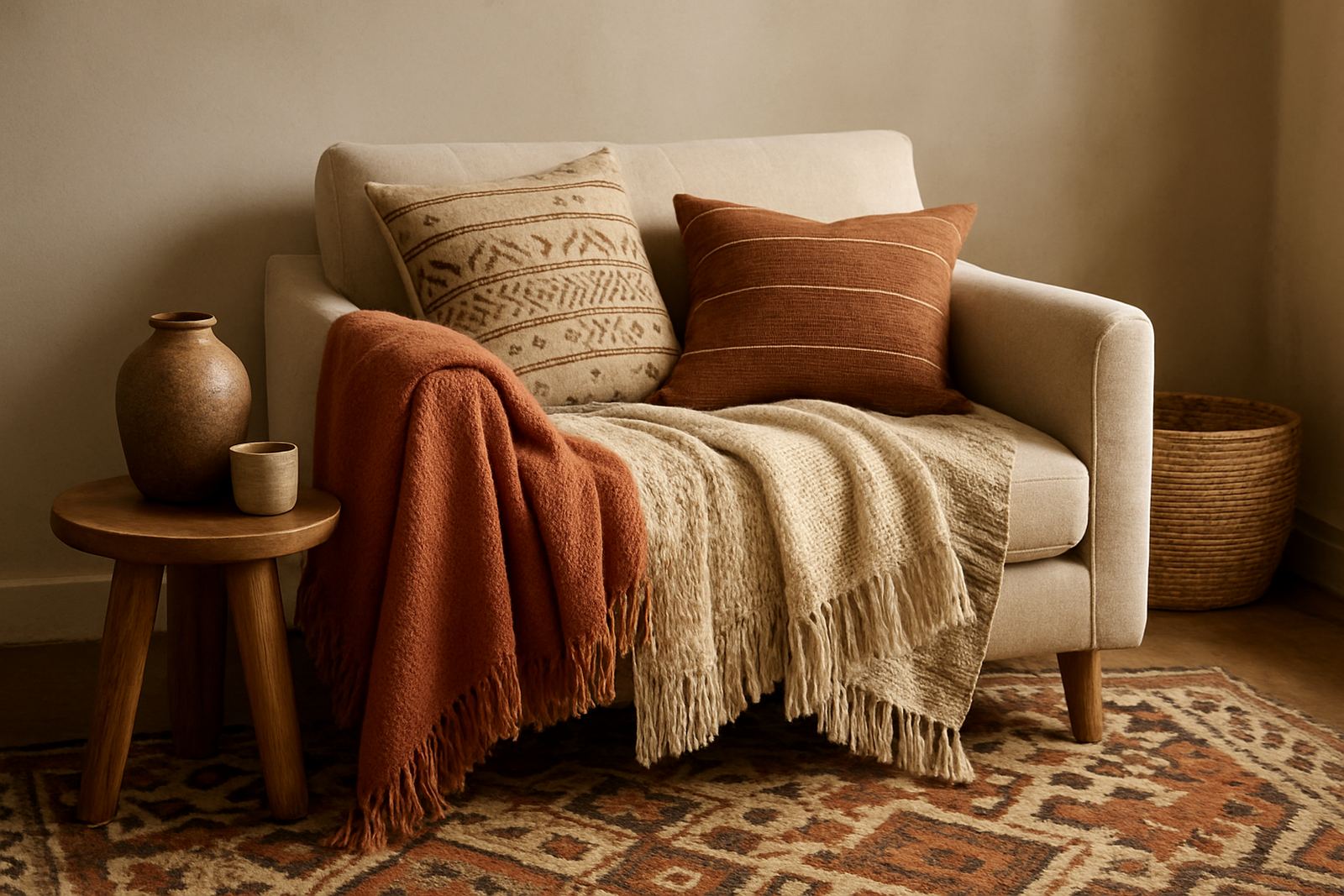
In practical terms, think in layers. A folded textile can sit at the base, a ceramic piece can sit at the centre and a smaller artisan item can rest on top. The eye reads contrast first, then detail. That is why scale matters just as much as colour or pattern.
- Use one larger anchor item.
- Add one medium item with a different texture.
- Finish with a smaller piece that carries detail.
Build around makers, not random stock
Handmade boxes are strongest when each item has a reason to be there. We prefer to build around makers and materials rather than fill a box with unrelated products. That approach gives the set a cleaner story and makes provenance easier to explain with a card or insert.
For example, a box can be curated around a single colour family, a region, or a material combination such as cotton, clay and natural fibre. The result feels more deliberate and usually photographs better for retail wholesale, hospitality styling or seasonal gifting.
It also helps with restocking. If one item sells out, it is easier to replace it with another piece of similar function and scale when the box has a clear logic. That matters for bulk order planning, where consistency across 20 or 200 boxes can become tricky very quickly.
A Johannesburg example that travels well
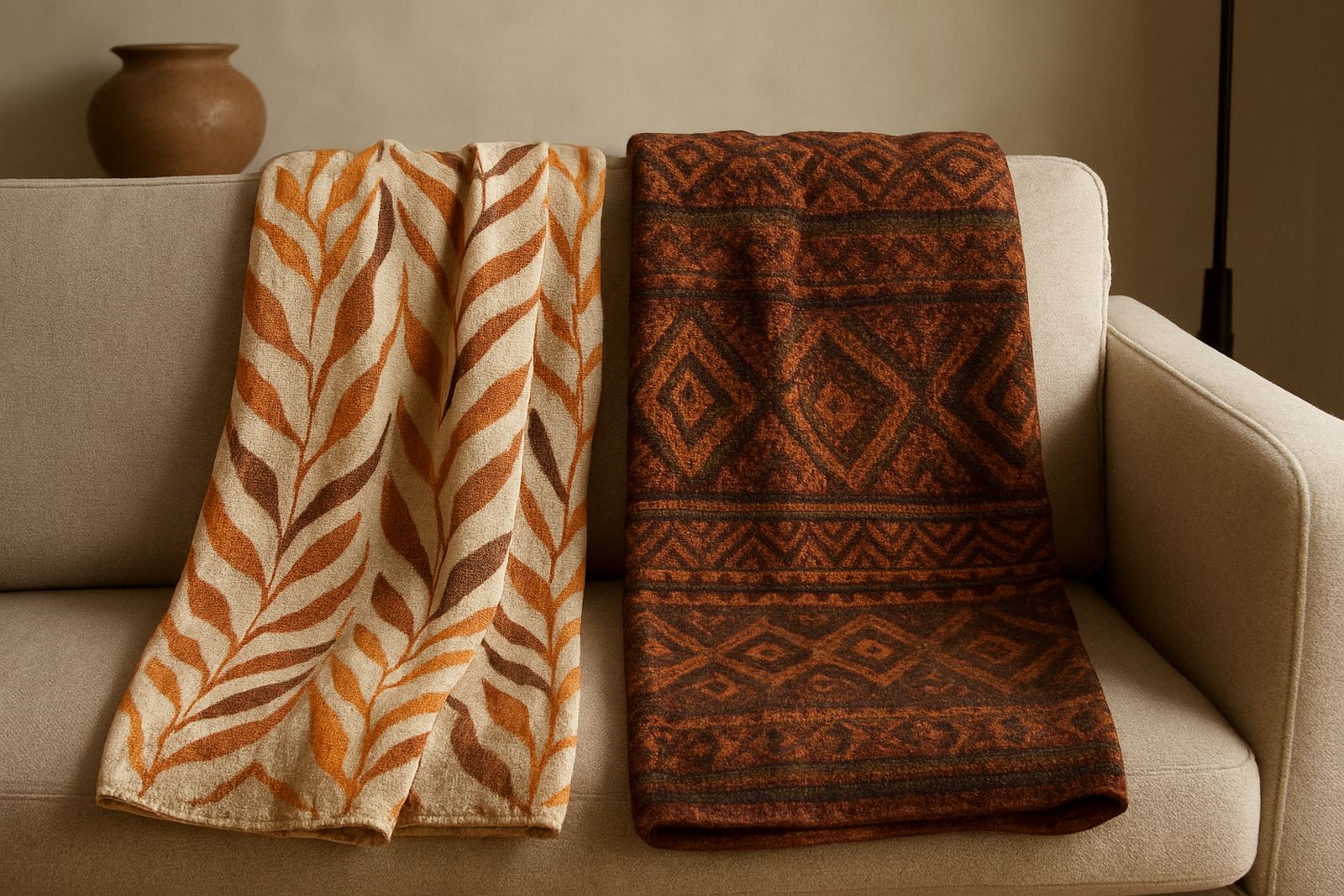
For a corporate gifting order in Johannesburg, a practical box might include a handwoven table runner, a small ceramic dish and a textile pouch filled with locally made bath or benchtop essentials. The runner gives presence, the dish is useful at home or in a guest room, and the pouch keeps smaller pieces neat during courier movement.
If that same box is going to Durban or Gqeberha, we pay more attention to moisture protection and outer packaging. Coastal humidity can soften paper inserts and affect some natural fibres if they are packed too tightly. A simple inner wrap and a snug outer carton usually goes a long way.
This is where collection consultations help. We can suggest what holds shape, what chips easily, what needs extra wrapping and what should travel flat. A good gift box should arrive looking calm, not shaken up.
Packing details that protect the value
Presentation matters, but protection matters more. A maker gift box should open neatly, not spill out in the receiver’s hands. That means every item needs space, padding and a clear order inside the carton.
For fragile ceramics, the gap between the item and the box wall is not wasted space. It is the room needed for wrap, filler and movement control. Textiles can do double duty here by softening the layout and reducing loose voids. Provenance cards should sit flat and visible, not buried under layers.
Good packing also helps with export packing. International courier work needs stronger outer cartons, clear labelling and fewer loose components. A box that is lovely on a counter still has to survive sorting hubs, loading bays and long transit times.
- Wrap ceramics separately and keep corners padded.
- Place cards where they can be found immediately.
- Use a carton size that fits the contents closely.
- Keep breakables away from the box lid.
Price, quantity and repeat orders
Gift boxes become easier to manage when the pricing is built from the start. Set a target value for each box, then work backwards through the items, gift packing and courier coordination. That gives you a usable margin and avoids last-minute substitutions that weaken the set.
For repeat orders, the box should also have a stable structure. Seasonal editing can adjust colours or themes, but the core formula should remain familiar. That is especially useful for retail wholesale clients, hospitality groups and companies that need the same standard in different branches.
If you are ordering across Sandton, Midrand, Soweto or Pretoria, it helps to keep one master version and one lighter version. The lighter version can keep the same look while using fewer or smaller pieces. It still feels considered, but it is easier to scale and quicker to dispatch.
What makes a maker box feel complete
The best maker gift boxes feel complete because they balance usefulness, variety and story. Nothing inside should seem like an afterthought. Each item needs to earn its place through size, material or function, and the full box should tell the receiver something about the hands behind it.
At Creation Africa Foundry, that usually means curating with intention, packing with care and choosing items that can travel well from our base in Maboneng to clients in Cape Town, Durban, Pretoria, Gqeberha or further afield. When the mix is right, the box does more than look good. It carries a practical sense of welcome.
If you are planning a one-off gift box or a larger run for clients, staff or guests, the best place to begin is with the products themselves. Once those are chosen carefully, the rest falls into place.
- Lead with one clear purpose.
- Mix texture, scale and function.
- Pack for the journey, not only the opening.