

Start with the pieces you touch every day
The quickest seasonal switch is to look at what you use most often. Cushion covers, throws, table linen and small storage pieces do more visual work than people think because they sit in plain sight and get handled daily. If a room feels heavy in January or too bare in July, changing those soft layers can reset the mood without changing the furniture.
In Johannesburg, where afternoons can be dry and bright and evenings cool off fast, a mid weight throw on the sofa or a lighter cotton cover on scatter cushions can be enough. In coastal homes, breathable weaves and easy wash fabrics help when humidity rises. The aim is not to chase trends but to match the room to the weather and how you use it.
- Swap heavy winter textiles for lighter cotton or linen blends in warmer months.
- Use darker, denser weaves in winter to add warmth without adding clutter.
- Keep one neutral base and change only one or two colours at a time.
- Choose pieces that can move between the lounge, bedroom and guest room.
Use colour to mark the season, not to overpower the room
Seasonal colour changes do not need to be dramatic. A set of deep rust cushions in winter and soft clay or indigo accents in summer can shift the tone of a room while keeping the main furniture unchanged. If your walls and floors are already strong, use textiles and ceramics to do the talking.
In a Sandton apartment with pale floors, a few richer tones can stop the room from feeling cold in winter. In a Soweto family home with warm brick or timber finishes, lighter fabric and hand painted ceramics can soften the space for summer. The point is to work with what is already there rather than fight it.
- Pick one main seasonal colour and repeat it in two or three items only.
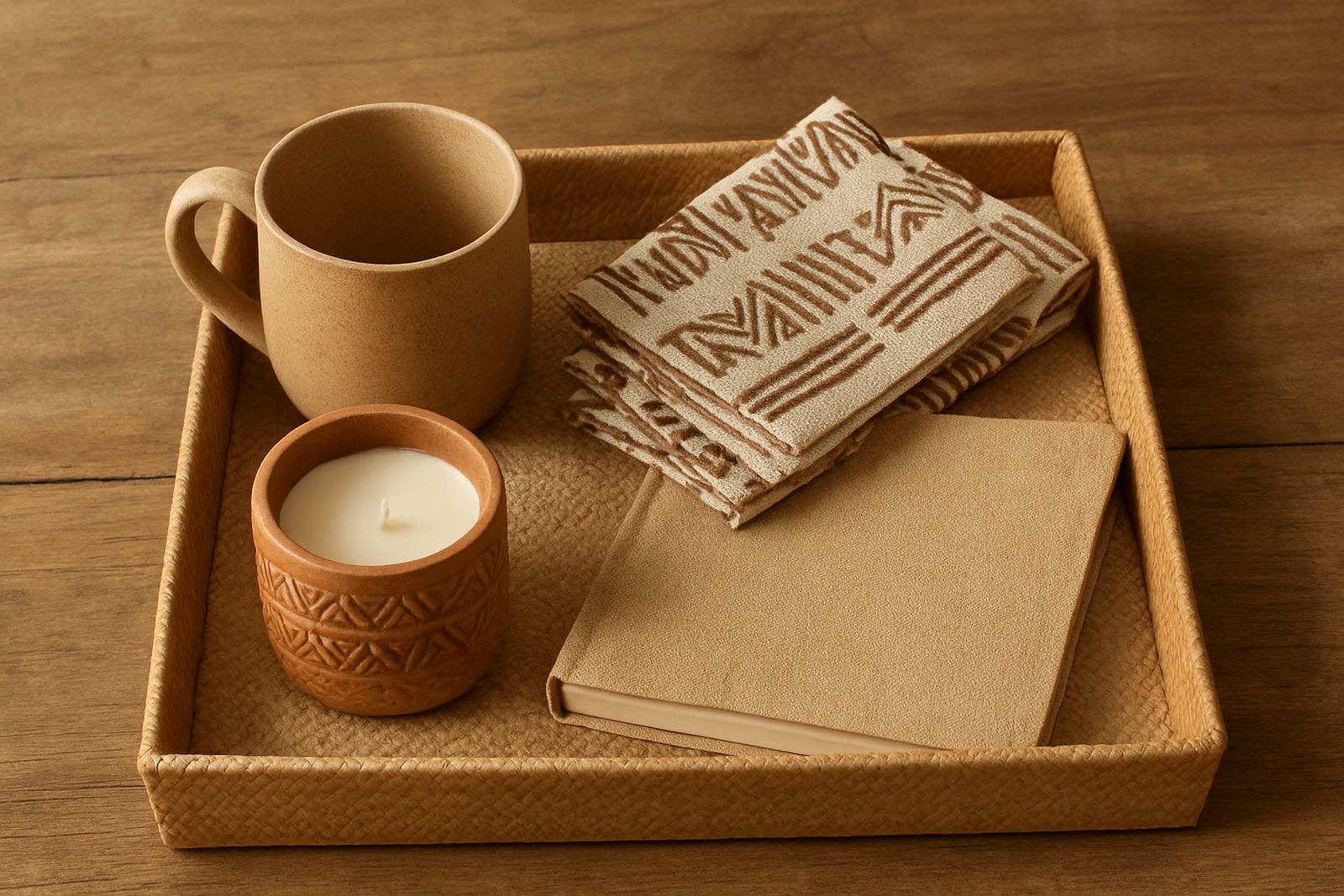
- Mix a patterned textile with plain ceramics so the room does not feel busy.
- Use table runners and napkins for colour if you do not want to change cushions.
- Keep the base palette steady so the switch feels calm, not random.
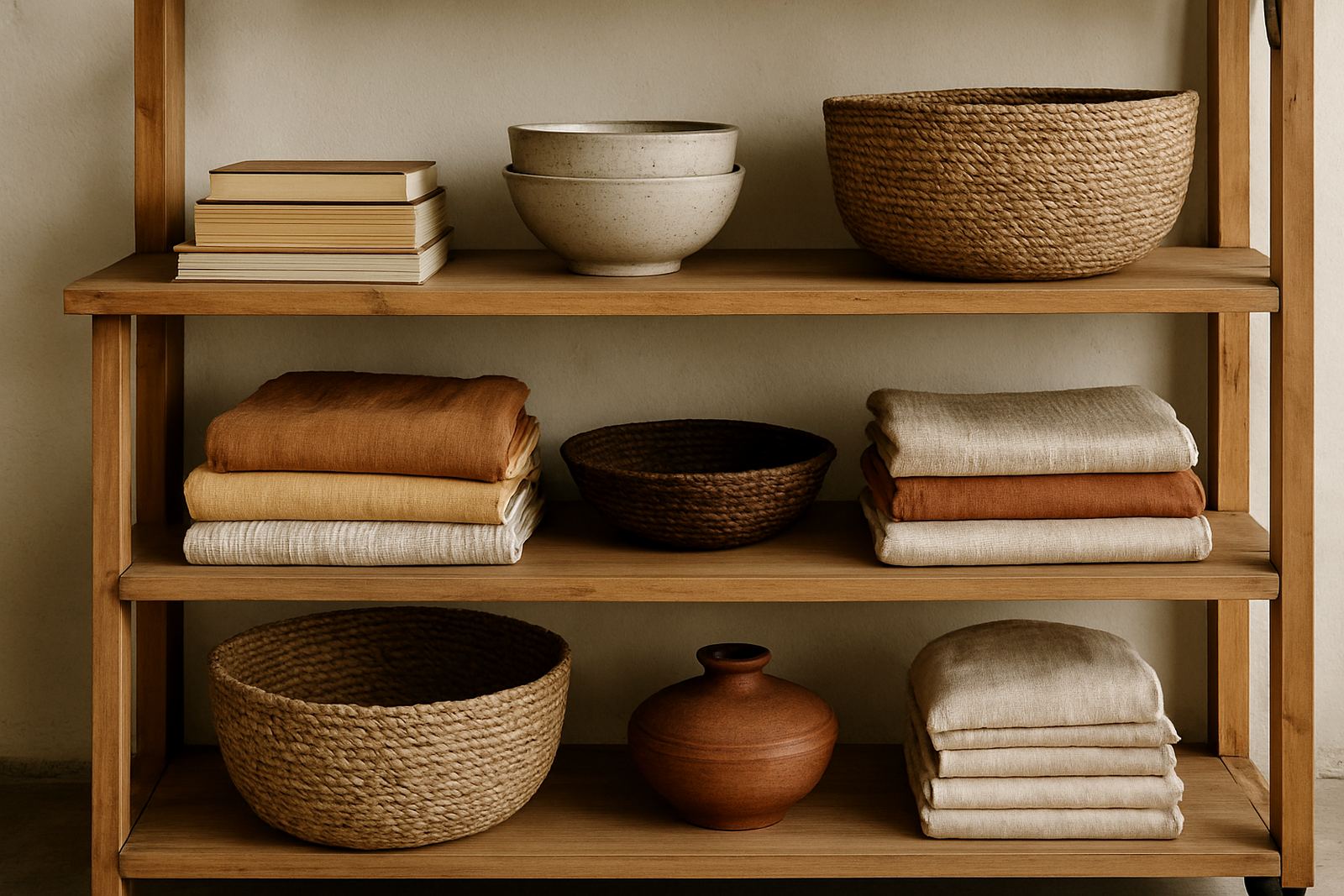
Let ceramics do quiet work on shelves, tables and counters
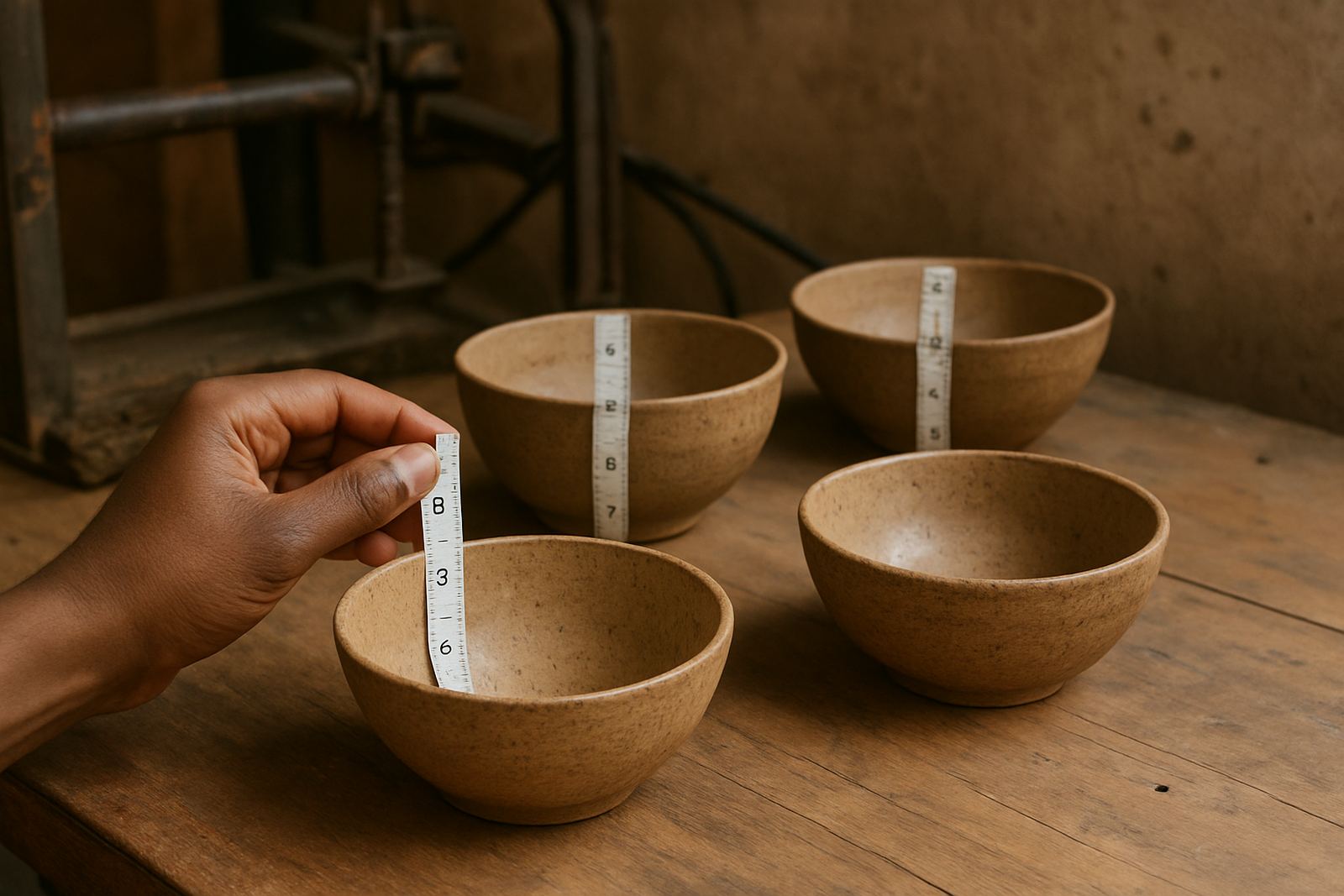
Ceramics are useful in every season because they hold shape, colour and texture without needing much space. A shallow bowl for keys in the entry, a vase on the dining table, or a small lidded vessel in the kitchen can make daily routines feel more considered. When the season changes, these pieces can move from display to use and back again.
For homes that receive lots of visitors, like a short let in Cape Town or a guest house in Durban, ceramics are also practical. They can hold flowers, fruit, incense or serving pieces and they travel well between rooms. If you want a room to feel fresh for spring, one or two new vessels can be enough. It is small but it changes the eye line.
- Group ceramics in odd numbers for a natural arrangement.
- Use one tall piece and two low pieces to create balance on a shelf.
- Choose sealed or well finished surfaces for kitchens and bathrooms.
- Keep heavier pieces in stable spots if shelves shift during load shedding or cleaning.
Match materials to South African weather and daily life
Seasonal home switches work best when they fit the conditions in the room. A textile that feels perfect in Pretoria in winter may be too warm for a Durban flat in February. A woven basket that stores blankets beautifully in a dry climate may need extra care in coastal humidity. Thinking about material first saves money and avoids replacements too soon.
Natural fibres breathe better in heat, while denser weaves can add comfort when the weather cools. Closed storage helps protect delicate items from dust in busy urban homes, especially when windows stay open for air. If you are near the coast, avoid keeping fragile textiles pressed against damp walls and let ceramics dry fully before packing them away.
- Cotton and linen are easier to manage in warm weather.
- Wool blends and thicker weaves suit cooler months and evening use.
- Use covered baskets or boxes for items you rotate between seasons.
- Store fragile pieces with paper or cloth between them so they do not chip.
A practical summer switch for a Maboneng apartment
Picture a compact apartment in Maboneng, with strong morning light and a small open plan living area. In summer, the owner can remove the thick winter throw, replace dark cushion covers with lighter ones, and add a hand made ceramic bowl on the coffee table for fruit or keys. A cotton table cloth on the dining table can soften the room without blocking the little space available. The whole place feels cooler and more open, yet nothing major has changed.
This kind of edit works because it respects the room size and the way people actually live. If you work from home, have students coming and going, or host family on weekends, you need items that can move quickly and still look tidy. Seasonal switches are less about decoration and more about keeping the home useful and pleasant.
How to plan a seasonal refresh without overspending
The easiest way to keep costs down is to plan by room and by use. Start with the room that gets the most traffic, then move to the one that needs the most comfort. Buy fewer pieces but make sure each one earns its place. A throw that works in the lounge on a cold night and on a guest bed during winter is better value than one item used once a year.
Before adding anything new, sort what you already have. Pack away items that no longer suit the season, repair what can be fixed, and note what is missing. A small list stops impulse buying and helps you choose pieces that actually solve a problem, whether that is a chilly corner, a bare shelf, or a dining table that needs a softer look.
- Set a budget per room so the refresh stays controlled.
- Choose items that can be reused across at least two spaces.
- Think about washing, storage and breakage before you buy.
- Keep a small seasonal box ready so the changeover takes less time.