
Provenance is more than a name on a label
When buyers hear the word provenance, they often think of museums or high value art. In everyday trade, it simply means the documented origin of an object. For handmade textiles, ceramics and artisan goods, provenance answers basic questions that matter to buyers in Johannesburg, Cape Town, Durban, Pretoria, Gqeberha and overseas: who made it, where was it made, what materials were used, and how did it reach you.
That information is not decoration. It helps a customer judge quality, compare one piece with another, and understand whether they are buying a one-off object or a repeatable line. For a gift buyer, provenance adds meaning. For a retailer, it helps with stock notes and customer trust. For export orders, it supports customs paperwork and clear product descriptions, which saves time and avoids avoidable delays.
Provenance stories behind every foundry piece
South African buyers are more careful now. They want to know whether a bowl was hand-thrown in a small studio, whether a textile was woven in a rural workshop, or whether a basket was made from locally gathered fibre or imported material. That interest is not only about ethics. It is also about durability, care and fit for purpose. A hotel in Sandton may need a different finish from a collector in Maboneng or a gallery store in Pretoria.
Clear provenance also helps when the load-shedding schedule is not kind to production, or when coastal humidity changes the way a glaze, dye or fibre behaves. If a maker works in Durban, for example, that can affect drying time and finishing. If a textile comes from a drier inland area, its handling may differ. Buyers do not need every technical detail, but they do need enough context to make sensible choices.
- It reduces uncertainty before a purchase
- It gives a piece a traceable story
- It supports accurate care instructions
- It helps retailers brief staff and customers
- It makes export and gifting orders easier to manage
What good provenance details should include
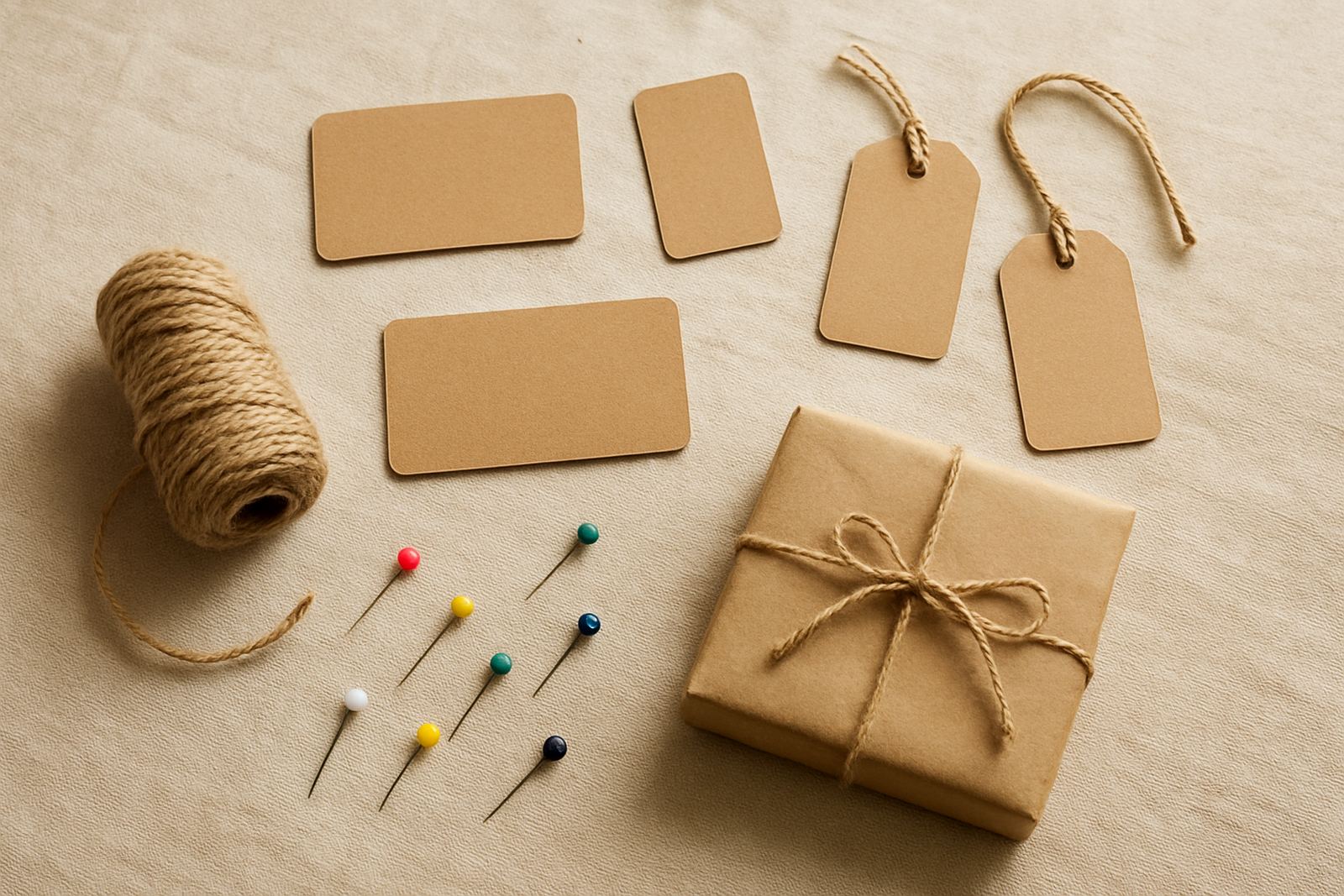
Good provenance is specific, not vague. Saying something is “handmade in Africa” is not enough for serious buyers. A proper record should be simple to read and practical to use. At Creation Africa Foundry, provenance cards are often paired with the piece so the buyer has the main facts at hand, whether the order is going to Soweto, Midrand or an international courier.
Useful provenance details usually include the maker or workshop name, the town or region where the piece was made, the materials used, the technique, the year or season of production, and any handling notes. If the item is part of a limited batch, that should be stated clearly. If there are natural variations in colour or size, say so upfront. It is better to mention a slight glaze shift or handwoven irregularity than to surprise a customer later.
- Maker name or workshop name
- Place of origin, such as a town, province or country
- Materials and technique
- Batch size or edition number, if relevant
- Care notes and handling warnings
How provenance affects value and resale confidence
People often think price is only about size, labour and materials. Those matter, but provenance also affects value. A well-documented piece is easier to sell, easier to insure and easier to place in a retail mix. When a buyer can explain where something came from, they are more confident showing it to clients or guests. That matters in hospitality styling, retail wholesale and curated gifting.
A ceramic vessel with a clear origin note, maker biography and care card often feels more credible than a similar piece with no information at all. The difference is not only emotional. It can affect how a stockist prices it, how a hotel presents it in a suite, and whether a corporate buyer orders more. Provenance gives the item a paper trail, and that paper trail supports trust.
For export, this can be even more important. International customers often ask about origin, materials and maker background before they place an order. If the record is tidy from the start, packing and shipping are smoother. If there is a query about handmade variation, the answer is already on the card.
A Johannesburg example that shows the difference
Consider a handwoven table runner sourced through our Maboneng base for a client in Cape Town. If the buyer only receives a fabric piece, they may admire the colour but still have unanswered questions. Was it woven on a frame loom or done by hand on a smaller setup? Is the fibre cotton, sisal or a blend? Can it be washed, or should it be spot cleaned only?
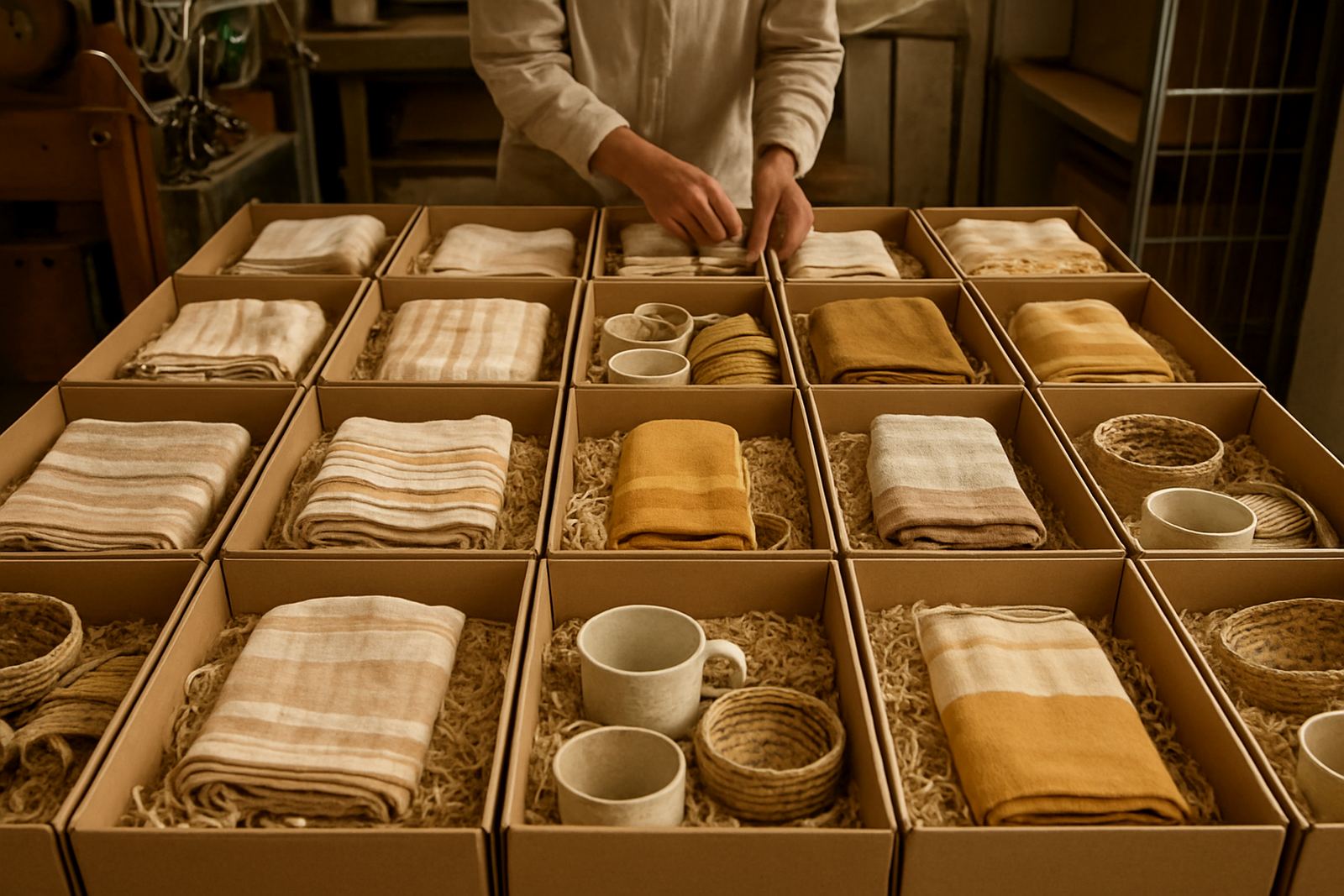
Now compare that with a runner that carries proper provenance: maker name, region, weave method, fibre content, approximate dimensions and care notes. The buyer can place it in a home, lodge or restaurant setting with far less guesswork. If the piece is part of a mixed order that also includes ceramics, the provenance notes help the receiving team sort, label and display items correctly.
That is especially useful for buyers working across Johannesburg, Pretoria and the coastal cities, where stock may move between stores, events and project sites. Provenance cuts down on questions after delivery, which saves time for everyone.
What buyers should ask before they commit
If you are purchasing artisan goods for resale, gifting or a project, ask a few direct questions before payment. The answers should be simple enough to use in your own stock notes or client briefing. You do not need a long essay, just enough information to protect the value of the piece and guide proper use.
- Who made this and where was it made?
- What materials and methods were used?
- Is this one-off or part of a repeatable batch?
- Are there natural marks, variations or fragile areas?
- What care or cleaning instructions should I pass on?
- Can the maker supply extra units if I need a bulk order?
These questions are especially useful for hospitality buyers, corporate gifting teams and retailers planning seasonal ranges. They also help with sample loans, export packing and collection consultations, because the item can be assessed properly before it leaves the studio or showroom.
Why provenance matters for the long term
Provenance is not just a sales tool for the day of purchase. It helps a piece travel well through time. A customer may move house, pass the item on, or buy again years later. If the object carries clear origin details, it is easier to keep track of what it is, how to care for it and why it matters. That is how handmade goods build lasting value, rather than becoming anonymous decor.
For makers, provenance protects authorship. For buyers, it reduces risk. For curators, it makes selection more intentional. And for communities across the continent, it keeps the story attached to the work itself, instead of letting the object speak alone. In a market crowded with generic product claims, that clarity is worth keeping.