
Daily-use pieces that outlast their first purpose
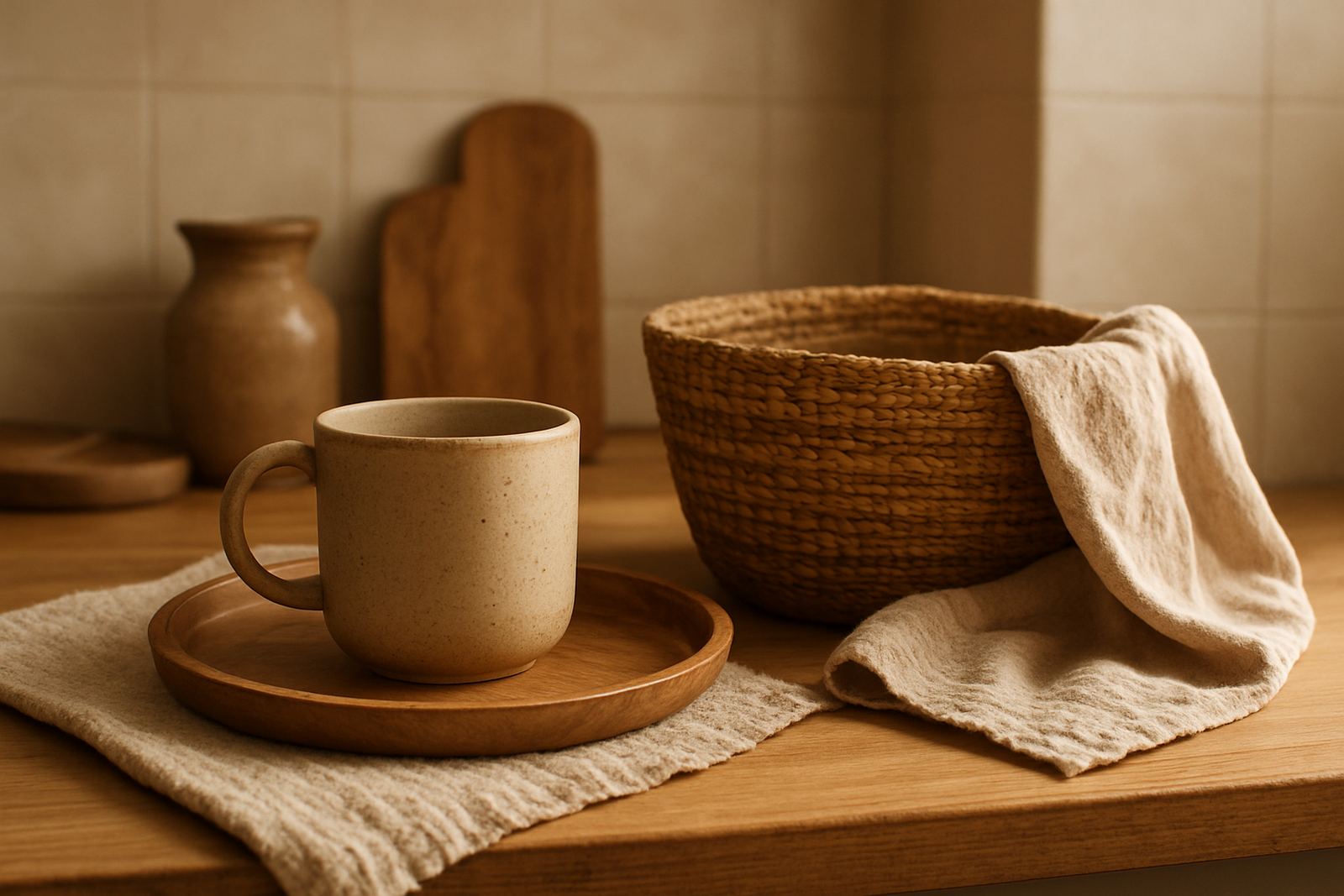
People often think attachment comes from rarity, but in many homes it comes from repetition. A ceramic mug used at 6am, a woven runner on the dining table, or a basket by the front door becomes part of the rhythm of the house. It is touched, seen and used so often that it starts to feel familiar, and that familiarity is what gives it weight.
This is why meaningful home objects often outlast trend pieces. A bright scatter cushion may look good for a season, but a hand woven throw that keeps the TV room warm through winter power cuts gets used, washed and folded back into place again and again. In South Africa, where homes often need to do more than one job, beauty that works hard usually earns its keep.
Start with the rooms where life actually happens
If you want objects that matter, begin with the spaces where your family gathers, eats, rests and prepares for the day. A hallway bowl for keys, a ceramic jug for water, or a tray for mail may seem small, yet they solve an everyday problem and make the room feel considered.
- Choose items you will touch daily, not only display on weekends.
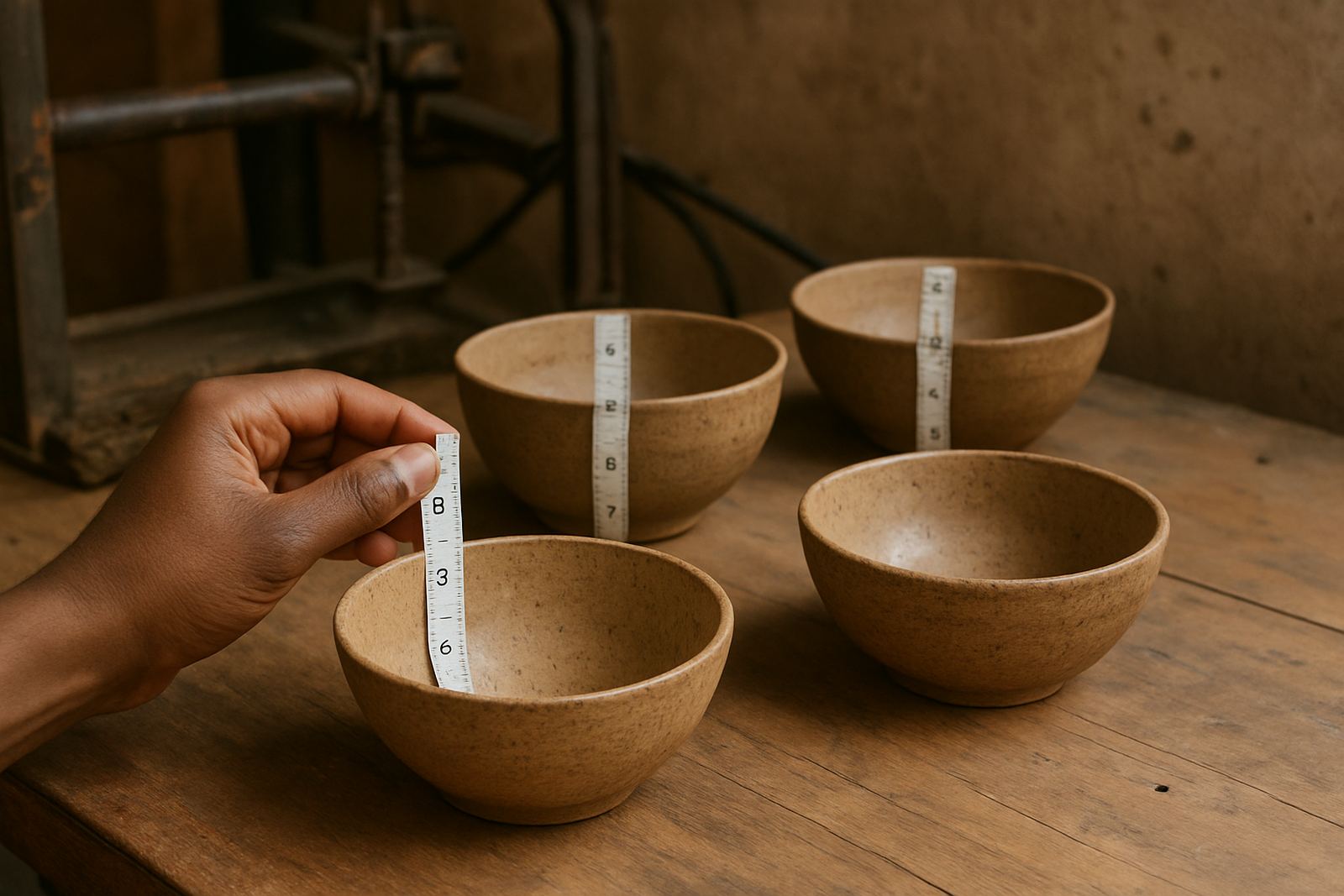
- Match the size to the room. Small flats in Maboneng need different pieces from larger homes in Pretoria or Durban.
- Look for materials that handle real use, like fired clay, dense weave, or hardwood with a good finish.
- Keep an eye on cleaning. If an object is hard to wash, it tends to get stored away.
For many households, the most meaningful object is the one that gets used without fuss. A serving platter brought out for family lunches, or a textile draped over a couch in winter, becomes part of the home's memory rather than just its decoration.
Let material and maker story do the heavy lifting
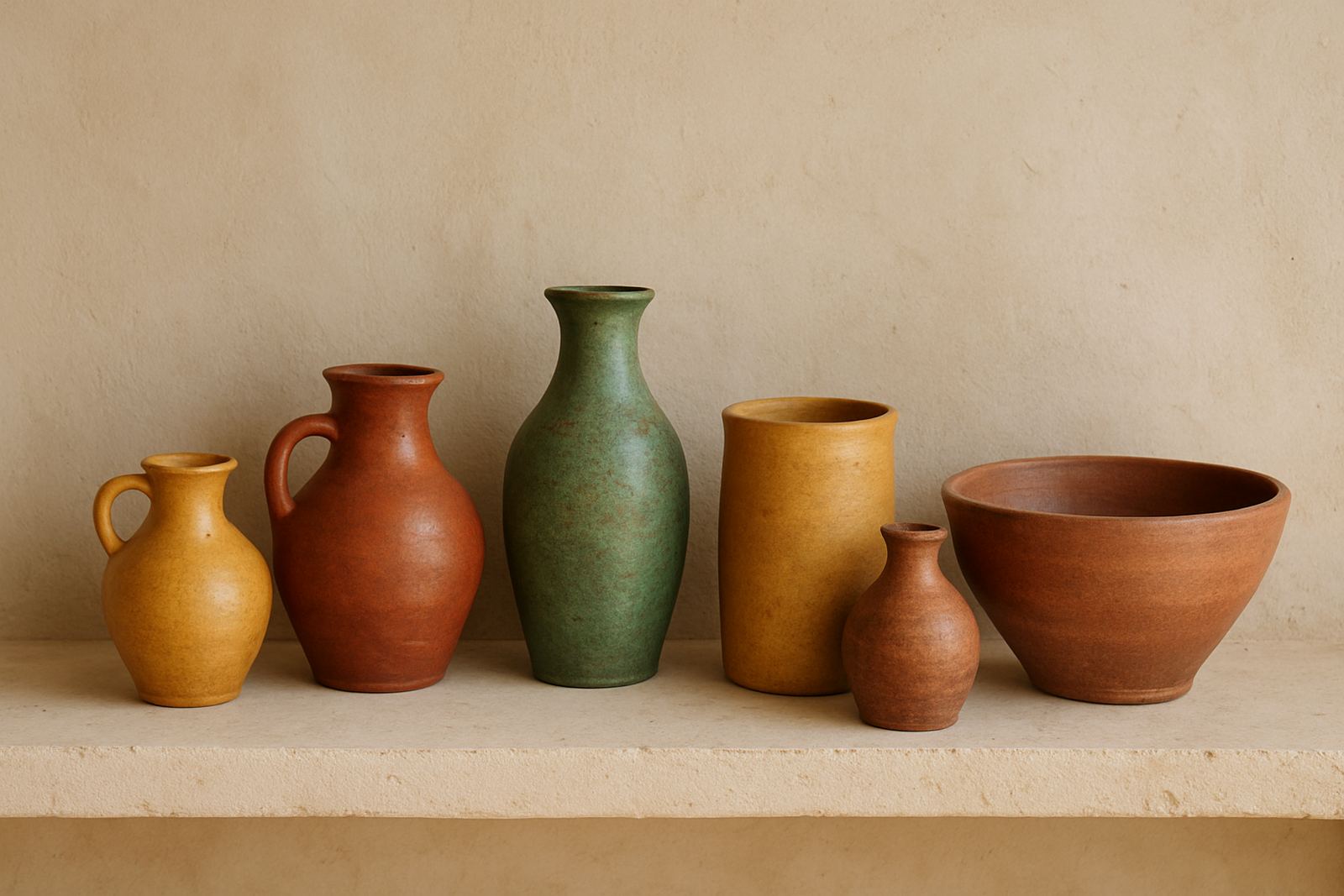
When an object has a clear origin, it is easier to value it. A hand painted ceramic from a maker in the Eastern Cape or a textile woven by a craftsperson in KwaZulu-Natal carries more than a pattern. It carries skill, time and judgement. That does not mean every item must be precious. It means the owner understands why it exists and who made it.
In practice, provenance matters because it changes how people care for the piece. If you know a ceramic bowl was shaped for serving fruit, you are less likely to use it for keys and loose change. If a cloth was made with natural fibres, you will wash it more gently and keep it out of direct sun. That small shift in behaviour helps the object last longer and feel more personal.
- Ask how the item was made and what it is best used for.
- Choose pieces with visible texture, variation or hand finish.
- Keep provenance cards or maker notes with the object, especially for gifts.
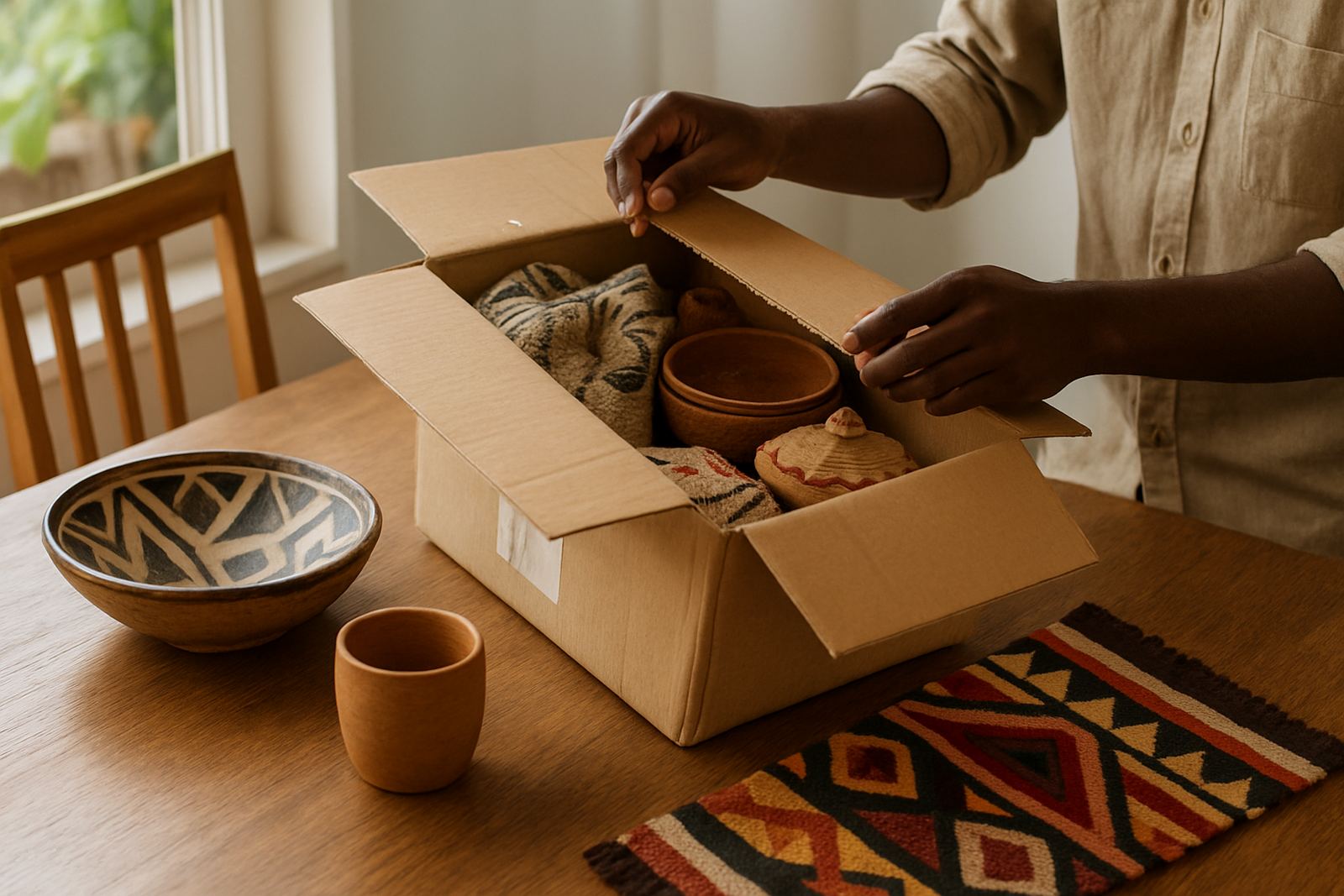
- For export, check packing needs early so fragile items arrive safely, not chipped.
Useful beauty works best in South African homes
Local conditions matter. Coastal humidity in Cape Town or Durban can affect untreated timber and certain natural fibres. Johannesburg dust can settle quickly on open shelving. Load-shedding changes how people use candles, torches, rechargeable lamps and shared table settings. A meaningful object is one that still feels right when the power is off or the weather shifts.
That is why practical curation matters. A well chosen tray can hold candles, matches and a small lamp during outages. A durable textile can soften a hard apartment chair and still be easy to air out. In a home where space is tight, an item that can move from the dining table to a sideboard to a guest room earns far more use than something fixed to one display spot.
At Creation Africa Foundry, we often see buyers respond most strongly to objects that solve a real need. A set of ceramic cups for a Sandton apartment, a woven basket for a Midrand family room, or a table runner for a guesthouse in Gqeberha all do practical work while still bringing character into the room.
How to buy with intention, not clutter
Buying meaningfully is less about collecting and more about editing. A home full of objects can feel busy, but a few well chosen pieces can carry real emotional value. The question to ask is simple: will this be used often, seen often, or both?
- Buy one item at a time and live with it before adding the next.
- Choose a colour or texture that already fits the home, rather than forcing a new scheme.
- For gifts, think about the recipient's routine. A breakfast mug may be more useful than a purely decorative piece.
- When ordering for hospitality or retail, plan quantities and packing before the season rush.
Intentional buying also helps avoid waste. If you know exactly where an object will live, you are less likely to put it aside in a cupboard. That habit is especially useful for households juggling school runs, work from home days and family visits. The item earns its place by being used, not by being admired once and forgotten.
The local table tells the story best
A good example is a family lunch table in Soweto or Pretoria. A hand woven runner is laid down first, then a ceramic serving bowl for salad, a jug for water and a small vase with fresh greens from the market. None of these things is expensive on its own, but together they shape how the meal feels. The table looks cared for, and the objects become part of the memory of the day.
That is the real strength of meaningful home objects. They are not chosen only for appearance, but for the role they play in ordinary life. Over time, the scuff on a wooden tray, the glaze mark on a bowl or the softened fold of a textile becomes part of the object's character. In many homes, that is exactly what makes it worth keeping.