
Maker partnerships beyond the purchase order
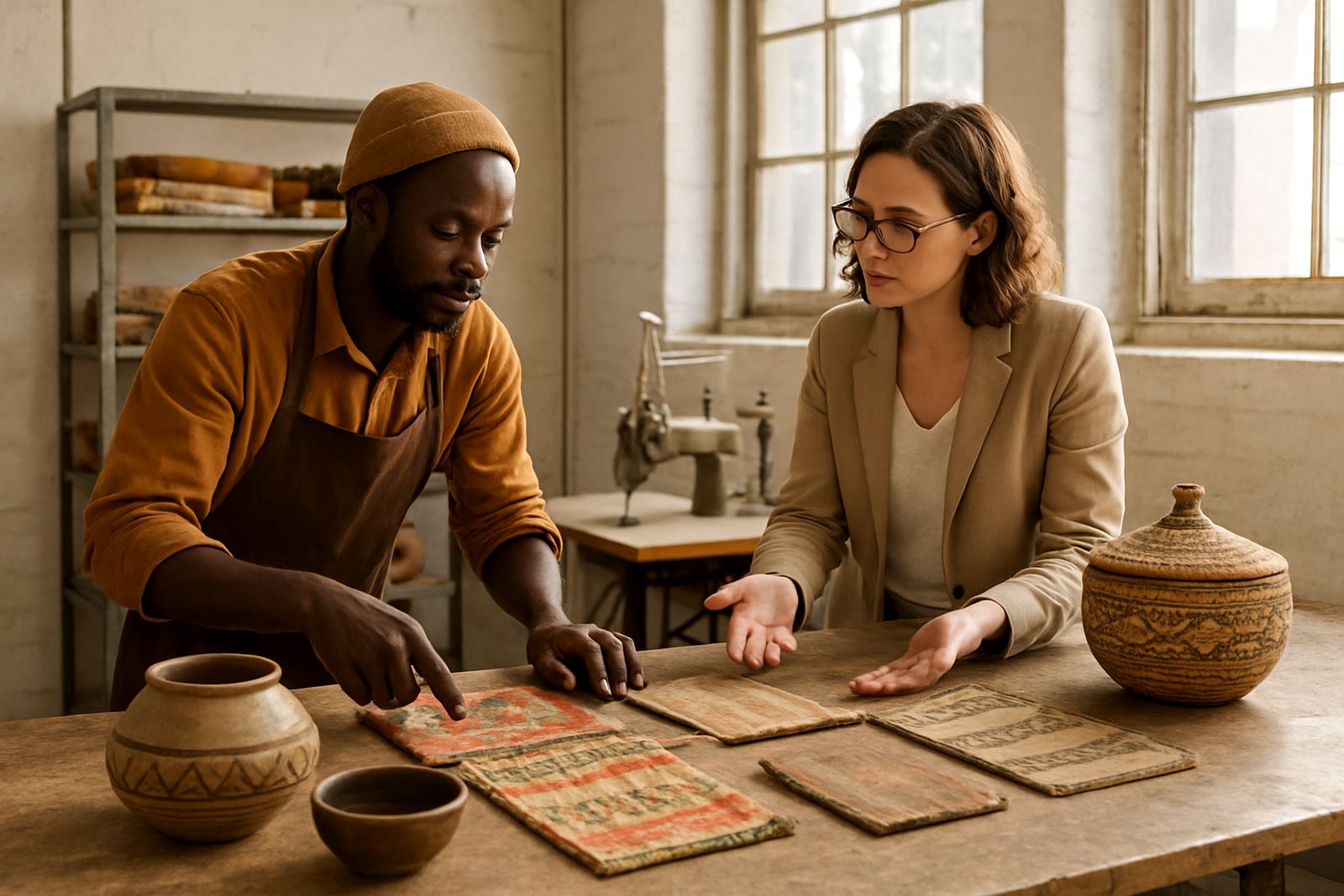
A strong maker relationship is not just about placing orders. It starts with respect for the person behind the piece, the time it takes to make by hand, and the fact that materials, labour and transport all cost money. When those things are understood from the start, the work runs better for everyone.
At Creation Africa Foundry, the aim is to connect makers from across the continent with customers in Johannesburg, Cape Town, Durban, Pretoria, Gqeberha and beyond, without flattening the story behind the work. A ceramic bowl made in one province, or a woven textile from another country, needs the right context so buyers know what they are paying for and why it matters.
In practical terms, that means asking clear questions early. What can the maker produce each month? What finishes are available? What lead time is realistic during busy seasons or when power cuts slow production? The best partnerships leave room for honest answers, not guesswork.
What fair timelines look like in real life
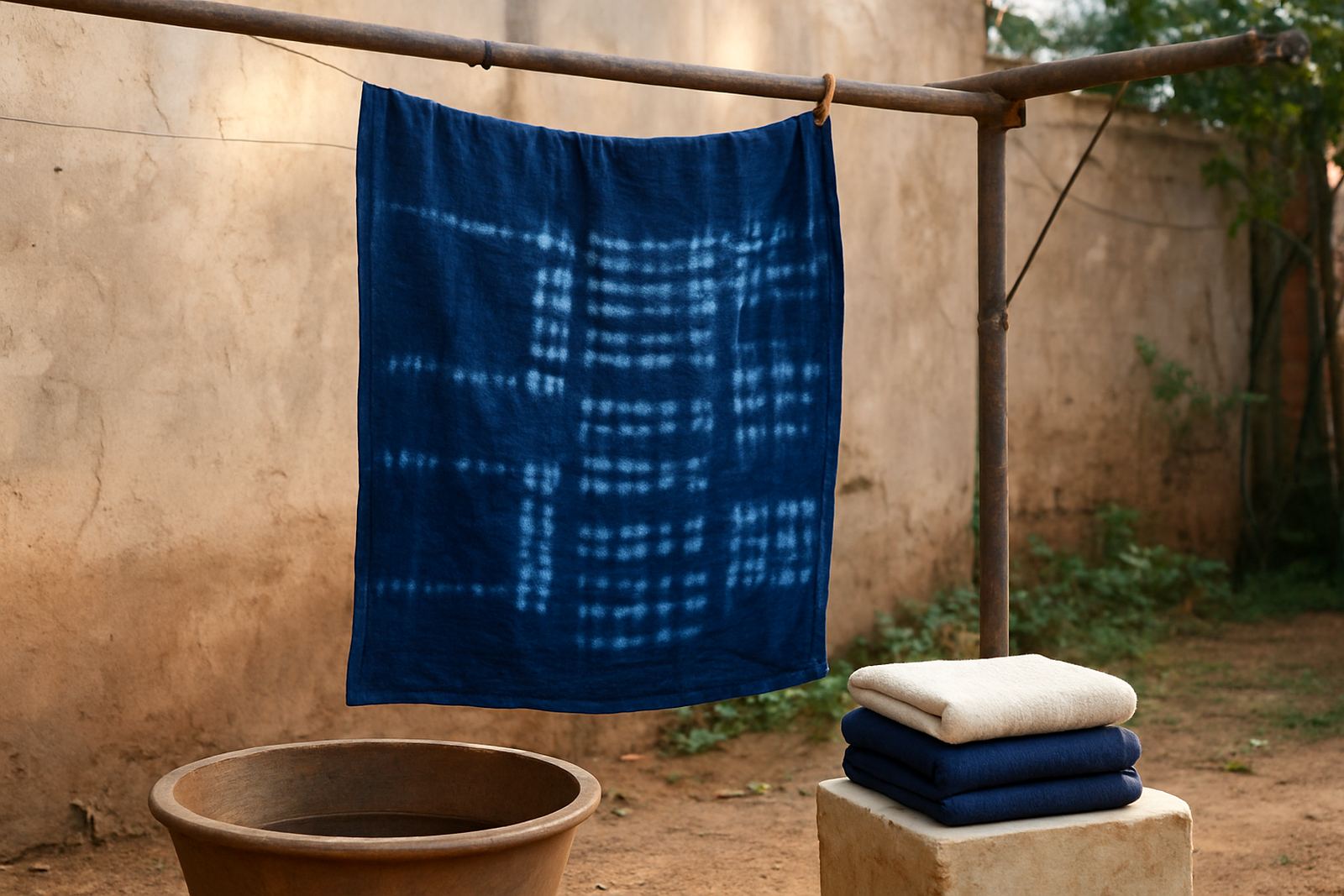
Fair timelines are one of the easiest ways to build trust. Handcrafted work cannot be rushed in the same way as factory stock. Clay has to dry, dye baths need time, and stitching or weaving must be finished properly. If a buyer wants a bulk order for a lodge in the Drakensberg or a corporate gift run in Sandton, the timeline needs to be agreed before production starts.
It also helps to build in margin for the real conditions makers face. Load-shedding, transport delays, water interruptions, and material shortages can all affect completion dates. Good planning does not remove those realities, it makes space for them.
- Share the required quantity, finish and delivery location from the start.
- Agree on a realistic production window, not just the fastest possible one.
- Confirm whether sample approval is needed before the full run begins.
- Allow for final checks before collection, packing or courier handover.
When timelines are fair, pressure drops and quality improves. That is true whether the order is for one collected piece or a larger hospitality fit-out.
Clear expectations prevent expensive mistakes
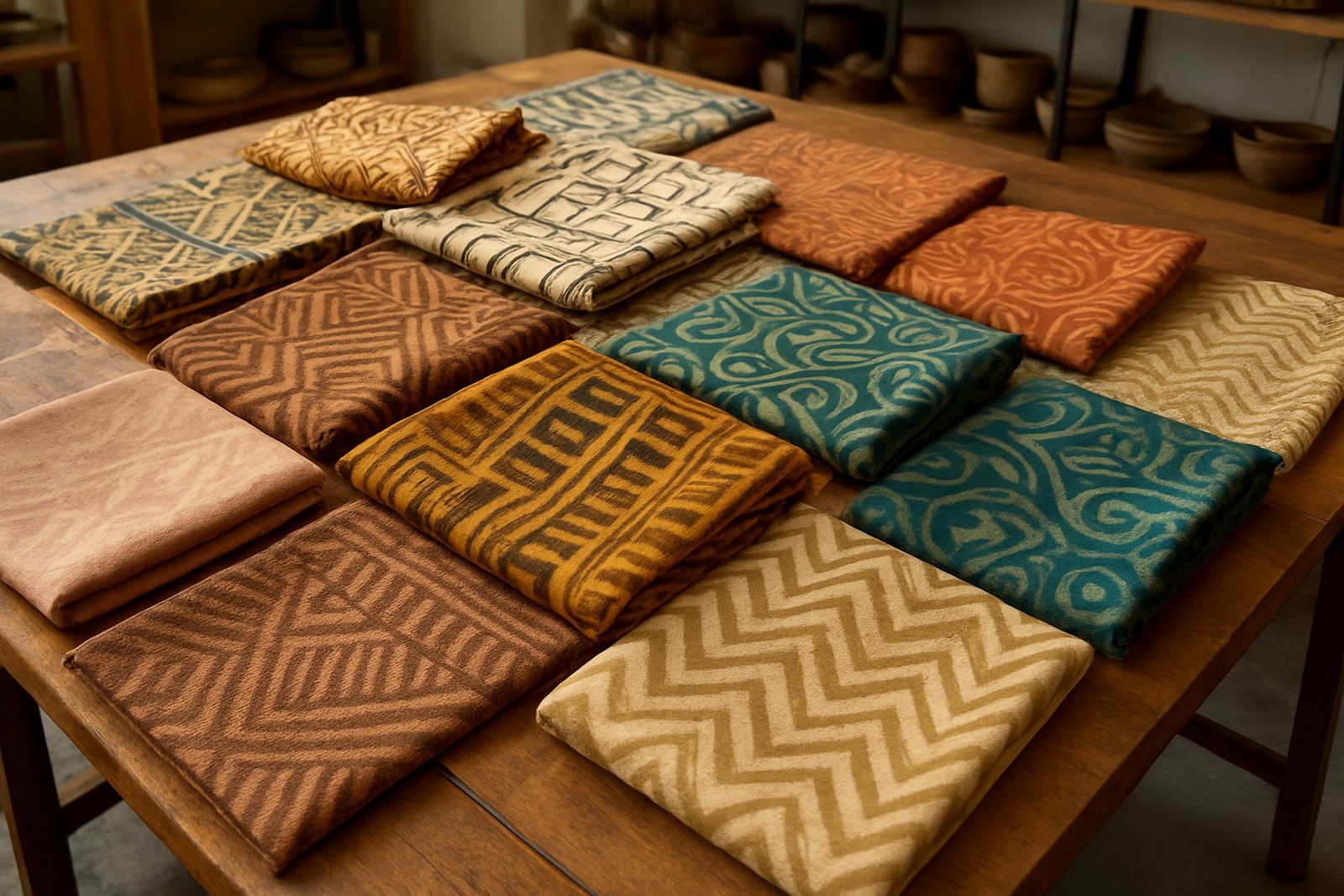
Most problems in maker partnerships come from assumptions. A buyer may expect exact colour matching, while a maker has worked with natural variation in the fibres or glaze. A curator may want 20 similar pieces, while the maker has understood that each item can carry small differences. Clear expectations stop that gap from becoming waste.
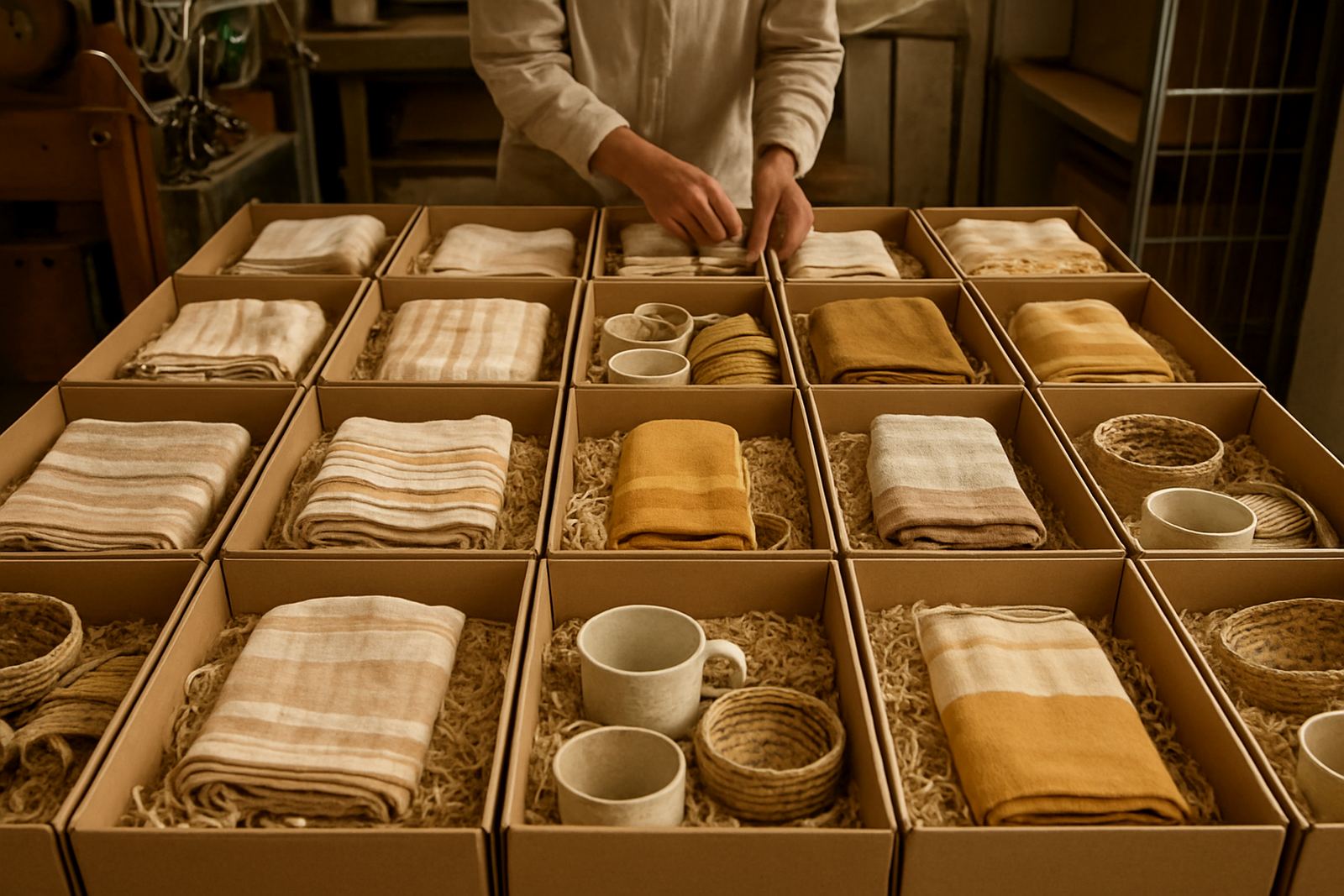
This is where written notes matter. Size, colour range, materials, quantity, packing, labelling and collection date should all be agreed before production. If a retailer in Pretoria wants mixed ceramics with provenance cards, that should be spelled out. If a hotel in Durban needs items packed for humid coastal storage, that also needs to be noted.
Good expectations are not about control. They are about making sure the maker can succeed and the buyer gets what was promised.
- Confirm dimensions in metres, centimetres or millimetres where needed.
- State if variation is welcome or if a tighter match is required.
- Agree who supplies packaging and who handles final labelling.
- Define what happens if a sample needs adjustment before bulk production.
Shared growth means the maker must also benefit
Partnerships should help makers build steady work, not just fulfil one-off orders. That can mean repeat buying, stronger product feedback, wider visibility, or introductions to new markets. It can also mean allowing a maker to test new lines before committing to a bigger run.
At our base in Maboneng, Johannesburg, the team works with makers, buyers and couriers to keep that flow practical. Ziyanda Magagula keeps marketplace operations moving, Lesego Qwabe manages maker partnerships, and Lindelwa Ramoroka handles export and logistics so shipments can move smoothly within South Africa and abroad. Sipho Khumalo supports customer queries, while Zinhle Maseko and Musa van Wyk help shape what is shown and how it is described.
For makers, shared growth may also mean better forecasting. If a group in Soweto or Midrand knows there is likely to be seasonal demand for a certain textile range, they can plan material buying and labour more carefully. That kind of forward planning helps protect margins and reduces pressure on both sides.