
Start with the room use, not the colour chart
A guestroom used for short stays needs different textiles from one that hosts family, business travellers or overseas visitors for a week at a time. Start with the way the room is used, then choose fabrics that can handle frequent washing, changing weather and a fair amount of wear. In Johannesburg, where mornings can be cool and afternoons warm, layering works better than trying to force one heavy set to do everything.
For most guestrooms, the safest base is a fitted sheet, top sheet, duvet cover, two pillowcases and a spare blanket. If the room is in a coastal area like Durban or Gqeberha, look closely at drying time and moisture resistance too. Cotton percale, quality cotton blends and tightly woven fabrics are practical because they wash well and keep their shape. Anything too delicate can become a maintenance headache very fast.
- Choose fabrics that can go through regular washing without losing body
- Keep the base palette simple so replacements match later
- Use one or two accent textiles for character rather than many small items
Guest comfort begins with touch and temperature
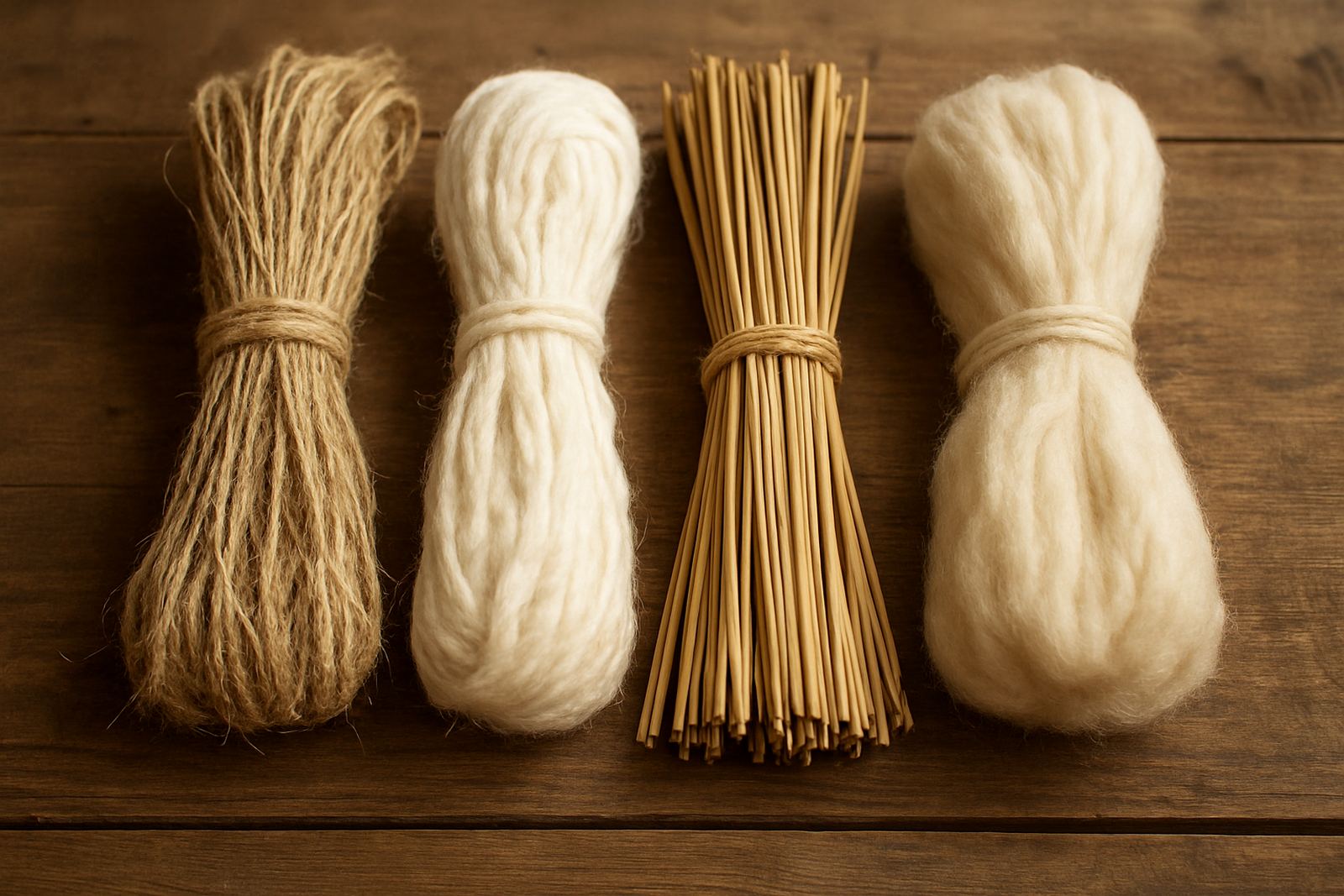
Textiles in a guestroom need to feel calm, not fussy. Guests notice softness, but they also notice whether a duvet feels too warm or a throw feels scratchy against the skin. Natural fibres often work well because they breathe and settle into the room without looking stiff. In summer, lighter weight bedding helps, while winter calls for an extra layer that can be folded away when not needed.
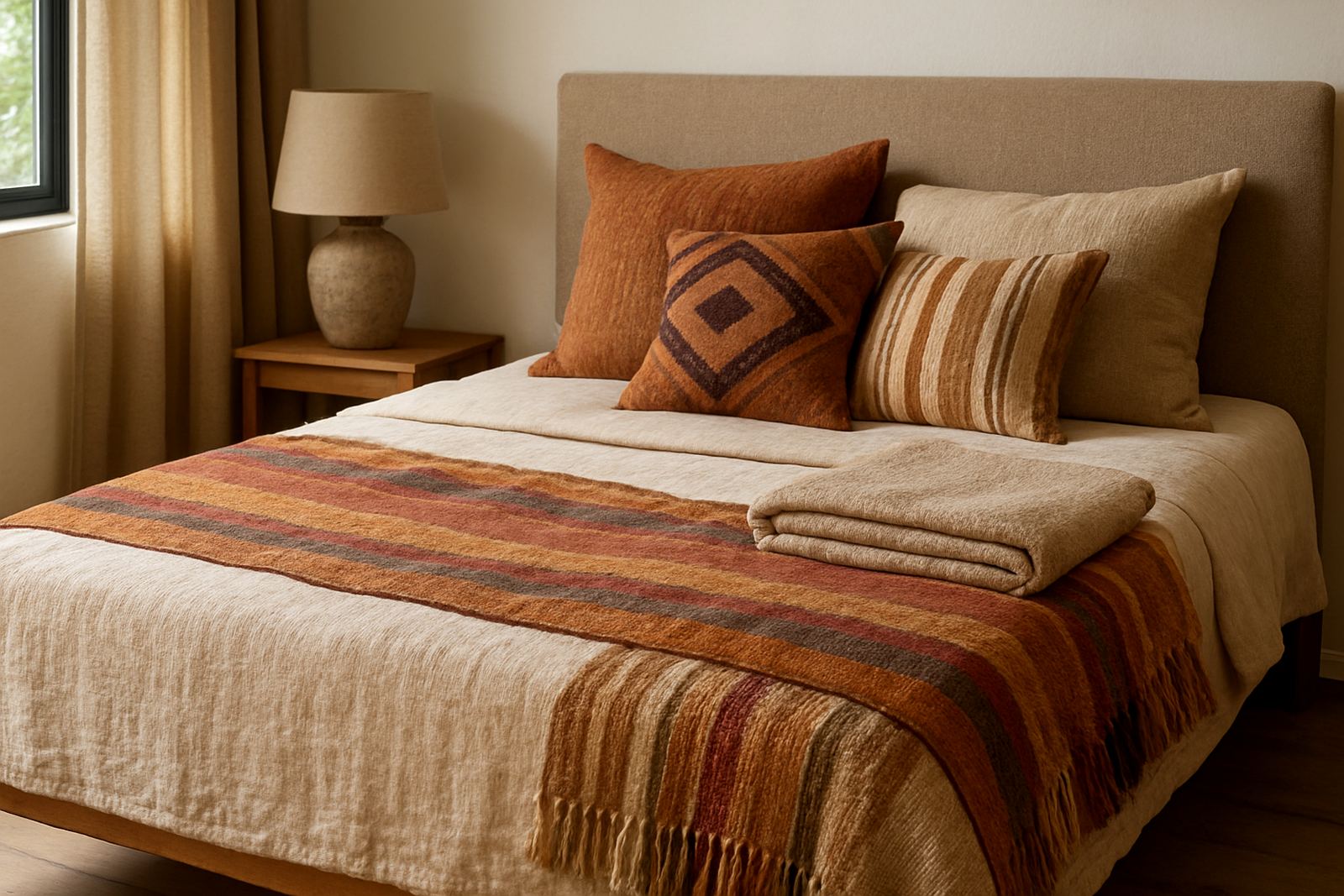
A useful test is to imagine the room after a long day of travel. The bed should be easy to understand, easy to use and easy to reset for the next guest. That means avoiding too many decorative pillows or throws that must be removed before sleep. A clean composition, with one textured accent and one practical blanket, usually gives better results than a crowded setup.
For hospitality clients, the feel of the fabric also matters during housekeeping. Linen that creases heavily may still look lovely, but if the room turns over quickly it can add hours to the laundry process. A good balance is a fabric that holds a neat line while still feeling relaxed. The goal is comfort that looks considered, not overworked.
Laundry, drying and stain recovery should guide every choice
In South African guesthouses and smaller hospitality settings, the laundry room is part of the decision making process. Load-shedding can interrupt cycles, and coastal humidity can slow drying on lines or in airing rooms. If textiles take too long to dry or need special handling, they quickly become expensive to run. This is where practical fabric selection saves money month after month.
Patterns can help hide minor marks, but they should not be used to disguise poor quality. The better approach is to choose fabrics that release stains easily and survive repeated washing at the temperatures your laundry process allows. White can work beautifully for guestrooms because it signals cleanliness, but it needs discipline. Creams and soft greys are also useful if you want a gentler look with slightly less maintenance.
- Check whether each item can be washed and dried on your regular cycle
- Ask how the fabric behaves after ironing or steaming
- Keep a spare set for every bed so turnaround is not rushed
- Use stain-friendly finishes where practical, especially for high occupancy rooms
For a small lodge in Pretoria, for example, the best setup might be a breathable cotton bed set, a washable runner at the foot of the bed and a simple scatter cushion cover that can be swapped out seasonally. That gives the room visual change without creating extra laundry pressure.
Use local design details with restraint
Guestroom textiles are a good place to bring in South African identity without making the room feel crowded. A woven runner, a patterned cushion cover or a hand finished throw can carry a strong sense of place while still staying practical. The key is to use one or two local details and let them speak clearly. Too many competing patterns can make the room feel busy and smaller than it is.
In Maboneng, where creative interiors often mix modern lines with handmade work, a guestroom might pair a plain neutral duvet cover with a handwoven throw in earthy colours and a ceramic tray for amenities. In Cape Town, a room facing the sea may suit cooler tones and tighter weaves that cope well with damp air. In Soweto or Midrand, a more urban guestroom might lean into graphic pattern, but still keep the bedding calm and easy to maintain.
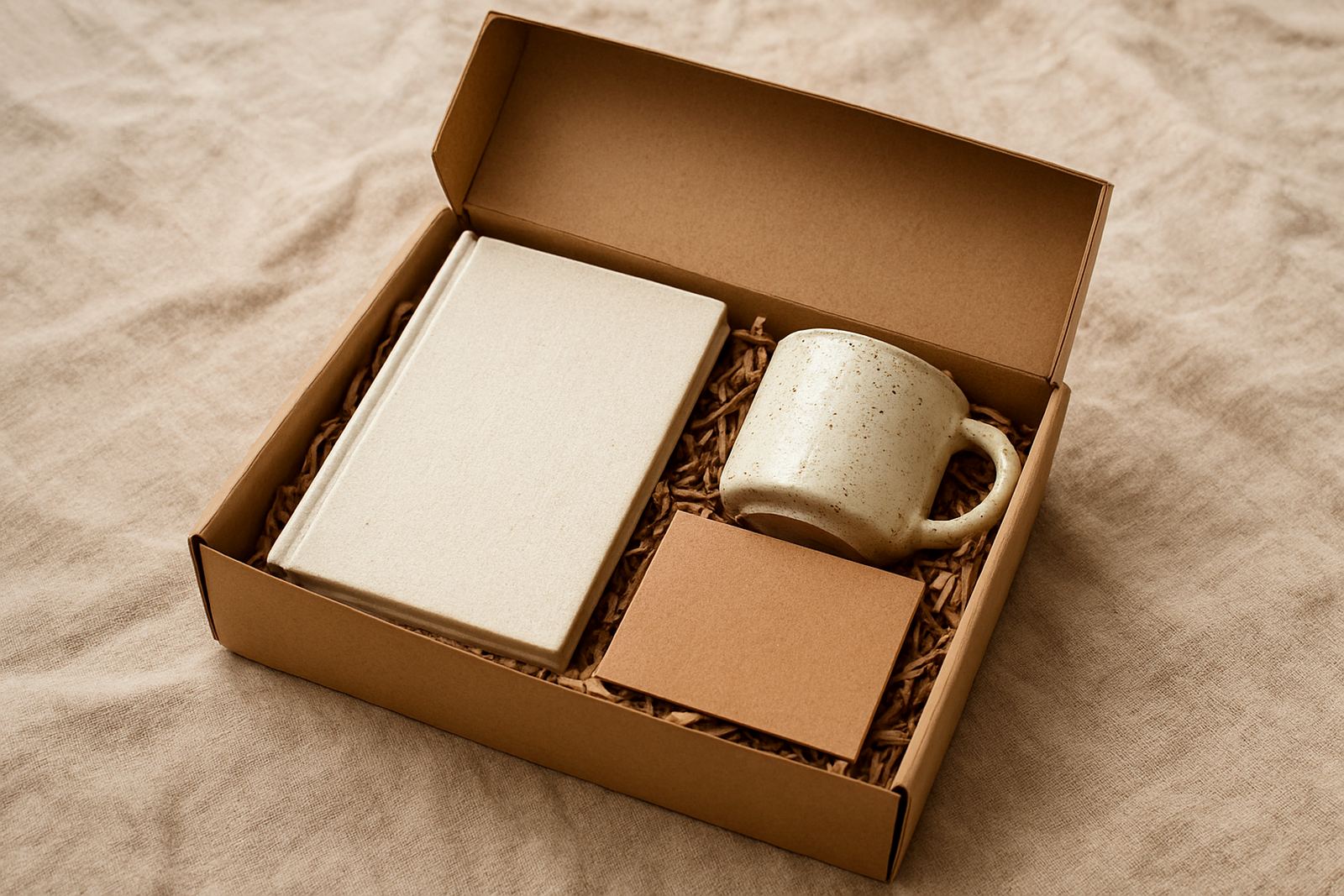
Provenance matters too. When textiles are sourced from makers across the continent, guests often appreciate knowing where the weave, print or finish came from. A small card can explain the material and maker in a simple way. It adds context without taking over the room.
Think in layers so the room works in every season
Layering is the easiest way to make guestroom textiles work across seasons and different types of visitors. One layer handles sleeping comfort, another adds warmth, and a third brings visual identity. This way the room can shift from summer to winter without a full replacement. In South Africa, where temperature swings can be sharp, this is especially useful.
A practical layered set might include a fitted sheet, a top sheet, a duvet with a washable cover and a foldable blanket or throw. Add cushion covers only if they can be removed and washed easily. Curtains also matter. They do not sit on the bed, but they control light, privacy and how the room feels at night and early in the morning. In busy city areas or street-facing rooms, lined curtains can make a real difference.
- Keep one year-round base set and one seasonal layer
- Choose curtain fabrics that block light without making the room feel heavy
- Match the pillow and bed layers so they reset quickly after cleaning
Buying for hospitality means buying for repeat use
Whether you are fitting out a few guestrooms or planning for retail wholesale, the buying decision should be based on repeat use. A beautiful textile that only lasts a short while is poor value. Look at thread quality, stitching, seam strength and how easily the item can be folded, packed and stored. If a piece creases badly or shrinks too much after the first wash, it will become a nuisance.
For larger orders, sample loans are worth considering so you can test the textiles in the actual room. See how they look under morning light, how they feel after washing and how they fit with the rest of the room. Gift packing and provenance cards matter less in a guestroom than in retail, but they can still be useful for VIP stays, wedding parties or corporate accommodation. The point is to make the room feel looked after, not overstyled.
From a practical point of view, the best guestroom textiles are the ones your team can manage without fuss. They should fold neatly, store without damage and stand up to the sort of use that comes with regular arrivals and departures. That is what keeps the room looking fresh between bookings and makes the guest experience feel consistent.