Why natural fibres still make sense in South African interiors
Natural fibre pieces are chosen for more than looks. They handle daily use in a way that feels honest and practical, which is why they suit apartments in Maboneng, family homes in Pretoria, coastal flats in Durban and guest spaces in Cape Town. The right fibre can soften hard flooring, reduce the bare feel of tiled rooms and add texture without asking for much fuss.
In a climate like ours, material choice matters. Coastal humidity can affect how a fibre feels over time, while dry inland air can make some materials feel firmer and lighter. Natural fibres do not all behave the same, so it helps to think about the room, the amount of sun, and how often the item will be handled. A good choice lasts longer and looks better, even with load-shedding, open windows and busy households.
- Choose firmer fibres for high-traffic areas and lighter weaves for gentle use.
- Match the fibre to the climate, especially where humidity or strong sun is a factor.
- Ask how the item will be cleaned before buying, not after stains appear.
Sisal for hard-wearing texture underfoot
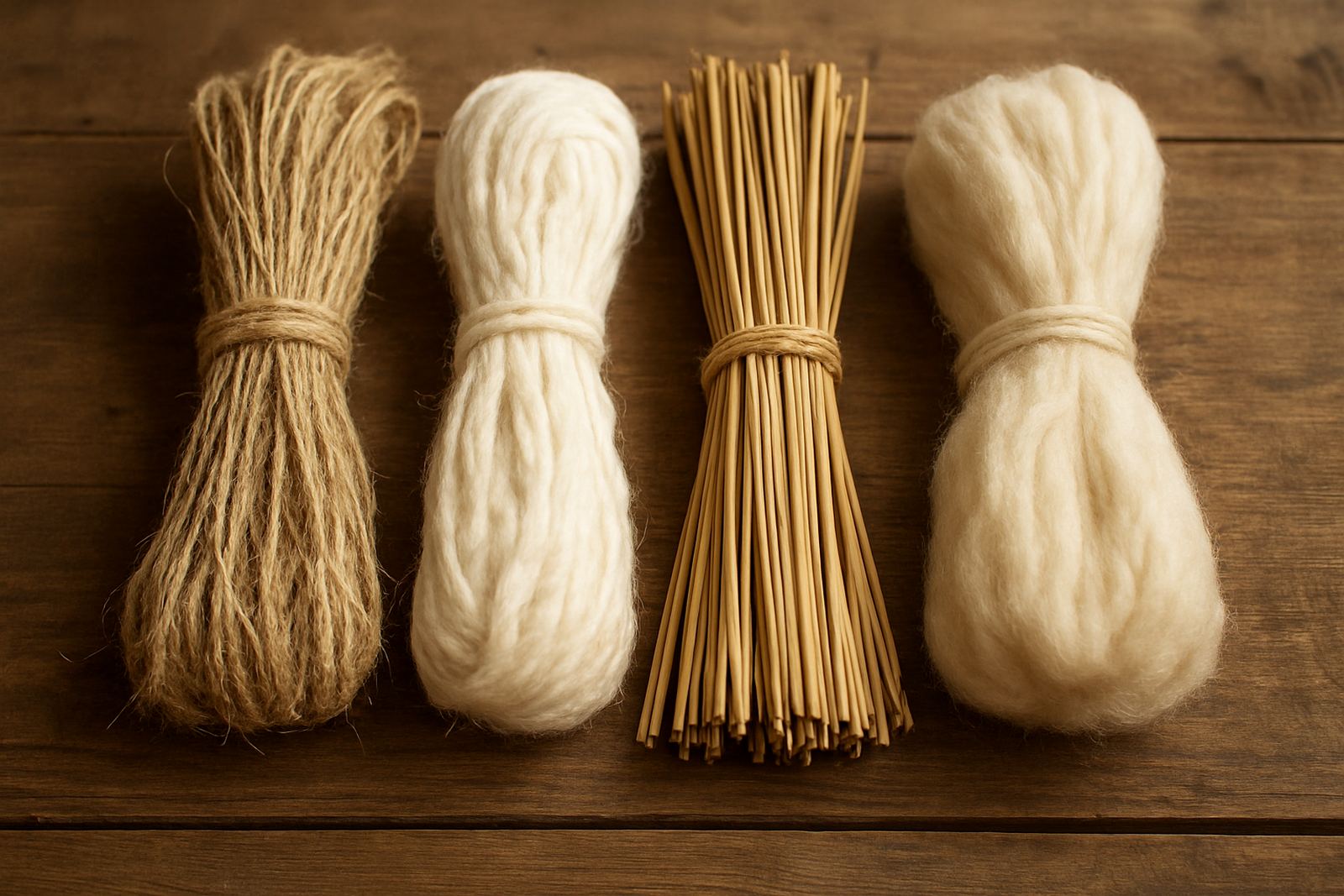
Sisal is one of the most practical fibres for floors, runners and statement mats. It has a dry, textured feel and a neat appearance that works well in entryways, passages and living rooms. Because it is naturally firm, it can cope with regular foot traffic and still keep its shape. That makes it useful for retail spaces, small offices and homes where people come and go all day.
It is not the softest option, and that is part of its appeal. Sisal gives grip underfoot and feels stable on polished concrete, timber and tiles. For a Johannesburg home with a lot of daylight, it can also help balance colder surfaces without looking heavy. Keep it away from repeated spills and very damp areas, since moisture can mark it and shorten its life.
- Best for: passage runners, entrance mats and low-pile floor pieces.
- Works well in: dry inland homes, busy foyers and simple retail displays.
- Less suitable for: kitchens, bathrooms and places with frequent water on the floor.
Reed adds lightness, structure and a local craft feel
Reed brings a different kind of usefulness. It is lighter in appearance, often woven into baskets, storage pieces, shades and decorative forms. Reed works especially well when a space needs order without looking too formal. In a hospitality setting, it can soften shelving, display counters or waiting areas while still keeping things tidy.
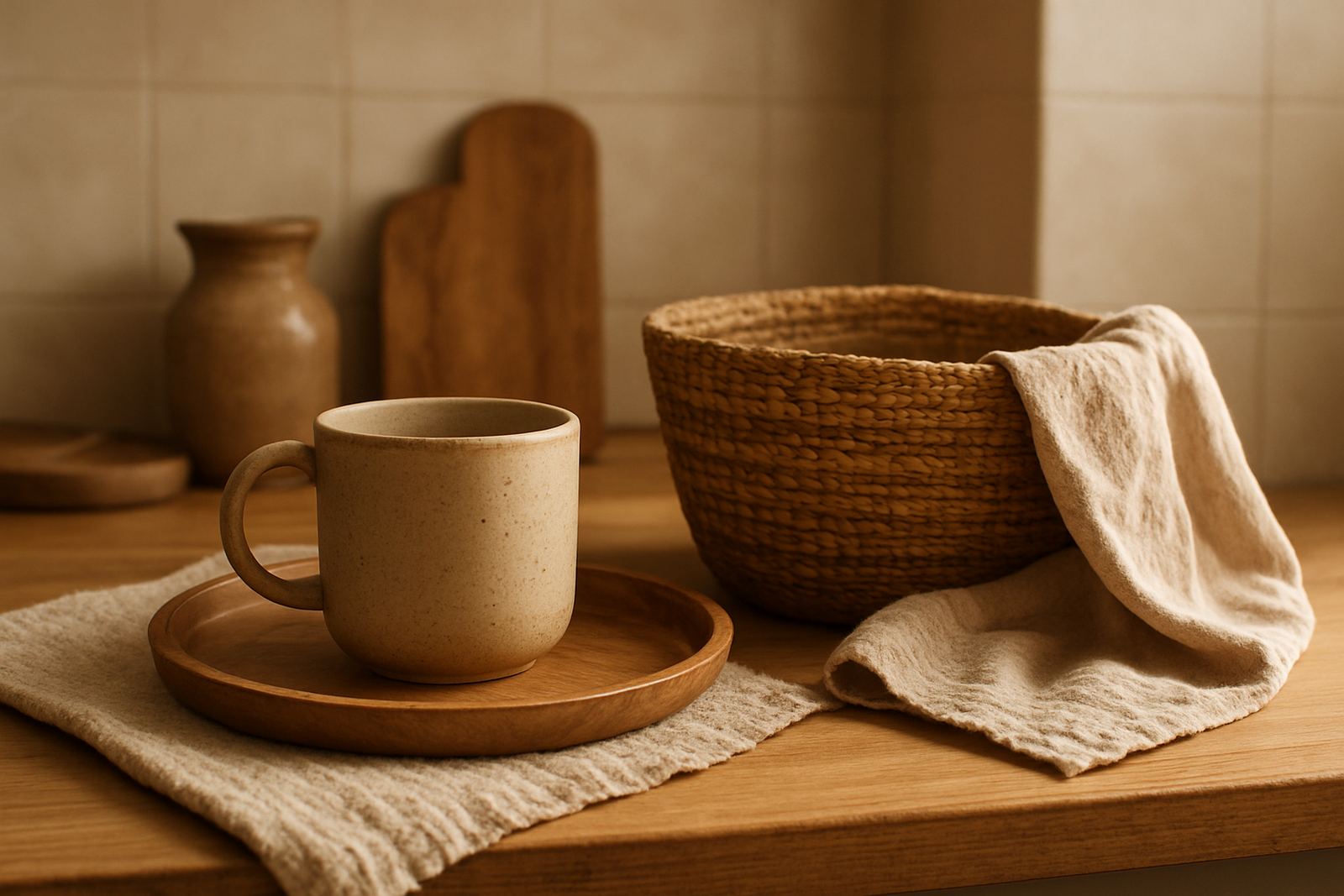
Because reed is often worked by hand, the finish can show the maker’s method more clearly than machine-made goods. That is part of its charm. You may see small variations in weave, tone or width, and those differences are useful rather than imperfect. In a home or studio, reed pieces can carry blankets, magazines, towels or market stock without feeling bulky.
- Use reed for storage baskets, tray work, lampshades and decorative containers.
- Choose tighter weaves if the item must carry weight or be moved often.
- Keep reed out of standing water and wipe it with a dry cloth after dusting.
Cotton brings softness for throws, cloths and layered living
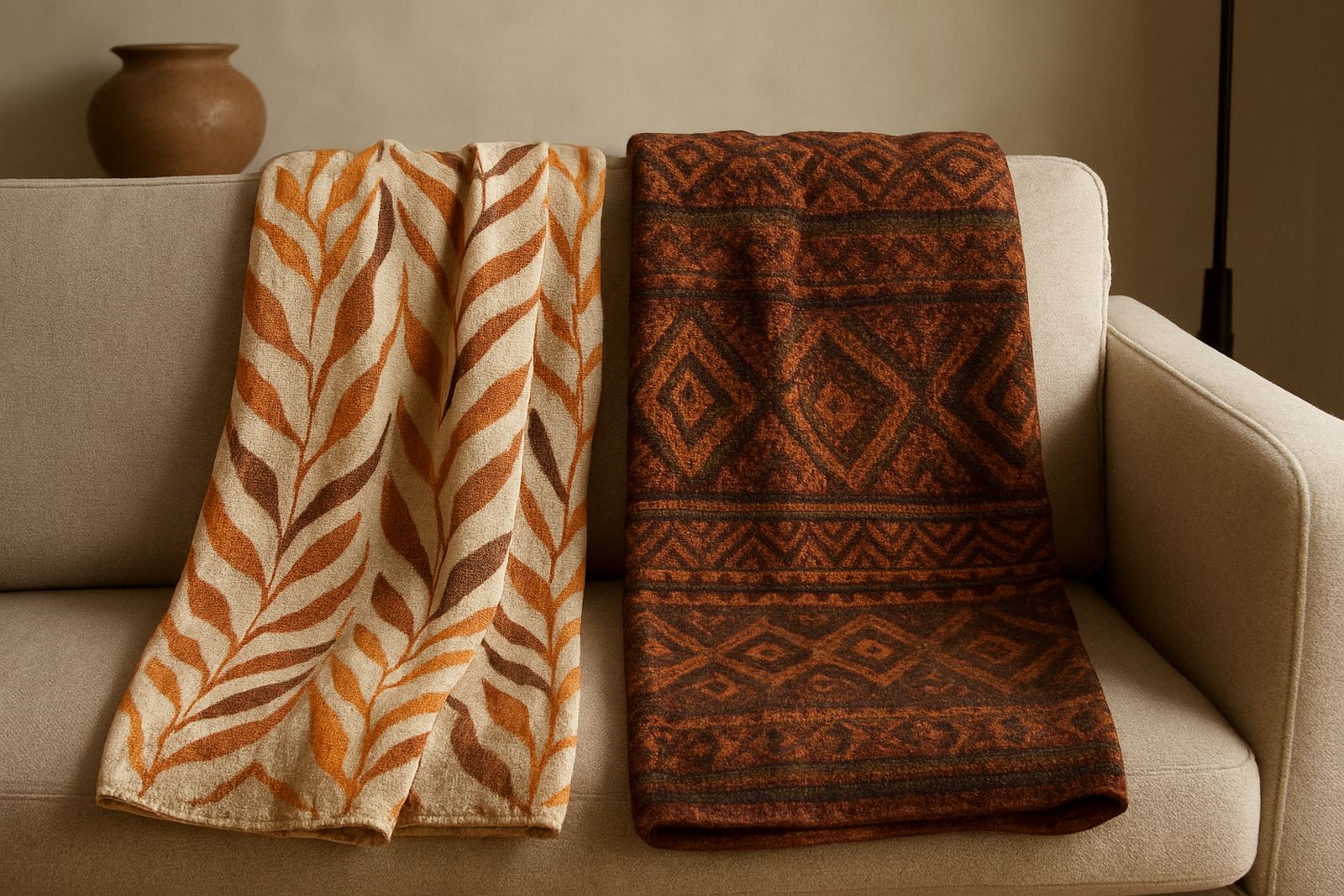
Cotton is the most familiar of the fibres here and often the easiest to live with. It feels soft, breathes well and works in pieces that need regular handling such as throws, table cloths, napkins and cushion covers. For homes with children or guest turnover, cotton is often the practical starting point because it is comfortable and generally easy to wash.
It also suits seasonal changes. In summer, cotton feels cooler and lighter. In winter, it layers neatly with wool and other textured materials. For a Cape Town apartment where the weather can shift quickly, cotton is useful because it does not ask for much ceremony. It folds easily, packs well for export and can be refreshed without making a room look overworked.
- Best for: throws, table linen, cushion covers and wrapped gift sets.
- Good to check: weave density, seam finishing and how the fabric was dyed.
- Practical tip: pre-wash cotton items if they will be used on dining tables or in guest rooms.
Wool for warmth, comfort and quieter rooms
Wool is the fibre to choose when comfort matters most. It has a natural spring and warmth that makes it ideal for blankets, smaller rugs and winter layers. In colder inland towns and high-rise spaces that catch a lot of evening chill, wool brings a sense of comfort without needing thick bulk. It also has a pleasing weight, which helps it stay in place on beds and sofas.
Another useful feature is how wool handles everyday living. It can resist creasing better than many softer materials and often keeps its shape with careful use. For hospitality spaces, it gives guest rooms and lounges a more settled feeling. If you are curating for a winter collection, wool is one of the fibres that can make a simple room feel considered without overdoing it.
Look after it with care though, because wool prefers gentle cleaning and proper drying. In damp coastal areas, it should not be stored while slightly wet, as that can affect the smell and finish.
How to choose the right fibre for the room and the user
The best choice depends on use, not just taste. A busy family home, a guest house in Sandton and a retail display in Maboneng will all need different handling. Before buying, think about who will touch the item, how often it will be moved and whether it must handle sun, dust or spill risks. That simple check avoids disappointment and saves money over time.
It also helps to be honest about the room itself. Tiles and concrete can handle firmer weaves, while bedrooms and lounge areas often benefit from softer layers. If you are styling a hospitality space, texture can help define zones. A sisal runner at the entrance, cotton on the beds and a wool throw in the lounge can make the whole place feel complete without trying too hard.
- For foot traffic: sisal is usually the strongest practical choice.
- For storage and display: reed keeps shape and adds texture.
- For everyday comfort: cotton is easy to live with and easy to refresh.
- For warmth: wool is the clearest option, especially in cooler months.
A local example: from Maboneng to the coast
Picture a small guest apartment in Maboneng that welcomes travellers from Durban, Gqeberha and abroad. A sisal runner sits near the entrance, cotton covers the scatter cushions, reed baskets keep extra towels in order and a wool throw is folded at the end of the bed for colder nights. Each fibre does a different job and none of them compete for attention. The room feels grounded, practical and ready for use.
That is the real value of natural fibres. They do not need to shout to be noticed. They bring texture, comfort and a sense of material honesty that works across homes, stores and hospitality spaces. When you choose well, the piece supports daily life and still looks good months later, which is exactly what South African buyers tend to ask for.