Why a story makes a gift feel worth keeping
The strongest gifts are not the loudest ones. They are the pieces that get used every week, then remembered because they were chosen well. A handwoven throw, a ceramic bowl or a printed table runner can do more than fill a space. It can link the person receiving it to the maker, the place it came from and the thought behind the choice.
That matters whether you are buying for a birthday, a housewarming, a client thank you or year-end staff gifts. In South Africa, people respond well to gifts that feel practical and personal. A piece with a maker card, a short note on where it was made and details on how to care for it turns a simple item into something people keep on a shelf or use at the table, not tucked away in a drawer.
At our base in Maboneng, Johannesburg, we often see how a small detail changes the whole buying decision. A cotton throw in earthy colours, for example, works in a Sandton apartment, a Cape Town guest house and a Durban home where humidity means natural fibres must be easy to air and store. The gift is still beautiful, but it also fits real life.
Choose by use first, then by beauty
When a gift will be used often, it earns its place faster. Start with the occasion and the setting. Is it for dining, travel, home decor, hospitality or office use? Then match the material to the setting. Ceramics suit dining and display. Textiles suit lounging, layering and gifting at scale. Smaller artisan goods work well for hospitality hampers and corporate handovers.
For buying across South Africa, think about climate and handling too. A ceramic piece for a Pretoria boardroom can be bold and heavy. A textile gift for coastal use in Gqeberha or Durban should be easy to wash and dry. If the recipient travels, choose items that pack well and won’t need special treatment on arrival. Good gifting is not about expensive things it is about the right things.
- Textiles: throws, napkins, runners and wraps for home or hospitality
- Ceramics: mugs, serving bowls, platters and decorative vessels
- Small artisan goods: baskets, candles, wearables and tabletop pieces
- Gift sets: two or three pieces that work together and are easy to present
What to ask before ordering story-led gifts
Useful gifting starts with the right questions. If you are ordering for a business, a wedding, a media launch or a seasonal campaign, ask about lead times, stock consistency and packaging options before you commit. Handmade work can vary slightly from piece to piece, and that variation is part of the value. Still, you need clarity on quantities, size ranges and whether a set can be repeated.
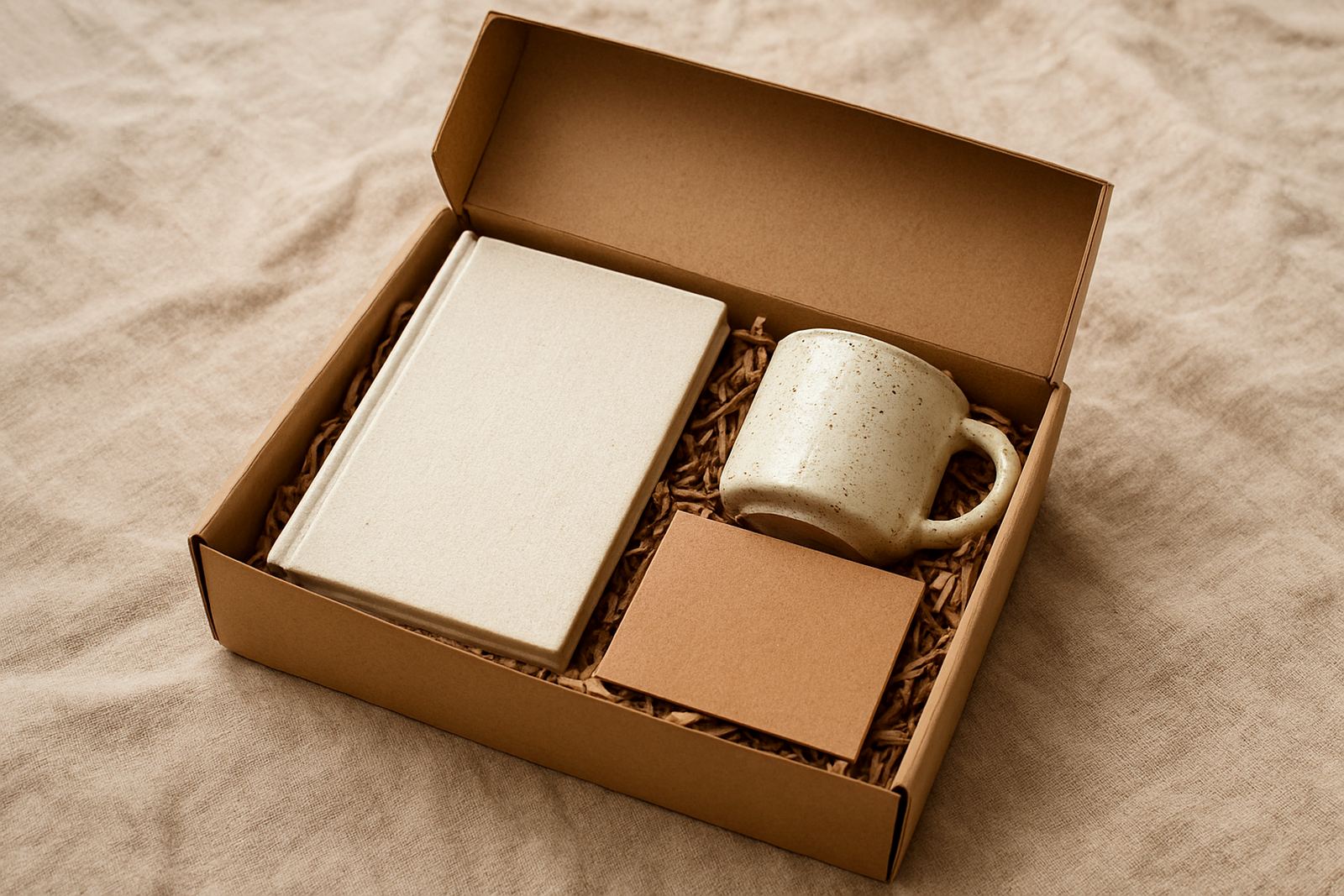
For larger orders, it helps to separate the main gift from the presentation. A ceramic mug may be the hero item, while a folded cloth wrap or printed card carries the message. That keeps the gift practical and makes it easier to coordinate across branches or teams. It also reduces breakage and waste during courier movement.
- How many units can be supplied within the required time
- Whether colours, sizes or motifs can be repeated consistently
- What packaging works best for courier and hand delivery
- Whether provenance cards or short maker notes can be included
If you are ordering from Johannesburg to Cape Town, Durban, Pretoria or abroad, export packing and courier coordination should be handled from the start. A proper box, internal wrap and clear labels save time at the other end and lower the risk of damage.
How to gift across cultures without getting it wrong
South African gifting happens across many languages, family customs and work settings, so the safest gifts are respectful and adaptable. Keep the tone warm and avoid anything too personal unless you know the person well. Neutral colourways, practical sizes and honest material choices are usually well received. If you are buying for someone with strong design preferences, keep the shape simple and let the workmanship do the talking.
In a hospitality setting, the same rule applies. A guest house in Maboneng may want a welcome gift that feels local but still easy for visitors to carry home. A ceramic bowl with a small packet of artisanal soap, or a folded textile with a maker card, gives visitors something useful and memorable. It also supports the idea that local design can be both elegant and everyday.
For corporate gifts, avoid overloading the package. One or two well-chosen pieces are better than a basket of mixed items no one has time to unpack. The goal is to make the recipient feel considered, not overwhelmed. A clean, simple presentation with a short explanation of the maker is enough.
Local example: a Johannesburg gift that travels well
A practical example is a year-end gift for a Pretoria law office with clients in Durban and Cape Town. Instead of a generic hamper, the order can be built around one woven textile, one ceramic piece and a provenance card for each recipient. The textile gives warmth and daily use, the ceramic piece adds craft value, and the card explains where the item came from and who made it.
For shipping, each item is packed separately, then placed in a stronger outer carton for courier movement. That matters in summer when heat and humidity can affect certain materials and during load-shedding periods when dispatch timing can shift. Good packing keeps the gift looking as it should on arrival, whether it is collected in Sandton, delivered in Midrand or sent further afield.
This approach also works for smaller businesses. A boutique retailer in Soweto can order a limited run of gifts for loyal customers, while a guest house in Gqeberha can keep a small selection on hand for repeat visitors. The format is flexible and the story stays intact.
The finish matters as much as the object
A gift becomes memorable when the final details are handled properly. Gift packing should be neat, secure and in keeping with the item inside. Provenance cards should be short, accurate and easy to read. Seasonal editing helps too, because gifts feel more thoughtful when they suit the time of year, the occasion and the person receiving them.
For example, winter gifting often suits heavier textiles and table pieces, while summer gifting works better with lighter wraps, serving items and smaller objects that are easy to transport. Bulk order planning also helps avoid last minute substitutions. If you know the recipient list early, you can match items to the audience instead of forcing one gift into every situation.
- Keep packaging simple and strong enough for courier handling
- Use a short note that explains the maker story without overdoing it
- Choose materials that suit the recipient’s home, climate and routine
- Allow time for sample loans when choosing gifts for a large group
Gifts with story do not need to be complicated. They need care, good judgement and the kind of practical thinking that makes the item useful after the wrapping is gone.