
Start with the table’s real job
Before adding anything, look at how the table is used on most days. Is it for weekday meals, homework, shared suppers, client meetings or hospitality service? The answer matters because a table that must clear in five minutes needs different pieces from one that stays dressed for most of the week.
In South African homes, space is often shared and every item has to earn its place. A long table in a Midrand townhouse, for example, may need to host six people, a fruit bowl and a serving platter, while still leaving room for plates and glasses. That means choosing pieces that sit low, stack well and are easy to move when the meal changes.
At Creation Africa Foundry we often advise clients to begin with only two or three anchor items. One statement bowl, one serving tray, and one textile can do more than a full spread of small objects. The table feels thought through, not overfilled.
Use one strong centre point, not a crowd
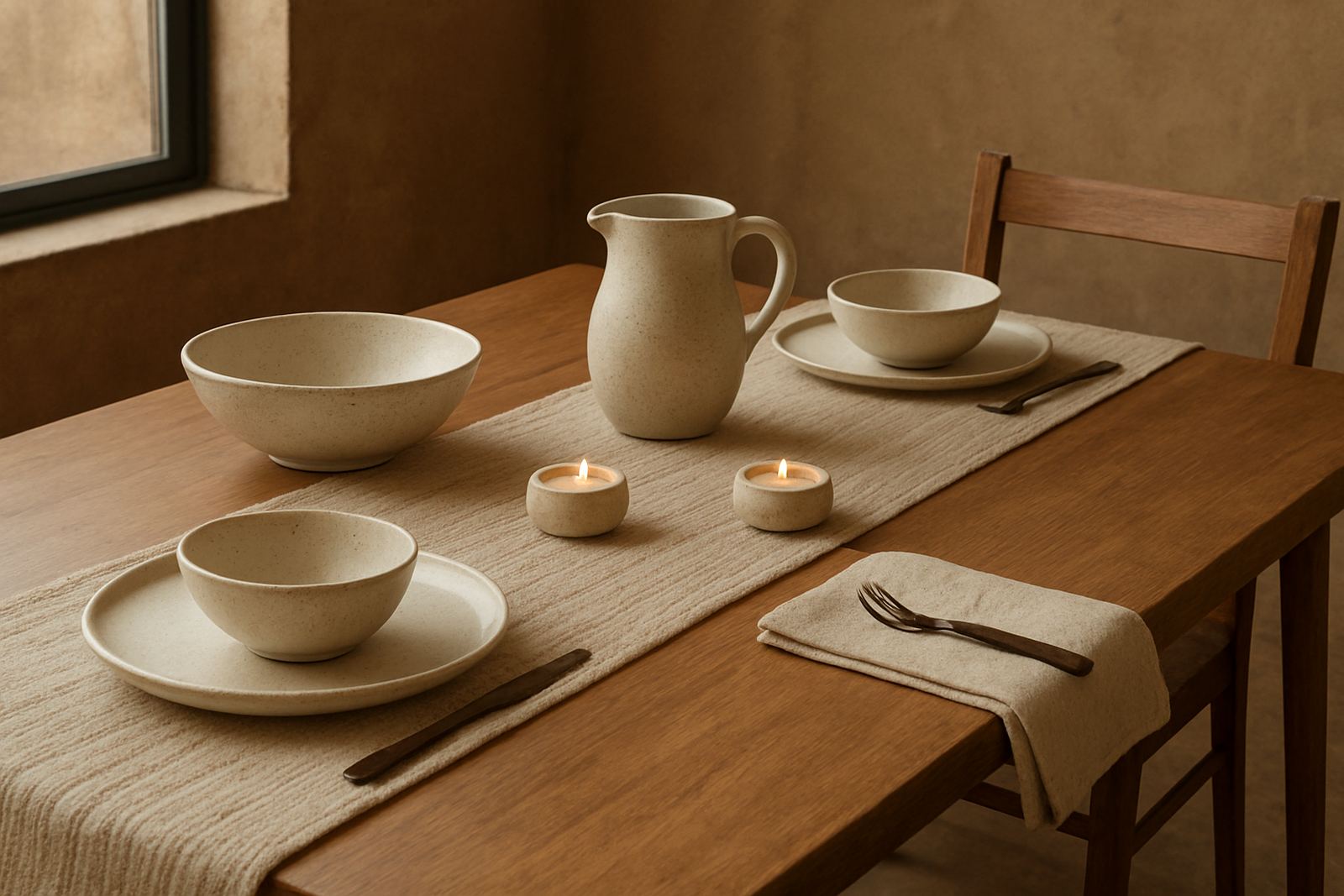
The simplest way to avoid clutter is to give the eye a single place to rest. A hand-thrown bowl, a carved serving dish or a woven runner can be the centre point. Once that is in place, everything else should support it, not compete with it.
For a dining table, scale matters more than quantity. A ceramic bowl that is too small gets lost, while one that is too wide leaves no space for serving plates. A good rule is to keep the centrepiece below eye level and leave enough open surface for shared dishes. If people must lean around it, it is too much.
- Choose one centre piece with enough visual weight to anchor the table.
- Keep candles, napkins and serving tools in the same tone family.
- Avoid mixing too many patterns at once, especially on a small table.
- Leave at least one third of the table clear for food and movement.
Let texture do the work
When there are fewer objects on the table, texture becomes important. A linen runner, a textured ceramic jug and a woven placemat can add depth without adding visual noise. This is where handmade goods really shine, because the surface itself carries character.
Textiles are especially useful in homes that deal with heat, dust or strong afternoon light. In Johannesburg, a plain table can feel harsh under direct sun, but a natural fibre runner softens the look immediately. In Durban, where humidity is higher, breathable fabrics and glazed ceramics are practical because they cope better with daily use and quick cleaning.
A good tabletop scheme does not need matching pieces. It needs pieces that share a feeling. A clay bowl with slight variation, a hand printed cloth and a simple wooden spoon set can work together because they all feel honest and useful. That is what keeps the table calm.
Choose objects that carry more than one purpose
Clutter often begins when every item is single-use. To keep a table clean and ready, choose pieces that can shift between service, display and storage. A ceramic platter can serve snacks at lunch and hold fruit later in the week. A woven basket can collect bread one day and napkins the next.
This approach works well for family dining and for hospitality styling too. Restaurants and guest houses need tabletop items that look considered but can move fast between covers. A set of matching hand made vessels, for example, can be used for condiments at breakfast, small sides at lunch and shared sauces in the evening.
- Pick serving pieces that are light enough for daily handling.
- Use covered items where dust or flies are a concern.
- Keep a small set of neutral bases that work across seasons.
- Store extras nearby, so the table is not holding everything at once.
Build a local look that travels well
Clients often ask for a table that feels distinctly South African without looking themed. The answer is to mix colour, texture and scale in a controlled way. A single bold ceramic piece can sit comfortably beside a neutral textile and a simple glass or metal vessel. The table then feels rooted, not decorated.
For a Sunday lunch in Soweto, for instance, you might use a striped textile, a deep serving bowl and one small carved piece for bread or salt. The colours can echo the meal, the season or the room, but they should not fight for attention. If the food is colourful, keep the setting quieter. If the food is plain, let the pieces carry more visual energy.
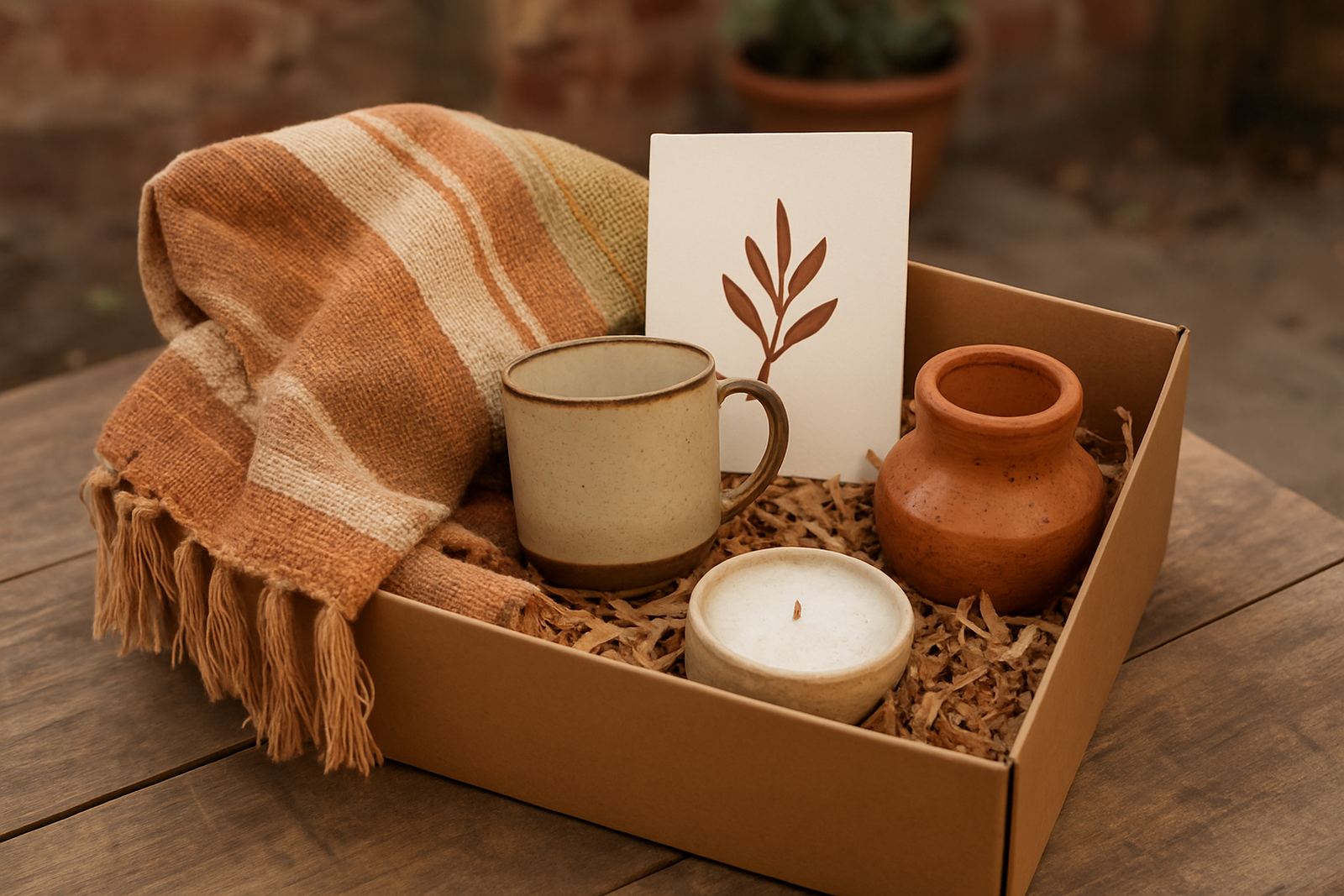
That same thinking helps with gifting too. A practical tabletop gift feels more thoughtful than a set of random ornaments. People use what they can wash, refill and bring out again. That is why tableware and artisan textiles remain such dependable choices for birthdays, corporate gifting and housewarmings.
Plan for loading, serving and packing
Good tabletop styling is not only about the finished look. It must also work in transit, in storage and during unpacking. Ceramics need careful packing, especially for courier work across provinces or export orders. Textiles should be folded so they arrive without hard creases, and fragile items need enough padding to handle the knocks that come with long-distance delivery.
For homes, it helps to keep a simple rotation. One set can live on the table, another in a cupboard and a third packed for guests or special meals. That makes it easier to change the mood without buying more than you need.
At Creation Africa Foundry, collection consultations and export packing are part of keeping these pieces usable, not just beautiful. The aim is to send items that are ready for the table when they arrive, whether they are headed to Cape Town, Pretoria, Gqeberha or overseas.
A good table leaves room for people
The best dining tables are not styled to look full. They are arranged so people can sit down, serve themselves and talk without moving things out of the way. That means fewer pieces, better spacing and a clear sense of purpose. A table can still feel warm, generous and handmade without being crowded.
If you are curating for a private home, a small restaurant or a hospitality space, start with what you need every day and add only what improves the meal. One strong centre piece, one useful textile and one or two supporting vessels are often enough. The rest can stay off the table until it is needed. It sounds simple because it is, and it works.
That is the real value of artisan tabletop pieces. They bring character, but they also know when to step back.