
Start With One Strong Textile
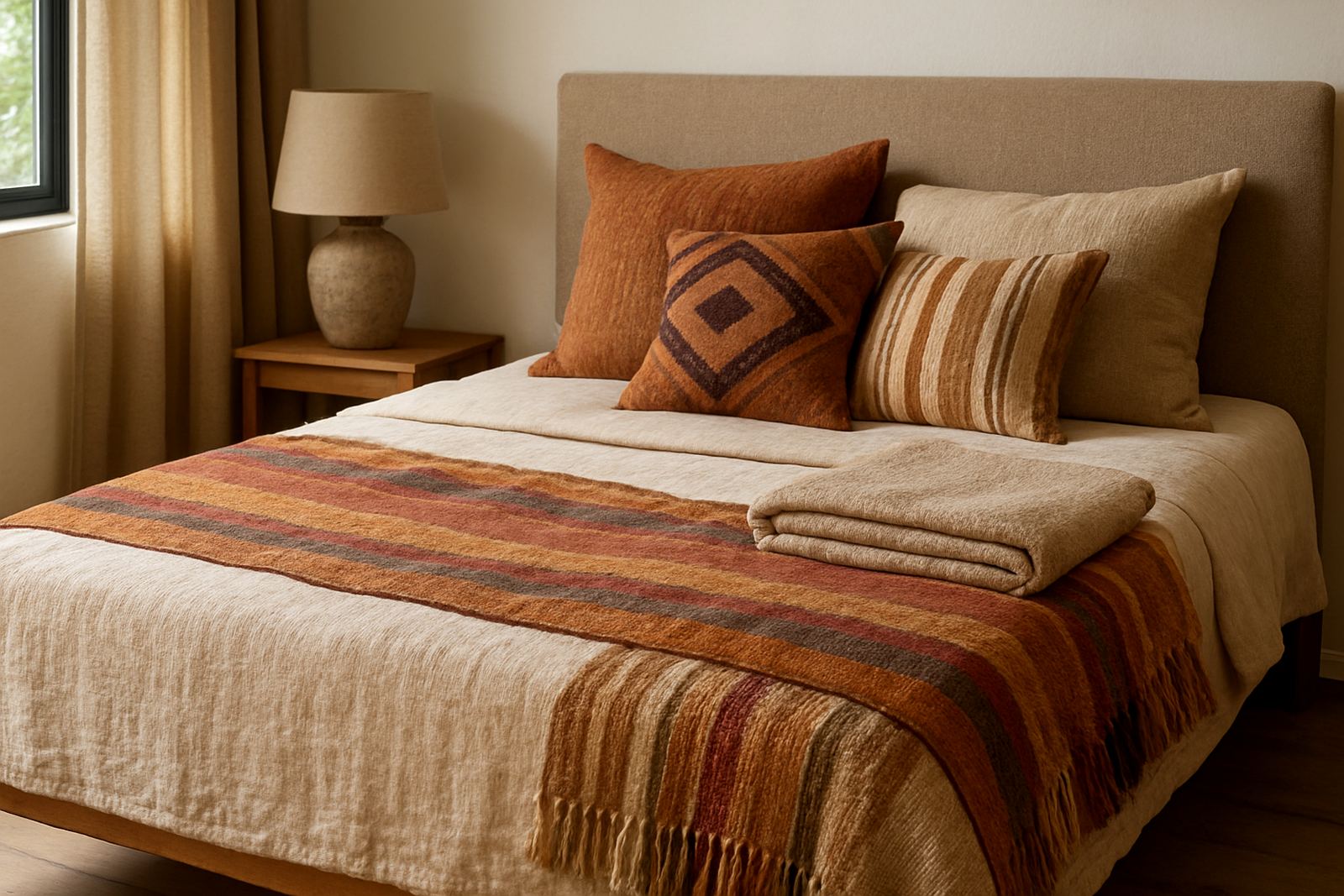
A handmade cloth is the easiest place to begin because it changes the whole table without needing a full replacement of your current pieces. A runner, tablecloth or set of placemats brings colour, texture and a clear focal point, especially when your crockery is plain white or neutral. In South African homes, where one space often has to work hard for weekday supper, Sunday lunch and the odd birthday tea, a textile that can move between uses is worth having.
Choose a weave or print that suits how you host. A tighter cloth is easier to shake out and wash after a curry, soup or barbecue, while a looser woven piece feels softer for slower meals. For apartment dining in Maboneng or a family table in Soweto, a runner can be enough if the table surface already has character. If your dining area gets strong sun, look for colours that hold their depth and do not fade too quickly.
- Use a runner for small tables or mixed seating.
- Choose a tablecloth when you want one clear colour story.
- Keep two sets if you host often, so one can air out while the other is in use.
Mix Ceramics So the Table Feels Collected
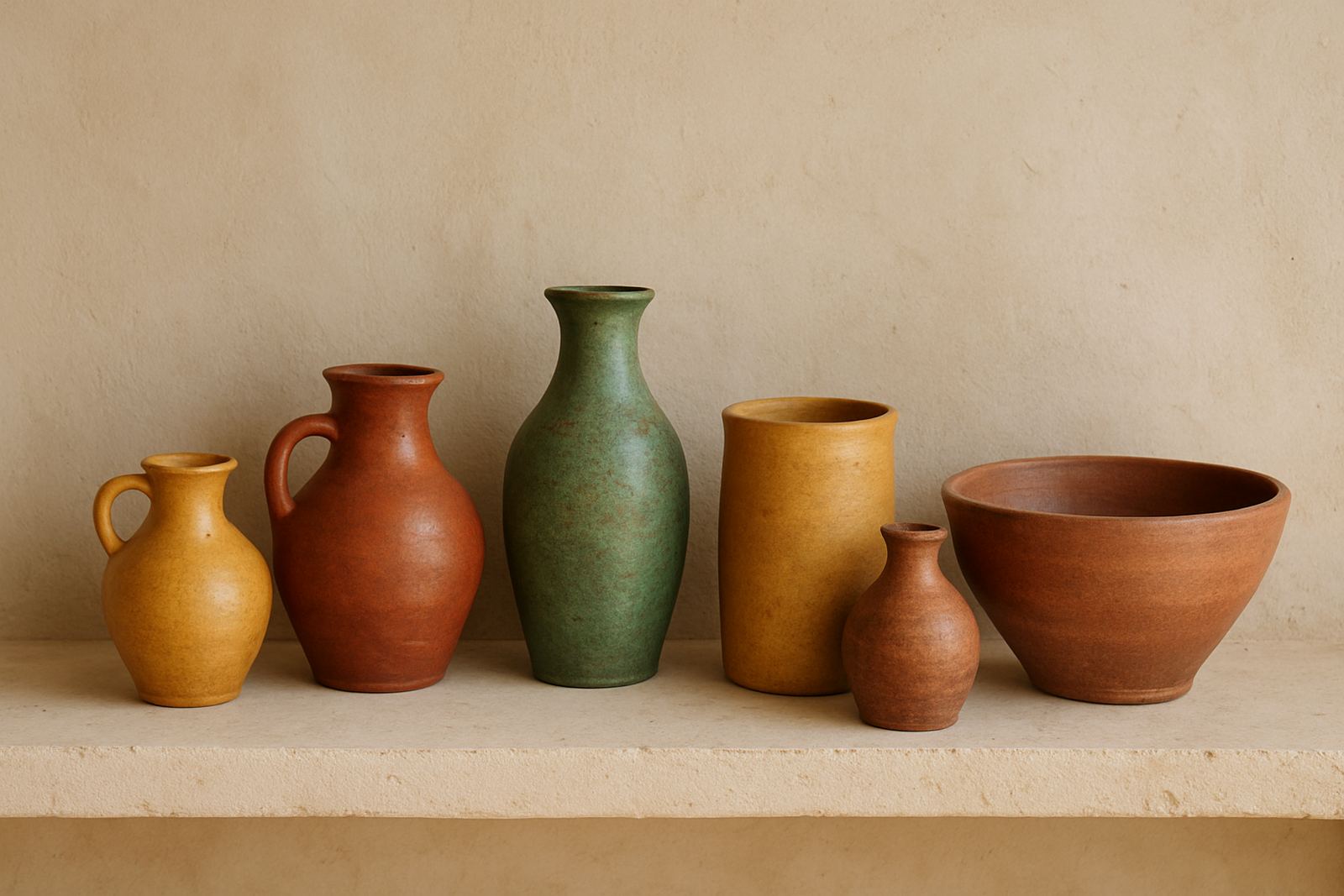
Handmade ceramics work best when they are allowed to look slightly varied. A table with bowls, side plates and serving dishes from different makers can still feel together if the tones are related. Earthy browns, cream glazes, deep blues and red clay all sit well with food and do not fight with fresh flowers or candles. The point is not perfect matching, but balance.
For practical hosting, think about size first. Shallow bowls suit salads and shared sides, while deeper bowls are useful for stews, chakalaka and pasta. A strong serving platter can carry roast vegetables or vetkoek for a larger group. In humid coastal areas like Durban and Gqeberha, ceramics with a good finish are easier to wipe down after a long lunch, and they store well in cupboards that get a lot of daily use.
- Pick one dominant glaze colour and one accent colour.
- Use one large serving piece to anchor the spread.
- Keep a mix of small bowls for relishes, sauces and condiments.
Plan for Load Shedding and Late Meals
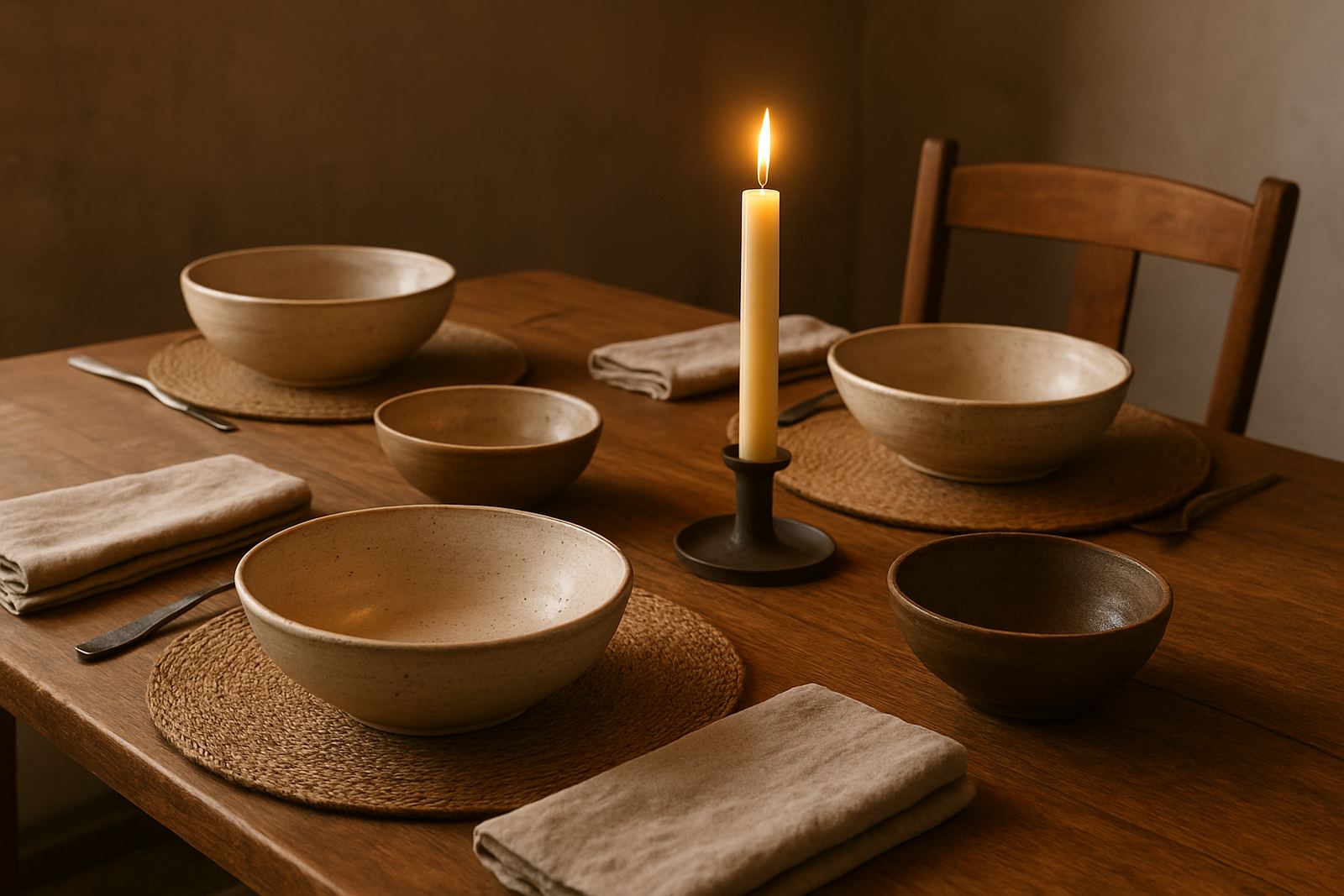
Hospitality in South Africa often means planning for practical realities, including load shedding, late arrivals and guests who come straight from work. Handmade table settings help because they do not rely on a full formal setup to feel ready. A cloth, a few candles, decent water glasses and serving pieces are enough to make the meal feel sorted even if the power is out.
Keep a small hosting box with matches, tea lights, bottle openers, napkins and a spare cloth. If you live in Pretoria or Midrand where many homes and apartments host at short notice, this saves time when guests say they are ten minutes away and are actually at the gate already. A simple set-up also works well for shared courtyards, rooftop dinners and outdoor spaces where lighting changes quickly.
- Use candle holders with weight so they do not tip in a breeze.
- Choose napkins that wash well and dry quickly.
- Keep serving spoons and small tongs with the rest of your table pieces.
Set a Table That Works for More Than One Occasion
Good hosting pieces should move from a weekday meal to a special gathering without needing much effort. A woven placemat can look smart for a Tuesday supper and still feel right at a birthday table on Saturday. Handmade goods are ideal for this because they carry enough detail to stand on their own, even when the meal is simple. A tomato stew, bread and salad can feel just as thoughtful as a plated roast when the table has been prepared with care.
Think in layers rather than buying many matching items. Start with the surface, then add ceramics, then a few useful extras like small bowls, napkins and a water jug. This makes the table look considered without becoming fussy. It also means you can add or remove pieces depending on the number of guests and the size of the room. For hospitality styling in guest houses, small restaurants or private dining rooms, this approach keeps stock practical and manageable.
- Use the same base cloth across different seasons.
- Add colour with flowers, fruit or folded napkins.
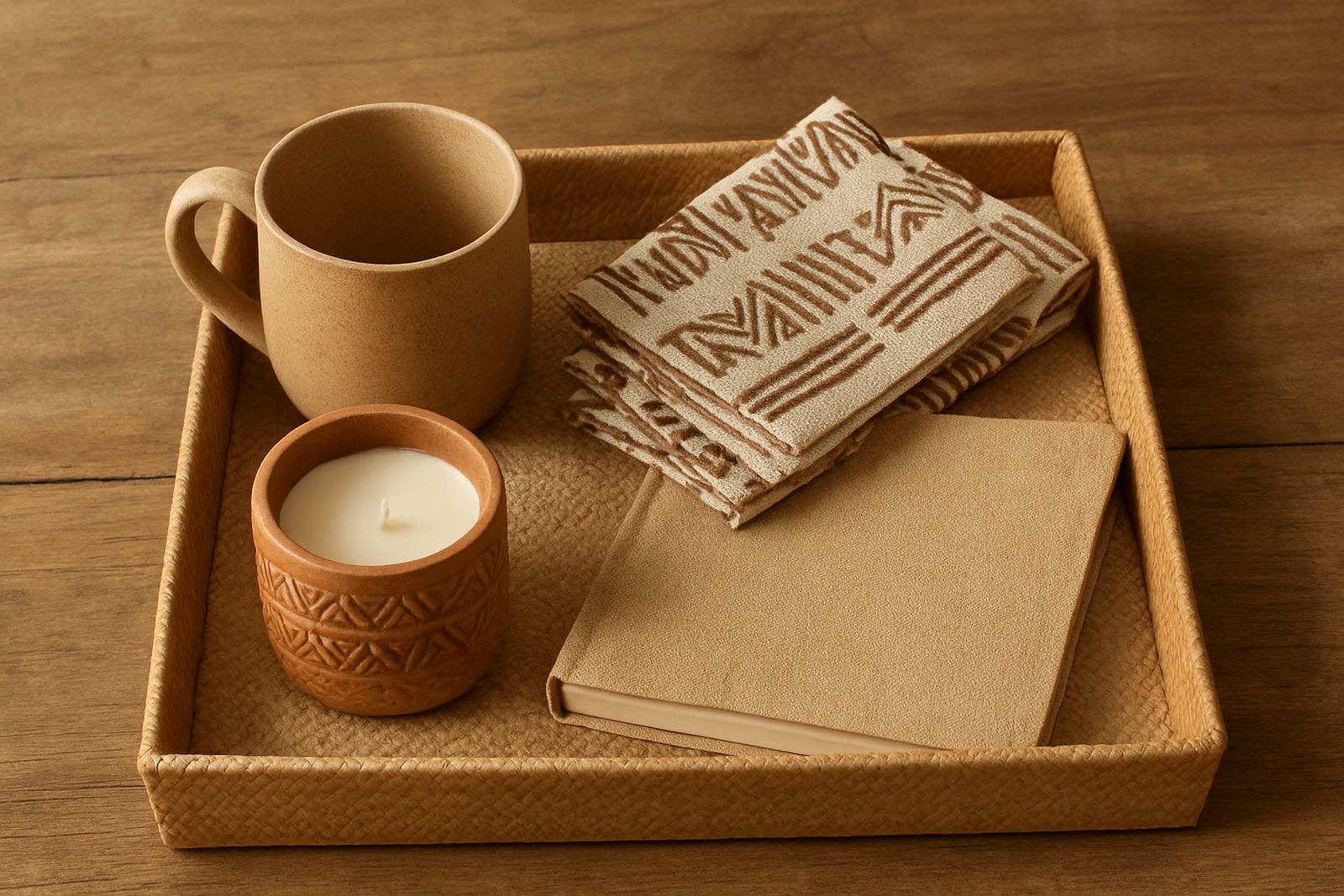
- Keep one neutral serving tray for bread, drinks or condiments.
Choose Pieces That Travel Well Between Cities
When handmade goods are being sent to Cape Town, Durban, Pretoria, Gqeberha or farther afield, packaging matters as much as the object itself. Ceramics need careful wrapping and textiles need clean folding so they arrive ready for use, not requiring a lot of repair work at the other end. For customers placing larger orders, it helps to think about how the pieces will be unpacked, stored and used in their own homes or venues.
There is also value in selecting items that suit different settings. A cushion cover or runner that works in a Sandton apartment may also suit a guesthouse dining room in Cape Town or a small cafe in Johannesburg. The best handmade pieces do not sit in a cupboard waiting for one special day. They earn their place through repeated use, and they often look better after a few meals because the room starts to know them.
- Wrap ceramics individually to reduce breakage.
- Keep textiles folded flat to avoid hard creases.
- Group similar sizes together for easier unpacking and storage.
A Maboneng Table, Kept Simple and Local
A useful local example is a small dinner for six in Maboneng, where the table may be narrow, the kitchen compact and the guests arriving after traffic. A handmade runner can define the centre of the table, with bowls for relishes, side plates in a matching tone and one large ceramic dish for the main meal. Add a jug of water, a few candles and folded napkins and the table already feels complete.
This kind of set-up also suits the way many Johannesburg homes host now, where people want things that are beautiful but not precious. A table should be able to handle bobotie one night and grilled vegetables the next. If one or two pieces chip over time, they can often remain in use for snacks or casual meals. That practical attitude is part of what makes handmade goods worthwhile. They are meant to live with you, not stay behind glass.
For anyone setting a table for family, friends or paying guests, the lesson is simple: start with one good textile, add ceramics that can work hard, and let the rest stay easy. The result is a table that feels intentional without becoming too formal.