
Start With the Floor Plan, Not the Shopping List
In a compact flat, every object has to work harder. Before buying anything, stand in each room and notice where you naturally walk, where the light lands in the morning, and which corners feel dead. That tells you more than a style moodboard ever will. In Johannesburg apartments with narrow passages and open-plan kitchens, the wrong sized piece can make the whole place feel crowded fast.
Measure properly, then buy for those numbers. Leave enough room to open doors, pull out chairs and carry laundry through without side-stepping. A small apartment is not asking for less personality, just better editing. One woven throw, a ceramic bowl on a shelf and a patterned cushion can do more than five random bits from different shops.
Use Handmade Textiles to Soften Hard Surfaces
Tiles, painted walls and laminate floors can make a small apartment feel sharp and echoey. Textiles soften that, and they are easy to change with the season. A handwoven runner in the entrance gives a flat a proper landing point, while a throw over the sofa adds colour without taking up storage space. In coastal areas like Cape Town or Durban, lightweight textiles also help the room feel less heavy on humid days.
- Choose one main pattern and let the rest be quieter, so the room does not feel busy.
- Use a runner in a passage or galley kitchen to guide the eye forward.
- Fold a throw at the foot of the bed instead of adding extra scatter cushions.
- If your apartment gets strong afternoon sun, choose textiles that will not fade too quickly.
Natural fibres are often the best choice for small spaces because they age well and do not look overdone. A piece with visible weave or hand-finished edges brings texture without shouting for attention. It also feels more lived in, which matters when the room is only one or two key pieces away from finished.
Let Ceramics Work as Storage and Display
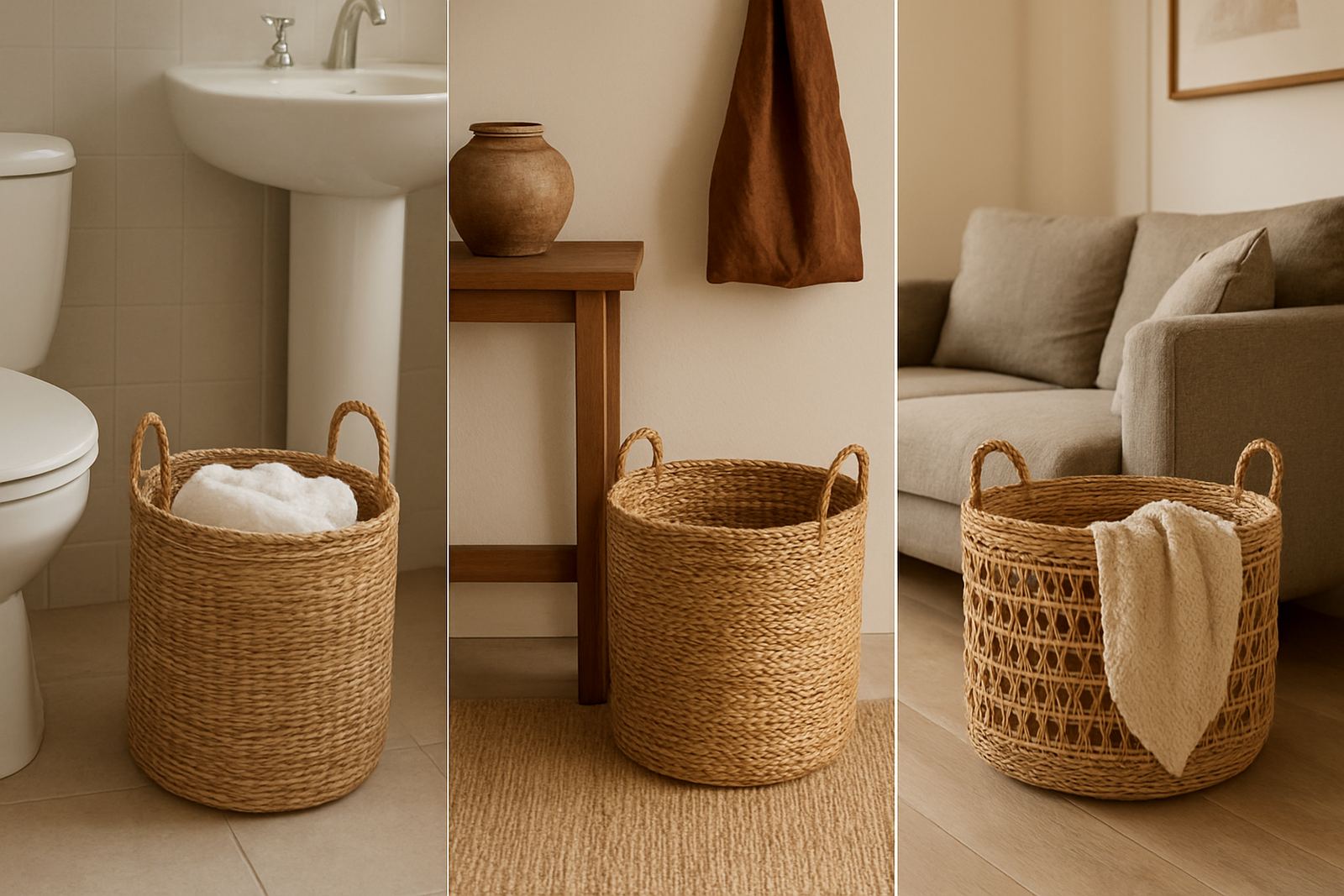
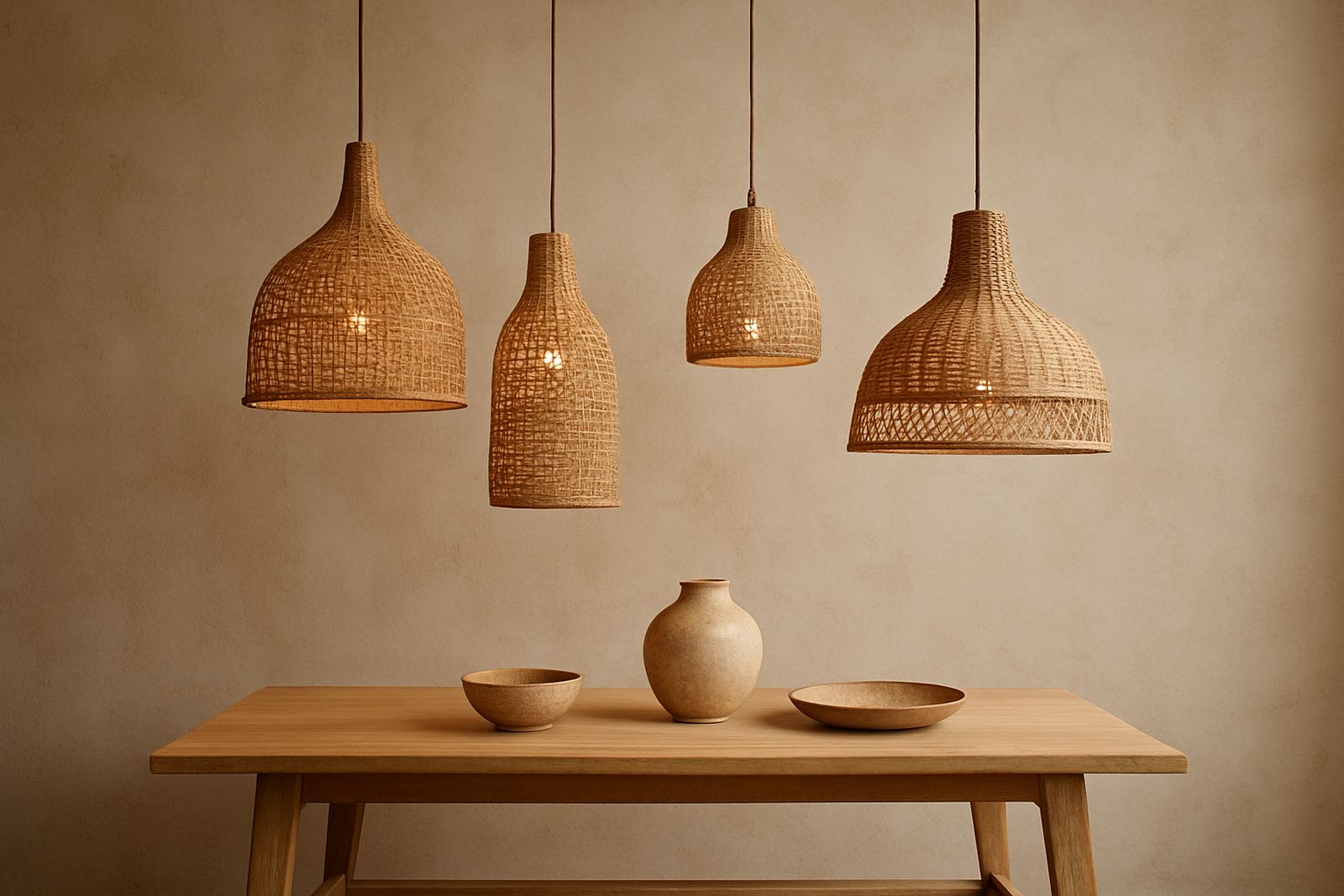
Ceramics are useful in compact homes because they can be beautiful and practical at the same time. A wide bowl near the door holds keys, sunglasses and loose change. A pair of lidded jars can keep packets, tea bags or bathroom bits out of sight. On a slim shelf, one sculptural vessel is usually better than several tiny objects clustered together. Too many small things make cleaning harder and the room look untidy.
For apartments with limited cupboard space, ceramic containers help bring order to surfaces that tend to collect clutter. They are particularly good in a kitchen where the surfaces need to stay clear for food prep. If you live in a block where load-shedding means cooking and tidying by torchlight sometimes, it helps to keep everyday items in the same place each night. That way, the room still feels calm even when the power is out.
- Use one ceramic tray to group candles, matches and a small vase on a side table.
- Keep a bowl by the sink for rings or loose bits you remove at home.
- Choose pieces with a stable base so they do not tip on narrow ledges.
- Mix matte and glazed finishes for variety, but keep the colour family tight.
Choose Colour With the Building in Mind
Small apartments often sit inside buildings with their own personality, whether that is a 1970s block in Pretoria, a newer mid-rise in Midrand or a converted space in Maboneng. The trick is to work with that shell instead of fighting it. If the walls are white and the light is bright, you can bring in deep colour through textiles and ceramics. If the room is darker, lean into warm neutrals, clay tones and soft patterned pieces that do not swallow the space.
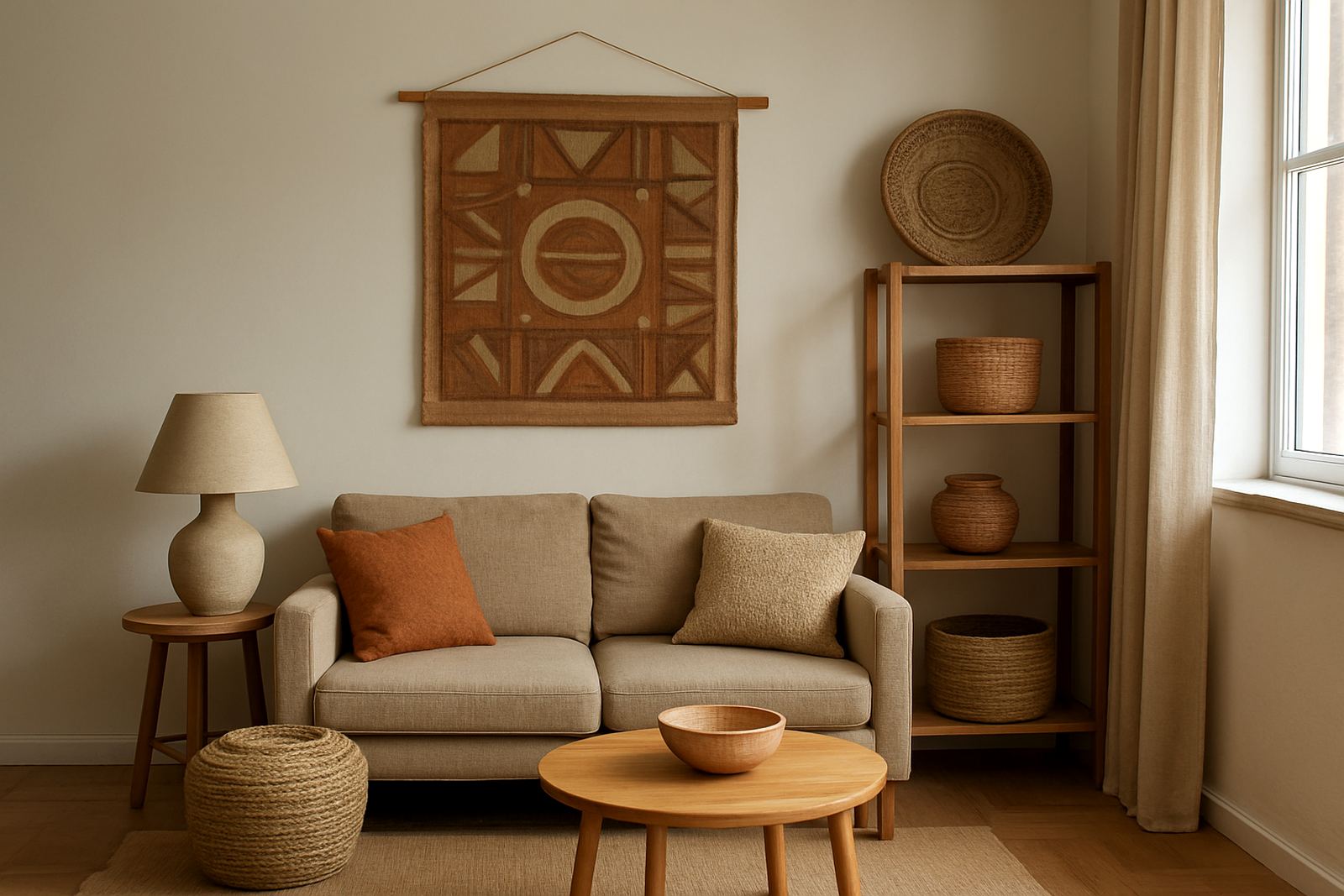
One useful rule is to repeat the same colour at least three times in different places. For example, a rust cushion, a terracotta bowl and a patterned textile with the same tone can tie a room together without much effort. It makes the apartment feel considered, not crowded. When the colour repeats, the eye relaxes and the room reads as one whole space rather than a pile of separate items.
Make One Wall or Corner Do More
When floor space is tight, let the walls and corners carry some of the visual weight. A narrow shelf with a ceramic piece, a textile panel or a framed print can turn an awkward area into a feature. In many smaller Johannesburg apartments, the best spot is the wall beside a window or the slim stretch above a hallway table. You do not need a gallery wall. One or two pieces at the right height are often enough.
Think in terms of pauses. A room with nowhere for the eye to rest will feel busier than it is. A single handmade object in an otherwise plain corner creates that pause. If the apartment is shared, it also helps each person have one visible item that feels personal. That can be a bowl from a market, a textile from another province or a ceramic form with a bit of texture and weight.
- Hang one strong piece at eye level rather than several items stacked too tightly.
- Use corners for tall, narrow objects instead of bulky furniture.
- Keep surfaces partly clear so the handmade pieces can breathe.
- Choose a few pieces with shared tones so the room stays calm.
Buying for Small Homes in Johannesburg and Beyond
At Creation Africa Foundry, many customers are furnishing compact homes in places like Maboneng, Sandton, Soweto and Pretoria, then sending pieces on to Cape Town, Durban, Gqeberha and overseas. The same rules keep coming up: measure first, choose fewer items, and pick pieces that travel well and last. For gift buyers, hospitality hosts and people setting up a new flat, handmade goods are a practical way to bring identity into the room without filling it with clutter.
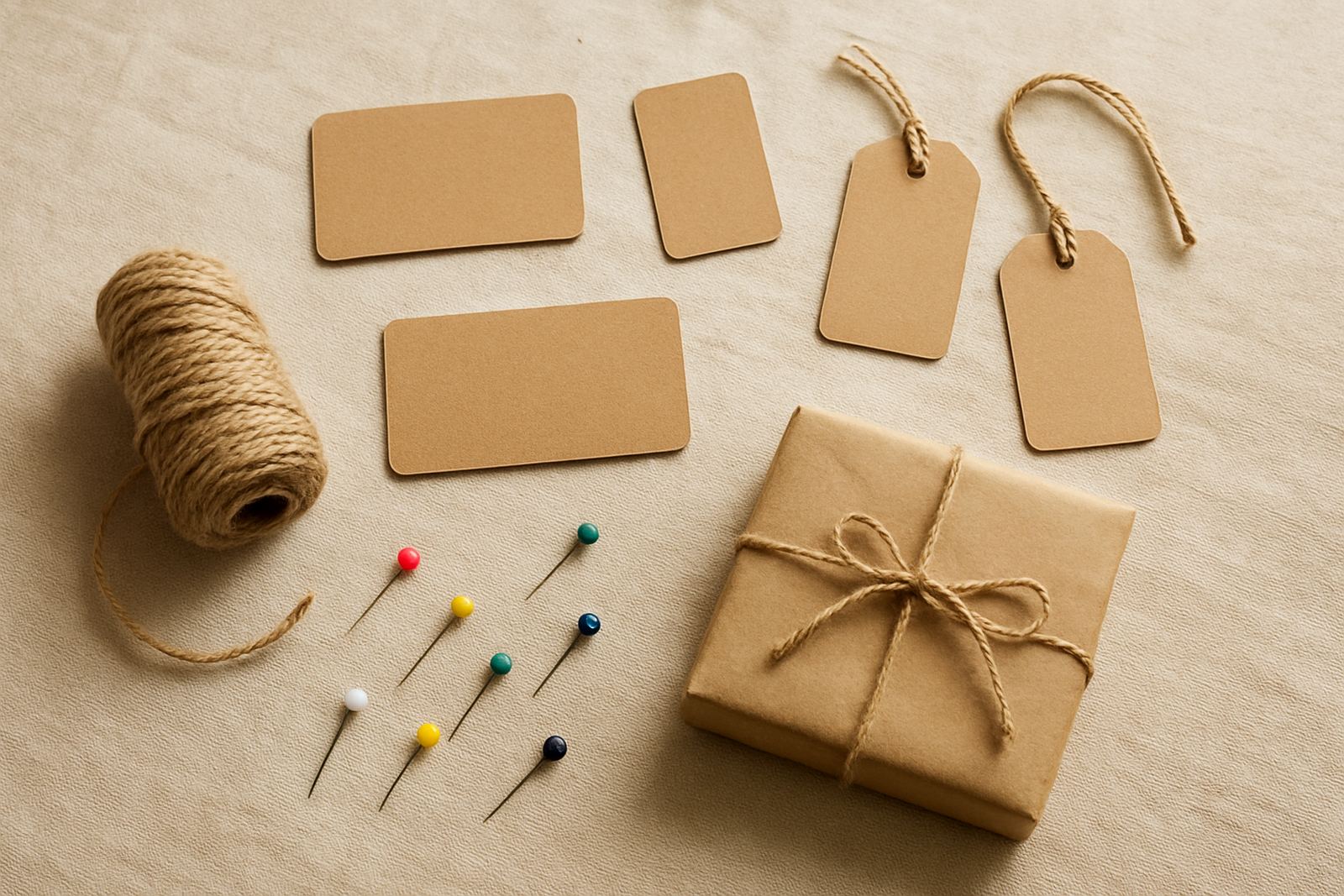
A good example is a one-bedroom apartment in Maboneng with a small open lounge and a narrow kitchen. Rather than crowd it with extra furniture, the homeowner can use a patterned textile over the couch, a ceramic bowl at the entry and a small set of provenance cards on a shelf. The room feels collected over time, not bought in a hurry. That matters when you want your home to feel calm after a long commute, a late delivery or a week of municipal water interruptions.
For compact living, the best rule is simple: choose pieces that carry meaning and solve a problem at the same time. If an object only decorates, it has to justify its footprint. If it holds your keys, softens a hard room or brings warmth to a quiet corner, it earns its place.