Handmade is not just decoration, it is useful value
People often buy handmade pieces for the look, but the real value goes deeper. A handwoven textile, a thrown ceramic bowl or a carved object brings texture, weight and small irregularities that make it feel lived with rather than mass produced. That matters in homes, restaurants, guesthouses and retail displays where buyers want pieces that do not feel flat or interchangeable.
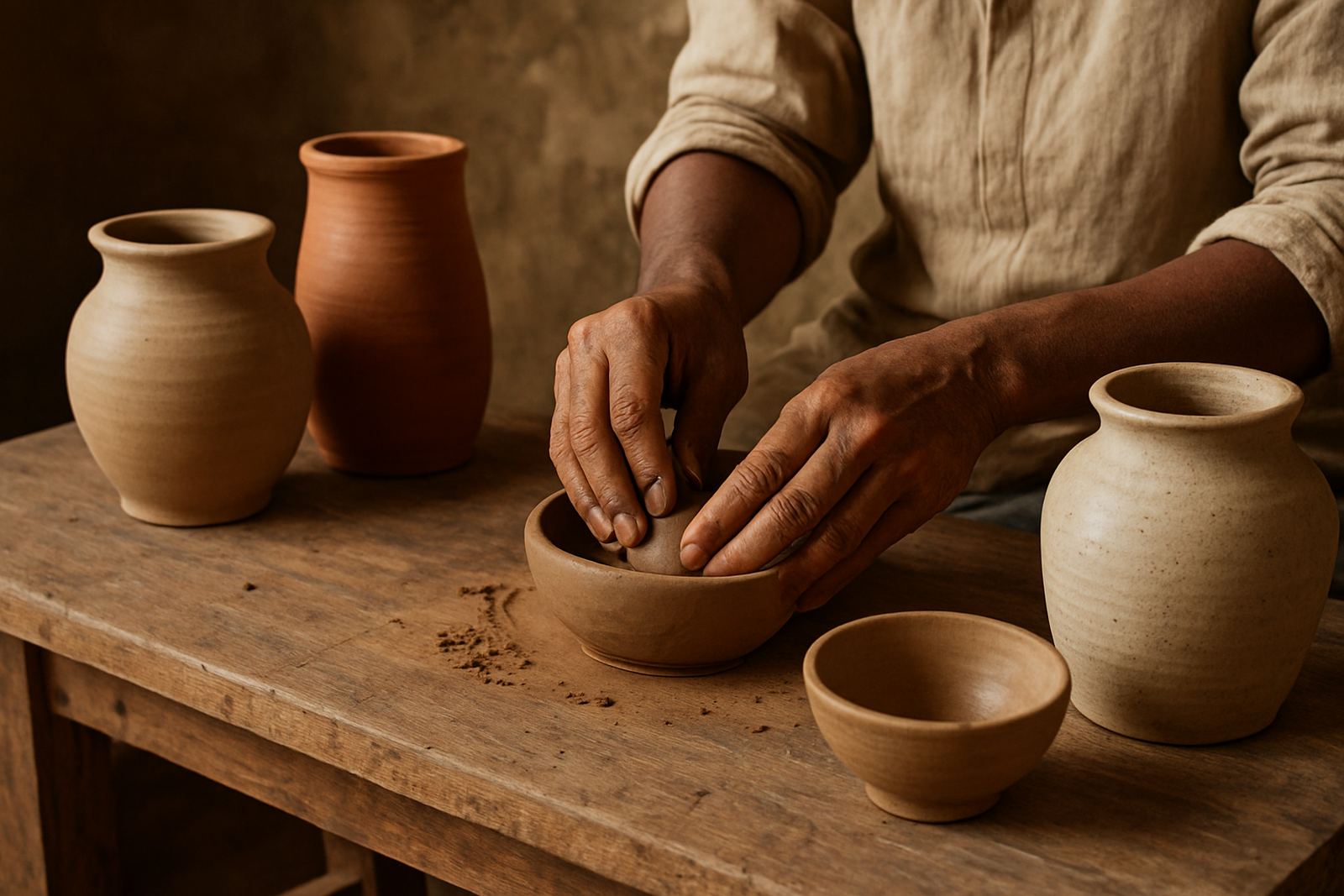
In practice, handmade goods often last well when they are made and finished properly. A ceramic serving dish that fires evenly, or a textile woven from the right fibre, can handle regular use better than many fast imports. The point is not perfection, it is quality control and the maker’s understanding of material. When a customer can see the making in the piece, they can often trust it more, not less.
- Natural variation helps buyers distinguish one piece from another.
- Small marks of making can show the item was finished by hand, not stamped out.
- Pieces with a clear use tend to move faster than purely decorative stock.
- Buyers often pay more when the material, method and origin are explained clearly.
How provenance shapes craft buying
Provenance is simply the story of where a piece comes from, who made it and how it was brought to market. For handmade goods this is not a marketing extra, it is part of the product. A buyer in Maboneng, Sandton or Cape Town may be choosing between ten similar-looking items, and the one with a clear maker story is usually the one that gets picked up and remembered.
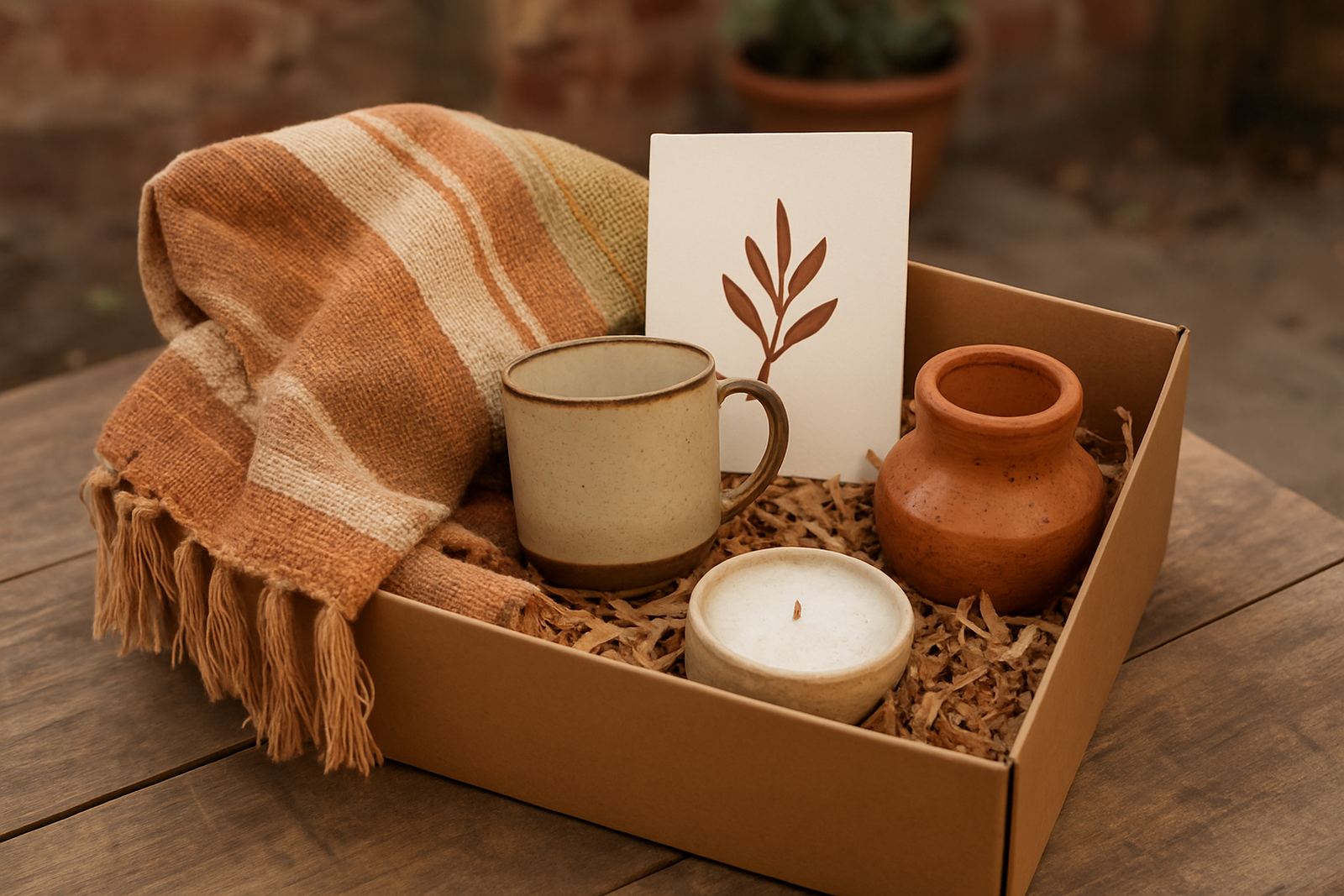
That is especially true for gift buying and hospitality styling. Guests notice a card that names the maker or explains the material. It gives the item context and makes it easier to justify the price. For export orders, provenance also helps with customs paperwork, product descriptions and repeat ordering. You need to know what the item is, where it came from and how many units can be supplied again, and that is basic operational sense.
- Attach short provenance cards to each item or set.
- Use plain language: material, origin, size, care instructions.
- Keep maker names and batch notes consistent across stock sheets.
- For export, confirm packing method and lead time before confirming the order.
What handmade means for buyers in a practical market
Handmade buying works best when you know where the item will be used. A café in Durban needs crockery that can handle daily washing and coastal humidity. A corporate gift order in Pretoria may need consistent sizing and neat gift packing. A boutique in Gqeberha might want textiles that look good in bright light and are easy to maintain. The value of handmade is stronger when the piece has been chosen with the setting in mind.
That is why seasonal editing matters. Not every craft piece belongs in every shop at every time of year. Some materials suit summer trade, while heavier textiles or warmer colours move better in winter. If you are buying for resale, hospitality or gifting, think about turnover, storage space and breakage risk. Beautiful stock is useful only if it can be handled, displayed and sold without unnecessary loss.
- Check whether the item suits indoor, outdoor or high traffic use.
- Ask about care, glazing, colour fastness and repairability.
- Match quantity to real demand rather than filling shelves too quickly.
- Allow for replacement stock if an order needs consistency over time.
Supporting makers while keeping the order workable
Buying handmade should support makers without creating chaos for the buyer. Clear communication helps both sides. If you need 24 table runners, 60 ceramic mugs or a mixed gift order for year end, say so early. A maker can then plan material use, drying time, firing schedules and packing. That is especially important when the work comes from different parts of the continent and must be consolidated before courier collection.
Bulk orders also need realistic lead times. Handmade is not a rush product. If the fabric needs to be cut, stitched and checked by hand, the order will take longer than a printed repeat. Build in time for sample approval and final stock checks. It saves money in the end because there are fewer returns, fewer mismatched pieces and less breakage in transit.
- Start with samples before placing a larger order.
- Agree on tolerances for size, colour and finish.
- Plan packing for each item, especially ceramics and fragile goods.
- Confirm delivery windows before promising stock to a client.
A Johannesburg example: handmade that works across markets
In Maboneng, handmade goods have a natural fit because the area attracts visitors, collectors and trade buyers who are looking for something with a point of view. A handwoven textile may be bought for a home in Midrand, then later reordered for a boutique in Sandton. A ceramic piece may start as a retail item and later move into hospitality styling for a guesthouse in Soweto or a restaurant in Cape Town. The same object can serve different markets if it is priced, packed and described properly.
This is where careful curation matters. It is not enough to have good products. They need the right mix of sizes, materials and price points so buyers can choose at different budgets. Some customers want a single statement piece. Others need a consistent range for wholesale. The strongest handmade collections do both without losing the maker’s identity.
- Offer a range of price points so smaller orders can start easily.
- Keep sets and individual pieces clearly marked.
- Use clean product descriptions with sizes in centimetres or metres.
- Make sure courier packing matches the fragility of the item.
How to buy handmade well, without overcomplicating it
Good handmade buying is mostly about asking the right questions. What is it made from, who made it, how should it be cared for and how many can be supplied again? If the answers are clear, the order is easier to place and easier to repeat. Buyers do not need flowery language, they need practical details that help them sell or use the product with confidence.
At its best, handmade work gives you something standardised production cannot. It gives texture, local knowledge and a direct link to the person or community that made it. That link can be meaningful to a homeowner, a gift buyer or a retailer, but it only works if the product is handled properly from source to final delivery. When that happens, handmade is not a luxury extra. It is a reliable part of how people buy well.
- Ask for product details in writing before placing an order.
- Compare unit price with breakage risk and reordering ease.
- Choose pieces that suit the client, not just the shelf.
- Keep a record of what sold so the next order is better planned.