
Lead times in handmade production
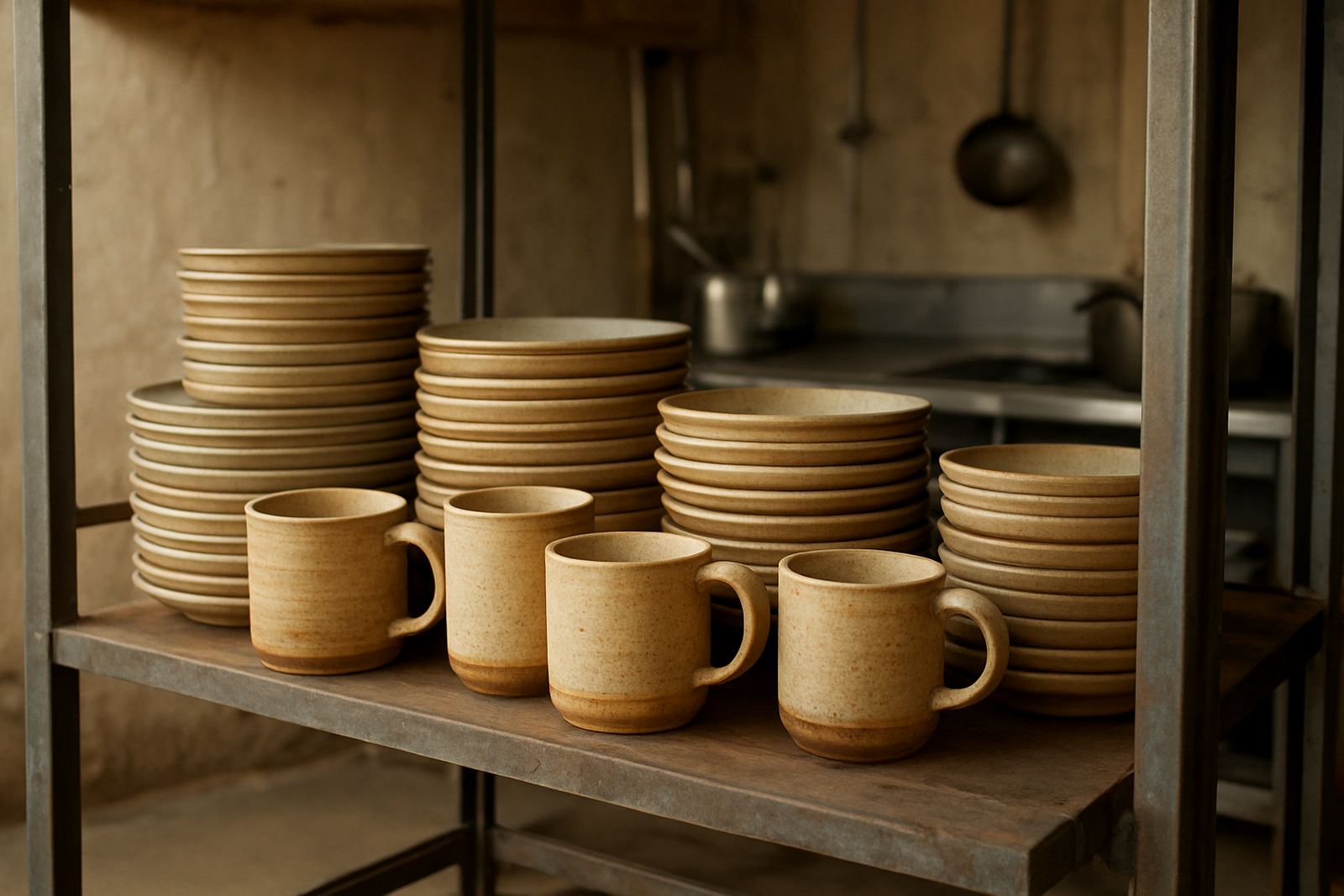
Handmade goods are not pulled from a shelf in fixed quantities, so the time needed depends on what is being made, who is making it and how much finishing is involved. A set of ceramics may need throwing, drying, firing and glazing, while woven or stitched pieces can depend on material availability and hand finishing. That means a lead time is not just a shipping estimate, it is part of the making process.
For buyers in Johannesburg, Cape Town, Durban or Pretoria, this usually means planning earlier than you would for standard retail stock. For export orders, add extra time for export packing, collection bookings and any paperwork that needs to move with the goods.
What changes the timeline on artisan orders
Not every order moves at the same pace. A single gift may be ready faster than a mixed curation for a boutique hotel, while a bulk wholesale order can need staggered production across several makers. The finish, the size of the order and the destination all affect the calendar. If you need provenance cards or gift packing, those are additional steps too.
- Order size: one item, a gift set or a bulk run.
- Complexity: custom colours, sizing or stitched details.
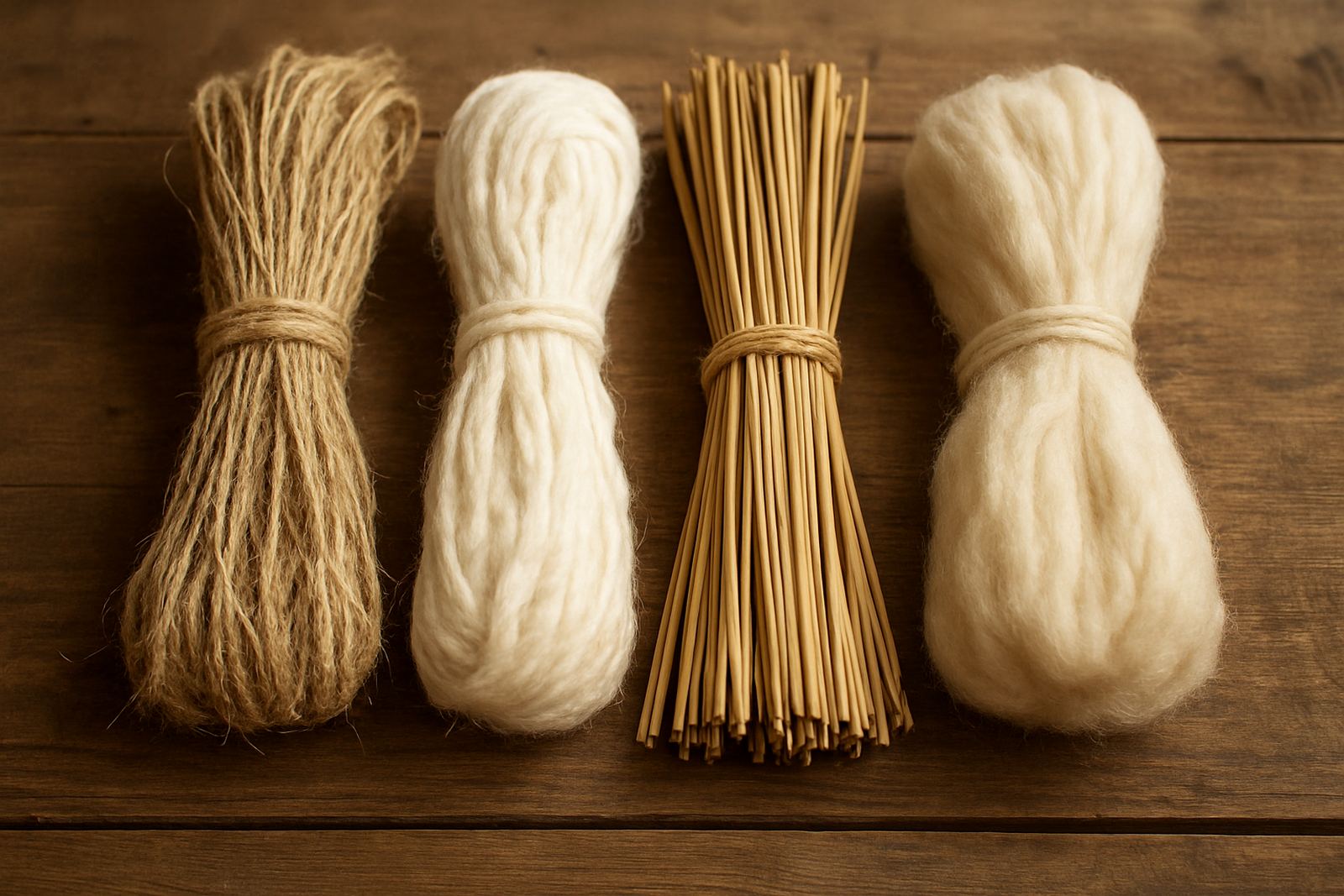
- Materials: imported inputs, seasonal fibres or clay availability.
- Finishing: glazing, label printing, wrapping or cards.
- Destination: local delivery, nationwide courier or export.
In summer, humidity can slow drying for some textiles and clay work, while load-shedding can interrupt studio time or firing schedules. That is why a good plan always includes a bit of breathing room.
How to plan ahead without over-ordering
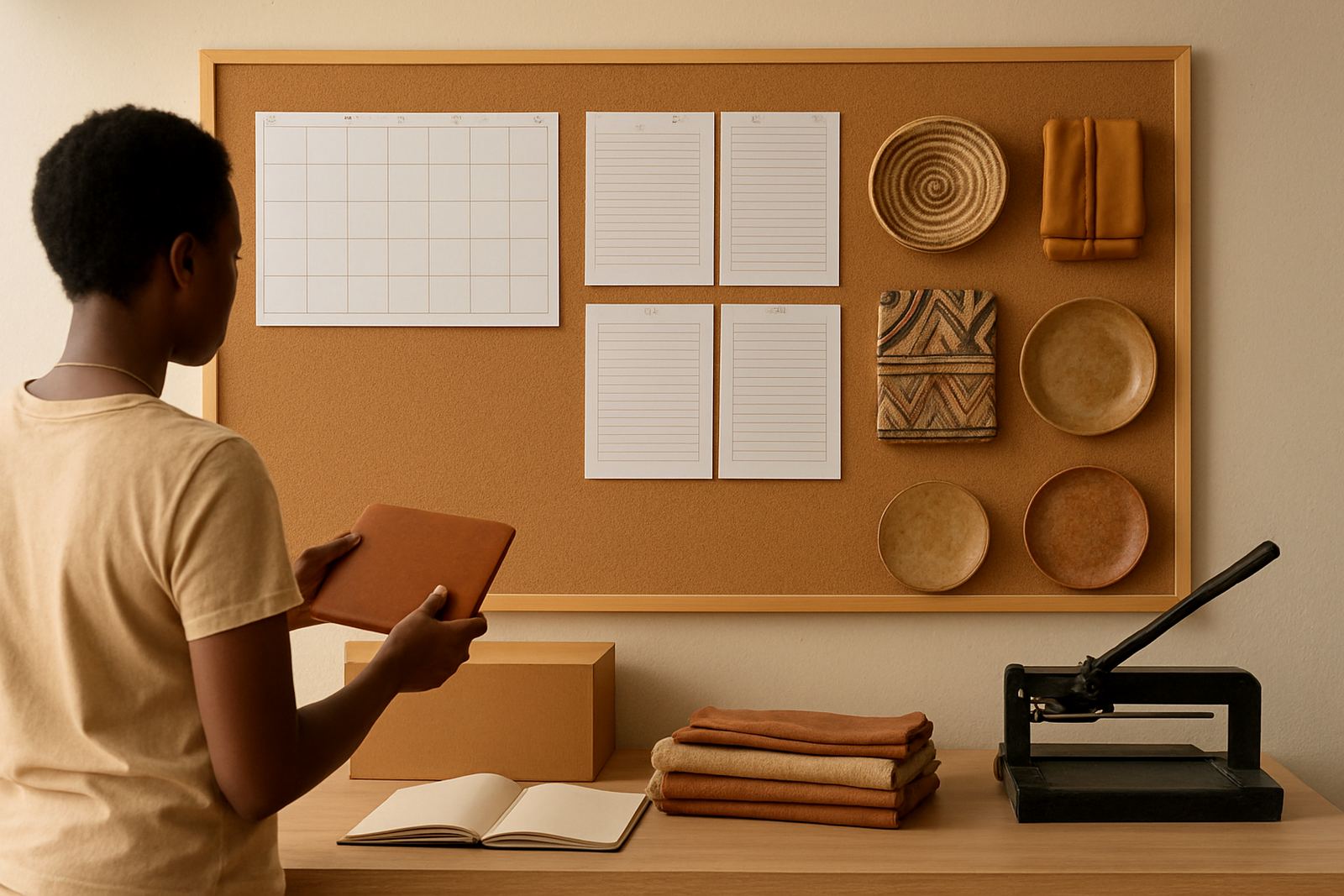
The best way to work with lead times is to start with the date you actually need the order, then count backwards. Allow time for making, checking, packing and courier transit. If you are buying for a hotel, event or retail drop, share your deadline from the start so the maker schedule can be matched to it.
It also helps to separate must-have items from optional extras. For example, a hospitality styling order may need core tableware first, with decorative pieces added if time allows. This keeps the most important items on schedule and reduces last-minute pressure.
- Confirm the event date before placing the order.
- Ask what can be made in one batch and what must be done separately.
- Build in an extra 3 to 7 working days for packing and courier collection.
- Keep some flexibility for material substitutions if a colour or component runs short.
A Johannesburg example: planning a mixed gift order
A client in Maboneng wanted 60 gift packs for a corporate visit, with textiles, ceramics and a printed provenance card in each pack. The first step was to split the order into maker groups so production could run in parallel instead of waiting on one item to finish before the next started. Some pieces were ready quickly, while the ceramic items needed extra drying and firing time.
By agreeing on a clear cut-off date and a packing date a few days before the handover, the order moved without stress. The client was able to approve samples early, and the final courier collection happened from Johannesburg in time for distribution to branches in Sandton and Midrand. A small bit of planning saved a lot of running around.
Local delivery, collection and export all need different buffers
Lead times are not only about making. Local collection in Johannesburg may be straightforward, but courier collections can still be delayed by traffic, building access or a missed booking slot. For Cape Town, Durban, Gqeberha and Pretoria, transit times will vary by route and service level. For export, there may be customs checks, dimensional weight limits and destination-country requirements that need to be handled early.
If you are arranging bulk order planning, ask about the packing format as well. Stackable ceramics, rolled textiles and gift-packed sets each take up space differently and the wrong carton size can affect courier costs. Good planning keeps the order within budget and avoids surprises at dispatch.
- Check access rules for offices, hotels or malls before collection day.
- Confirm carton dimensions and packing weight if the order is going by courier.
- Allow extra days for export packing when goods are leaving South Africa.
- Keep a backup contact for the receiving side if timing is tight.
A simple way to brief us on timing
When you send an enquiry, include your deadline, the quantity, where the order is going and whether it needs gifting, retail-ready labels or export packing. If you know the budget, say so. That makes it easier to guide you toward the right mix of maker lead times and service steps without waste.
You do not need to have every detail finalised on day one. What matters is a clear starting point, a realistic finish date and honest communication if the brief changes. For custom and larger artisan orders that one habit makes the biggest difference.