
A coastal guest-room brief with practical limits
The client was a privately owned lodge in Durban, serving leisure guests and small business travellers who expect a room to feel clean, rested and easy to live in. The team wanted a soft, grounded palette with handmade character, but nothing that would fight with sea air, salt, strong sunlight or the pace of daily room turnover. In other words, the pieces had to look good on arrival and still hold up after repeated use.
We worked from a clear room list and a measured mix of decor and utility items. The lodge needed breathable textiles for beds and seating, baskets for storage and linen handling, and ceramic pieces that could sit on side tables without feeling precious. Because the property is near the coast, we also kept an eye on material choice, weight and cleaning requirements. Items had to be easy for housekeeping to move, dust and reset before check-in.
- Guest rooms: 24 rooms across standard, family and executive categories
- Finish preference: soft neutrals, clay tones, indigo accents and natural fibre texture
- Use case: daily guest turnover, linen staging and light decor styling
- Climate concern: coastal humidity and salty air
What we selected for the room mix
The selection centred on handmade textiles, woven storage and calm ceramic detail. We kept the palette consistent across the rooms, then varied the scale of each item so the standard rooms felt simple and the larger rooms had a little more texture. The lodge wanted the space to feel local without becoming busy, and that meant choosing pieces with restraint.
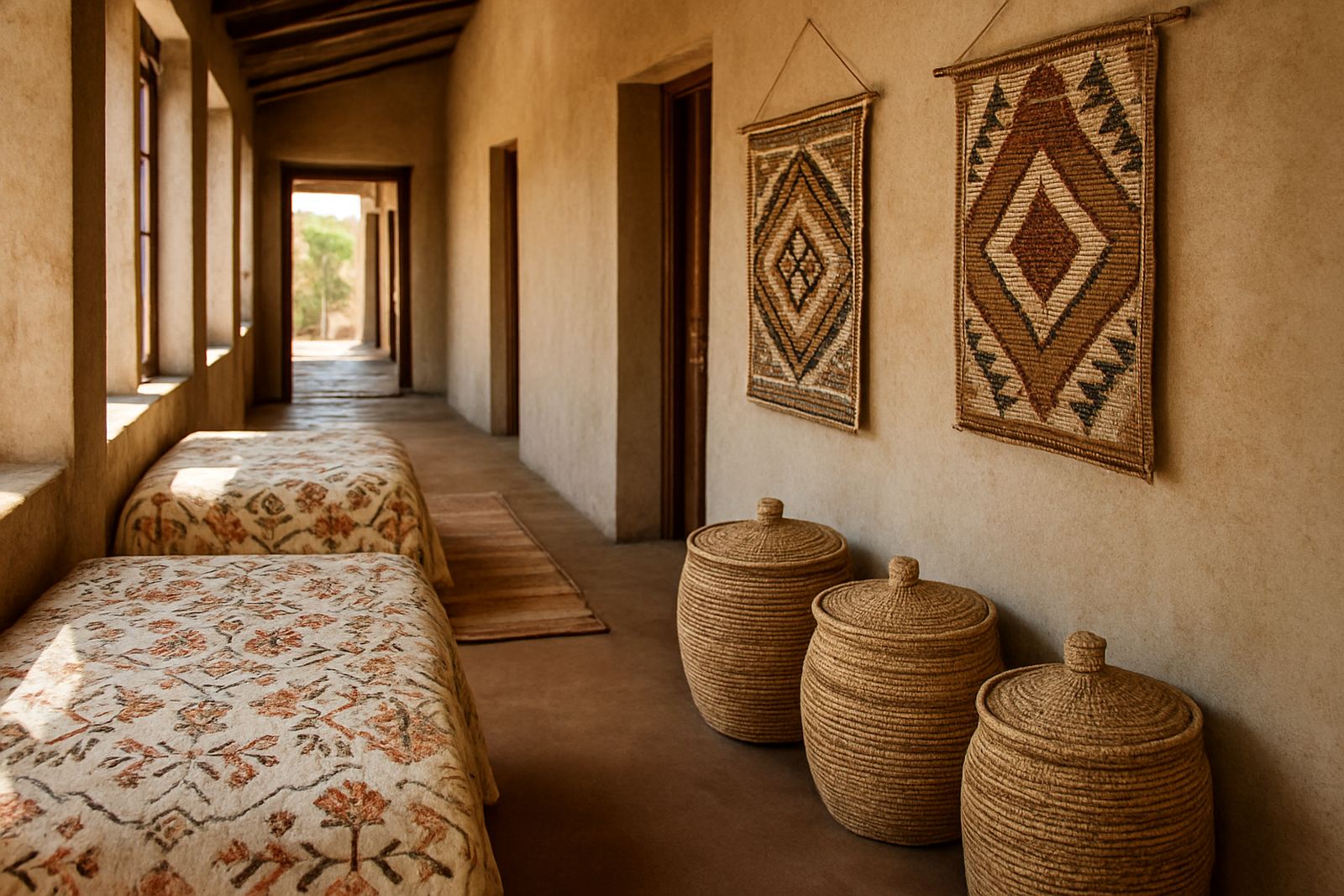
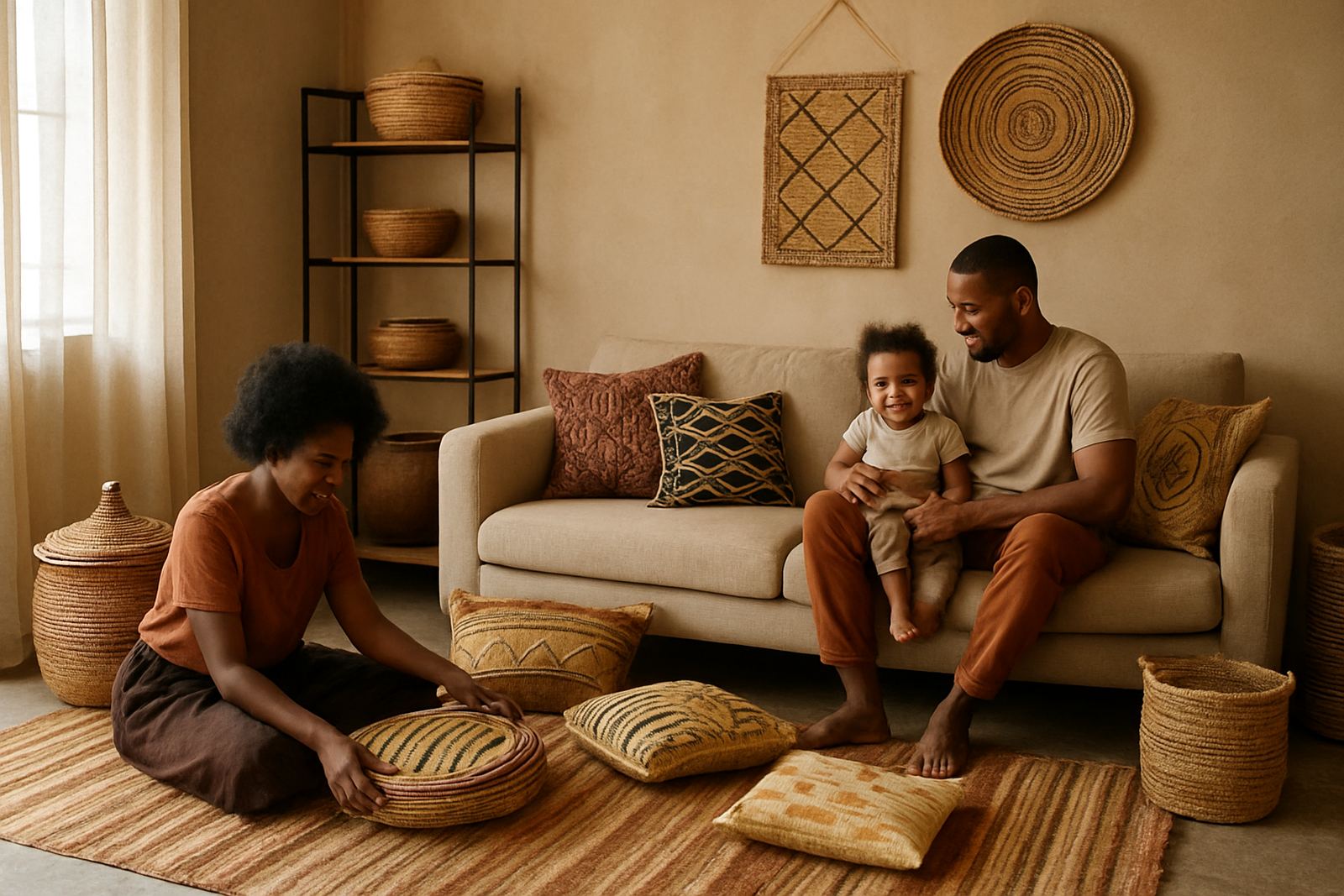
Textiles were made up of cotton and cotton blend runners, throws and cushion covers in sizes suited to hotel beds and lounge chairs. The baskets were chosen for their strength and flexibility, including options for laundry, spare blankets and bathroom storage. Ceramic pieces were kept low and stable, with matte finishes that reduced visible marks and fingerprints. We also added a small number of provenance cards so the lodge could share maker details with guests at reception and in-room displays.
- Throws: 130 cm x 180 cm and 150 cm x 200 cm for layered bed dressing
- Cushion covers: 45 cm x 45 cm and 50 cm x 50 cm
- Baskets: lidded and open formats from 30 cm to 55 cm diameter
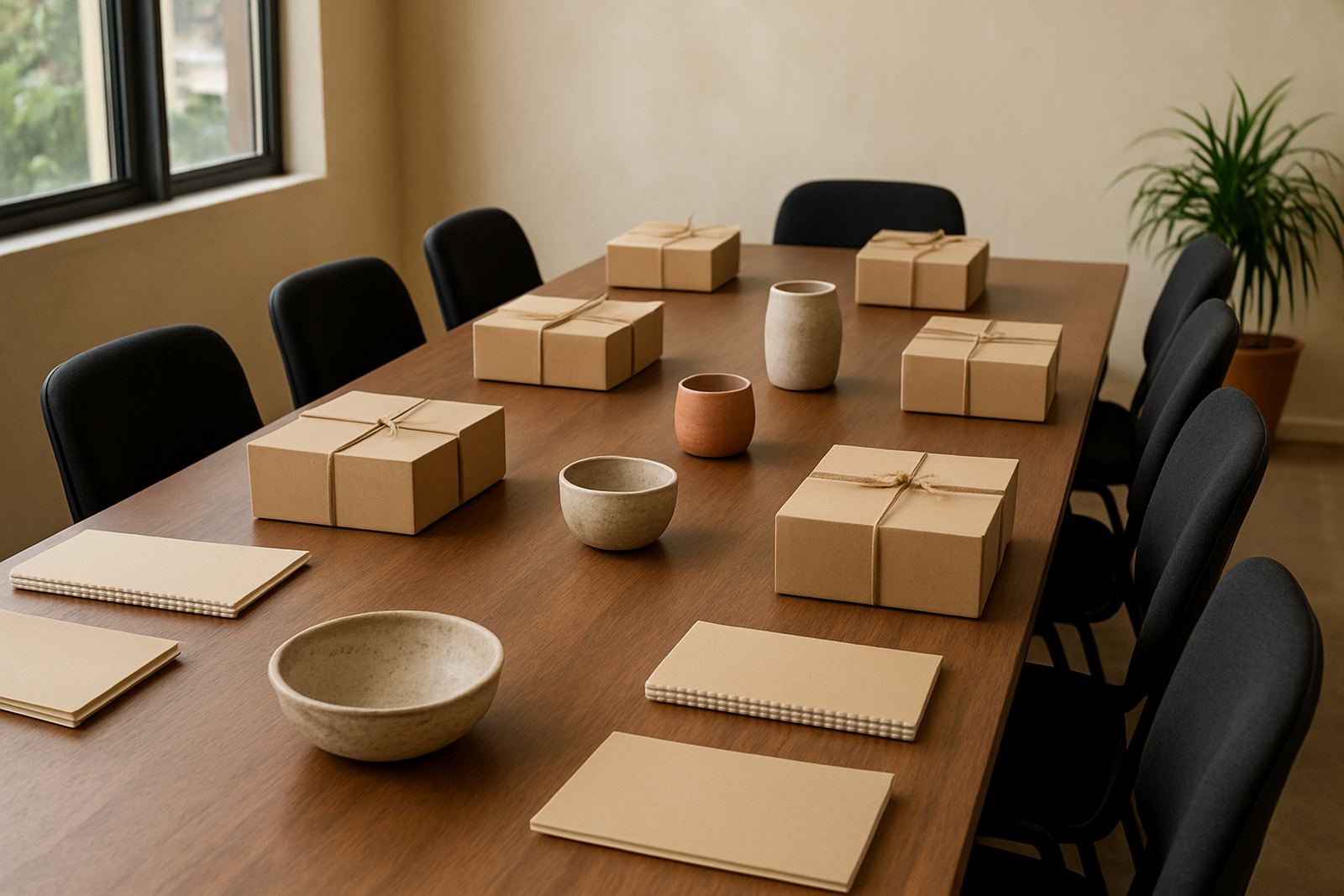
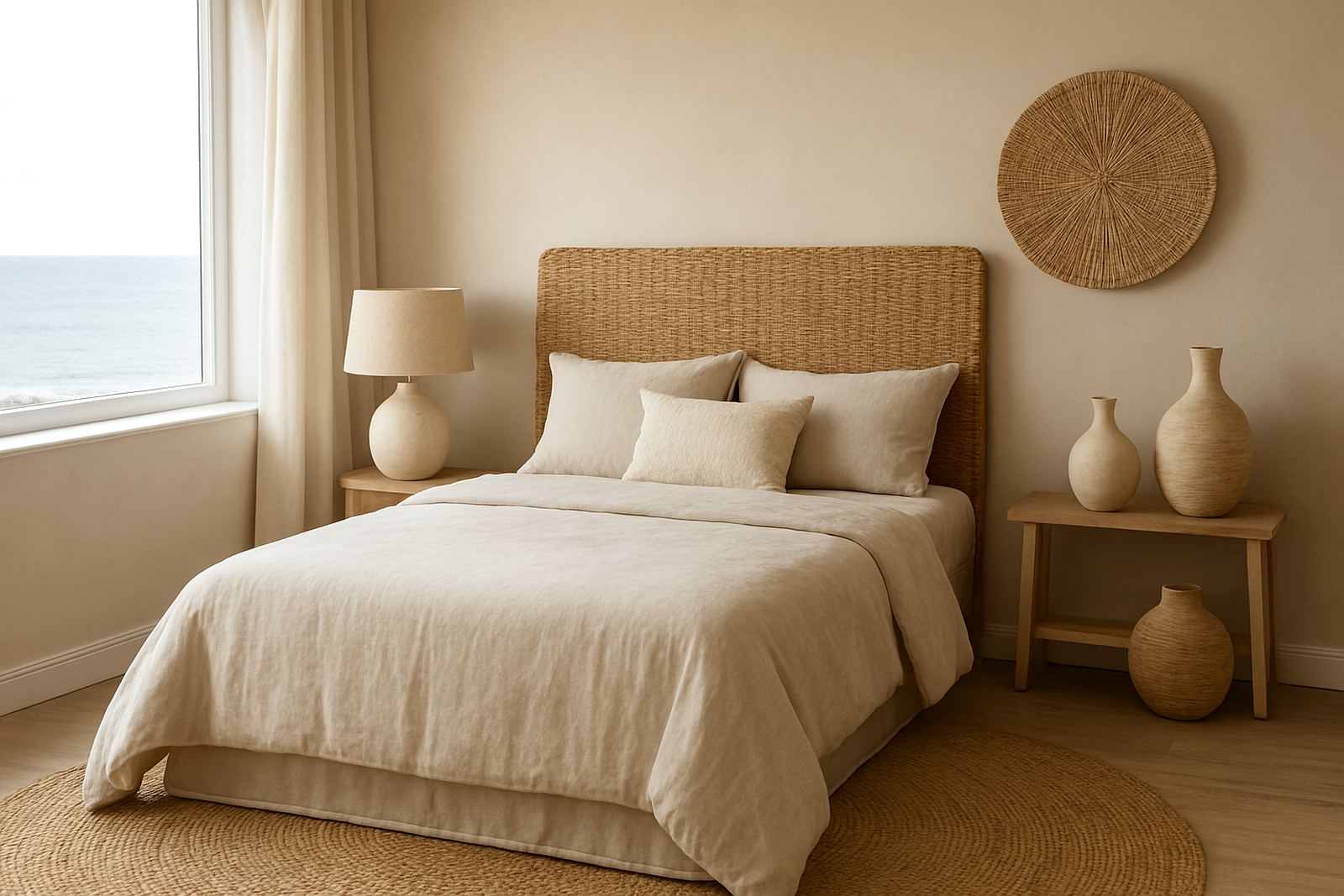
- Ceramics: bedside bowls, water vessels and small accent vessels, each with stable bases
Logistics, packing and the Durban handover
Time was tight, but the larger issue was getting the order to Durban in a way that kept fragile goods safe and easy to unpack. We planned the packing so the lodge could allocate stock by room type without opening every carton at once. Each box was marked by product category, room allocation and breakage risk. That saved time during setup and reduced handling on site.
The order moved in stages over six weeks. Week one was the final brief and room count confirmation. Weeks two and three covered sourcing and maker coordination. Week four was sampling and colour approval. Week five was packing, provenance cards and export style wrapping for the ceramic pieces. Week six covered courier dispatch and receipt checks at the lodge. Because the property sits in a busy hospitality zone, the delivery window had to fit around guest arrivals and housekeeping schedules, so we kept the handover focused and practical.
- Packed by room type to speed up installation
- Ceramics wrapped separately with layered protection
- Textiles folded for quick linen-room access
- Basket nesting used to reduce volume and freight cost
Results in the guest rooms
Once the rooms were set, the lodge had a calmer, more finished look without making the spaces feel formal or overstyled. The textiles added warmth against the pale walls and tiled floors, while the baskets gave housekeeping useful storage that still looked presentable when visible to guests. The ceramic accents brought a quiet handmade note to the bedside tables and bathroom shelves.
The client reported that the items were easy to reset between stays, which mattered a lot during busy weekends and school holiday traffic. The baskets held their shape well, even in rooms with stronger humidity, and the textile mix dried quickly after cleaning. That practical performance mattered just as much as the visual finish because coastal lodge rooms need to work hard every day.
- Cleaner room presentation across all categories
- Faster housekeeping reset after check-out
- Better use of storage in smaller rooms
- Consistent look across standard and premium rooms
Why the material choices worked for Durban
Durban asks for different thinking than inland projects. Salt air, moisture and bright light can affect finishes quickly, especially in rooms that open to balconies or face the sea breeze. We therefore avoided delicate surfaces that would show wear too easily and kept to materials that could be dusted, aired and moved without fuss. The textiles were chosen for breathable weave and a natural hand feel, while the ceramics stayed simple and sturdy.
We also made sure the colours sat comfortably with the lodge’s existing furniture and lighting. Natural fibre tones, soft grey, muted blue and sand shades worked well under warm bulbs and daylight alike. The result was not flashy, but it felt settled. That matters in hospitality, where the guest is often scanning the room in the first 30 seconds and making a judgement fast.
- Breathable fabric helped in a humid coastal setting
- Matte ceramic finishes reduced glare in strong light
- Neutral palette matched most existing furniture
- Low-maintenance items suited daily housekeeping
What we would do again on a similar lodge order
For a similar project, we would keep the same approach: room-by-room planning, a restrained palette and a strong focus on cleaning and turnover. The best results came from balancing story and service. Guests notice handmade work, but lodge staff need products that are practical at 6am when the rooms must be turned around quickly and the linen trolley is already moving.
We would also repeat the layered supply plan, starting with core room items and then adding detail pieces after the first sample sign-off. That keeps decision-making simple and avoids overbuying. For coastal hospitality, we would continue to favour washable textiles, stable ceramics and baskets that can be lifted, stacked and returned to place without damage. It is the kind of order where the right small choices make the whole room feel better.
- Start with a room schedule before choosing products
- Approve one sample set before full production or sourcing
- Use sealed cartons and clear labels for faster setup
- Keep replacement stock aside for breakage and future refreshes
Key facts
| Project type | Coastal lodge guest-room curation and supply |
|---|---|
| Town | Durban |
| Timeline | 6 weeks from brief to delivery |
| Main items supplied | Textiles, baskets, ceramic accents and provenance cards |
| Room count | 24 rooms across three room categories |
| Key challenge | Humidity, housekeeping speed and consistent room presentation |