Coastal brief for a family holiday home
The client was a private homeowner in Umhlanga looking to finish a holiday house used by family and guests through most of the year. The brief was straightforward: add warmth, keep the look relaxed, and choose pieces that would not feel fussy in a coastal setting. The home had tiled floors, open-plan living, bright natural light and a constant stream of people moving in and out from the pool and the beach. They wanted storage that could handle towels, books and toys, soft layers for cooler evenings, and lighting that made the rooms feel easy rather than formal.
We were asked to stay away from items that would stain quickly or show wear too fast. Coastal humidity was a real factor, so the client needed materials that could breathe and age well. There was also a practical timing issue as the family wanted the home ready before a school holiday booking window. We worked to a three week programme from approval to dispatch, which included sourcing, final selection, provenance notes and packing for local delivery to Durban North.
Materials selected for salt air and daily use
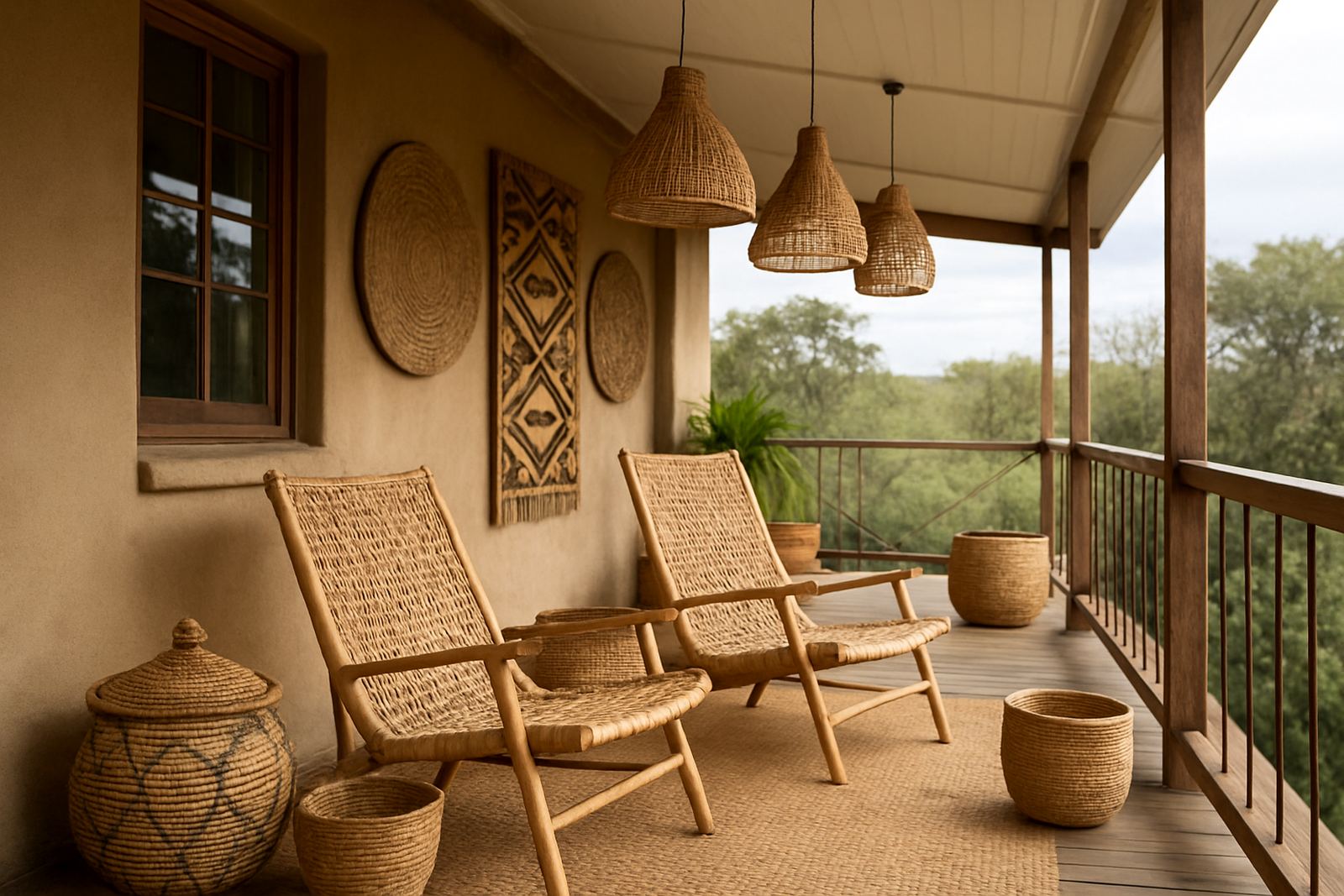
We proposed a mix of handwoven, naturally textured pieces that could sit comfortably in a holiday home without looking overdone. The storage baskets were made from tightly woven natural fibre with reinforced rims and easy-lift handles. The throws were soft enough for lounging on the couch but substantial enough for cooler evenings when the south coast breeze comes through. For lighting, we chose handmade pendant and table pieces with a casual finish so the rooms would feel lived in, not staged.
- Woven storage baskets sized from 350 mm to 520 mm diameter for blankets, toys and laundry
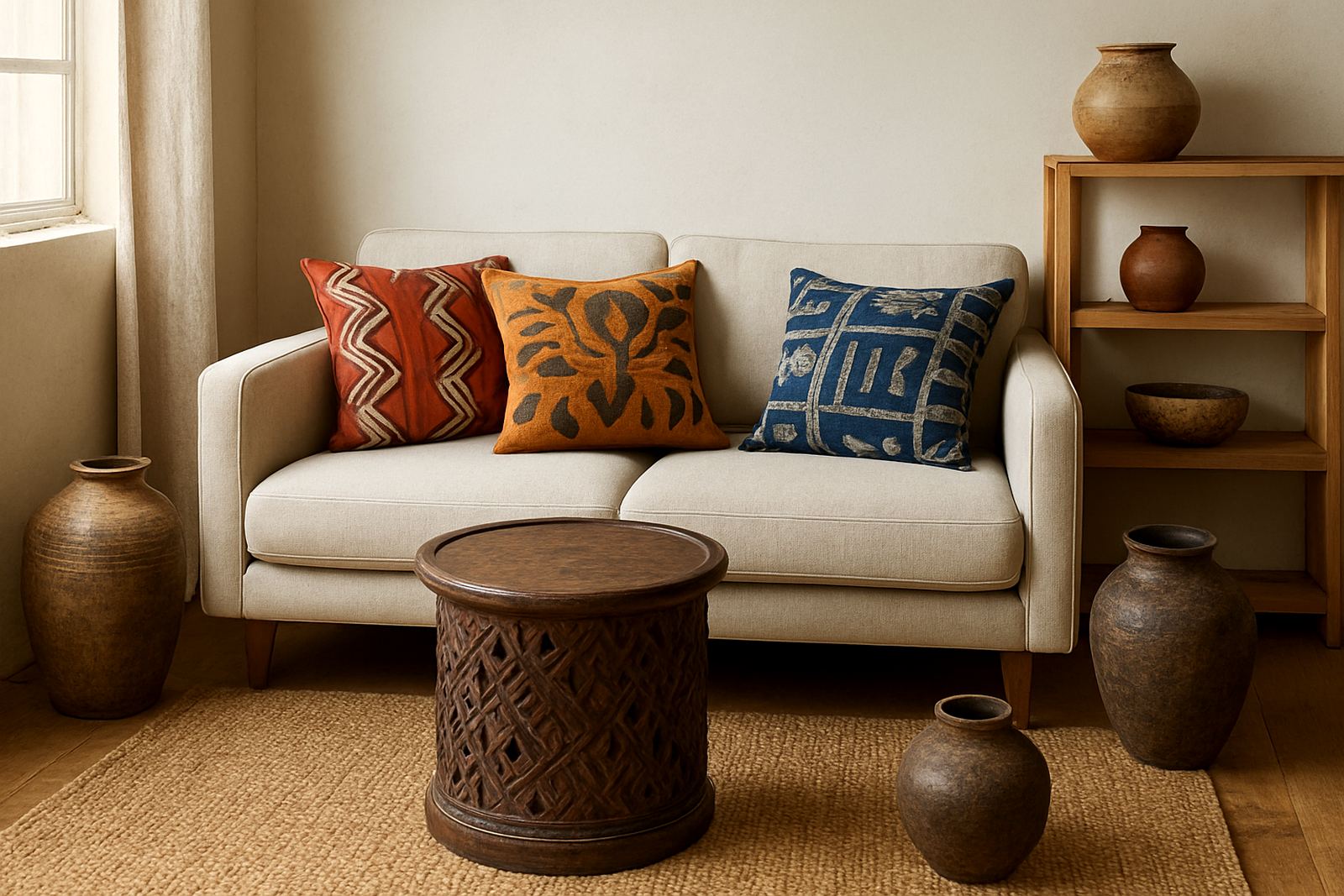
- Throws in neutral and warm earth tones, each around 130 cm x 180 cm
- Handcrafted lighting with natural fibre shades and simple cable runs
- Materials selected for low fuss upkeep in a seaside environment
- Colour palette kept to sand, clay, charcoal and off-white
Nothing needed to shout for attention. The aim was to support the architecture and let the sea-facing light do the work. The client also wanted the items to feel compatible with the rest of the house, which had a mix of timber, painted plaster and upholstered seating. That meant keeping the texture story consistent, with enough variation to stop the rooms from feeling flat.
What we sourced and how the scheme came together
We curated the full order in stages so the client could see how the pieces would work across the bedrooms, living room and covered patio. A sample basket and two throw options were first approved from photographs and measured notes, then the lighting pieces were matched to ceiling heights and side table sizes. We also prepared provenance cards so each item could be traced back to its maker and material source. That was important to the client, who wanted the house to have a clear story without making it feel too precious.
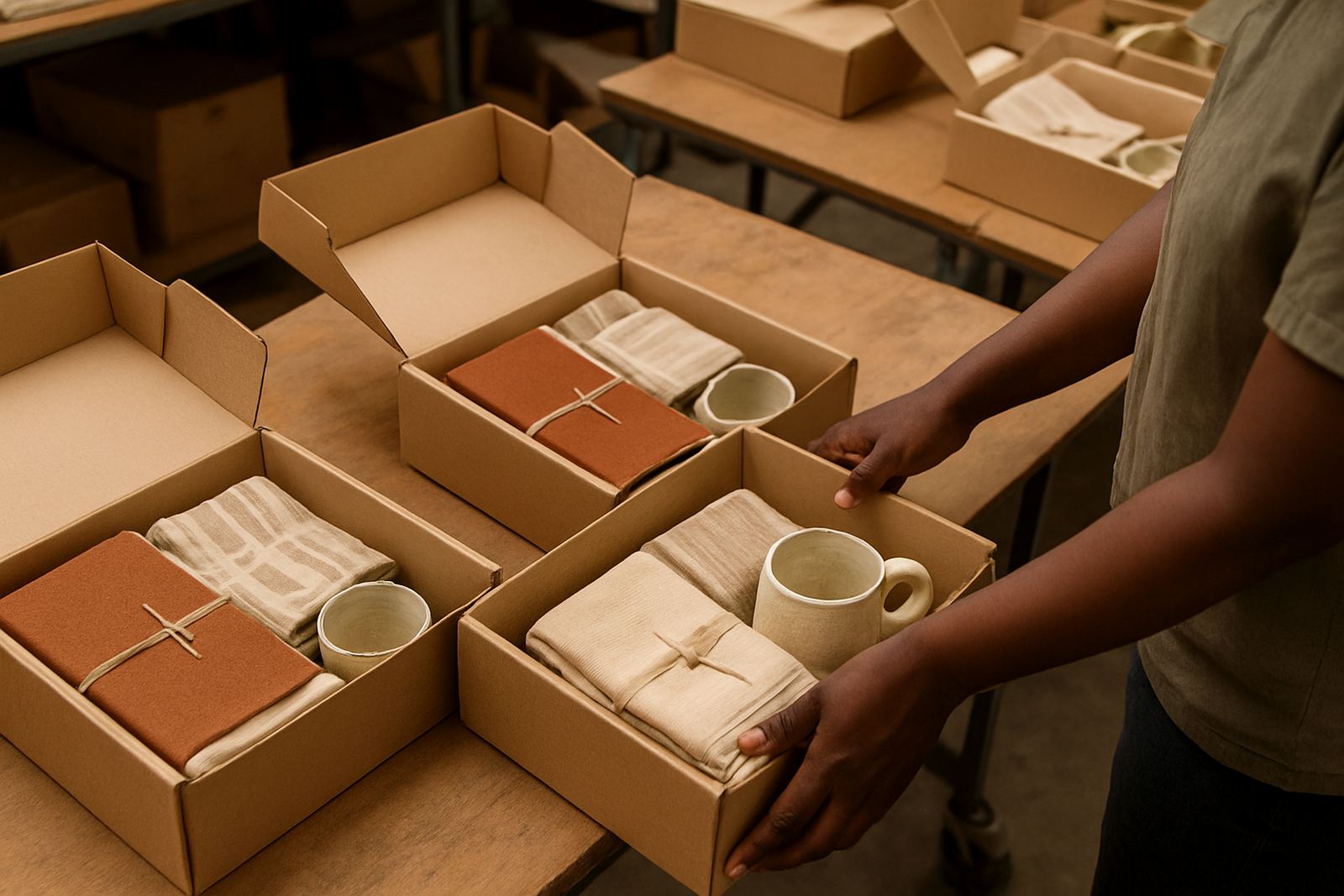
The final supply included storage, soft furnishings and lighting, with packing arranged to protect delicate forms during local courier movement. Each item was checked for fibre finish, stitching, shade shape and packaging strength. For the lighting, we made sure the dimensions would suit the room scale and that the pieces would not fight with the strong daylight in Umhlanga. It was a simple brief on paper, but the details mattered because holiday homes need to work hard from the first guest through to the last, every season.
- Item count: 18 pieces across storage, throws and lighting
- Lead time: 3 weeks from brief confirmation to dispatch
- Delivery area: Umhlanga with handover arranged through local courier coordination
- Finish standard: clean stitching, even weave, secure fittings and ready-to-place packing
Constraints we had to plan around
There were a few limits that shaped the project. The first was durability. The client did not want delicate surfaces that would mark easily if someone came in with wet swimwear or sandy feet. The second was the tight delivery window before guests arrived. The third was the practical reality of a coastal property, where humidity and changing temperatures can affect natural materials if they are not chosen properly. We kept the selection simple and avoided anything with loose detailing or fragile trims.
We also considered maintenance. The homeowner asked for pieces that could be dusted, shaken out or repositioned without special care. That ruled out bulky items that would be awkward in storage between bookings. Because the house is used for family stays, we worked with neutral shades that could blend into different bedding and scatter combinations over time. The result was a set of pieces that feels calm in summer but still useful when the weather turns cool.
Timeline from approval to delivery
The full turnaround was handled over three weeks. Week one covered the brief, selection and confirmation of sizes. Week two was used for final allocation from makers, checking finish quality and preparing provenance documentation. Week three covered packing, courier booking and delivery scheduling with the property contact. This pace suited the client because the home was already furnished with the basics and only needed the right finishing touches.
- Week 1: brief, measurements and selection
- Week 2: maker confirmation, quality checks and documentation
- Week 3: packing, courier coordination and delivery
The client appreciated that the process was direct. There was no need for repeated site visits or complicated sign-offs. Once the key dimensions and preferred look were agreed, we moved quickly and kept the communication practical. The homeowners received the goods in one consignment, which made unpacking easier for the housekeeper and reduced the risk of missing items before occupation.
What changed in the house after placement
Once the pieces were in place, the rooms felt more settled and useful. The woven baskets gave the household proper places for blankets, beach towels and guest extras, which helped cut visual clutter in the open-plan living area. The throws softened the seating zones and made the house feel warmer in the evenings without changing the clean coastal look. The lighting added a more relaxed mood at night and gave the main rooms a softer finish after sunset.
The client reported that the house now feels easier to manage between guest turns. The storage is practical, the textiles are comfortable and the lighting has enough presence without being flashy. That matters in a holiday home, because the best items are the ones people use every day without thinking about them. This project showed how a small number of well-chosen pieces can make a coastal property feel complete, especially when the selections are sized properly and packed for real use.
If we were to do it again, we would keep the same material direction and repeat the measured, low-fuss approach. For another Umhlanga home, we would likely add one or two extra basket sizes for linen storage, plus a second lighting layer for the patio if the client wanted longer evening use. The formula worked well because it was grounded in the way the house is actually lived in.
Key facts
| Project | Umhlanga Holiday Home |
|---|---|
| Location | Umhlanga, KwaZulu-Natal |
| Scope | Woven storage, soft throws, handcrafted lighting |
| Turnaround | 3 weeks |
| Pieces supplied | 18 |
| Use case | Private seaside holiday home |
| Coordinator | Export and Logistics Coordinator handled packing and delivery |