Start with the maker’s notes before first use
Every item is made differently, so begin with the care note supplied with the piece or ask for guidance through the enquiry form if you are unsure. Natural dyes, handwoven fibres, burnished clay and carved wood each react differently to water, heat and strong cleaners.
Before first use, check for loose threads, hairline cracks, rough edges or delicate trims. If a piece is being sent as a gift or used in hospitality settings, it helps to inspect it on arrival so any transport damage can be reported quickly and sorted out without delay.
- Keep the care note with the item for future reference.
- Check for chips, snags or loose parts before washing or displaying.
- If you are storing several pieces, label each one so the correct care method is followed.
Textiles: wash gently, dry flat and avoid harsh sun
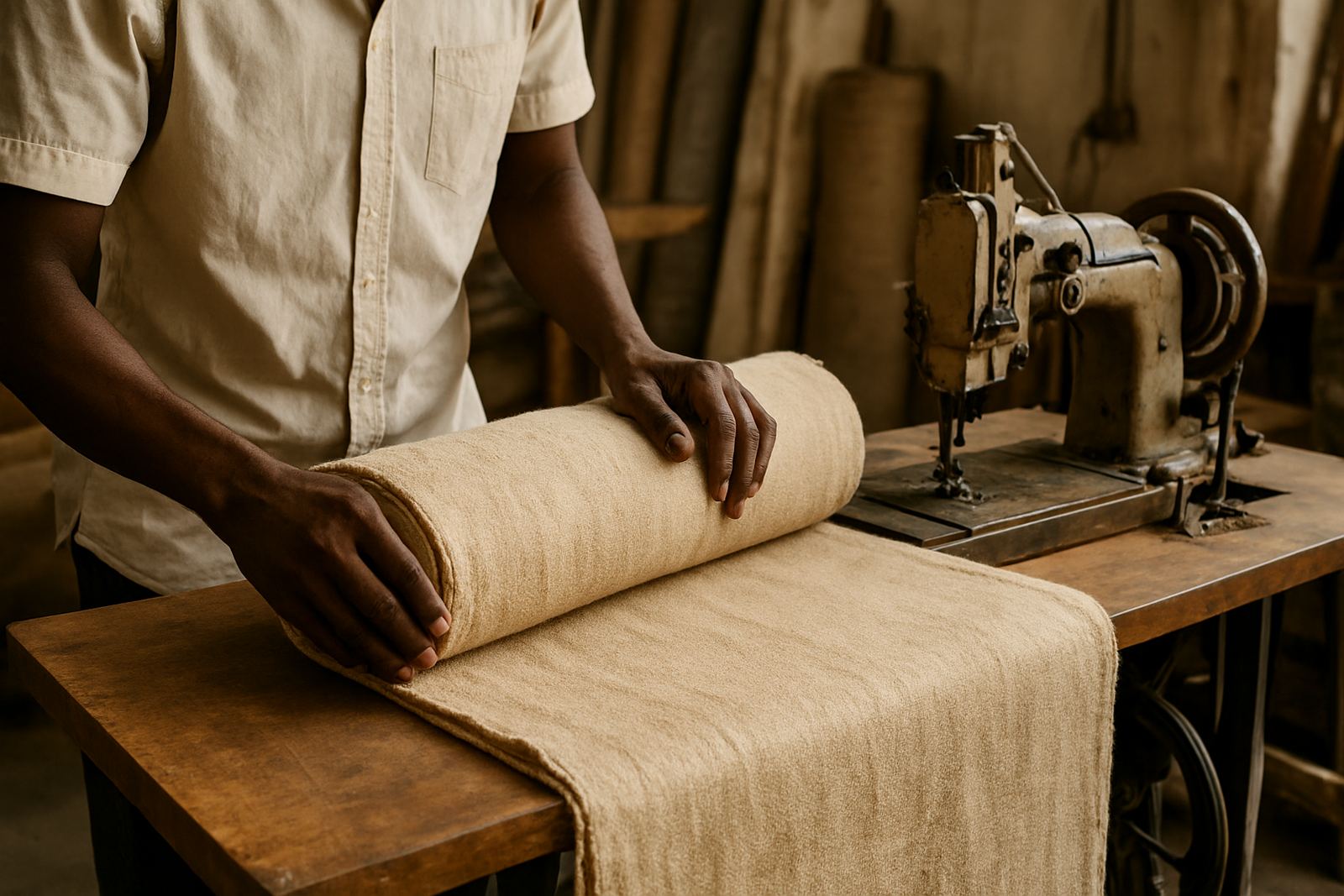
Handmade textiles should be treated with care, especially if they contain natural fibres or hand-dyed sections. In Johannesburg and coastal cities alike, strong sun can fade colours faster than most people expect, so store textiles away from direct light when they are not in use.
For small marks, spot clean first with cool water and a mild soap. If a full wash is needed, use cold or lukewarm water and move the fabric gently rather than scrubbing. Avoid bleach, strong stain removers and very hot water, as these can damage fibre strength and shift colour.
- Wash by hand when possible, especially for delicate woven or embroidered items.
- Dry flat or hang in shade, not on hot radiators or in direct midday sun.
- Iron on the reverse side at a low to medium setting, with a cloth between the iron and the textile if needed.
Ceramics: protect against knocks and sudden temperature changes
Ceramic bowls, plates, vases and decorative pieces should be handled carefully because chips often start from a small impact. When unpacking or moving them, hold the base with both hands and do not stack heavier items on top of lighter ones. Sudden changes in temperature can also cause cracking, so avoid putting a cold vessel straight onto a hot surface.
Most glazed ceramics can be washed in warm water with a soft cloth or sponge. Use a gentle washing-up liquid and rinse well. If a piece has an unglazed section or painted detail, keep it away from long soaking and abrasive pads.
- Place a cloth, felt pad or soft mat between stacked pieces.
- Let hot ceramics cool before washing to reduce cracking.
- Dry fully before storing, especially in humid areas like Durban and Gqeberha.
Baskets and woven goods: keep them dry and support their shape
Baskets and woven goods do best in a dry, airy place. Moisture can encourage mould, soften fibres and distort the original shape. If a basket becomes dusty, use a soft brush or dry cloth to remove surface dirt. For stubborn marks, use only a lightly damp cloth and allow the piece to dry completely in shade.
To keep the shape, avoid overfilling baskets or using them as storage for very heavy items unless they were made for that purpose. If a woven handle or rim starts to lift, do not pull it back into place by force. Contact us for advice, because a small repair early on is usually easier than waiting until the weave loosens further.
- Store in a cool, dry area with good air flow.
- Keep away from bathrooms, damp walls and direct rain exposure.
- Rotate displayed baskets now and then so pressure does not sit on one side for months.
Wood and mixed materials need light cleaning and low moisture
Wooden pieces, and items that combine wood with fibre, metal or ceramic elements, should be cleaned with minimal moisture. Use a dry or slightly damp cloth and wipe along the grain where possible. Too much water can raise the grain, cause swelling or leave marks on unfinished timber.
If the surface is sealed, a mild cleaner may be used sparingly, but always test on a small area first. For mixed-material items, clean each part according to its most sensitive component. A woven handle attached to a wooden base, for example, should be treated more like fibre than wood. A little patience here goes a long way and saves avoidable damage.
- Never soak wooden items or leave them sitting in standing water.
- Keep out of strong heat sources and direct coastal spray.
- Apply only products approved for unfinished or sealed wood, depending on the finish.
Packing, storage and courier handling
If you are sending items to another town, storing stock for a client or packing goods for export, wrap each piece separately. Use acid-free tissue, soft paper, bubble wrap where suitable and sturdy cartons with enough fill so items do not move around. Mixed orders should be packed so ceramics cannot knock against textiles or baskets during transit.
For long-term storage, choose clean shelves, breathable covers and a dry room away from pests and damp. Avoid sealed plastic for natural fibres or woven goods unless the item is fully dry and needs short-term protection only. In load-shedding periods, check storage spaces regularly because warm, closed rooms can hold moisture longer than expected.
- Mark fragile parcels clearly and add orientation notes such as this side up.
- Keep proof of condition with photographs before dispatch for higher value orders.
- Allow items to acclimatise after courier delivery before opening if they arrive cold or damp.