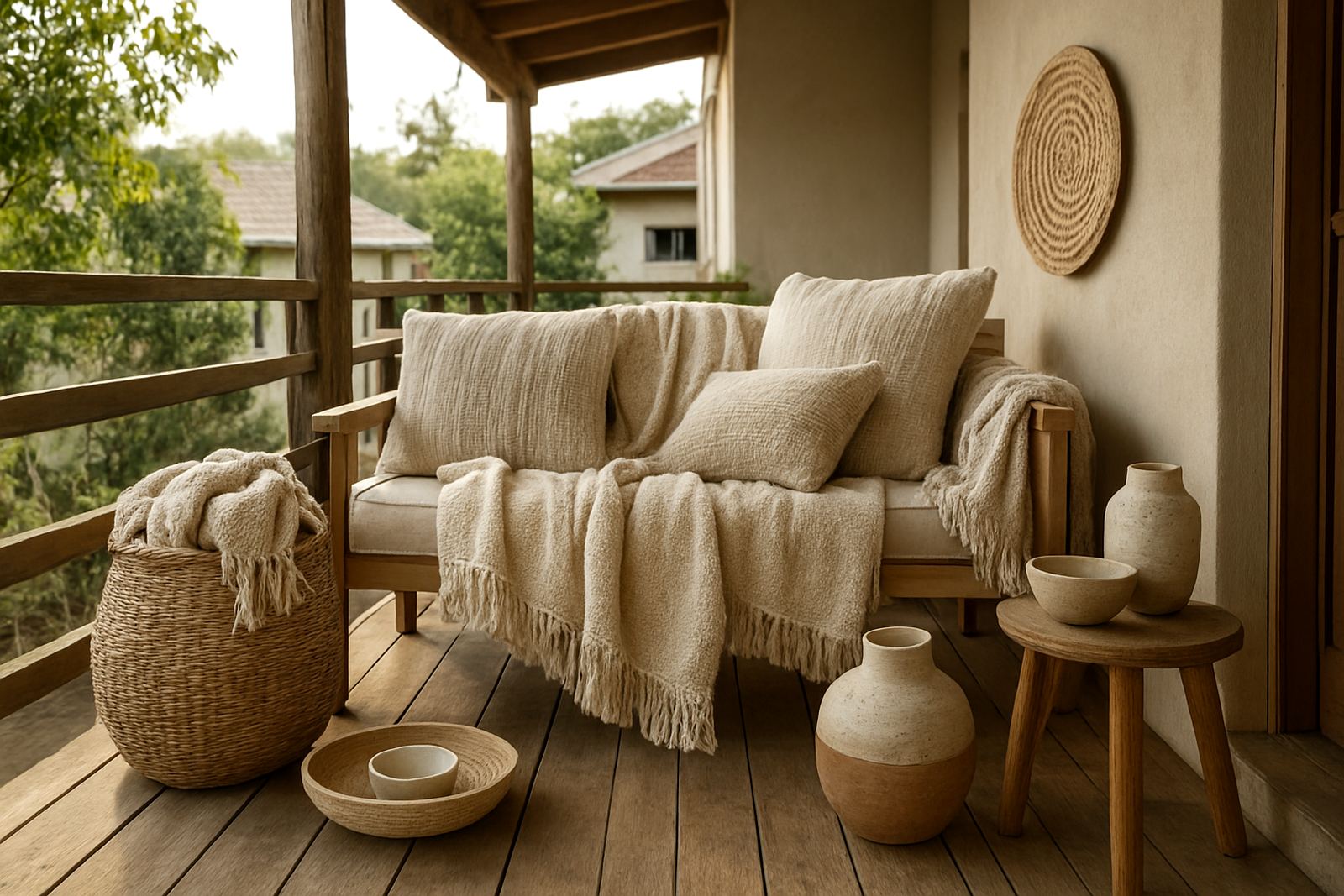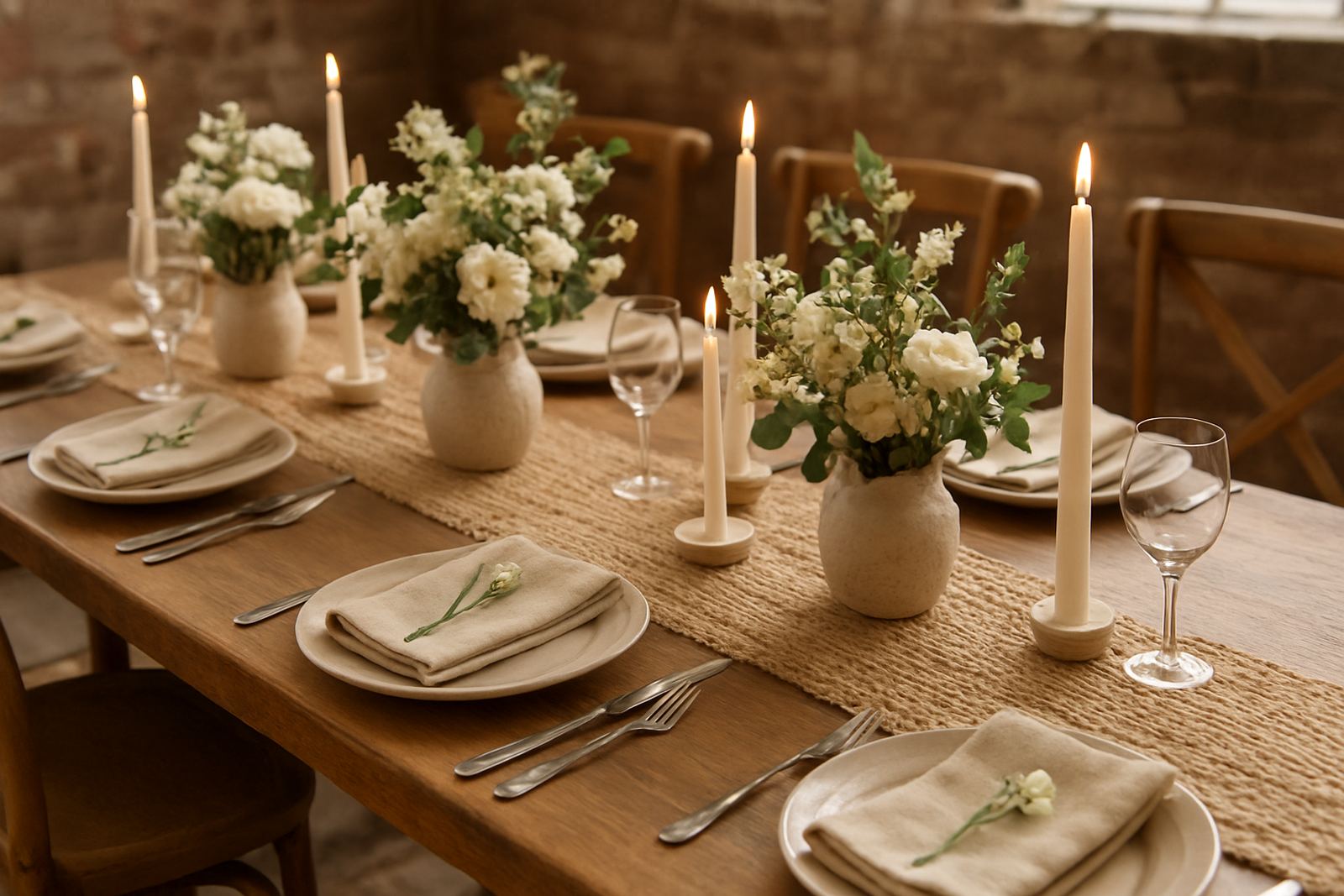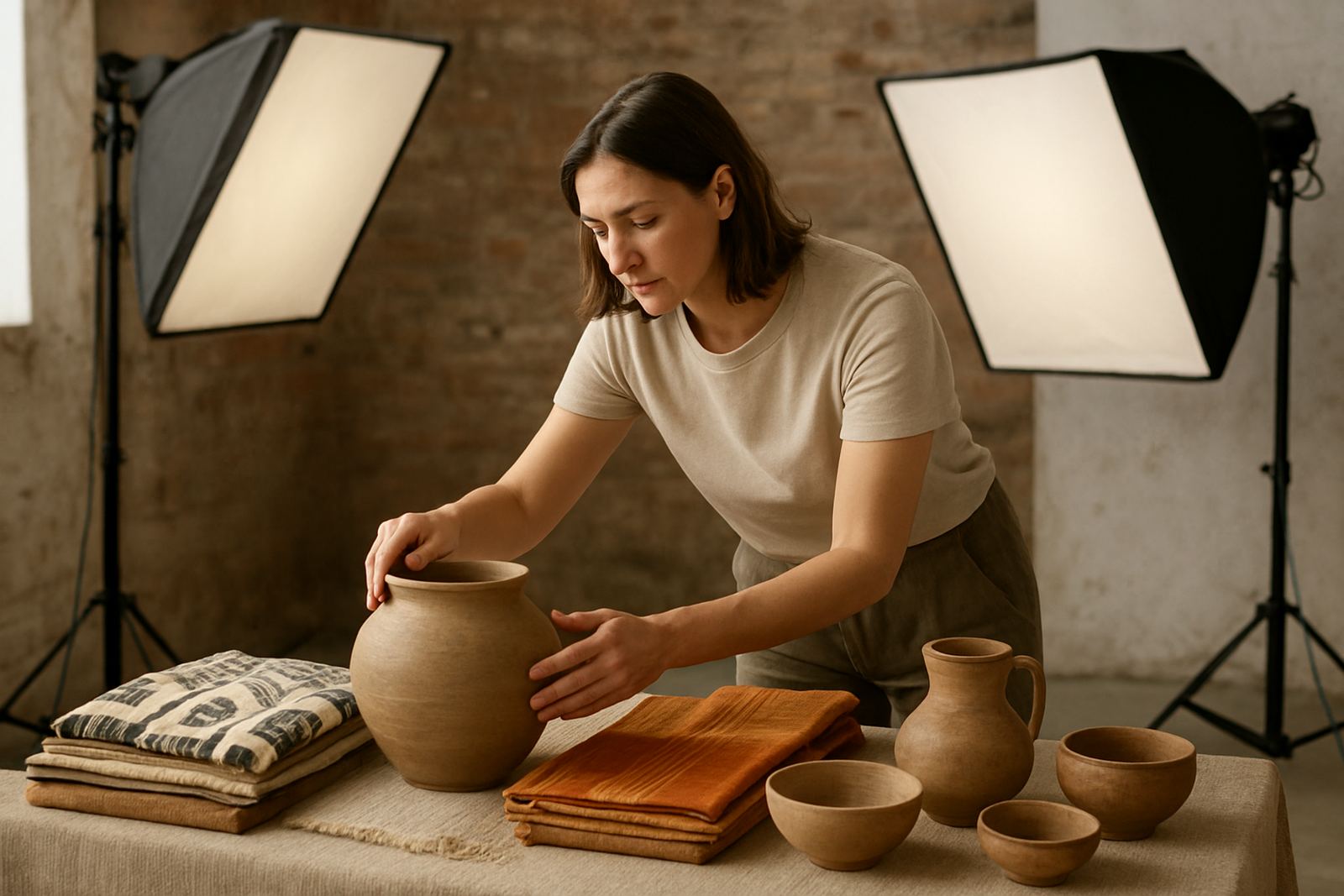

What gallery shops usually need on the floor
Gallery retail is not about filling shelves, it is about placing objects with enough presence to invite a closer look. In a good gallery shop, every item should earn its spot through form, texture, provenance and how easily it can be explained by the sales team. We work with stores that want pieces that feel collected, not generic, and that can sit beside art books, prints, ceramics, woven goods and gift items without looking out of place.
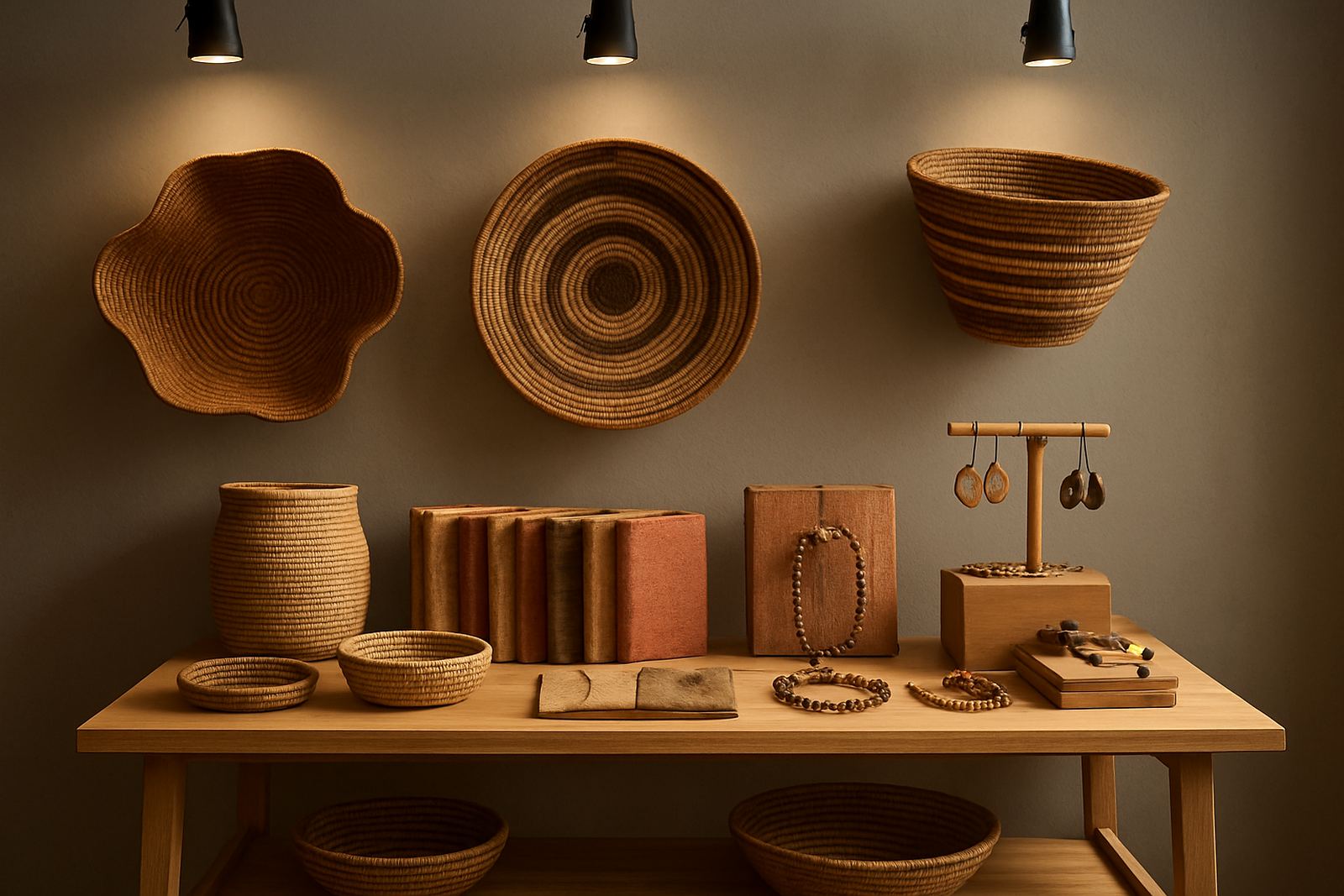
For this use case, the usual equipment set is simple but important: shelving with adjustable heights, plinths or display cubes, glass-front cabinets for delicate items, hanging rails or wall hooks for textiles, under-counter storage, lighting that shows colour properly, and packaging stations for wrapping and dispatch. In coastal stores, especially Cape Town and Durban, humidity control matters for textiles and porous ceramics. In Gauteng, dust and load-shedding planning matter more, so battery backup for lighting and card machines is worth the spend.
- Display units with clean sightlines and no clutter
- Sample handles for fabrics and softer goods
- Price cards and provenance cards near each object
- Secure storage for reserve stock and fragile items
- Packaging area for gift wrapping and courier prep
How we source pieces with a maker narrative
The strongest gallery shops sell more than an object, they sell the story behind the hands that made it. That means curating work from makers with distinct techniques, visible regional identity and enough consistency to support retail sales. We source through artisan partnerships across Africa, then narrow selections by colour palette, material, size, finish and suitability for local or international buyers. For a store in Maboneng, Sandton or the Pretoria design corridor, the mix can lean more contemporary. For hospitality-led retail in the Cape or coastal tourist areas, the mix often needs stronger texture and richer colour.
Custom curation helps when a client wants a tighter wall of woven pieces, a ceramic run in neutral clay tones, or a seasonal edit around gifting periods, tourism peaks or gallery openings. Provenance cards are useful here because they make the story easy to share at point of sale, and they reduce the burden on floor staff who may not know every maker detail off by heart.
- Textiles with clear weave structure and hanging presentation
- Ceramics in consistent series for table or shelf display
- Small artisan goods for impulse purchase and gifting
- Statement pieces for window displays and feature tables
- Seasonal colours for holidays, exhibitions and opening nights
Layout advice for small shops and tighter footprints
Most gallery shops in South Africa do not have large footprints, so layout has to do real work. The floor plan should allow a customer to enter, pause, scan the key story pieces, and move without feeling boxed in. Keep the first sightline open. Put the strongest visual item where it can be seen from the doorway, then lead into smaller supporting goods in natural groupings. If the store also runs exhibitions or launches, leave one area free enough to reset quickly. That makes life easier when stock changes midweek or when there is a private event after trading hours.
For collection consultations, we usually look at wall space, window exposure, lighting temperature, storage access and whether stock can be moved safely without damaging surfaces. In older buildings, especially in inner-city Johannesburg, uneven floors and limited back-of-house space are common, so packaging and reserve stock planning must be realistic. In retail centres, loading bay rules and municipal trading hours can affect courier handover and delivery timing, so those details should be fixed before opening.
A practical layout often separates goods into three layers. The front layer is the visual hook, the middle layer carries the full story, and the back layer holds extra stock plus any higher-value pieces that need supervision. This keeps the shop tidy and avoids over-merchandising, which is one of the common mistakes in gallery retail.
Common mistakes that weaken sales
Gallery shops often lose sales for reasons that are easy to avoid. The first mistake is mixing too many materials with no clear rhythm. If ceramics, textiles and basketry are all crowded into the same area, the customer cannot see the value of each. Another issue is unclear pricing. When prices are hidden or inconsistently displayed, staff end up answering the same questions all day and buyers hesitate.
Another mistake is choosing objects that photograph well but do not travel well. Cracks, loose finishes and awkward packaging create returns and complaints, especially with courier orders to Cape Town, Durban, Gqeberha or overseas. It is also a problem when a store buys only one-off pieces with no repeatable supply. That looks good for a week, then the shelf goes empty and the display loses its logic. We recommend a mix of hero pieces and replenishable lines so the range stays alive.
- Overcrowded shelves that hide the shape of the item
- Poor labelling with no maker, material or origin details
- No plan for fragile stock during power cuts or busy trading days
- Ignoring packing standards for courier and export orders
- Buying only large statement pieces with no entry-level price points
Budget ranges for gallery shop fit-outs and stock planning
Budget depends on whether you are refreshing a small display corner or fitting out a full retail space. For a light update with a few shelves, plinths, signage and a curated opening range, many gallery shops spend from R25 000 to R80 000. A more complete retail setup with custom display fixtures, lighting changes, storage, packaging tables and a stronger opening stock position can sit between R120 000 and R350 000. Larger hospitality or retail concepts, especially where wholesale and seasonal editing are part of the plan, can run higher.
Stock budget is best planned separately from shop fit-out. For a considered launch range, we often suggest starting with a broad mix of textiles, ceramics and artisan goods at different price points so the customer can buy in at under R500 and still find premium items above R2 000. If wholesale is part of the model, bulk order planning helps reduce freight costs and makes replenishment smoother. Export packing and courier coordination should be built into the margin from the start, not added later as an afterthought.
From our base in Maboneng, Johannesburg, we support clients across Sandton, Pretoria, Cape Town, Durban, Gqeberha, Midrand and Soweto, as well as international courier orders. The best budgets are the ones that leave room for replacement stock, gift packing and seasonal edits, because gallery retail changes with the calendar and with what customers are looking for that month.
How we support gallery shops from enquiry to dispatch
Clients usually come to us through the enquiry form on our contact page, then we shape the brief around the shop size, target customer, stock category and shipping needs. Some want artisan sourcing only. Others need full retail wholesale support, provenance cards, sample loans, hospitality styling or collection consultations before signing off on a range. Our team manages the moving parts so the store gets pieces that are ready for display, pricing and sale.
That includes merchandised groupings, pack-safe selection, seasonal editing and practical courier coordination. If the shop serves tourists, gallery visitors or design-conscious locals, the mix can be adjusted to suit take-home size, giftability and transport. If the site is in a busy trading area or a centre with strict access rules, we also plan collection and delivery times so the handover is smooth and the stock arrives in good condition.
For gallery shops, the right mix is not just beautiful. It has to sell, last and travel well, even when loadshedding, humidity or tight floor space gets in the way.