
Handwoven throws made for real everyday use
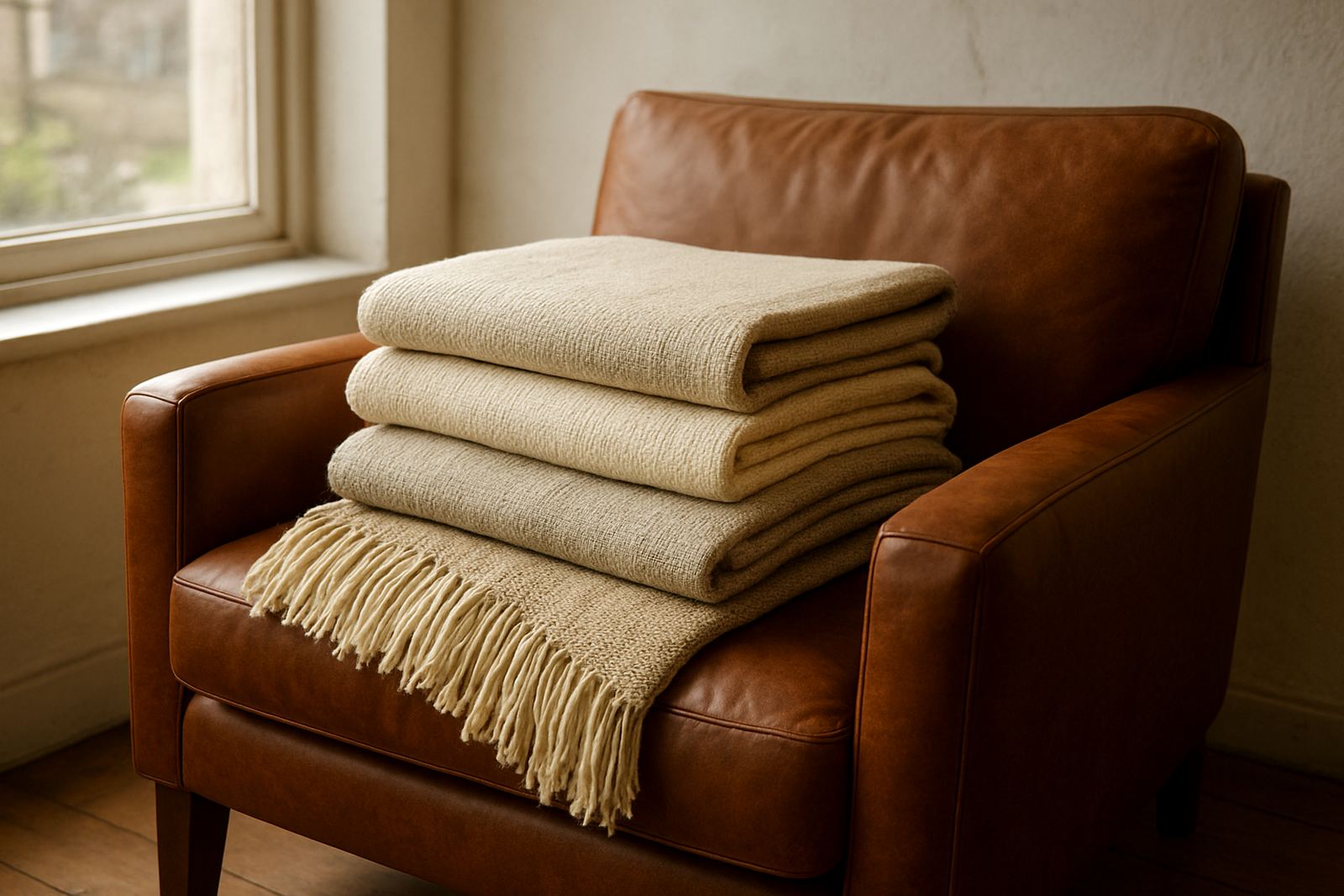
Handwoven throws are textile layers used for warmth, texture and presentation. They are commonly woven from cotton, wool blends, acrylic blends or mixed natural fibres, depending on the maker and the intended use. Some are tightly woven for a neater finish and better edge stability, while others have a looser drape that works well over sofas, beds and occasional chairs. Expect slight variations in weave density, tassel length and colour placement because each piece is made by hand, not machine stamped.
These throws suit homes that need an extra layer in winter, guest rooms that need a tidy finished look, and hospitality spaces that want a softer, more personal feel. They also work well for gift packs and corporate gifting where weight, fold size and presentation are important. If you are ordering for multiple units, it is worth allowing for small natural differences between throws in the same batch, especially where dye lots or hand finishing are involved.
- Typical uses: sofa throw, bed runner, reading chair layer, lodge room accent, gift item
- Common finishes: fringed edge, knotted tassels, plain hem or decorative border
- Best suited to: cool evenings, light layering and decorative warmth
Sizes, drape and weight you can plan around
Most handwoven throws are supplied in practical rectangular sizes that are easy to fold, stack and pack. The most common format is around 130 x 170 cm, which suits a single chair or the foot of a bed. Larger throws at about 150 x 200 cm give more coverage for double beds and lounge use. Smaller accent pieces can be used over armchairs, ottomans or for gift presentation. Because weaving tension varies, final measurements may differ slightly from piece to piece, usually by a few centimetres.
Weight is just as important as size. A lighter throw is easier for hospitality teams to launder and reset, while a heavier weave feels warmer and more substantial for colder regions like Johannesburg, Pretoria and the Highveld. For coastal homes in Cape Town, Durban and Gqeberha, a medium-weight weave often works better through changing humidity and milder winters. If the throw will be used frequently, ask for the fibre content, weave density and expected pilling behaviour so you can choose the right balance of softness and durability.
- Standard size: 130 x 170 cm
- Large size: 150 x 200 cm
- Custom sizing: possible for bulk or project orders
Where handwoven throws suit best
These throws are practical in homes, lodges, guesthouses, office reception seating and boutique retail settings. In hospitality, they add a layer of comfort without needing power, gas or fixed installation. That makes them useful for load-shedding periods too, when guests still want a warm, tidy space without depending on heaters. In retail and gifting, they pack flat and can be included with provenance cards or seasonal gift wrapping for a stronger presentation.
For interiors, throws work well in spaces that need a softer finish on hard seating or neutral upholstery. They can also help break up large plain rooms, especially where natural materials, timber furniture or exposed brick are already part of the look. If the space is coastal, check how the fibres will hold up in humidity and whether the throw will be stored in a closed cupboard or left in open use. In busy settings, darker or mixed-tone weaves may be more forgiving than very pale colours.
- Good for homes, lodges, guesthouses and reception areas
- No power or gas needs, and no fixed installation required
- Useful for gifting, seasonal dressing and retail display
Care, cleaning and servicing over time
Care depends on the fibre mix and the maker’s finish, so always check the label or care note before washing. Many throws do best with a gentle hand wash or cool machine wash on a short cycle, using mild detergent and no bleach. If the piece has decorative tassels or a loose weave, it may be better to wash it inside a laundry bag and dry it flat to keep its shape. Wool-rich throws usually need more careful handling than cotton-rich ones, especially if you want to avoid shrinkage or felting.
For hospitality use, regular airing helps between guest turnovers, and light brushing can remove dust or lint. If the throw is used in a coastal area, make sure it dries fully before storage so it does not pick up a musty smell. Avoid direct high heat from heaters or tumble drying unless the care note clearly allows it. There is no servicing in the technical sense, but for bulk programmes it is wise to keep a few spare pieces aside for rotation and replacement, especially where daily use is expected.
- Use mild detergent and cool water where suitable
- Dry flat or line dry to protect shape and fringe
- Store clean and fully dry in a ventilated cupboard
What to confirm before ordering brass candleholders
Before ordering, confirm the intended setting, the number of units, the size you need and whether the throws are for daily use or occasional gifting. Ask for fibre content, approximate weight and any available colour range so you can match the throws to the room or programme. If you need a coordinated set for multiple rooms or branches, it helps to agree on one weave family and one colour direction early, since handwoven goods can vary slightly between batches.
It is also worth checking packing and transport details. Throws are usually easy to courier, but bulk orders should be packed to protect the fibres from dust and moisture during transit. For export orders, confirm whether provenance cards, HS details, invoice wording and carton marking are needed for customs. If you are ordering for a hotel, lodge or retail store, ask about sample viewing and whether mixed sizes can be combined in one order. Small details like tassel finish, colour depth and fold size can make a real difference to the final result.
- Confirm size, fibre content and intended use
- Check colour range and batch variation tolerance
- Ask about courier packing, export paperwork and lead time
Specs and ordering notes for project buyers
Handwoven throws are often supplied as part of a curated range rather than as a rigid factory standard, so project buyers should allow for practical tolerances. That includes small measurement differences, slight colour shift from one dye batch to the next and natural irregularity in weave texture. These are not faults, they are part of the handmade finish. If you need a tighter spec for hospitality or retail roll-out, request a pre-order sample or a small set for approval before the full run is packed.
For homes and gifting, the best results usually come from choosing a throw that suits the climate and the way it will be used. A heavier weave works better for cool inland evenings, while a lighter piece is often enough for layering in warmer regions. In all cases, the best ordering decisions come from checking dimensions, fibre mix, finish and packing requirements before the courier leaves Maboneng.
- Suitable for single-unit purchases and bulk order planning
- Can be coordinated with gift packing and provenance cards
- Available for South African delivery and international courier
Key facts
| Product type | Handwoven textile throw |
|---|---|
| Common sizes | 130 x 170 cm and 150 x 200 cm |
| Typical fibres | Cotton, wool blends, acrylic blends, mixed natural fibres |
| Finish options | Fringed edge, knotted tassels, plain hem, decorative border |
| Use settings | Homes, lodges, guesthouses, retail and gifting |
| Care guidance | Cool wash or gentle hand wash where suitable, dry flat or line dry |