
Brief for a quiet Stellenbosch villa
The client was a private villa owner in Stellenbosch looking for a softer interior language than the usual polished wine-country finish. The brief was to bring in texture without clutter, with pieces that felt collected, practical and easy to live with. Natural fibres, handmade ceramics and simple table layers were the starting point.
They wanted items that could move between everyday use and hosting, with enough warmth for cooler months and enough breathing room for summer entertaining. The villa already had strong architectural lines and good natural light, so the task was to choose pieces that added tone and tactility rather than competing with the space.
We also had to keep the selections suitable for a home that would see regular guests. That meant washable textiles, stable ceramic pieces for console and dining areas, and giftable items that could be replenished later without breaking the overall scheme.
What the space needed to cope with
There were a few real constraints to manage. The house sits in a part of Stellenbosch where summer sun can be strong through the glazing, so fabrics had to be light enough to work in brightness but not too fragile. The client also asked for pieces that would hold up well in a holiday-style home where linen is washed often and ceramics are moved between rooms.
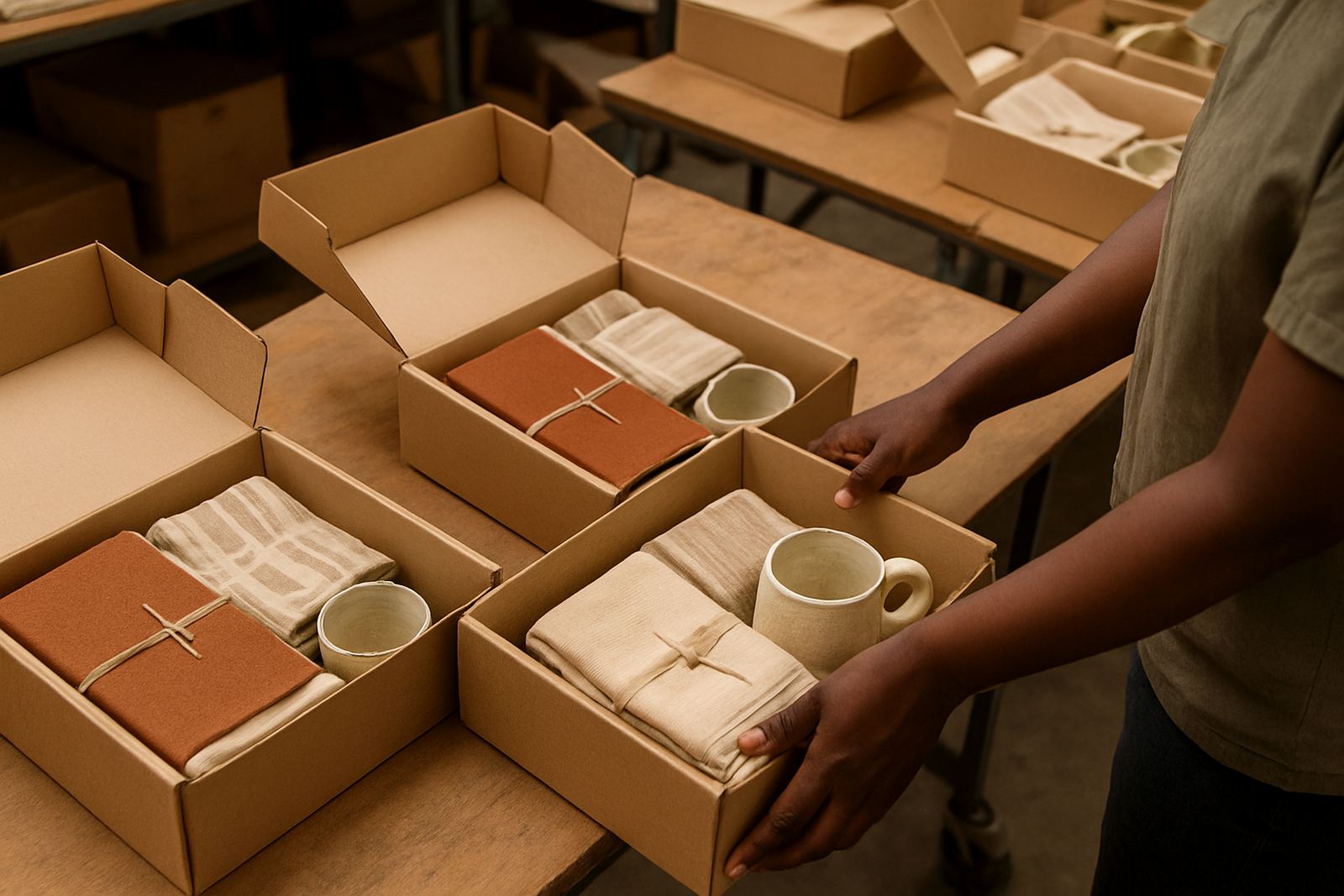
We also had to plan for access and storage. Some items needed to be delivered in stages, because the villa had limited holding space during another contractor's final works. For the linen and ceramics, we grouped the order so breakables were packed separately and textile items could be unpacked first for styling on arrival.
- Natural fibres only for the main soft furnishings, with a preference for cotton, linen and woven blends.
- Ceramics needed to be large enough to read clearly in open rooms, not small shelf filler.
- Colours had to stay in a restrained range of sand, clay, off-white and soft charcoal.
- All items had to be suitable for courier handling and repeat use in a private home.
Curating the layers piece by piece
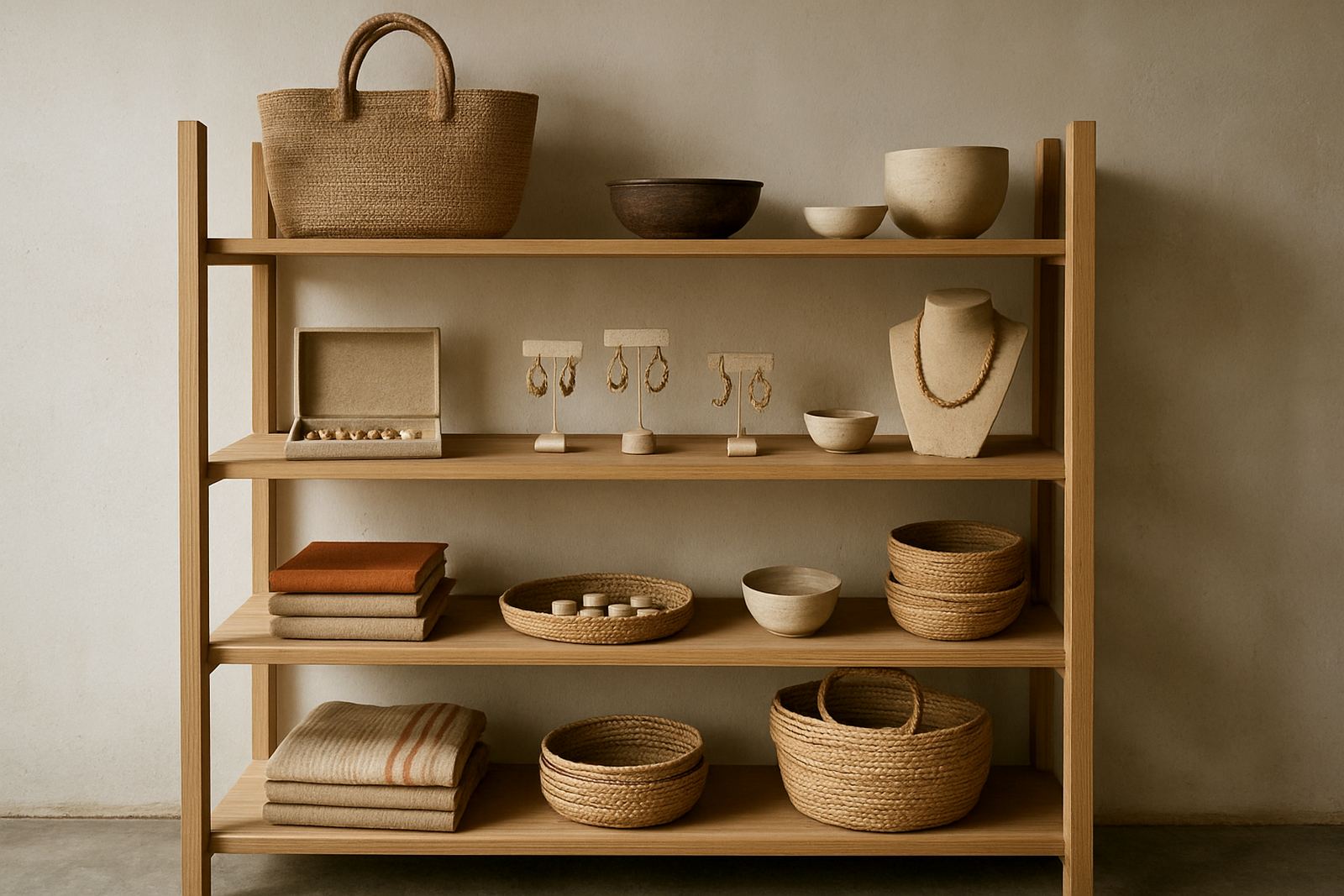
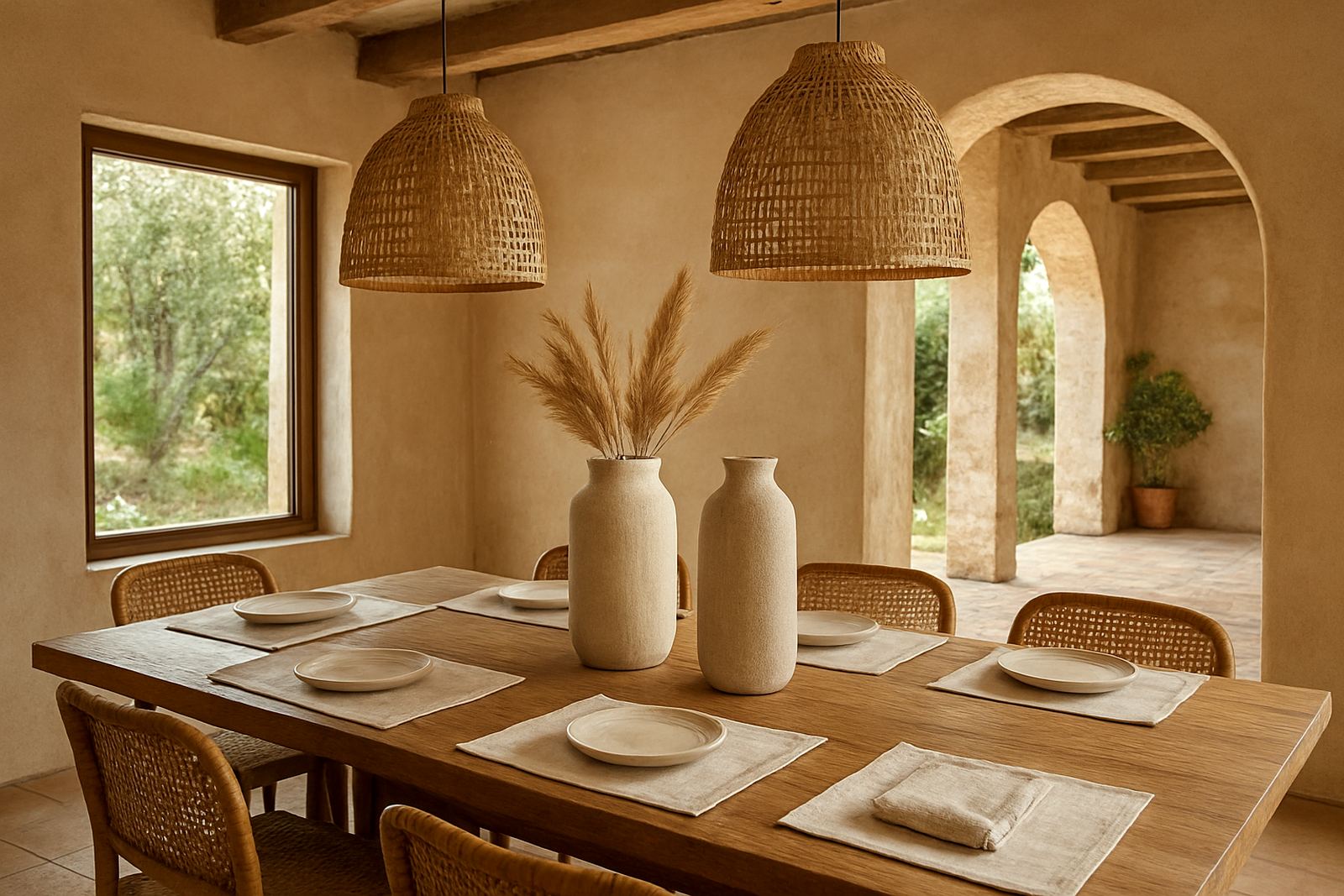
We built the scheme around a small number of strong elements rather than a long shopping list. For the textiles, we supplied table linen with a relaxed drape, place settings that did not feel too formal, and a few woven pieces to bring in hand-made character. The ceramic direction focused on generous bowls, medium-height vessels and a few sculptural forms that could stand alone or be grouped in threes.
The curation process started with reference images and measurements from the client, then narrowed down to pieces that suited the rooms already on site. We compared scale against the dining table, sideboards and open shelves, making sure nothing felt undersized. Because the villa would host both family use and visitors, we kept the selection practical and easy to rotate.
- Table linen in neutral tones, sized for a long dining table and layered side tables.
- Handmade ceramic vessels from several makers, chosen for weight, glaze variation and proportion.
- Woven textile accents for seating areas and quieter corners.
- Small hospitality-ready items that could be used for arrivals, teas and informal dining.
Packing, provenance and delivery to site
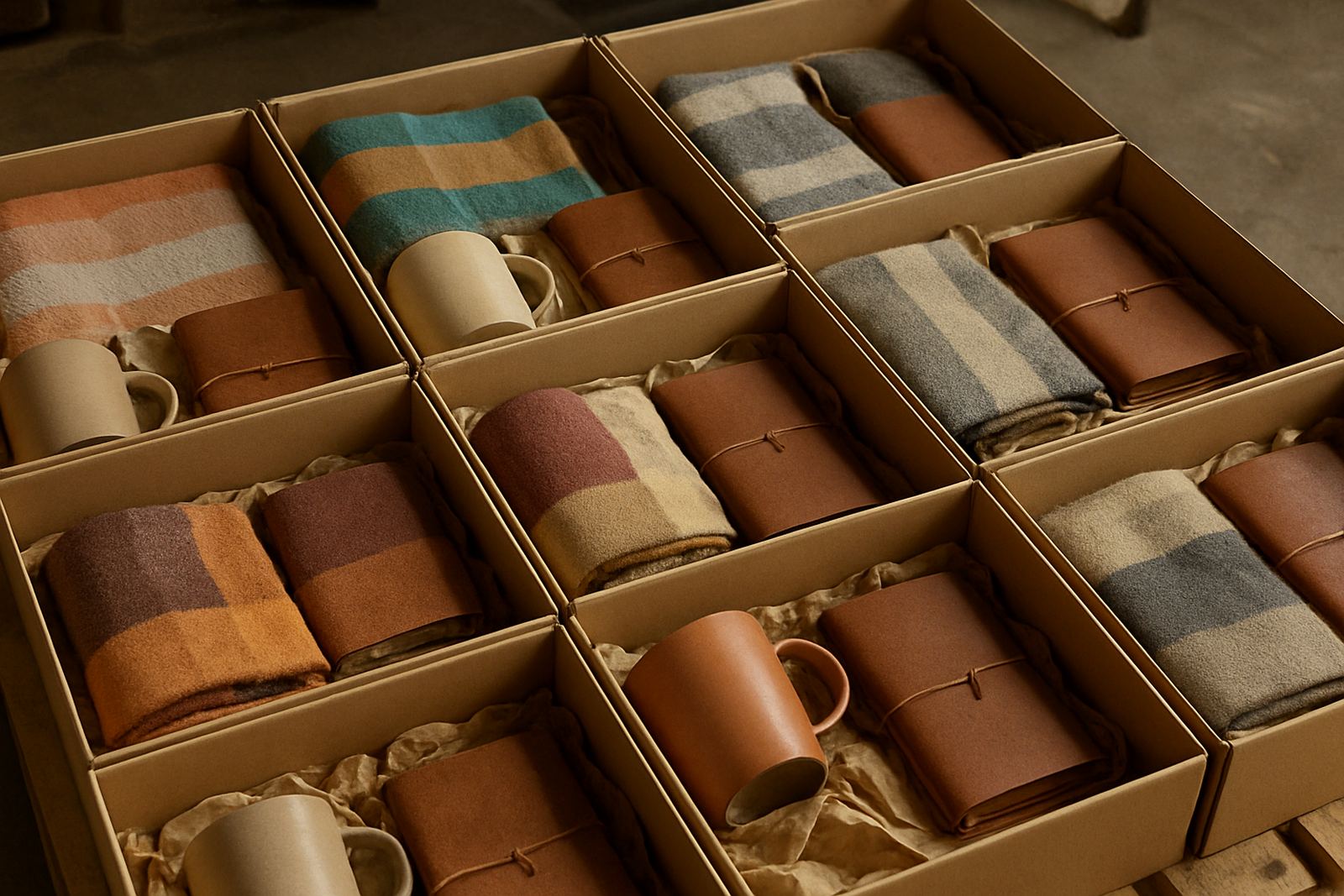
Because the order included fragile items and mixed materials, the logistics needed proper care. We prepared export-style packing for the ceramics even though the delivery stayed within South Africa, using inner wrapping, boxed separation and clear labelling so the site team could unpack in sequence. Provenance cards were added to key items so the client could keep a record of maker names, material notes and care guidance.
Delivery was coordinated from our Johannesburg base through to the Western Cape in a staged timeline. The soft goods moved first, followed by the ceramic group once the surfaces were ready. This reduced handling and let the interior team start styling immediately instead of waiting for a full mixed shipment. It also helped keep breakage risk low, which matters when you are sending handmade work over long distances.
For a coastal or winelands home, there is always a practical side to finish choice. We kept the pieces simple to dust, easy to move and suitable for a house that may be closed up between visits. That made the installation less fussy and easier to maintain over time.
Timeline, from brief to completion
The project ran over 4 weeks from first brief to final placement. Week one was the consultation, measurements and confirmation of colour direction. Week two covered sourcing, sample viewing and final selection. Week three was packing, provenance paperwork and courier coordination. Week four was delivery to site and the final styling pass.
The client was able to review a concise shortlist rather than a long set of options, which kept decisions moving. That was important because the project had to fit in around other work at the property and the team needed clarity on what was coming before installation day.
- Week 1: brief, measurements and room review.
- Week 2: sourcing, curation and approval.
- Week 3: packing, labelling and courier booking.
- Week 4: delivery, unpacking support and final styling.
What changed once the pieces were in place
The finished rooms felt calmer and more grounded, with enough texture to stop the villa reading too spare. The table linen softened the dining area immediately, while the larger ceramics gave the main living spaces a clear focal point without making them feel overdone. The client liked that the items looked purposeful but not too matched.
One of the strongest results was flexibility. The same pieces could be used for everyday living, weekend hosting and seasonally changed table settings. The provenance cards also gave the client a simple way to remember what each piece was, who made it and how to care for it, which is useful when a home contains mixed handmade work from different regions.
We would use the same method again: fewer pieces, chosen properly for the room and the way the home is used.: fewer, better-chosen pieces, measured against the room and the way the home is actually used. We would also repeat the staged delivery method because it made the handover easier and avoided crowding the site. For a villa like this, restraint worked better than volume and the result has a lot more staying power.
Key facts
| Project name | Stellenbosch Villa Layers |
|---|---|
| Client type | Private villa owner |
| Town | Stellenbosch, Western Cape |
| Timeline | 4 weeks |
| Main materials | Natural fibres, handmade ceramics, woven textile accents |
| Services used | Artisan Sourcing, Custom Curation, Gift Packing, Export Packing, Provenance Cards, Courier Coordination |