What a provenance card includes
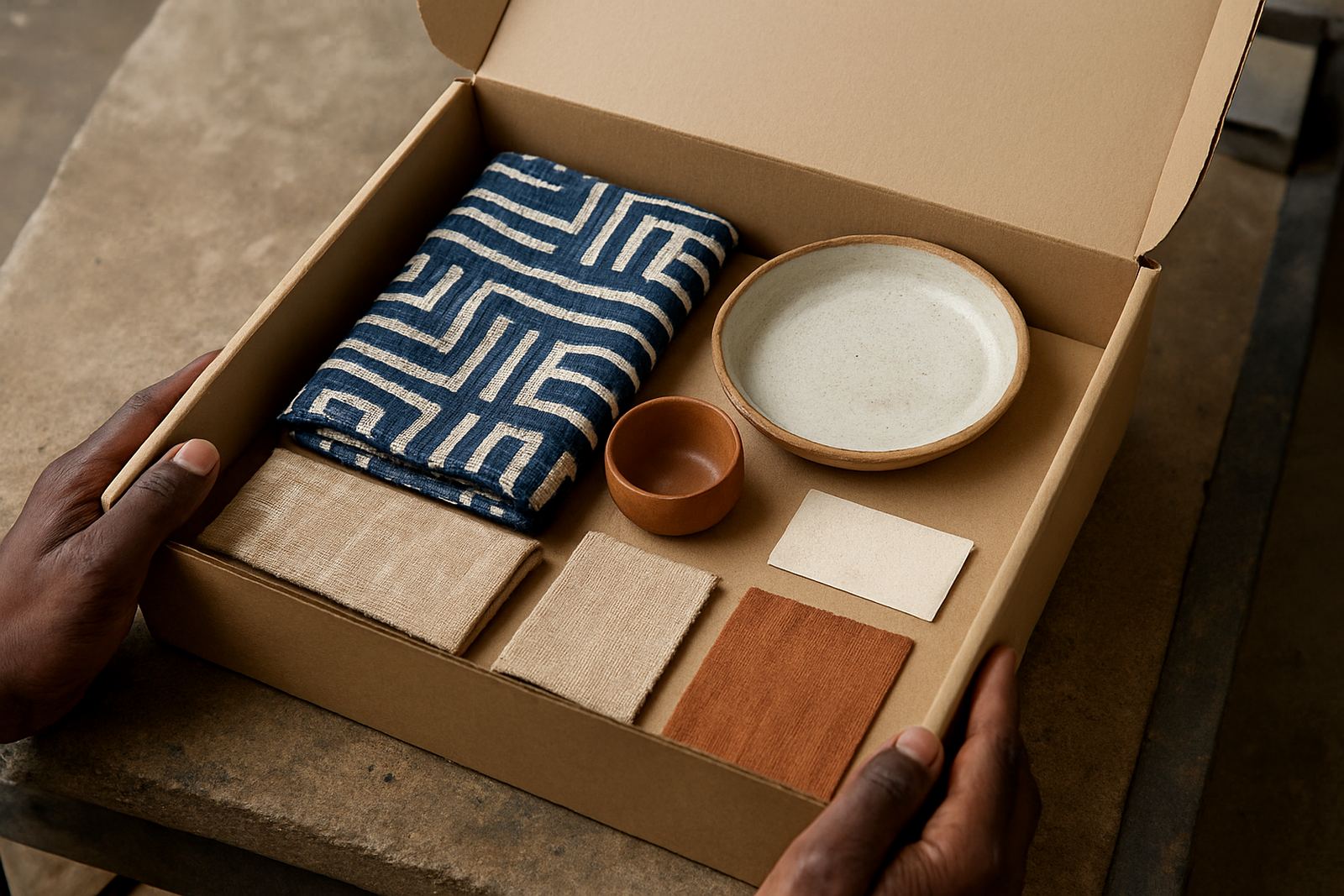
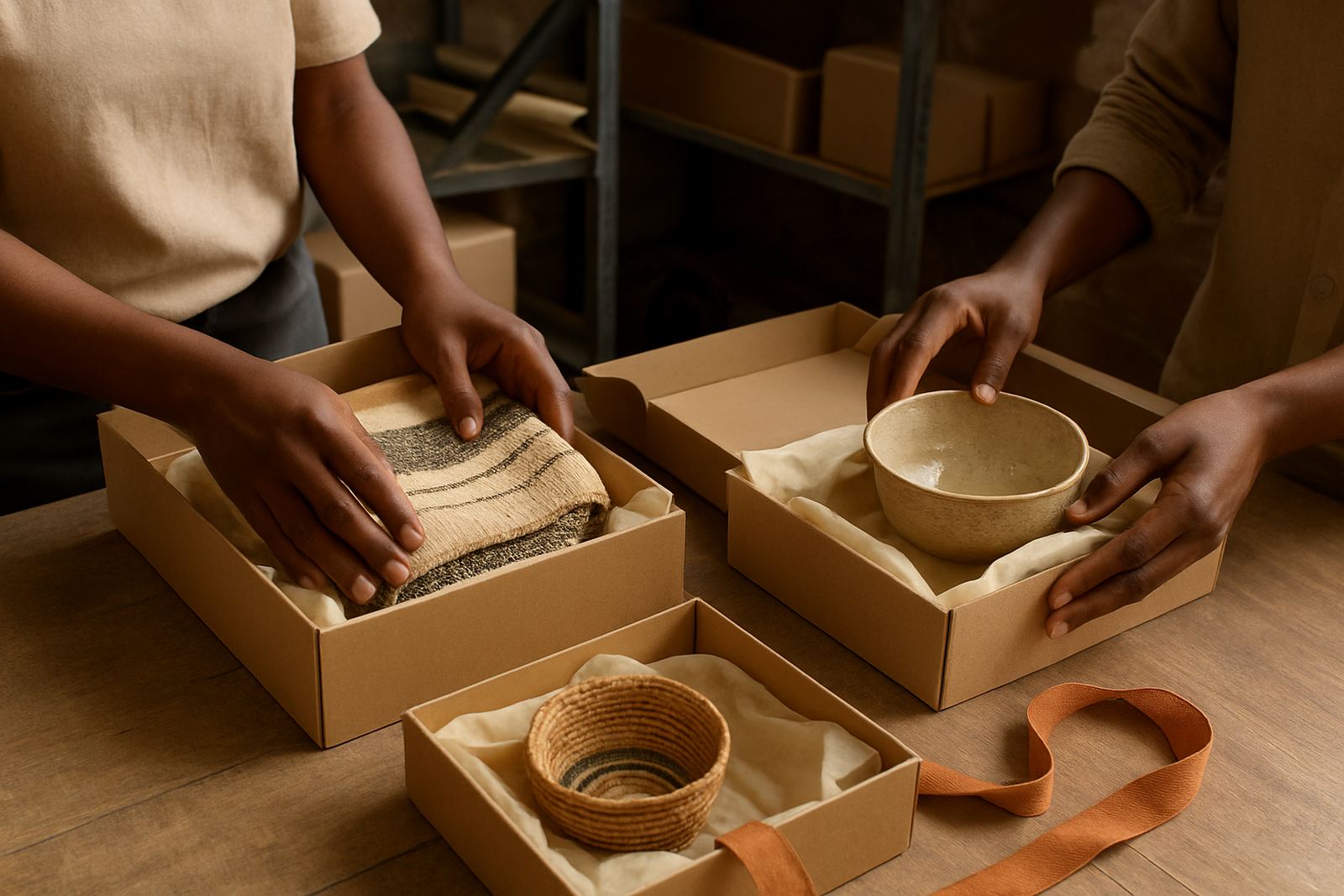
Each card is prepared to sit neatly with the item, whether it is a woven textile, a ceramic bowl or a mixed material artisan piece. We keep the wording short and useful, with enough context to support sales without overloading the customer. Cards are written in plain English and can be adapted for retail shelves, gift packing, hospitality rooms or export shipments.
- Maker name or maker group, with location where available
- Material notes, such as cotton, clay, natural dye, wood or beadwork
- Technique summary, for example handwoven, hand-thrown or stitched by hand
- Country or region of origin
- Care note and handling tip
- Optional edition or batch reference for repeat orders
How we prepare the wording
We start with the item details you have on hand, then confirm the material story and any special handling points. If the piece is going into a store, guest room or export carton, we keep the language tight and easy to read at a glance. For larger ranges, we can create one master format and then adjust it for each product line. That keeps the tone consistent across the range and saves time when stock moves quickly.
- Retail ready copy for shelf talkers, swing tags or insert cards
- Short maker story for premium gifts and hospitality styling
- Export wording that fits customs paperwork support and buyer packs
- Care notes suited to humidity, dust and regular handling
Card formats, sizes and print specs
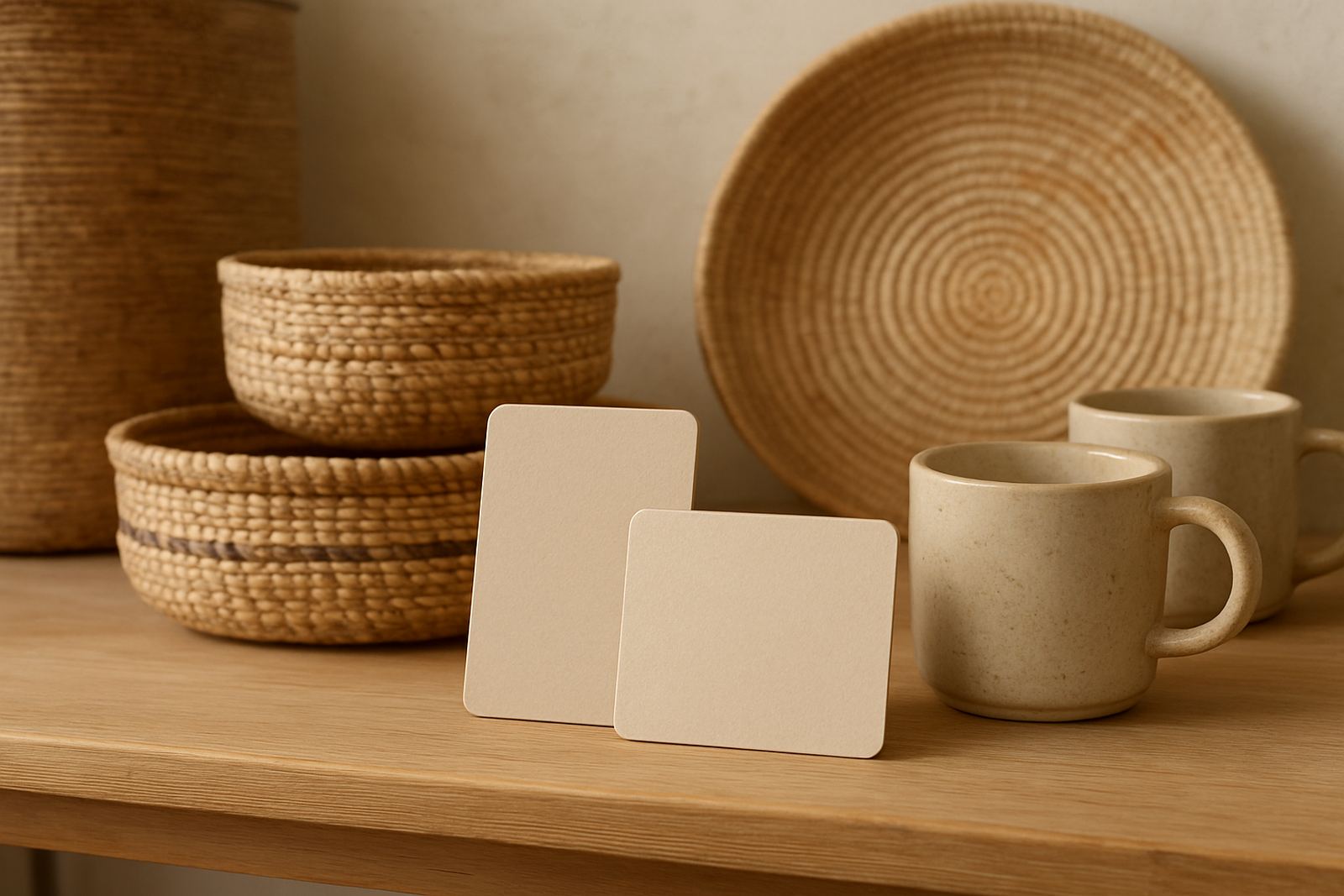
We can supply content only, or we can help set the copy up for print. Most clients choose compact cards that fit inside a gift box or next to a display item without crowding the presentation. For ceramics and textiles, we usually recommend a clear format with enough space for a title, maker note and care line. The exact layout depends on how the item is sold and whether the card needs to travel in a carton, hang from a hook or stand beside a product.
Common options include A7 cards, 90 x 50 mm tags and DL inserts. For premium retail and gallery-style presentation, we often suggest 300 to 350 gsm stock with a matt finish so the text is easy to read under shop lighting. If the cards will be handled often, we can suggest a laminated or coated finish that resists scuffing a bit better.
Our process from brief to final copy
We work in a simple sequence so the information stays accurate and the turnaround stays predictable. Once the product details are received, we check the maker name, material notes and the right way to describe the piece. If anything is unclear, we come back with a short list of questions rather than guessing. That matters for provenance because a small detail can change how a buyer understands the item.
- Step 1: Send product details, photos and any existing notes through the enquiry form
- Step 2: We review maker, material and origin details
- Step 3: We draft the card copy in a format suited to the item
- Step 4: You approve wording and any formatting notes
- Step 5: We prepare the final text for print or pack use
Turnaround, pricing and order size
For standard requests, turnaround is usually 2 to 4 working days once all information is confirmed. Larger product lists, multi-maker collections or export packs may take longer, especially if the copy needs to be aligned across several categories. We quote according to the number of cards, the amount of research required and whether the final output is content only or print-ready setup. This keeps pricing fair for both small batch work and wholesale orders.
Pricing is generally structured per card set or per collection, with lower unit cost for bigger volumes. If you have a range for a hotel, shop or seasonal market, we can plan the work in batches so you are not paying for unnecessary rush edits. For rush jobs in Johannesburg or elsewhere in Gauteng, we will confirm what can be done within the available window before we start.
Care notes and update intervals
Provenance cards are not one-and-done paperwork. When stock changes, makers change or a new batch comes in, the notes should be checked again so the detail stays current. We suggest reviewing cards at the start of each season, after any major restock and before export shipments. This is especially useful for textiles and ceramics that may shift in colourway, glaze or finishing between batches.
- Review every 3 months for active retail ranges
- Review before each new seasonal edit or gift collection
- Review after maker or material changes
- Replace cards if wording becomes too worn, faded or outdated
For coastal destinations like Cape Town, Durban and Gqeberha, we also suggest checking card stock and finishes if items will be held in humid rooms or near windows. A good card should stay legible and tidy, not curl or fade after a few weeks on display.
Key facts
| Service area | Maboneng, Johannesburg, with delivery support to South Africa and international orders |
|---|---|
| Typical turnaround | 2 to 4 working days after all product details are confirmed |
| Card sizes | A7, 90 x 50 mm tags, DL inserts and custom sizes |
| Copy style | Concise maker, material and care notes written in plain English |
| Price basis | Quoted per card set or collection, based on volume and research needs |
| Update interval | Quarterly for active ranges, or sooner after stock and maker changes |