
What concept stores usually need from a supplier
A concept store is not just filling shelf space. It is choosing objects that carry a point of view, whether the store sits in Maboneng, Sandton, Cape Town or in a smaller neighbourhood strip where every item needs to earn its place. Buyers usually want pieces that work in short runs, mix well with homeware or gifting lines, and still look coherent when customers are comparing them to mass-produced stock across the road.
For this use case, the typical order is a mix of textiles, ceramics and giftable artisan goods in modest quantities. Think 6 to 24 units per style for a first buy, with a few stronger lines repeated across colourways or sizes. Stores often ask for provenance cards, cleaner pack presentation and simple merchandising notes so staff can tell the story without guessing.
- Small-batch ranges that feel distinct on the shelf
- Mixed categories for gifting, home and lifestyle corners
- Consistent packaging that survives backroom handling
- Product stories that help staff sell without overexplaining
A practical product mix for a tighter floor plan
Most concept stores do best with a narrow, edited mix rather than a broad spread of unrelated items. A neat starting point is one textile story, one ceramic story and one smaller accessory or gift line. That keeps the assortment legible and gives buyers room to test what sells in their local market, whether the footfall is office workers in Pretoria, weekend traffic in Durban or tourists in Cape Town.
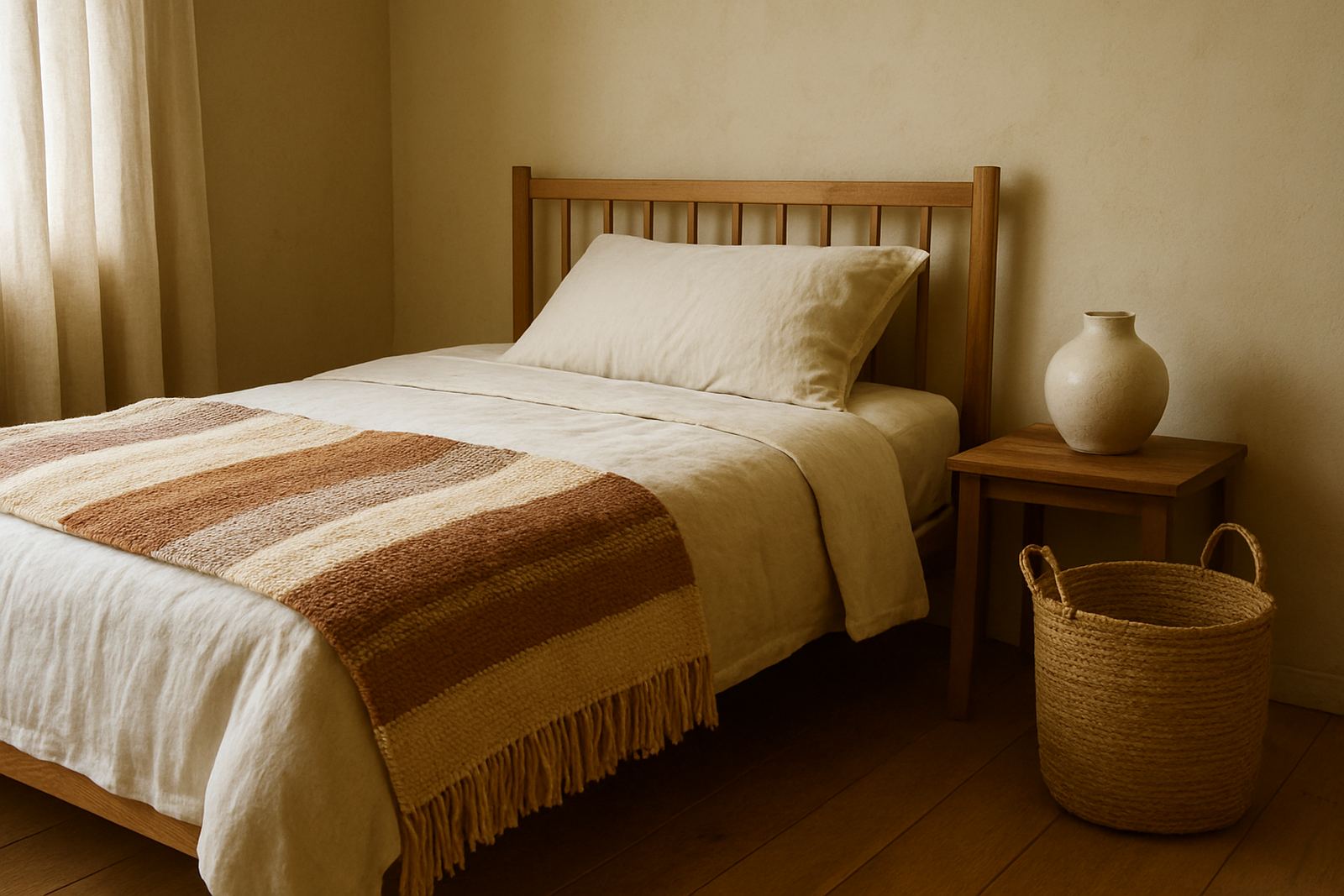
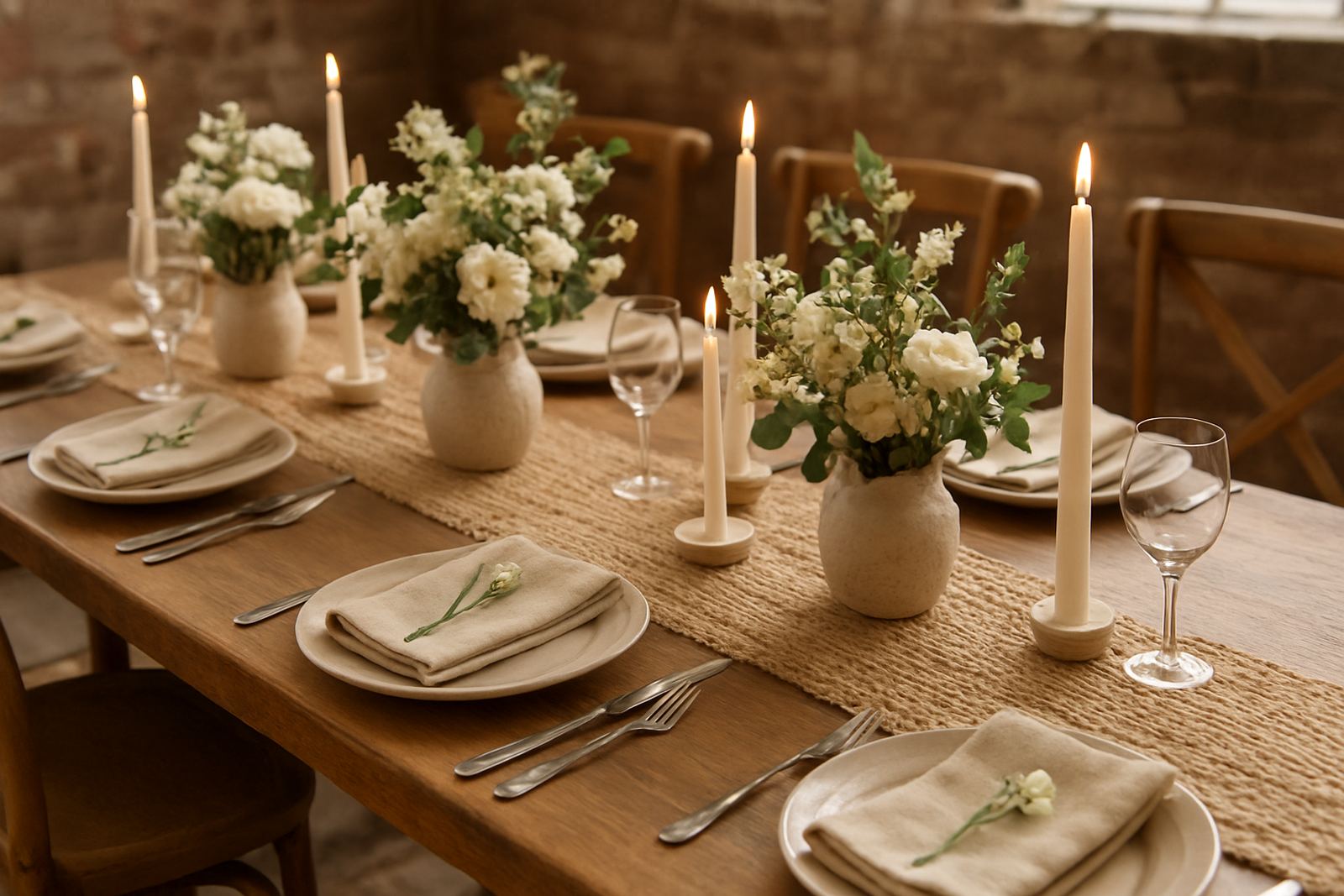
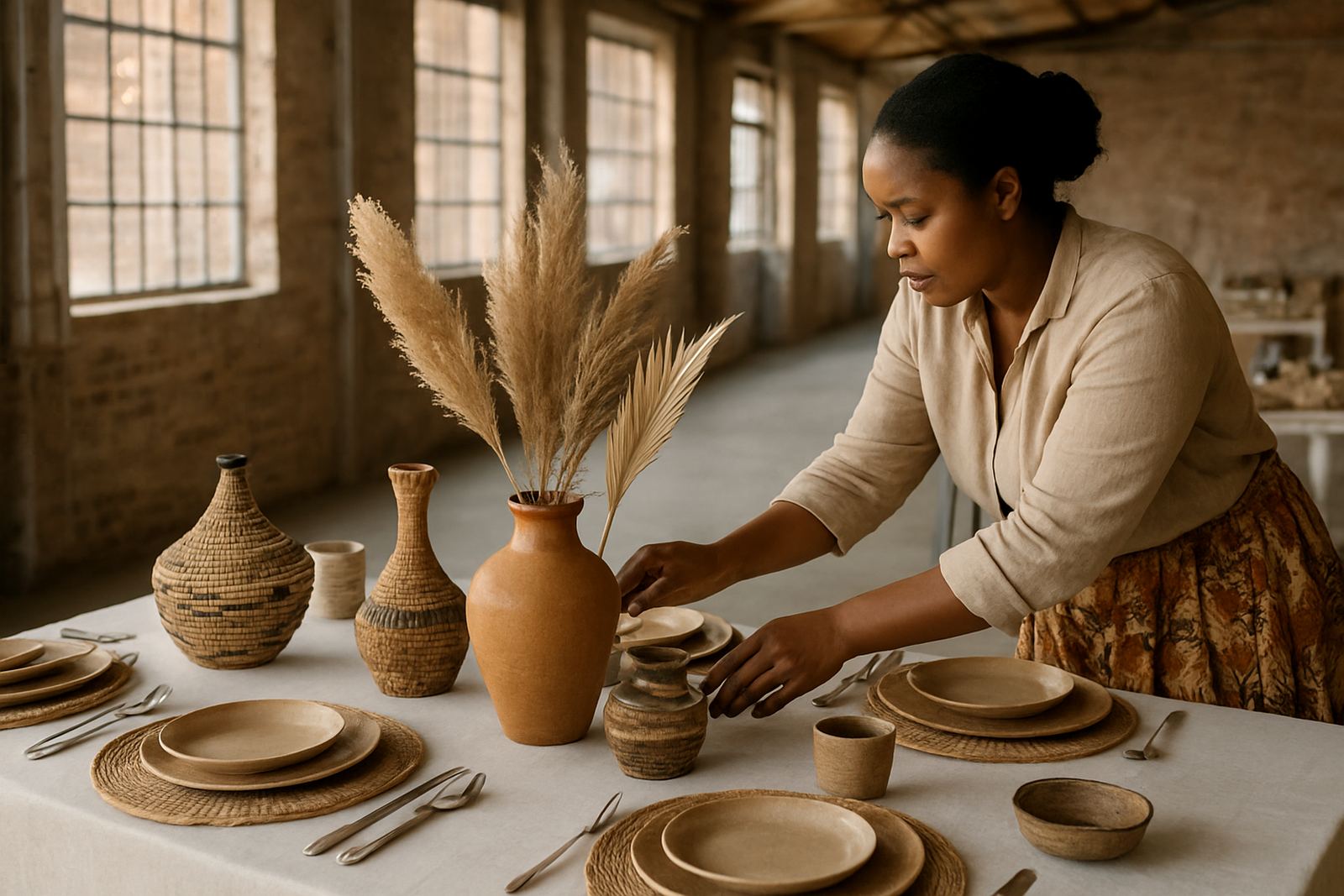
Textiles can include table runners, cushion covers, throws or wraps if your customer base likes home and gifting crossover. Ceramics work well as mugs, bowls, serving pieces and small decorative forms. Artisan goods such as trays, baskets, journals or small decor pieces are useful for till-point add-ons and lower-price entry items. Many stores also ask for sample loans before committing to a larger placement, especially when they are building a seasonal edit or a new corner.
- Starter range: 12 to 30 SKUs across 3 categories
- Price ladder: entry items, mid-ticket pieces and a few statement products
- Seasonal refresh: every 6 to 12 weeks if the store is busy
- Display rule: one hero product type per fixture, not too many mixed stories
How to plan the shelf so the story sells
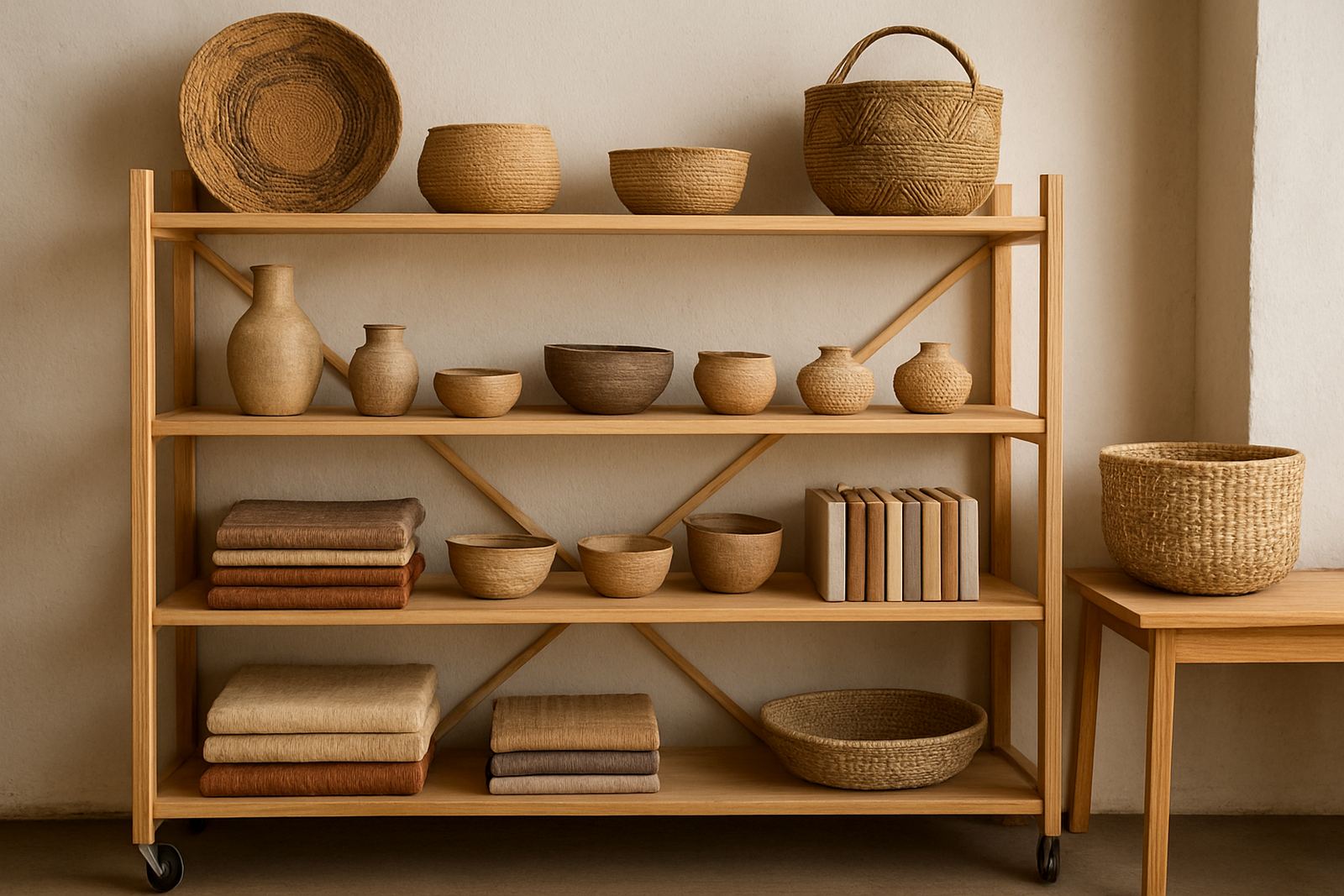
Concept stores are usually short on space and heavy on visual pressure, so layout matters as much as the product. Keep taller ceramics or display pieces toward the back, place textured textiles where customers can touch them, and use small groupings instead of single units scattered everywhere. If your store has bright front windows, protect textiles from direct sun and consider rotating pieces so colours do not fade unevenly.
In Johannesburg and along the coast, stock care is not the same. Coastal humidity in Durban, Cape Town and Gqeberha can affect paper tags, fabric storage and unglazed ceramics, so sealed packaging and dry backroom shelving are worth the effort. In winter load-shedding also means stores need practical handling plans, from barcode work to stock counts that do not depend on one device staying charged all day.
- Use risers, shallow trays and baskets to vary height
- Leave enough space for staff to restock without rebuilding the whole display
- Keep fragile ceramics away from high-traffic pinch points
- Group by colour family or use, not by random shape
Common mistakes when buying for concept retail
One common mistake is ordering too much too early. A concept store can carry small quantities well, but only if the assortment turns over. Another problem is buying items that are visually attractive but hard to explain at the point of sale. If staff cannot explain where something comes from, who made it and why it costs what it does, the item often sits for too long.
Another issue is ignoring replenishment and shipping realities. Handcrafted goods are not the same as bulk retail cartons, so buyers need to allow for lead times, export packing where relevant, and courier coordination for intercity or international movement. Stores that skip a clear buying plan often end up with gaps in stock, uneven pricing or awkward display sizes that dont fit the shelving they already have.
- Overbuying one style before testing sell-through
- Mixing too many unrelated makers on one shelf
- Ignoring breakage risk for ceramics in busy stores
- Forgetting to budget for courier, gift packing and restock planning
Budget ranges that make sense in Rand
For a concept store, a sensible first placement can start at around R8,000 to R25,000 for a focused trial mix, depending on the number of lines and how much seasonal stock is included. A more established retailer wanting a fuller story across textiles and ceramics may plan R35,000 to R90,000 or more, especially if the range is going into multiple branches or a larger floor area.
It helps to budget separately for stock, display support and logistics. Gift packing, provenance cards and export packing add value, but they also add cost. If you are ordering for stores in Midrand, Soweto, Pretoria or across provinces, courier planning should be part of the buying sheet from day one, not an afterthought when stock is already ready to ship.
For many buyers, the best approach is a phased order: start with a tighter edit, review sales after 4 to 8 weeks, then add the strongest lines and cut the slow movers. That keeps cashflow steadier and gives the shelf a chance to prove what customers actually want.
What Creation Africa Foundry helps with on concept store orders
Creation Africa Foundry works with retailers who want small-batch goods that feel distinct and still arrive in a practical retail format. The team can help with artisan sourcing, custom curation, seasonal editing, bulk order planning, retail wholesale and courier coordination, which is useful when a store needs one buying point for several product types at once.
For concept stores, the most useful part is usually the editing. Buyers do not always need a huge range, they need the right few pieces with enough variety to build a shelf that looks intentional. With the right mix of textiles, ceramics and artisan goods, a store can create a local story that feels current without looking crowded.