
What Event Stylists Usually Need From Us
Event stylists come to us when the brief needs more than standard hire stock. A launch may need table layers, plinth accents and wall moments that feel rooted in African craft, while a dinner might call for tactile tableware, runners, vessels and smaller pieces that read well in photographs. For brand activations and gallery openings, the products need to hold attention without taking over the room.
We work with stylists who need consistent supply, clear counts and items that can travel well. That includes handmade textiles for table dressing and soft furnishing, ceramic objects for centrepieces, woven pieces for display and artisan goods that can be grouped by tone or origin. In Maboneng and other busy event zones, timing matters, so the order needs to be ready for loading, sorting and collection without last minute confusion.
- Handwoven runners, throws and table layers
- Ceramic bowls, vessels, platters and candle holders
- Small artisan decor for styling shelves, plinths and welcome areas
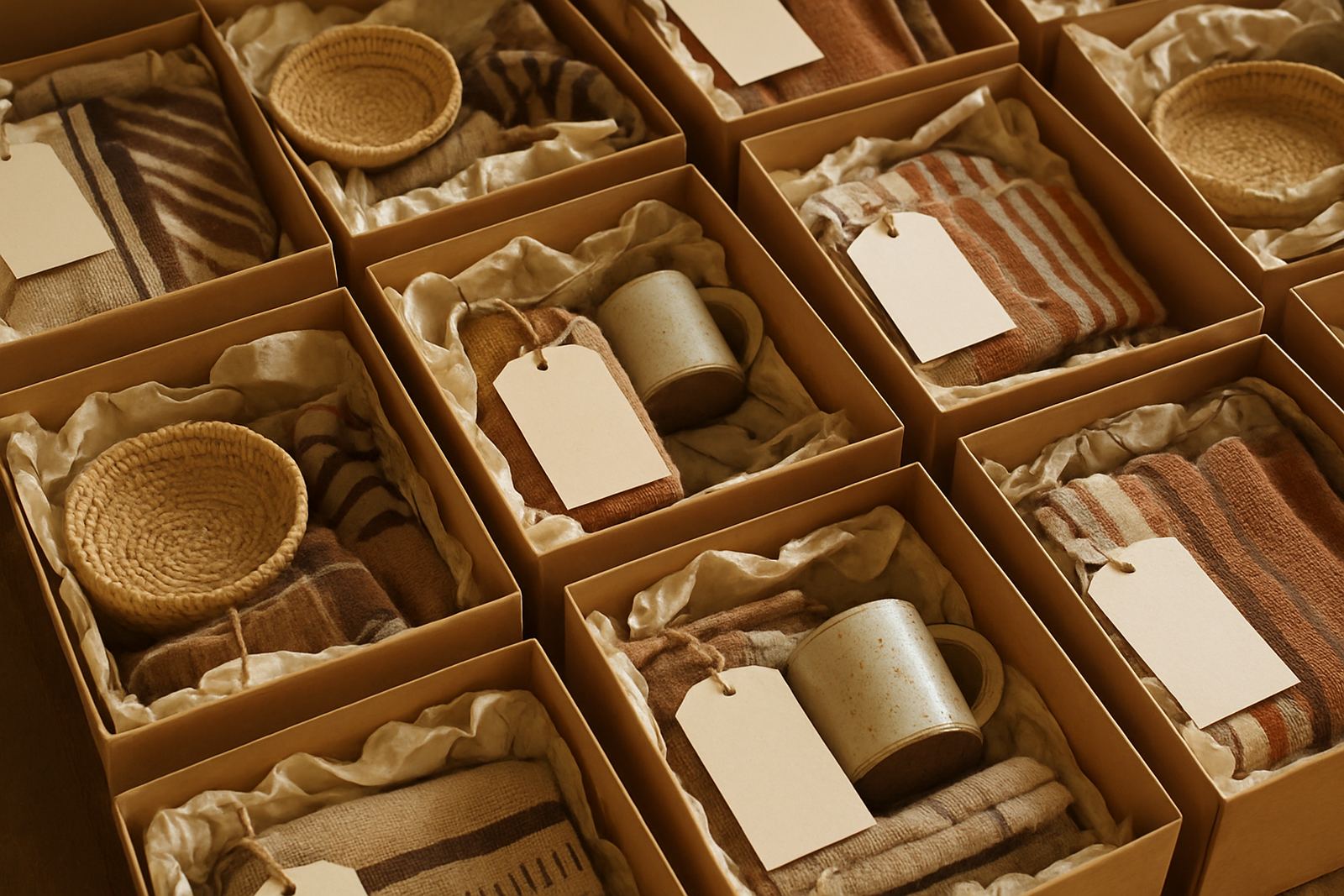
- Gift pieces for speakers, VIP tables or guest takeaways
- Provenance cards for pieces that need maker information on site
Typical Pieces For Launches, Dinners And Installations
The most useful sets are the ones that can do more than one job. A ceramic bowl can hold fruit at a breakfast event, then become a floral base for a dinner. Textiles can work as table runners, backdrops or wrapped accents on display units. When colour is selected well, a small range can cover a lot of ground across multiple areas in one venue.
For indoor spaces in Sandton, Rosebank or Pretoria, stylists often want cleaner finishes and tighter colour control. For outdoor courtyards in Cape Town or Durban, we see more demand for heavier textile choices and pieces that can cope with wind, coastal humidity and quick setup times. If the installation is going to move between venues, simple packing and repeatable counts become very important.
- Soft neutrals for corporate launches and press events
- Earth tones for dinner tables, tasting menus and private functions
- Brighter accents for cultural programmes, creative launches and festivals
- Mixed textures for hospitality foyers, stages and entrance statements
- Smaller quantities for editorial shoots or sample layouts before final approval
We often recommend selecting a base palette first, then adding 2 or 3 accent colours. That keeps the overall look controlled, especially when floral work, printed collateral and lighting are all competing for attention.
Layout And Planning Tips That Save Time On Site
Good styling starts with measurements. Before placing an order, note the table sizes, aisle widths, ceiling heights and any load-in limits from the venue. In Johannesburg, some buildings have tighter lift access and strict delivery windows, so it helps to work backwards from bump-in time. If the event is in a municipal or heritage-controlled space, confirm what can be fixed to walls or floors before committing to a display plan.
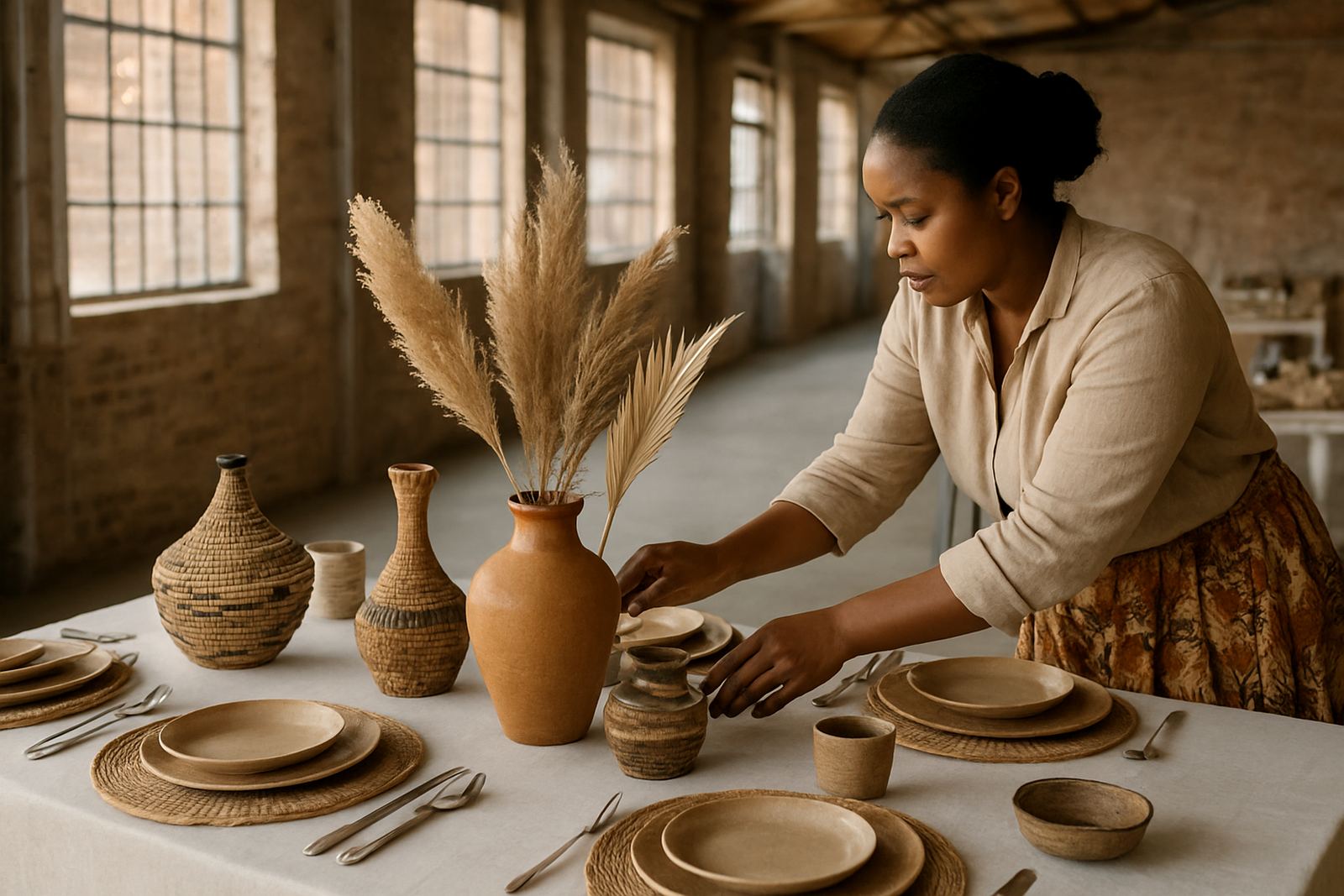
For dinners, allow enough of the table to remain clear for food service, glassware and movement. Overcrowding the table is a common mistake, especially when the pieces are beautiful and there is pressure to use everything. At launches, keep sightlines open so guests can still see branding, speakers and product reveals. If you are styling a long room, repetition works better than trying to use too many different objects.
- Measure first, then choose pieces that fit the real surface area
- Allow for transport, unpacking and repacking time at the venue
- Check whether pieces will be used once or moved between several spaces
- Plan backup quantities for breakage, stain risk or late additions
- Use provenance cards where the story behind the maker adds value
Load-shedding can affect setup times if the venue depends on temporary lighting or power for prep. When that is likely, we suggest keeping the styling layout simple enough to complete before the electricity shifts. In practice, this means fewer fragile touch points, less rework and a cleaner handover to the event team.
Common Mistakes We Help Stylist Teams Avoid
One of the biggest errors is buying for inspiration rather than for the actual brief. A piece can look strong in isolation but feel out of place once the flowers, glassware and furniture arrive. Another common mistake is ordering too close to the event date. Handmade items need enough lead time for picking, checking, packing and courier coordination, especially if the delivery is going to Cape Town, Durban, Gqeberha or offshore.
Stylists also sometimes forget that handmade pieces vary slightly. That is part of their appeal, but it means the team should allow for minor differences in pattern, glaze or weave. If a client needs perfect matching, say so early and work with a narrower selection. For larger events, it helps to split the order into hero pieces and support pieces, instead of expecting every item to carry the same visual weight.
- Do not over-order small decor that becomes clutter once the room is dressed
- Do not rely on fragile items for high-traffic areas or outdoor installations
- Do not skip the transport plan for ceramics and mixed-material pieces
- Do not assume one colour works under every lighting temperature
- Do not forget customs timing and export packing for international jobs
Where events have guest gifting, ensure the packing format is suitable for quick distribution and not just storage. A neat gift pack can save the front-of-house team a lot of stress, especially when guests arrive early and the room is still being finalised.
Budget Ranges For Styling Projects In Rand
Budgets vary a lot depending on scale, finish and whether the pieces are for one event or for a series. For smaller editorial tables or intimate dinners, stylists often work from about R3 500 to R9 000 for selected textiles and ceramics. Mid-sized launch styling usually sits between R10 000 and R35 000 when multiple areas need dressing and some items must be repeated across the venue.
For larger brand activations, hospitality programmes or multi-day conferences, budgets can move from R40 000 to R120 000 or more, especially when there are gifting components, export packing, sample loans and courier coordination involved. If the job includes a mix of local delivery, collection consultations and event break-down support, it is best to price those services separately so the team can see where the spend goes.
A practical way to manage cost is to divide the brief into three parts: core pieces, support pieces and one statement element. That keeps the design focused while giving room to adjust if the venue changes or the client wants a second option late in the process. For many event stylists, that structure also makes approvals easier because the spend can be explained clearly to the client or production house.
How We Support Stylist Teams From Brief To Delivery
We support event professionals who need reliable sourcing and careful handling, not just a pretty selection. The process usually starts with a short brief covering occasion, guest count, venue type, colour direction and timing. From there, we help with custom curation, seasonal editing and bulk order planning, then arrange packing so the goods are ready for transport or collection.
Our team in Maboneng works with stylists serving Johannesburg, Pretoria, Midrand, Soweto, Sandton and further afield. We also handle orders for Cape Town, Durban and Gqeberha, plus international courier where the schedule allows. If the project needs hospitality styling, sample loans or provenance cards for client presentations, those details can be folded into the same plan so the team is not managing five suppliers for one event.
- Artisan sourcing for specific colourways or product categories
- Gift packing and export packing for guest items or overseas shipments
- Collection consultations for teams who prefer to pick up locally
- Courier coordination for timed deliveries and event day drop-offs
- Retail wholesale options for recurring styling work
For event stylists, the value is in having pieces that feel considered and arrive in usable condition. That means less scrambling on the day, fewer replacements and a room that looks planned from the first guest to the last photograph.