
When a company wants gifts that feel personal, not generic
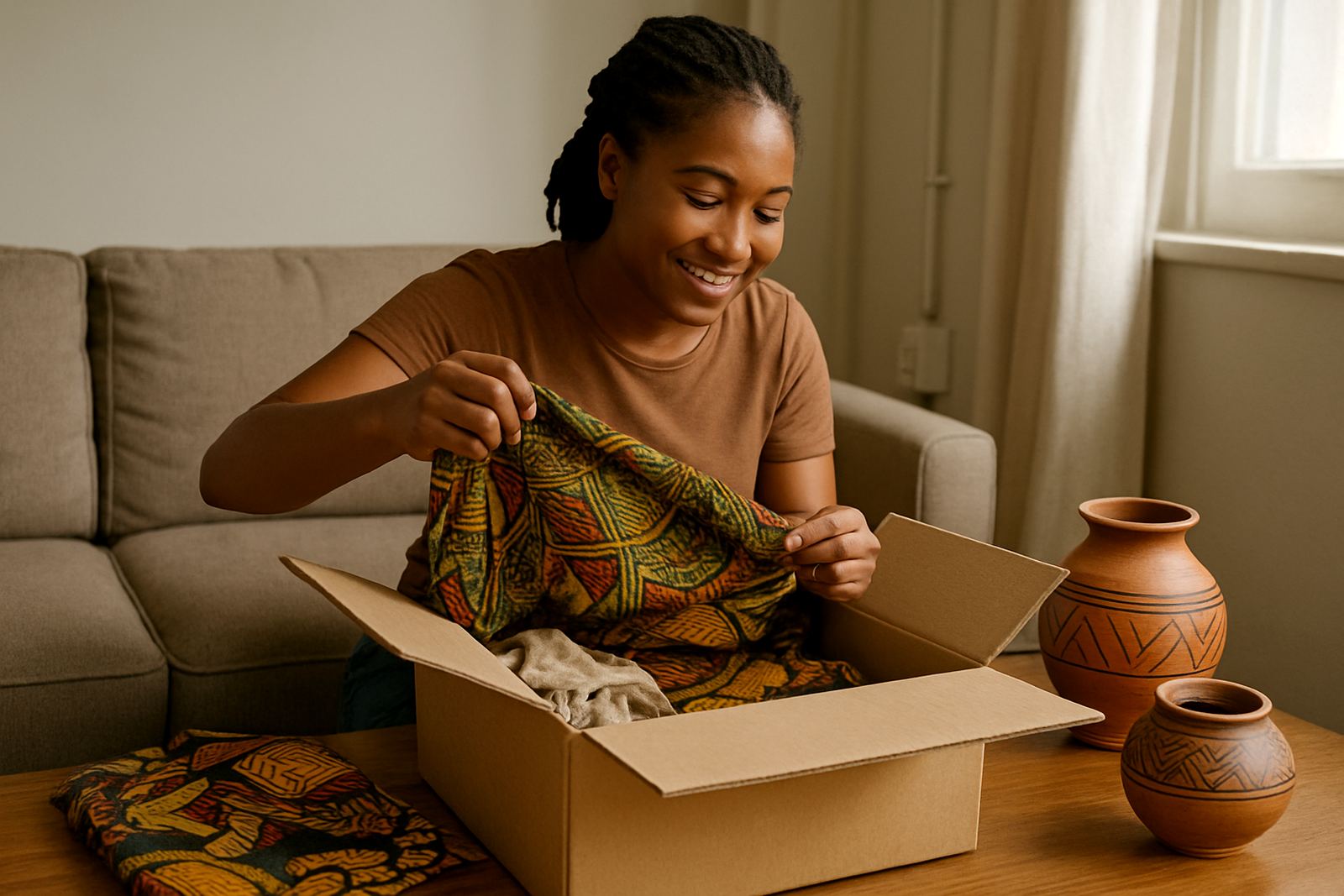
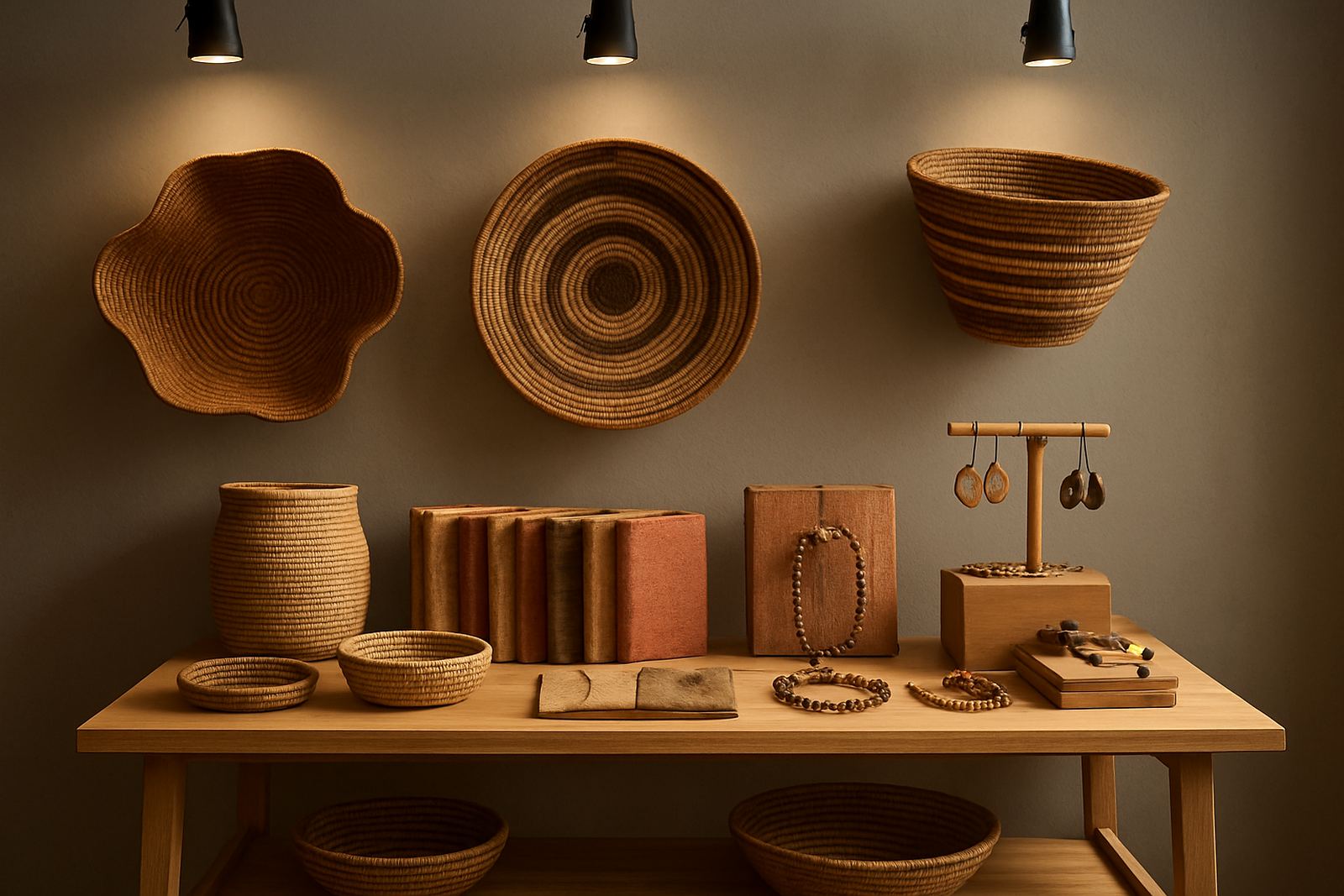
Corporate gifting usually starts with a simple need: thank clients, welcome speakers, reward staff, or mark a launch without sending the same generic item everyone else uses. Our role is to help you choose pieces that feel personal while still working at scale. Because we curate from makers across the continent, the gifts carry texture, craft and provenance, which makes them feel more thoughtful from the first unpacking.
For companies in Maboneng, Sandton, Pretoria, Cape Town, Durban, Gqeberha and Midrand, the process is often more practical than people expect. We help match the brief to the budget, the recipient profile and the delivery timeline. If the order is going to multiple addresses or across borders, we plan for packaging, courier movement and any export paperwork upfront so the handover is not stressful later.
- Client thank-you gifts for year-end and project completion
- Internal recognition packs for teams, promotions and milestones
- Event gifts for conferences, product launches and speaker welcome packs
- Hospitality gifting for hotels, lodges and guest houses
Typical gift set combinations that work well
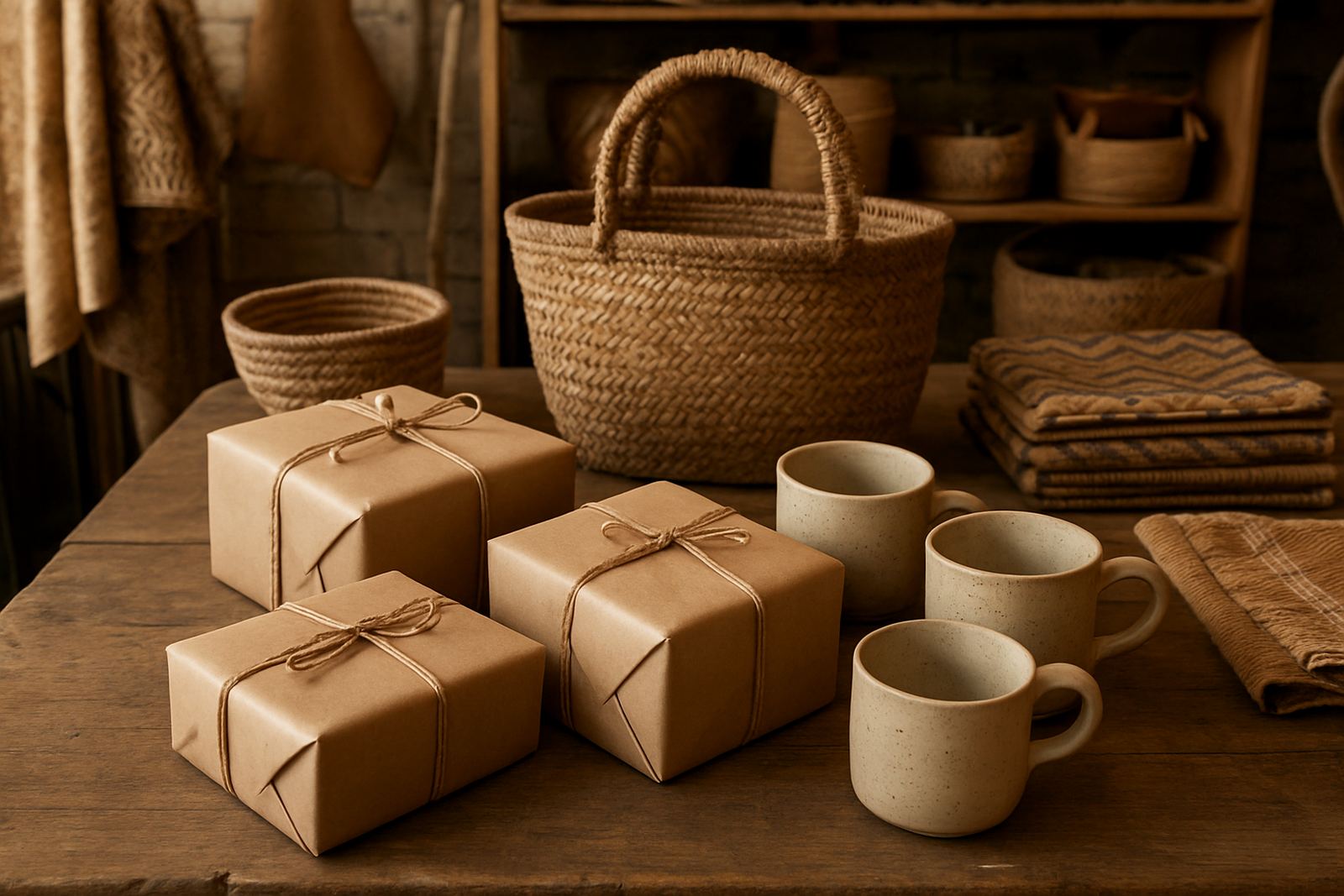
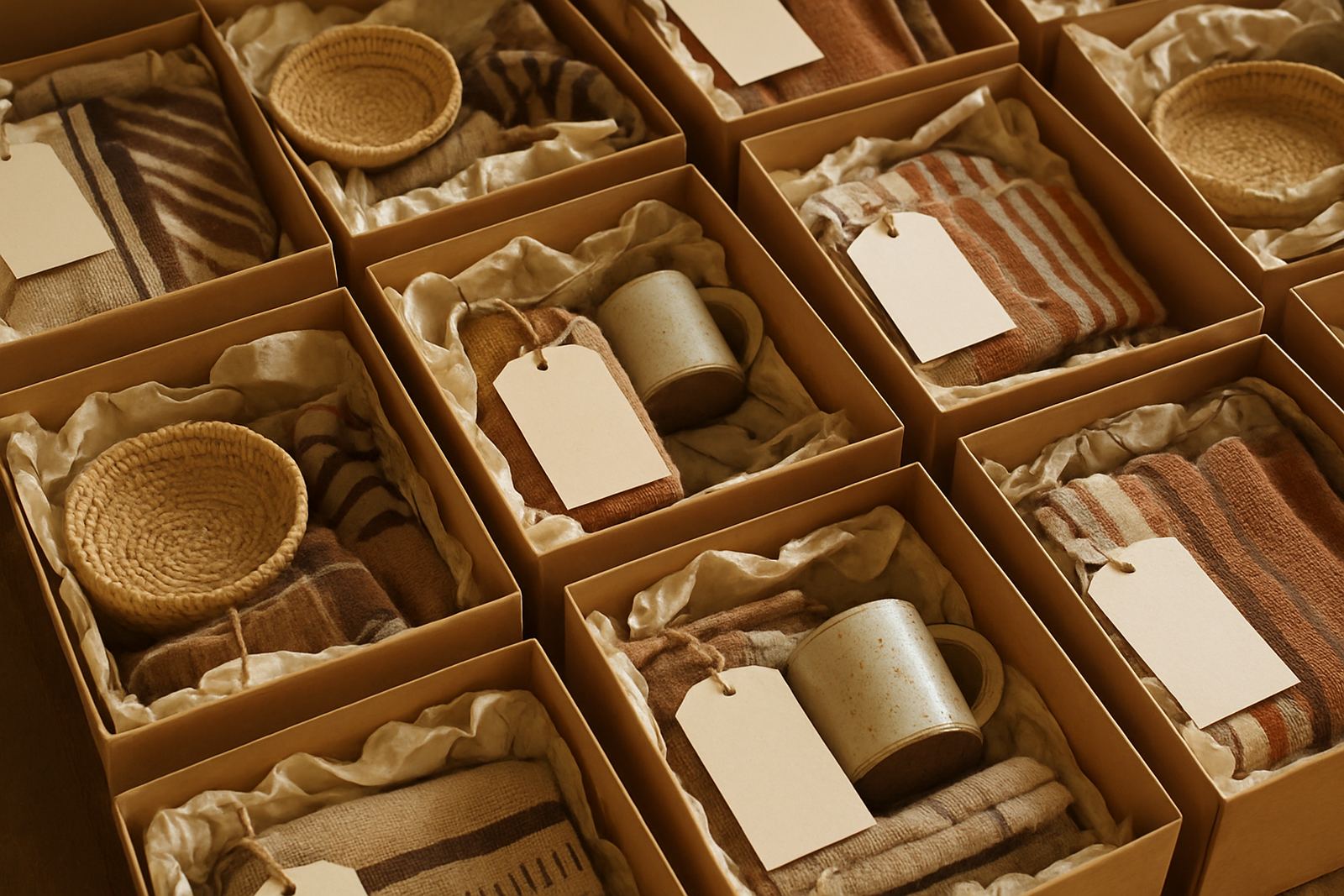
A good corporate gift set should feel complete without becoming bulky or expensive to ship. Most clients ask for a mix of one hero item and two or three supporting pieces. That can be a handwoven textile with a ceramic bowl and a small artisan accessory, or a set of printed cloth goods with a food-safe ceramic piece and provenance card. The key is balance: useful, attractive and not too fragile for courier movement.
For local distribution inside South Africa, we often build sets that are easy to handle in office reception, event registration counters or warehouse dispatch points. For export orders, we keep weight and breakage in mind. Ceramics need extra internal protection, textiles need clean folding and moisture control, especially for coastal humidity in Durban or Cape Town, and all items should be packed to survive repeated handling.
- Textile-led sets: table runners, napkins, throws, pouches
- Ceramic-led sets: bowls, mugs, serving pieces, small planters
- Mixed sets: one textile item, one ceramic item, one small artisan good
- Premium presentation: ribbon wrap, gift note, provenance cards, outer carton
How we plan quantities, categories and delivery addresses
The biggest mistake in corporate gifting is leaving the planning too late. A small order for 20 sets can move quickly, but once you reach 50, 100 or more, the details matter. We look at who the gifts are for, where they are going, whether they must be the same or can vary by tier, and how soon they need to leave Maboneng. From there we map the stock, packaging and courier plan.
Many clients also want split deliveries. That can mean one batch to an office in Sandton and another to recipients in Pretoria, or a local handover in Johannesburg with international courier shipments going out separately. We can assist with collection consultations and courier coordination, but the address list must be clean and final before packing starts. A late change in quantities or recipient names can slow the whole schedule.
- Confirm the number of gift sets and any tiered variations
- Decide if items must match exactly or if a curated mix is acceptable
- Provide final delivery details early, including unit numbers and access instructions
- Allow extra time for custom packing, provenance cards and export checks
Budget ranges that make sense for South African businesses
Budget depends on item choice, packing, quantity and delivery route. For straightforward corporate gifting, a practical entry range is usually around R250 to R450 per set for smaller artisan combinations. Mid-range sets often sit between R500 and R950 per set, especially when the presentation needs to feel more polished or when ceramics and textiles are combined. Premium gifting can move from about R1 000 to R2 500 per set, particularly for larger textile pieces, more delicate ceramics or detailed custom curation.
For bulk orders, the unit price normally improves as quantities rise, but only if the brief stays consistent. A set of 30 is handled differently from 300, and packing materials, courier zones and the number of delivery points all affect the final figure. If the budget is tight, it is better to choose fewer items well than to stretch for too many pieces and lose the quality of the presentation. That is where we can help trim options without making the gift feel thin.
We also advise companies to keep a small reserve budget for replacements, especially where the order is time-sensitive or going to multiple provinces. It helps to have 5 percent to 10 percent of stock set aside for breakages, address issues or last minute additions.
Presentation details that make the gift feel finished
The final look matters almost as much as the contents. A neatly packed gift communicates care, while a rushed one can make even a good item feel ordinary. We use gift packing that suits the product, from tissue and padding to outer cartons that hold shape on delivery. Provenance cards are useful too, because they give the recipient a short note on where the piece came from and who made it. That context adds meaning without needing a long explanation.
For hospitality and event use, presentation also needs to be practical. Boxes should stack cleanly, labels need to be easy to read and the pack should open neatly without damaging the contents. If the gifts are going to a venue, reception team or conference floor, we plan for how they will be stored before handover and how much space is available. A beautiful gift can still become awkward if it is too tall, too fragile or too hard to move.
- Use padding for ceramics and rigid boxes for fragile items
- Keep textile folds neat so the first impression is clean
- Add a short note or provenance card for a more personal feel
- Choose packaging that suits shelf space, courier handling and venue storage
Common mistakes to avoid when ordering gifts in bulk
One common mistake is choosing items that look good online but do not travel well. Another is mixing too many colours, sizes or styles, which makes the set feel unplanned. It is also easy to underestimate the time needed for hand packing and courier booking. In busy seasons, especially around year-end, even a simple order can take longer than expected if the final sign-off is late.
Companies also sometimes forget to check whether the gift suits the recipient context. A ceramic item may be ideal for a boardroom thank-you, but too fragile for a mass mail-out unless the packing is right. Textiles are often easier for wide distribution, but they still need accurate sizing, folding and labelling. The best results come from a clear brief, realistic timing and a budget that includes the finishing work, not just the product cost.
If you are ordering for international recipients, factor in customs paperwork, courier lead times and any restrictions on the destination country. It is better to plan a little early than to promise dates you cannot keep.