
Why diaspora buyers look for familiar forms with real maker detail
Many diaspora customers are not shopping for décor alone. They are looking for a mug that feels like home, a woven throw that reminds them of a family sofa, or a serving bowl that carries the same rhythm they remember from visits, stories or family kitchens. The aim is usually simple, but the standard is not. The piece must feel authentic, arrive safely, and still look good after a long courier journey.
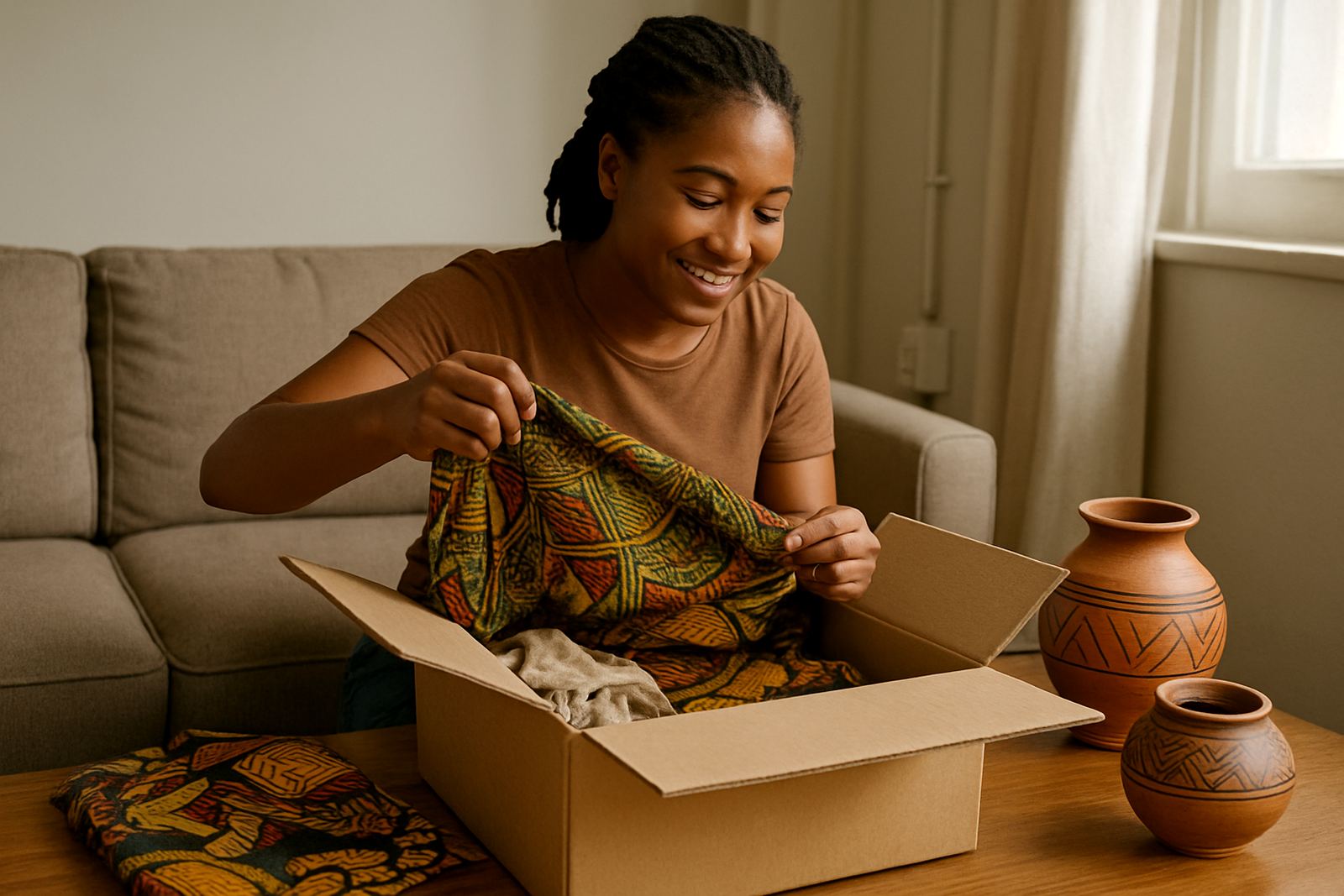
At Creation Africa Foundry, the client situation often starts with a photo or a memory. A shopper may want everyday tableware for a flat in London, a textile for a home in Toronto, or a gift set to send to relatives in Perth. Some buyers are furnishing a new place after moving abroad, while others are buying to keep a link with South Africa and the wider continent. For them, material matters. Clay, weave, dye and finish all carry meaning.
This use case also asks for practical planning. International customers want clear sizes, honest lead times, and packaging that can handle sorting hubs, customs checks, and the odd rough handover. In our Johannesburg base, we plan for that from the start, especially for delicate ceramic sets and textile orders that need neat folding and moisture protection.
Typical pieces and what makes them travel well
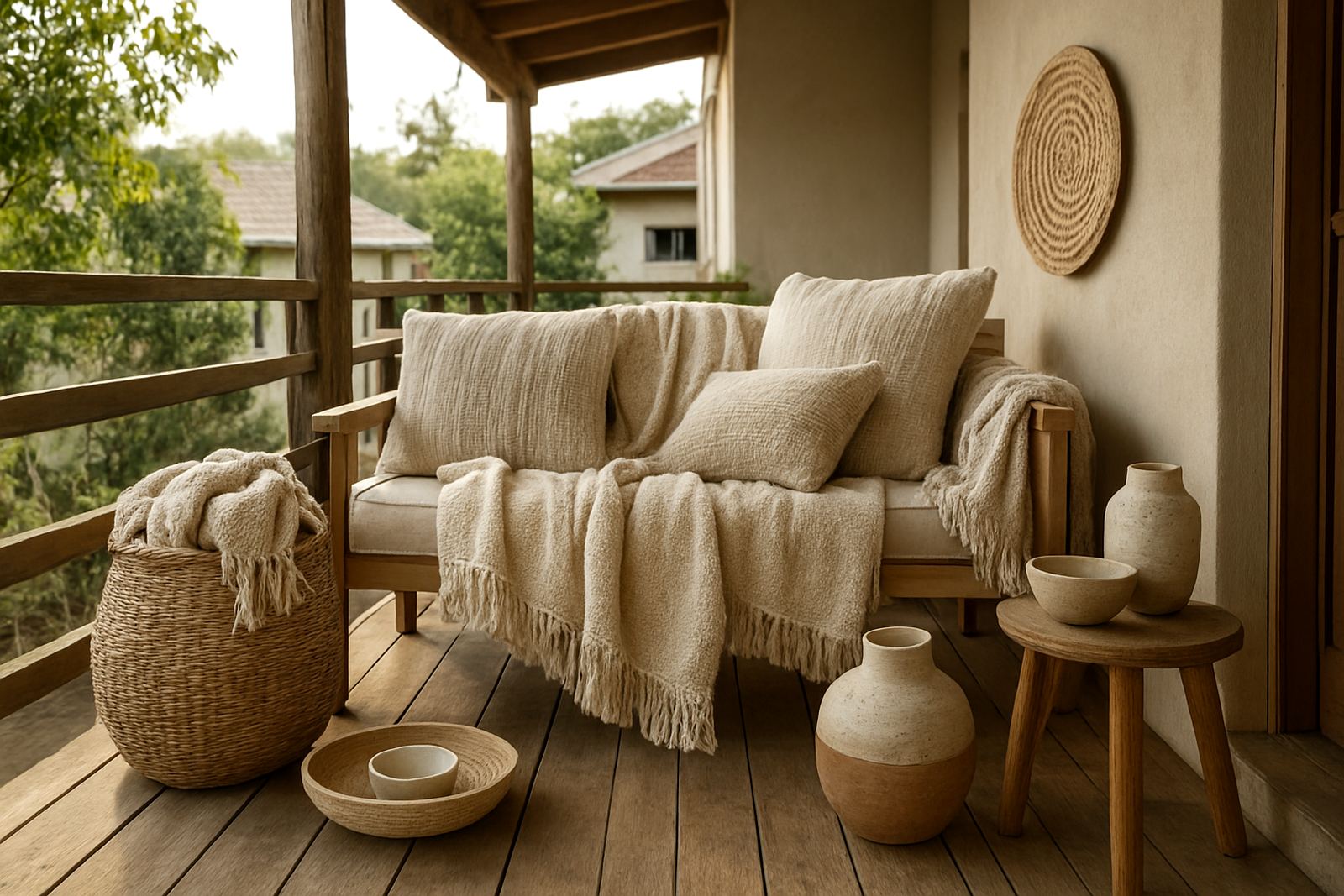
For diaspora shoppers, the most requested items are usually functional and easy to pack. The best-fit ranges are often those that combine everyday use with strong craft identity. Handwoven textiles work well because they fold down neatly and can move from sofa to bed or wall to table. Ceramics are popular too, but they need more space, padding and breakage planning.
- Textiles such as throws, table runners, cushion covers and shawls
- Ceramics including mugs, small bowls, serving platters and lidded jars
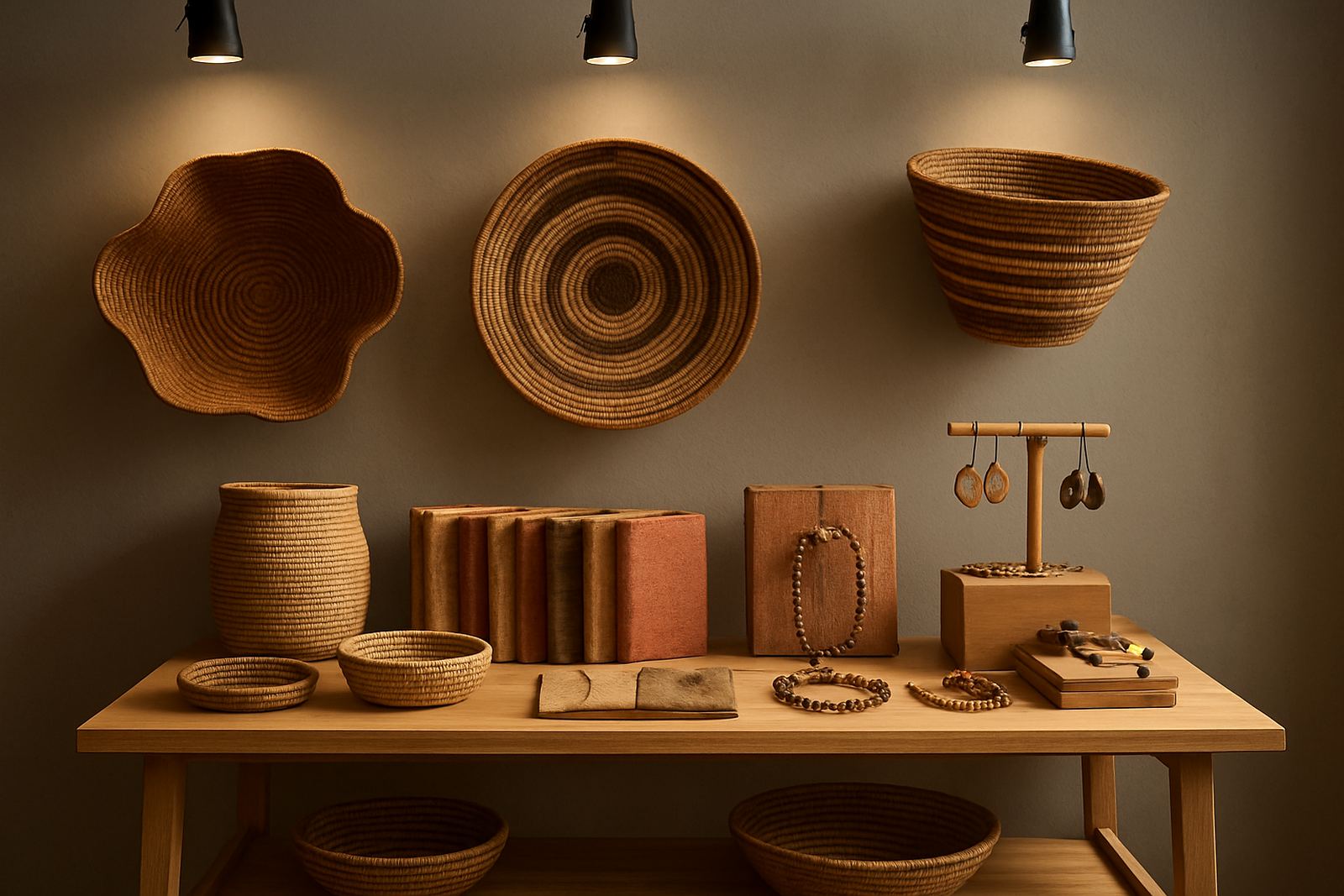
- Artisan goods such as baskets, beaded accents, carved objects and gift sets
- Seasonal pieces for weddings, housewarmings, holidays and family gatherings
We also see strong demand for mixed orders, where one box contains a textile, a pair of bowls and a few small gifts. That kind of order is practical for international shipping because it spreads value across the parcel and allows better use of space. For larger gift plans, we can split items into more than one carton to reduce pressure on fragile pieces. That is often worth it for coastal humidity routes or longer export transit.
How we plan the selection before packing starts
Good planning begins with the destination, the use and the budget. A shopper sending a housewarming gift to Gqeberha has different needs from someone furnishing an apartment in Amsterdam. We look at whether the parcel must be gift ready, whether it needs provenance cards, and whether the items should match a colour palette or stay varied. This is where custom curation matters most.
We also check the practical side of the order. Ceramic weight affects courier cost. Loose weave textiles may need extra wrapping to stay clean in transit. If an item will be used in hospitality styling or for retail wholesale sampling, it may need repeatable pairs or sets rather than one-off pieces. Our team in Maboneng works with makers across Africa and we keep the choices grounded in actual stock, not guesswork.
- Confirm the use case first, gift, home, retail or export sample
- Measure the storage space at the destination if the piece is large
- Choose materials that suit the climate, such as glazed ceramics for humid areas
- Allow space in the budget for packing, courier and duty where applicable
Packing methods that protect handmade goods in transit
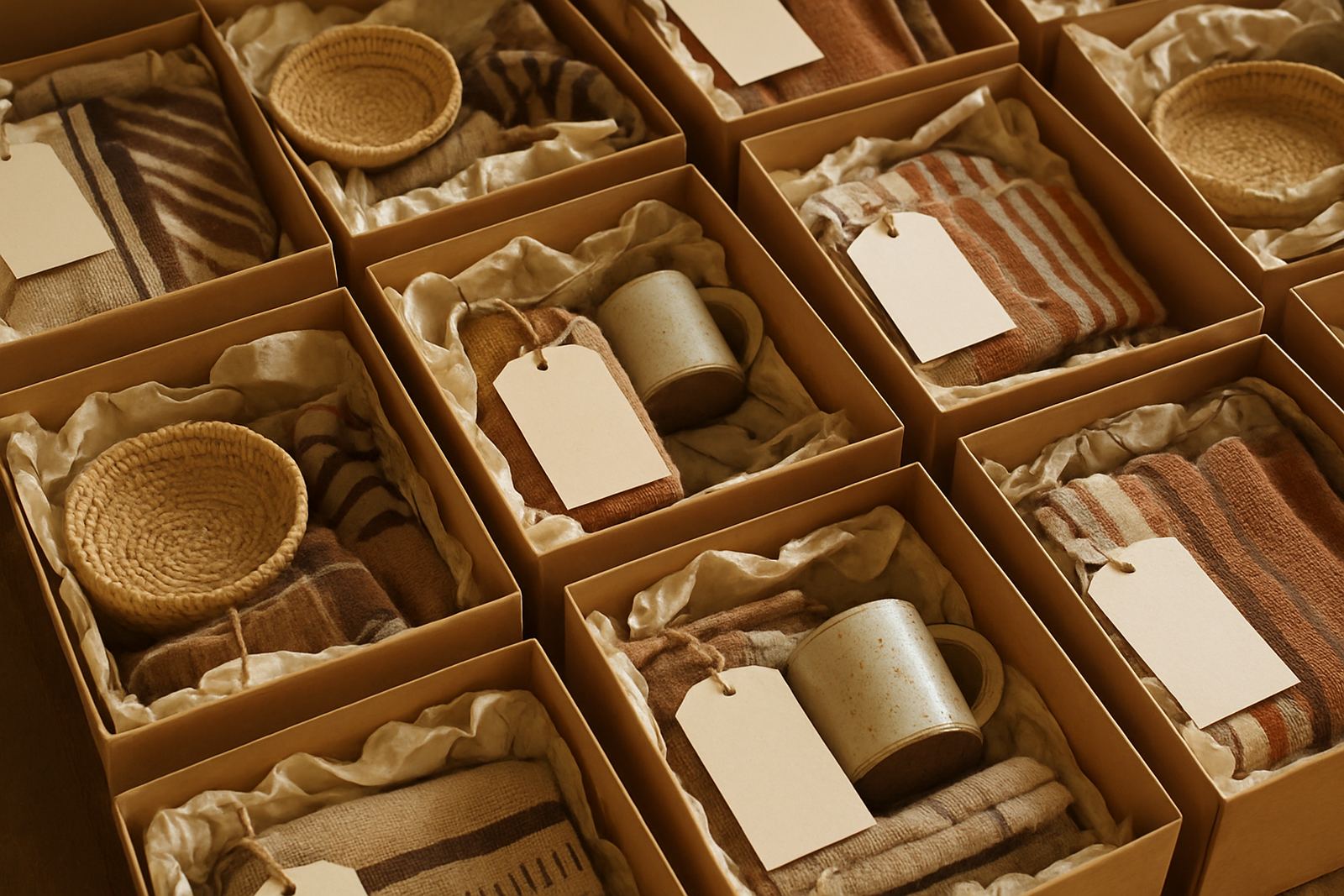
International shipping is where careful packing really earns its keep. Handmade goods are not uniform, so each item needs a different approach. Ceramics need internal padding, rigid outer boxes and separation from other heavy items. Textiles need protection from dust and moisture, plus folding that avoids hard creases. Baskets and mixed artisan goods often need custom void fill so they do not shift during the journey.
For diaspora orders, we usually plan export packing with the final courier route in mind. Parcels may pass through more than one facility, so the outer carton must hold shape. Labels need to stay visible. If the parcel is going to a colder climate or a high humidity port city, we pay attention to moisture barriers and enough breathing room between layers. It is a simple thing but it saves a lot of damage.
We also recommend provenance cards for many diaspora shoppers. They help explain who made the item, where it came from, and how to care for it. That adds value for the recipient and makes gifting easier when the buyer cannot hand over the story in person.
Budget ranges for diaspora shopping and shipping
Budgets vary a lot depending on the parcel size and whether the order is for one home or several gifts. For a small care package with one textile and a few artisan pieces, many clients spend around R1,500 to R3,500 before courier. A medium gift order with ceramics and a larger textile often lands between R4,000 and R8,500. Larger curated export orders, or repeated bulk gifting, can move from R10,000 upward depending on weight and packing needs.
Ceramics increase the total more quickly because of breakage protection and courier weight bands. Textiles are usually the easier starting point for shoppers testing a first international order. If the recipient needs gift packing, seasonal editing or sample loans for approval before a bigger purchase, those services should also be built into the plan early. It is better to set the budget honestly than to trim the packing later and risk damage.
For buyers in South Africa arranging a parcel for relatives abroad, there may be extra courier or customs costs once the parcel leaves our Johannesburg base. We always advise clients to keep a small buffer in hand, especially for address changes or rerouting. A sensible buffer is about 10% to 15% of the goods value.
Common mistakes diaspora shoppers can avoid
The most common mistake is buying only by memory and not by measurement. A beautiful bowl may not fit the shelf or the cupboard at the destination. Another mistake is choosing too many fragile items in one carton and expecting a standard box to do the job. That often leads to chipping, pressure marks or extra courier charges if the parcel has to be repacked.
- Forgetting to check size, weight and stackability before confirming the order
- Choosing unglazed or porous ceramics for very long humid routes without asking about sealing
- Sending mixed gifts without a clear list for the recipient or customs paper work
- Leaving the order too late for holiday periods, when courier cut-off times are tighter
Another frequent problem is underestimating how much the story matters. Diaspora shoppers often want the maker context, not just the object. Provenance cards, clear material notes and a short care guide make the parcel feel complete and help the recipient use the item with confidence. When an order is meant for family, that detail matters just as much as the object itself.