
What safari lodges usually need on arrival day
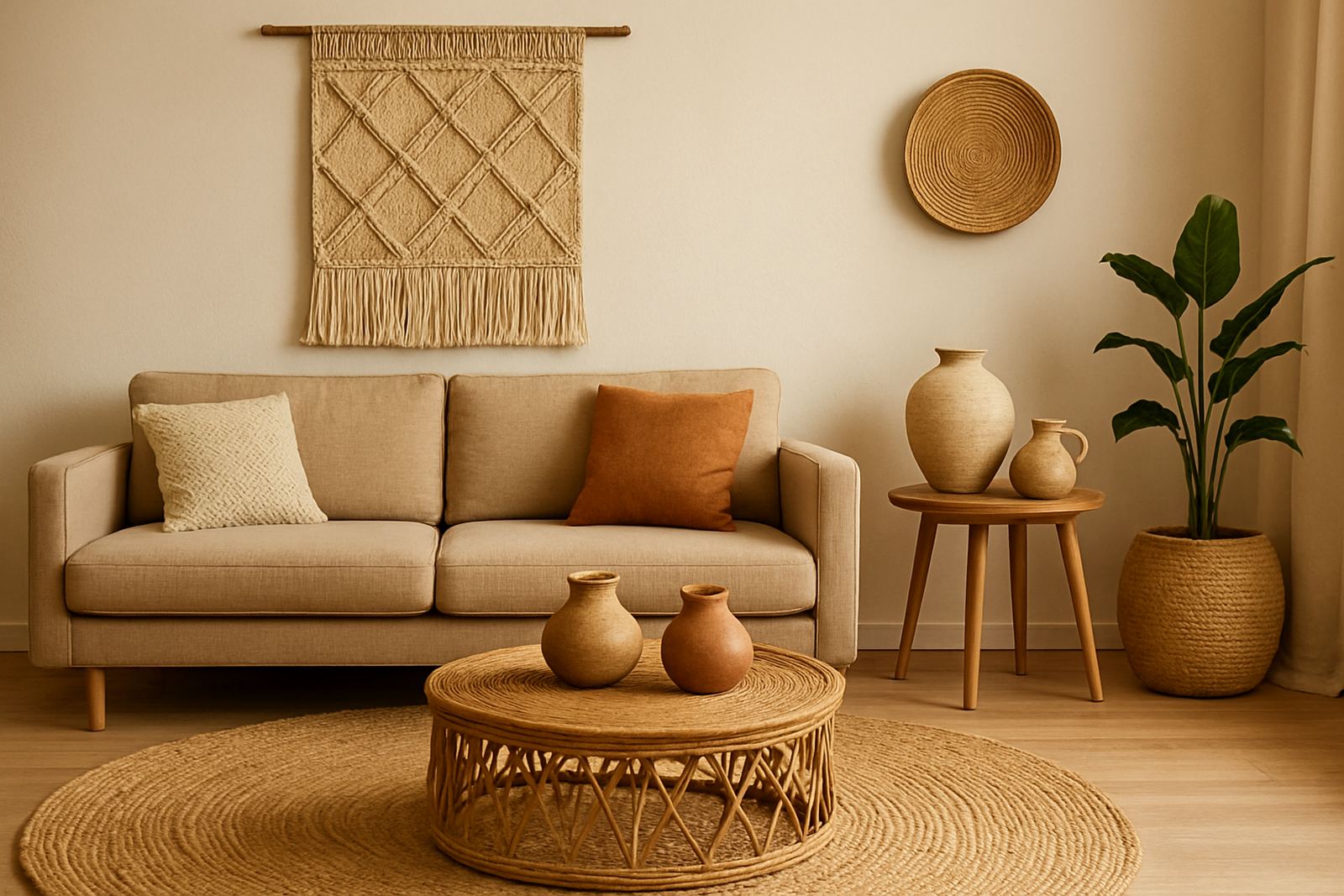
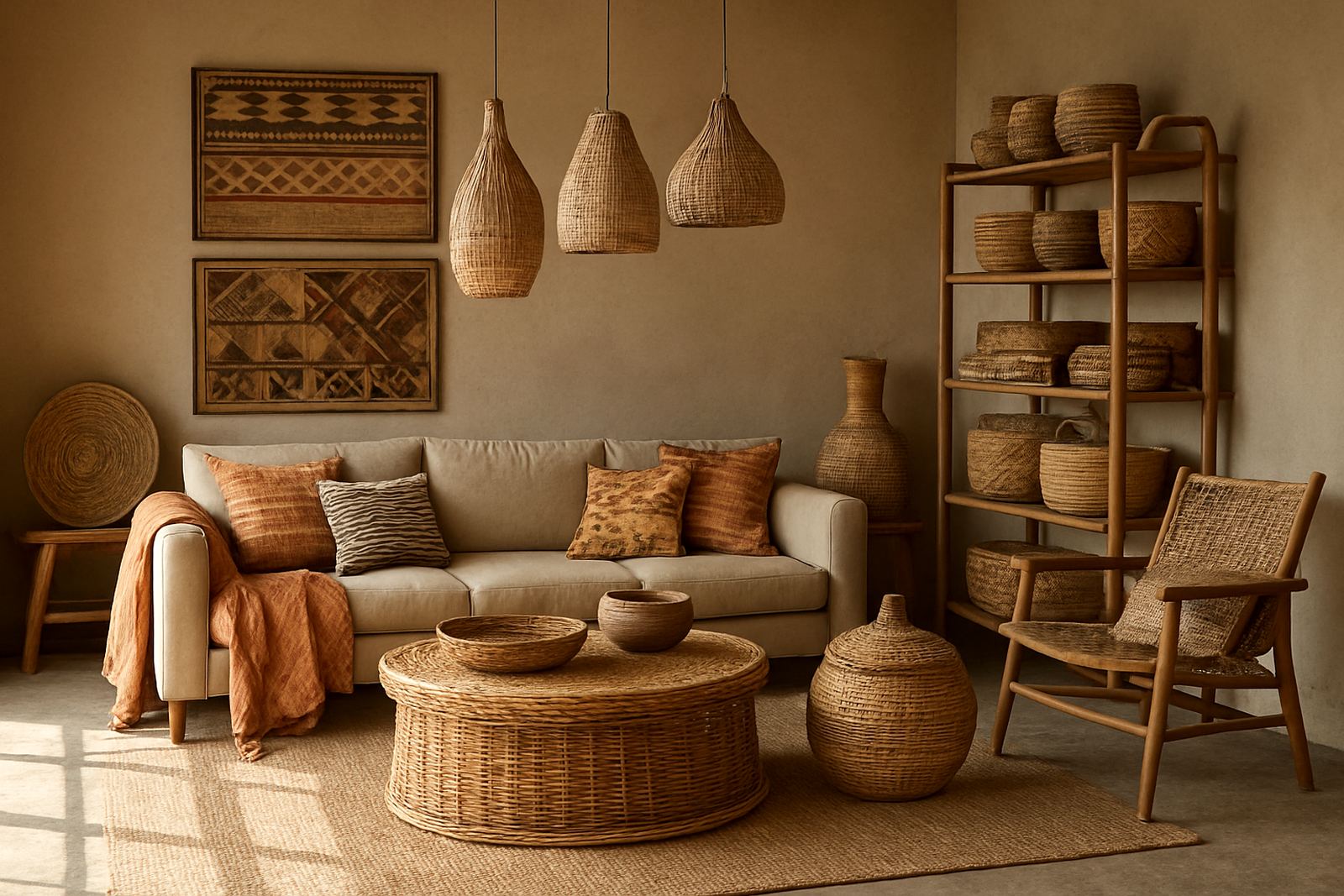
A lodge fit-out is rarely about one statement item. It is usually a mix of soft furnishings, tableware, accent pieces and retail stock that has to work in bedrooms, lounges, bomas and outdoor areas. In our experience, the strongest results come from selecting items that are easy to clean, not too delicate and visually connected to the surrounding bush, stone, timber or thatch palette.
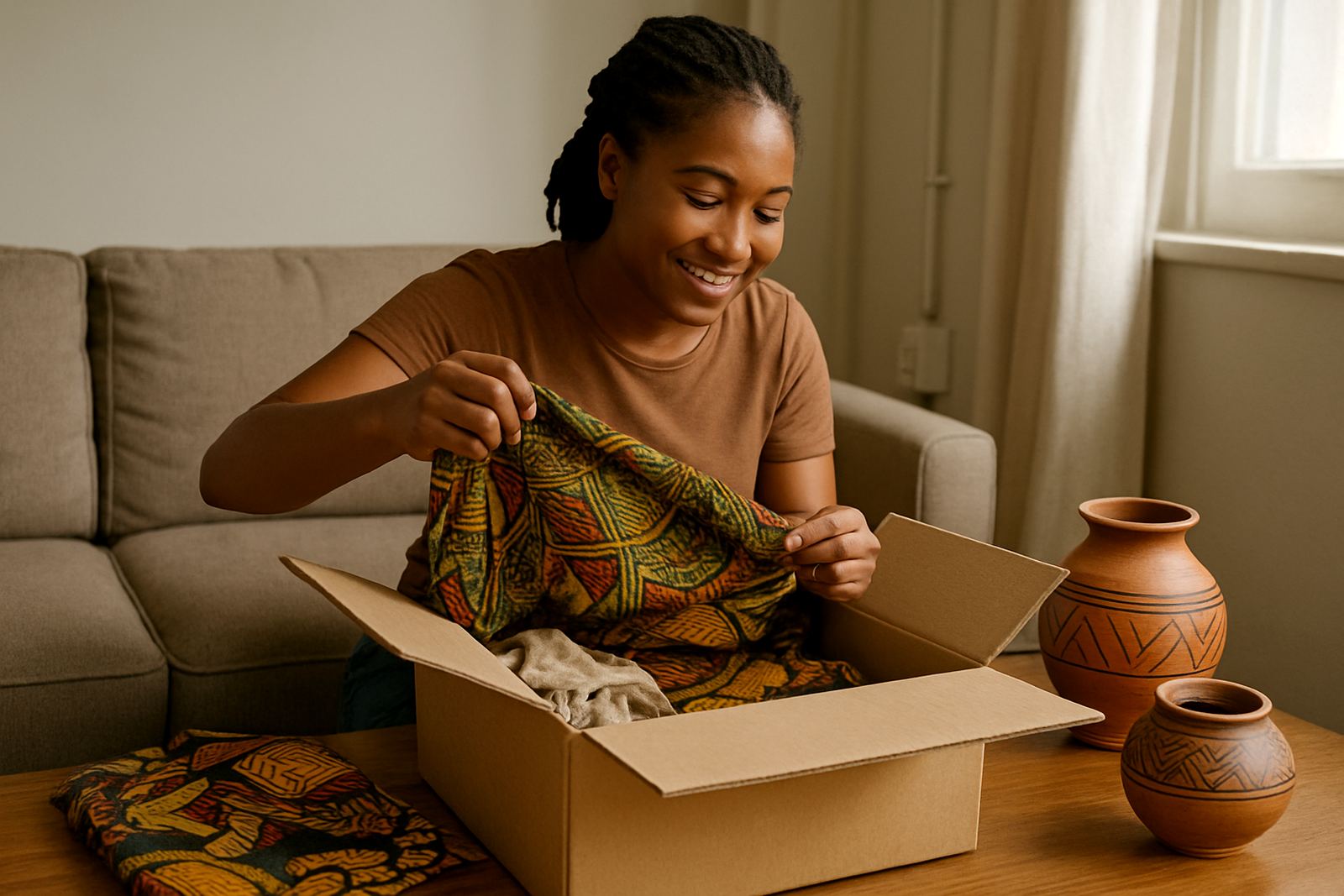
Typical lodge orders include cushion covers, throws, runners, ceramics for dining and guest water stations, small art objects for shelves, woven baskets, tray covers, menu holders and packaged gifts for shop counters. If the property gets high foot traffic or frequent group bookings, we also plan for spare units, because breakages and missing pieces happen. It is better to have one or two extras than to scramble later.
- Guest room textiles in neutral or earth tones
- Dining ceramics for breakfast, lunch and dinner service
- Reception and lounge feature pieces
- Shop items for sale to visiting guests
- Gift packs for honeymooners, VIPs or conference arrivals
Layout advice for rooms, dining decks and shared spaces
Good planning starts with where the item will live, not only what it looks like. A textile that works indoors may fade too fast on an open deck. A glazed ceramic might be fine in a private suite but too fragile for a busy communal table. For coastal lodges, humidity and salt air can affect labels, finishes and packaging, so we factor that in before anything leaves Johannesburg. In hotter inland areas, dust and repeated handling need to be considered as well.
We usually split a lodge into three zones: guest-facing rooms, service or dining areas, and retail or gifting corners. That helps keep the selection practical. For example, a room might need calming woven textures and one sculptural vessel, while the restaurant may need a stronger ceramic range that can handle repeated washing. If there is a lodge shop, the stock should be compact, easy to price and simple to restock. Calm curation works better than trying to cram every colour into one space.
- Use fewer but better coordinated pieces per room
- Choose finishes that can handle cleaning and handling
- Keep spare stock for high-turnover items
- Separate display items from service items
- Allow for courier lead times to remote reserves
Common sourcing mistakes we see at lodges
The most common mistake is buying for the photo instead of the stay. Pretty pieces are useful, but if they mark easily, chip at the edge or need special care, they become a problem after the first busy weekend. Another issue is mixing too many styles at once. A lodge can lose its sense of place when there are too many strong patterns or colours competing with the view outside.
We also see lodges underestimate quantities. A 10-room property may need more than 10 of a given item if housekeeping wants back-up sets, if one wing is closed for maintenance, or if the shop also carries the same range. Another error is skipping provenance information. Guests often ask where a piece came from and who made it, so a simple card adds value and helps sales. It is a small detail but it matters.
Load-shedding can also affect delivery planning, packing checks and receiving schedules. If a lodge only takes deliveries during narrow windows, then stock needs to be booked in advance and clearly marked. Poor labelling causes delays at the gate, and that can push the whole install back by a day or two.
Budget ranges in Rand for lodge projects
Budgets vary a lot depending on room count, finish level and whether the order is for fit-out, replacement or retail stock. A small bush lodge might start with a focused purchase of R18 000 to R45 000 for accent pieces, textiles and a starter shop selection. A mid-sized property often sits in the R60 000 to R180 000 range when bedrooms, dining spaces and guest gifting are all included. Larger lodges or multi-unit refurbishments can move beyond R250 000, especially when there are export pieces, custom curation and repeated sample approvals involved.
Gift packing, provenance cards and export packing are usually priced separately, because the needs differ from normal retail packing. Courier coordination depends on destination, box size and urgency. For remote areas, and especially where access roads are rough, we recommend a buffer for replacement stock. That buffer is often the difference between a smooth season and a lot of last-minute admin.
- Starter selection: R18 000 to R45 000
- Mid-range room and dining refresh: R60 000 to R180 000
- Full lodge rollout or repeat stock plan: R250 000 plus
- Courier and export handling: quoted per consignment
How we manage sourcing, packing and delivery
Our team works from Maboneng, Johannesburg and supports lodge projects across South Africa and abroad. We begin with a simple brief: number of rooms, guest profile, style direction, colour preferences, budget ceiling and the expected delivery date. From there, we shortlist maker-led pieces, check available quantities and confirm whether any items need custom curation or bulk order planning. For lodges, lead times are important because remote deliveries often need more coordination than city addresses.
Once selections are confirmed, we handle collection consultations, export packing where needed and courier coordination to Cape Town, Durban, Pretoria, Gqeberha, Midrand, Soweto and international destinations. If the lodge needs sample loans before a final decision, we can arrange that too. We also make sure that provenance cards travel with the stock, because guests and shop buyers often want a clear story behind what they are buying.
For busy operations, the real value is predictability. A lodge should know what is arriving, how it is packed and what can be reordered later. That is especially useful when the season is full and the team has no time to chase missing cartons or re-check labels by hand.
Who on your team should be involved
Lodge sourcing works best when a few people are involved from the start. The GM usually signs off on budget and guest positioning. The interior or procurement lead checks the look and durability. Housekeeping and food service teams give the practical view on cleaning, breakage and handling. If the property has a shop, include the retail or reservations team as well, because they know what guests ask for most often.
Our own team includes Lindani Mavuso and specialists in marketplace operations, maker partnerships, export and logistics, customer experience, merchandising and digital content. That mix helps us keep the order realistic, not just attractive. We can also support seasonal editing for high summer, winter, holiday peaks or conference periods, and that is often when lodges need the most help. Small changes make a big difference when turnover is high.
In the end, safari lodge buying should feel calm and organised. The best pieces are the ones guests notice without feeling forced. They should sit naturally in the space and still hold up after many arrivals, departures and cleanings.