
Private collector pieces shaped for Africana homes
Collectors usually arrive with a clear eye and a short list: one special piece for a room, a pair of ceramics for a shelf, or a textile that can be framed, hung or used. Some are building a focused collection of contemporary African craft, while others want a single purchase that holds its own next to inherited furniture, art or travel finds. In Maboneng and across Johannesburg we see clients who want meaning first, then scale, colour and finish.
Most requests sit in the middle ground between decorative and collectible. A hand-thrown vessel with a visible firing mark, a woven wall piece with natural dye variation, or a small run of market baskets from a named maker can all fit that brief. The point is not to fill a room quickly but to buy with purpose, and to understand where the object came from, who made it, and how to care for it once it reaches home.
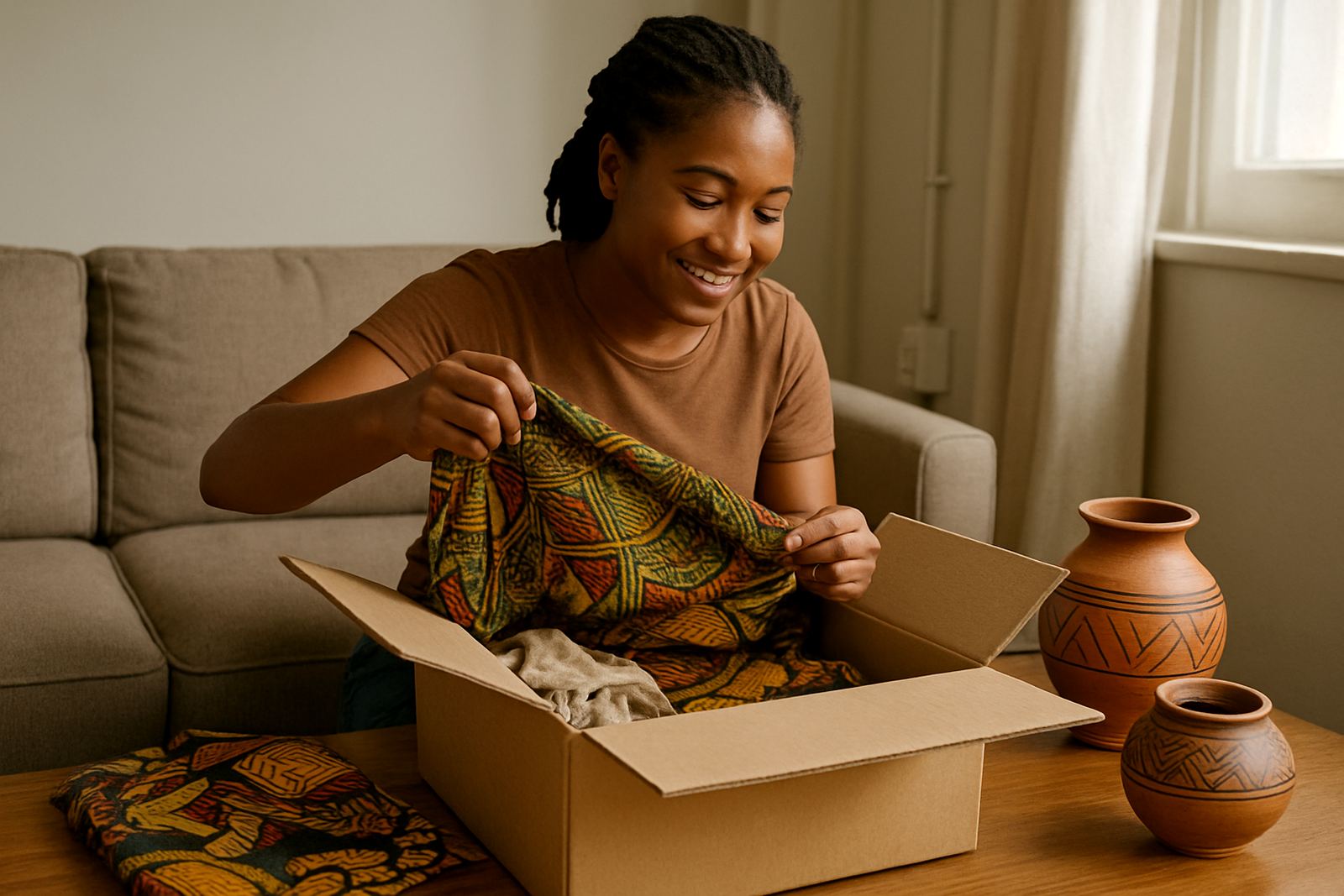
Private collectors also often need discretion. They may want a purchase held aside, packed carefully for a gift, or matched to a room in Cape Town, Durban, Pretoria, Gqeberha or an address abroad. We handle those requests through our enquiry form and build the order around the object, the timing and the delivery route.
Typical pieces and how they sit in a collection
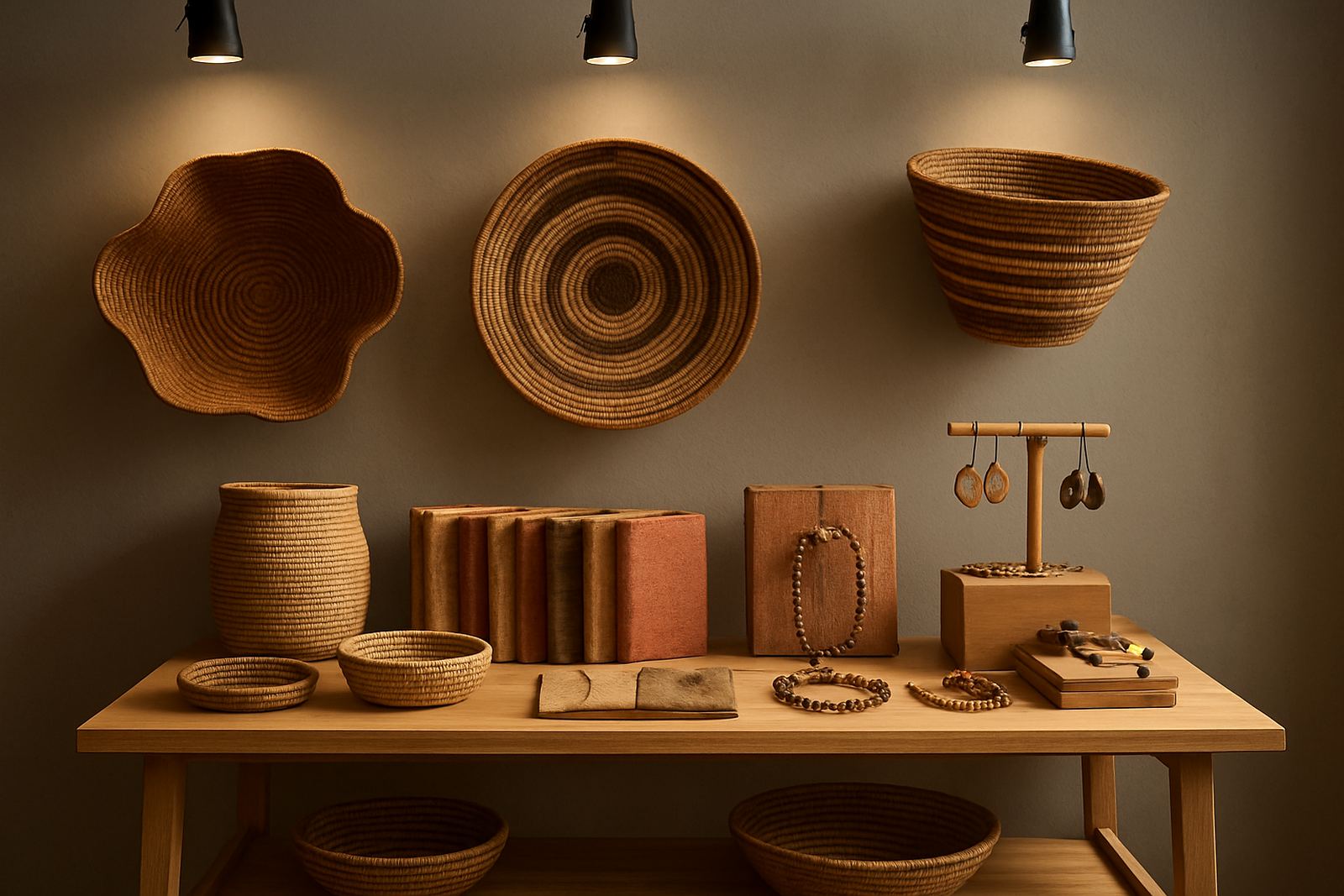
For this use case, the usual mix includes handmade textiles, ceramics and smaller artisan goods with strong material character. A collector may buy one item at a time, or combine a few pieces into a series that can be displayed together. The best results come when the objects share a thread, such as region, technique, colour family or maker profile.
- Woven or stitched textiles for framing, draping or table use
- Ceramic bowls, vessels and sculptural forms in small runs
- Carved, beaded or assembled artisan objects for shelf display
- Giftable pieces with provenance cards for record keeping
- Limited groupings for entry hall tables, consoles and display cabinets
Collectors often ask for pieces that work in homes with mixed light and movement. In coastal areas, humidity can affect unsealed natural fibres, so we flag care needs early. In Johannesburg and Pretoria, dust and strong sunlight are more common concerns, especially for textiles or glazed surfaces placed near windows. A good collection starts with realistic placement, not just a good first impression.
How we help you choose with enough context
Our curation work starts with the size of the room, the finish you want, and the kind of collecting you prefer. Some clients want a strict palette and only buy within it. Others enjoy contrast and want one strong object to set the tone. We help narrow the field so you are not buying simply because something is available.
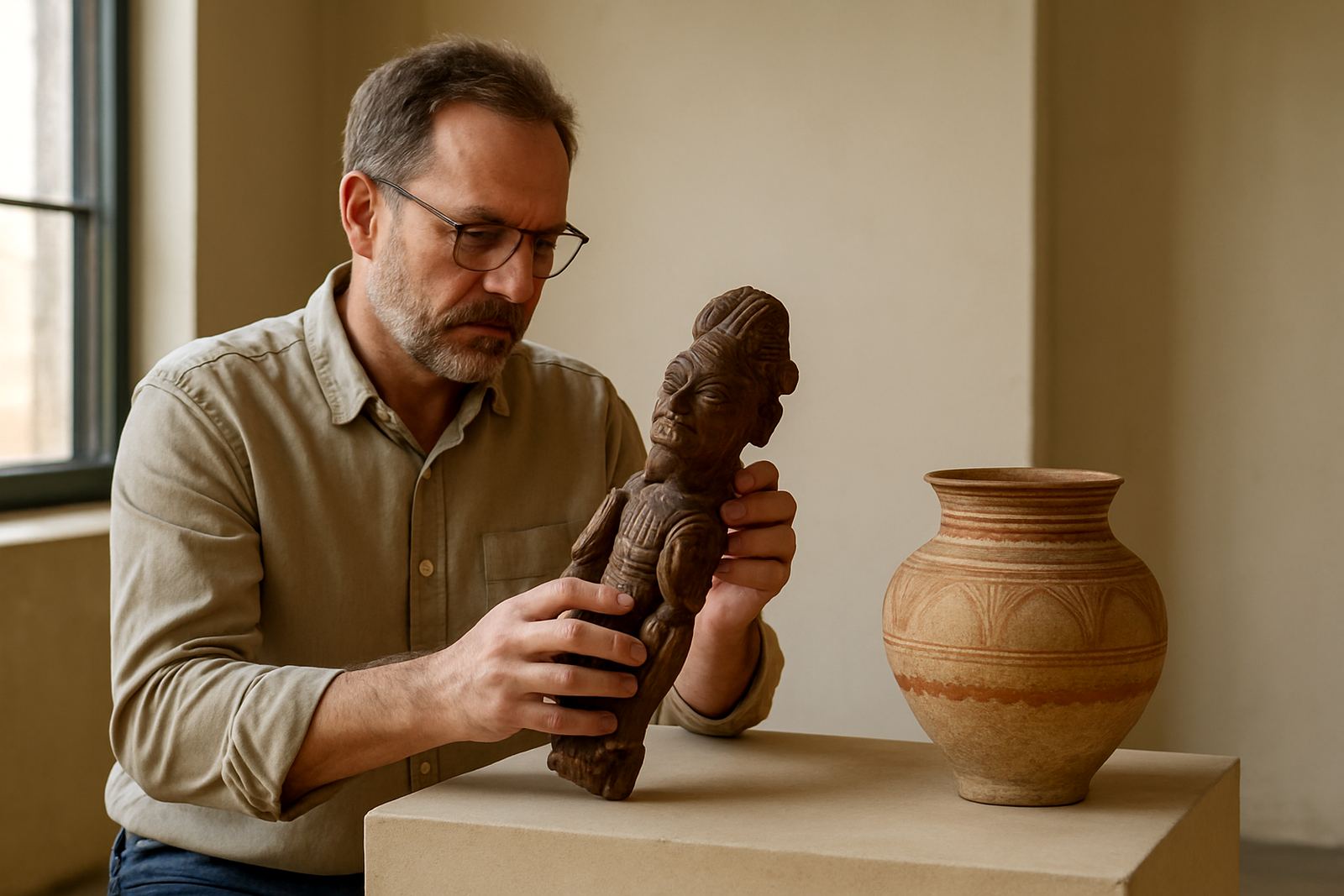
Where useful, we include provenance cards, maker notes and material details so the piece can be properly recorded in a private collection file. That can matter for insurance, gifting, later resale, or simply to keep track of what came from where. If a collector is working across several homes or needs a piece to travel, we also advise on packing, weight, breakage risk and installation friendly sizing.
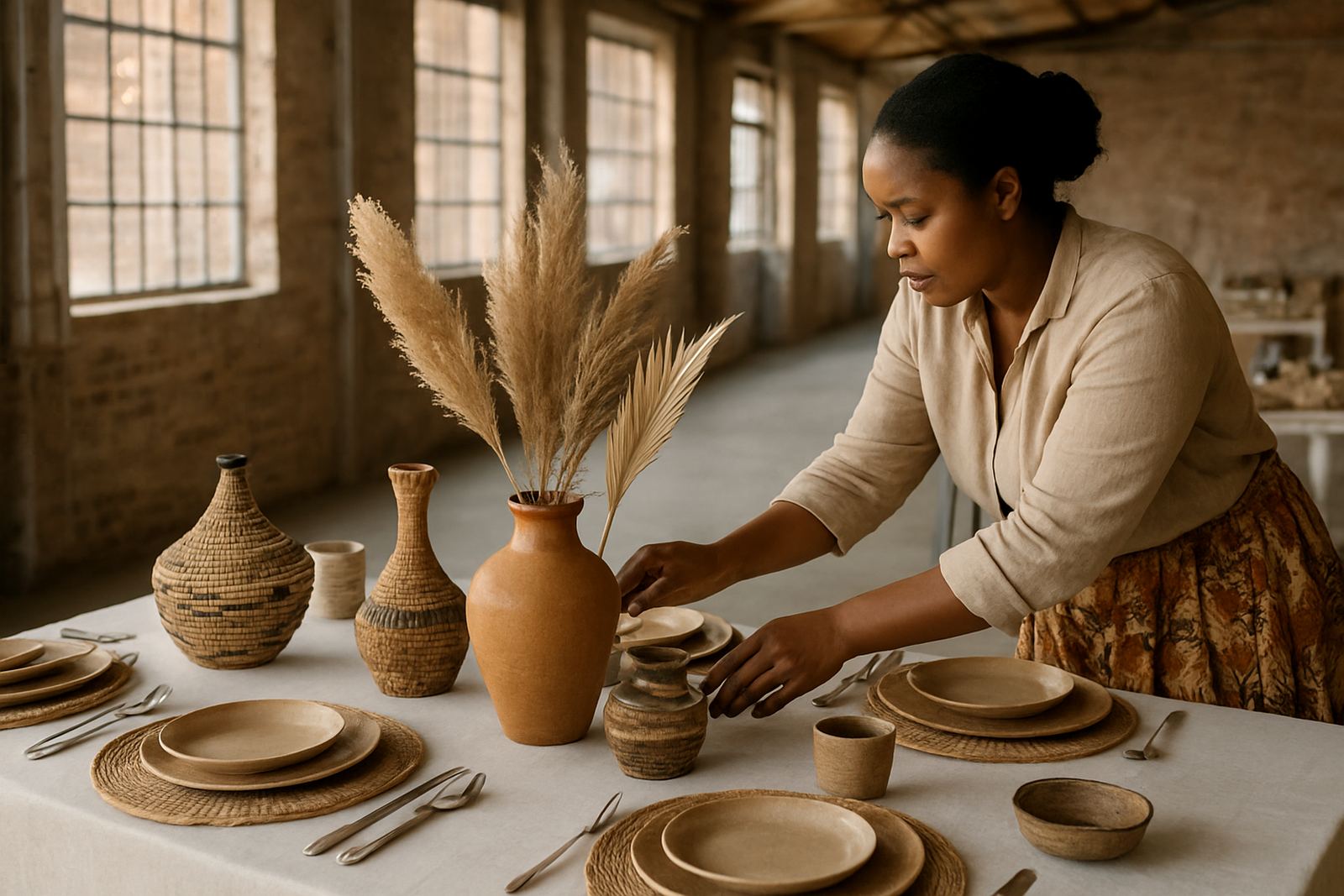
Because many collectors are buying for a room rather than a display case, scale matters. A ceramic form that looks modest online can read very differently on a low shelf or in a double-volume entrance. We check whether the object should stand alone or sit with others, and whether it will be read at hand height, waist height or from across the room.
Planning the layout before you buy
Good collector purchases usually begin with measurements, not impulse. If you are buying for a wall, shelf, fireplace ledge or sideboard, send the dimensions and a few photos of the space. That allows us to recommend sizes that will not disappear in the room or feel cramped on arrival. In homes with open plan living, a single piece may need to hold its own from several viewing angles.
- Measure the visible wall or surface area, not only the furniture footprint
- Check door widths, lift access and stair turns for larger ceramics or framed textiles
- Allow for sunlight exposure if the piece will sit near windows or patio doors
- Plan for humidity, especially in Durban and other coastal areas
- Keep a small buffer for shipping material, hanging hardware and conservation care
For collectors who enjoy seasonal rotation, we can also plan a small set of pieces that move through the home over the year. That might mean warmer tones for winter, lighter woven work for summer, or a ceramic grouping that changes between dining room and entrance. This approach works well when you want variety without buying too much at once.
Common mistakes we help collectors avoid
The most common mistake is buying a piece without asking how it will be kept, cleaned or transported. Handmade objects are often forgiving, but not all materials suit every room. A tightly woven natural fibre piece may not love constant sun, while an unglazed ceramic needs care in a kitchen or bathroom setting. Another mistake is buying too many unrelated pieces, which can make a collection feel busy instead of considered.
Collectors also sometimes overlook packing. A beautiful object can arrive damaged if the box size, void fill or courier method is wrong. For export orders, this matters even more because parcels may pass through several hands and climate zones. We use export packing where needed, and for high-value or fragile items we plan the route before the item leaves Maboneng.
Another issue is overpaying for size when the real value is in technique, rarity and maker reputation. A smaller piece from a strong maker may be far more meaningful than a large decorative item. We help clients compare options in a practical way so the budget supports the collection, not just the moment.
Budget ranges in Rand for private collector orders
Private collector budgets vary widely, but most orders fall into a few clear bands. For a single smaller piece, such as a textile fragment, a bowl or a compact artisan object, you might budget from R650 to R2,500. For a more defined collectible item with stronger provenance, expect around R2,500 to R8,000, depending on complexity, finish and maker time.
For a small collected group, such as three to five matching or related pieces, many clients spend between R8,000 and R25,000. Larger curation projects, especially when they include custom sourcing, gift packing, sample loans or export packing, can move beyond R25,000 and sit much higher. Retail wholesale and bulk order planning follow different pricing, but private collector work is usually more focused and slower in pace.
Courier costs depend on size, fragility and destination. A modest local parcel may be straightforward, while an international shipment for ceramics or framed textiles will need more careful calculation. If you are collecting over time, it can be worth grouping purchases to reduce repeated packing and freight costs. That is often the smarter route for clients in Sandton, Midrand or further afield who are building a room by room collection.