
What restaurants usually need first
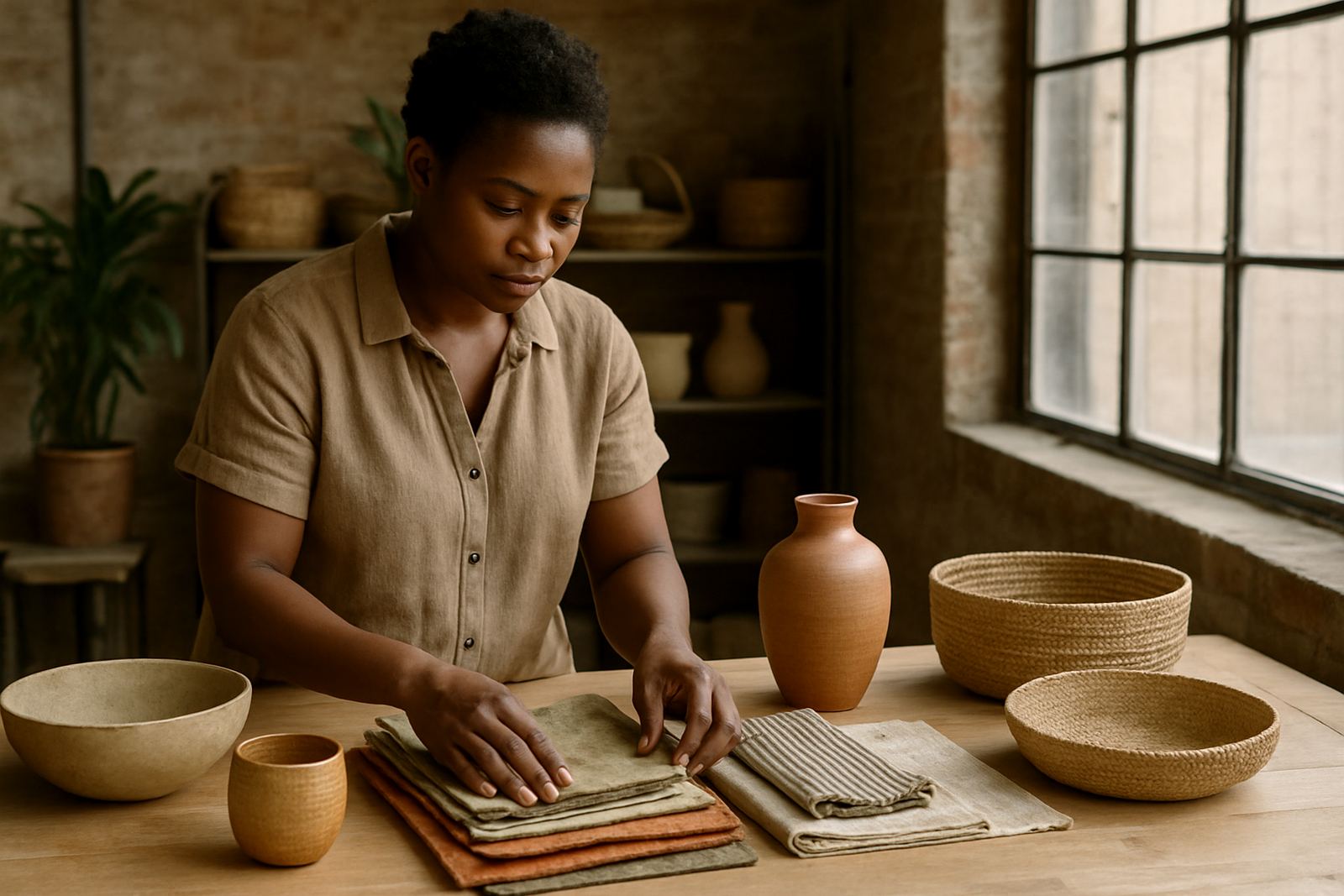
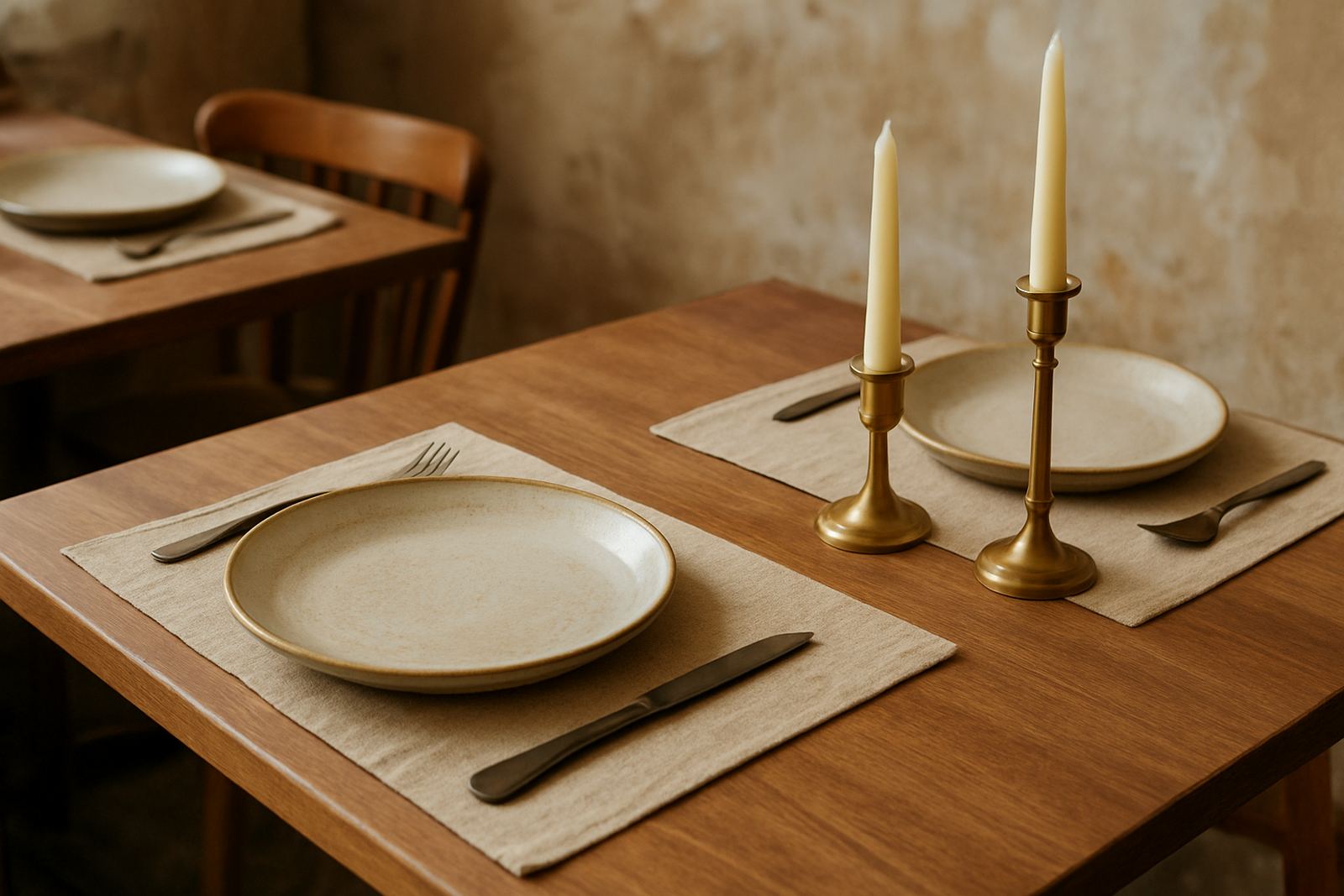
For most dining venues, the starting point is not a full room reset but a careful mix of serving pieces and table layers that make the food feel considered. That usually means dinner plates, starter plates, bowls, sharing platters, water jugs, side plates, cloth napkins, runners and tablecloths. Some teams also ask for bread baskets, condiment pots, coffee cups and small serving dishes for tasting menus or set menus.
The right mix depends on turnover and storage. A 40 seater bistro in Maboneng will have different needs from a 120 cover restaurant in Sandton with private dining, while a coastal venue in Durban may want harder wearing textiles that cope better with humidity and frequent washing. We guide clients toward pieces that can handle daily service and still look good after many cycles through the wash and on the pass.
- Plates and bowls in mixed sizes for starters, mains and desserts
- Serving boards, platters and presentation dishes for shared plates
- Napkins, runners and tablecloths in colours that suit the room
- Packaging for breakages, storage and back-of-house handling
Matching the service style to the setting
A fast lunch spot does not need the same tabletop plan as a chef-led tasting room or a heritage restaurant with long Sunday sittings. The service style should guide the shape, weight and finish of every item. Wider rims can help with composed plating, while deeper bowls suit broths, stews and grain-based dishes. Textiles should match the pace too: a busy all-day venue may prefer wipeable layers or easy wash linen blends, while a slower dining room can carry heavier woven cloths and more detailed napkin folds.
We also look at the layout. If tables are tight, oversized platters become awkward and slow the pass. If the venue runs shared dining, the table plan needs enough landing space for boards, side plates and cutlery without crowding guests. In open kitchens, earthy tones and textured ceramics often photograph well and soften the hard lines of steel and tile, which matters when the dining room is lit for service and for content too.
- Short service windows call for lighter items and simpler stacking
- Tasting menus need small plates, reset speed and matching garnish ware
- Shared dining needs larger platters and stronger carrying trays
- Private dining can justify more decorative textile layers and special pieces
Planning quantities without overbuying
One common mistake is buying by eye instead of by seat count and turnover. A restaurant with 30 seats and two services a night may need less stock than expected if the wash cycle is well planned, while a weekend trading room with events can run short very quickly. As a rule, we start with cover numbers, breakage risk and turnaround time, then build a practical stock set from there.
For serving ware, many operators keep at least 2.5 to 3 times the live cover count on hand. For example, a 40 cover restaurant may need 100 to 120 dinner plates once events, damage and rotation are included. Textiles should be counted by table layout, laundry cycle and the weather. In Johannesburg the air is dry, but in coastal towns you may want extra sets because cloth takes longer to dry and storage conditions can affect freshness. It is also worth keeping a small reserve for loadshedding weeks when dishwashers and laundry plans get thrown off.
- Count live covers, not just the room capacity
- Keep spare pieces for breakages and busy weekends
- Separate daily service stock from event stock
- Allow extra textile sets for laundering and drying time
Budget ranges that make sense in Rand
Budgets vary by finish, quantity and whether the pieces are standard or made to order. For a small independent restaurant, a starter tabletop set can begin around R8 000 to R18 000 for mixed serving ware and basic textiles. A more developed dining room usually sits between R20 000 and R45 000 once plated service, napkins, runners and sharing pieces are included. Larger openings, private dining rooms or multi-site hospitality groups can move into R50 000 to R120 000 and beyond, especially where export packing, sample loans or custom curation are needed.
It helps to budget in layers. Start with the pieces that touch every table, then add accent items later. That way the front of house looks coherent from day one, while the finer details can be added after trading begins. We also help clients factor in courier costs, replacement stock and packaging, which is often overlooked in the first quote but makes a real difference once service starts.
Common mistakes we see in restaurant orders
The biggest problems are usually practical. People choose pieces that are too delicate for daily service, then lose time and money on breakages. Others buy textiles that look good folded but do not suit the table size, which leaves the room looking cramped or uneven. Another issue is mixing too many colours or patterns, so the room loses its identity and the food stops being the focus.
We also see venues order without checking storage space. If there is no dry, labelled cupboard or crate system, stock gets damaged or forgotten at the back of the room. And if a team has not agreed on menu direction, the tabletop can clash with the food style by the time service starts. A clean modern kitchen may need a different mood from a venue serving slow braises or heritage dishes. Small decisions matter, especially where staff change often and training time is limited.
- Avoid fragile items that cannot survive repeated washing
- Do not buy without checking shelf space and crate height
- Keep colour choices tight so the room stays consistent
- Match the tabletop plan to the menu, not just the interior
How we support openings and refreshes
Restaurants come to us for new openings, menu changes, seasonal refreshes and replacement stock. Some want provenance cards for guests, especially where the story of the maker adds value to the meal. Others need hospitality styling for a launch or a chef’s table evening, with set pieces that can be packed, moved and reset quickly. We also handle export packing where stock is going abroad, and courier coordination for deliveries to Cape Town, Durban, Pretoria, Gqeberha and further afield.
From our base in Maboneng, Johannesburg, we work with teams across Sandton, Midrand, Soweto and beyond. Lindani Mavuso leads the business, with support from Ziyanda Magagula, Lesego Qwabe, Lindelwa Ramoroka, Sipho Khumalo, Zinhle Maseko and Musa van Wyk. For restaurants, that means the process is organised from selection through to delivery, with practical advice on breakage risk, lead times and how to keep the room looking sharp after a busy Saturday night.
- Custom curation for menus, openings and seasonal changes
- Sample loans for decision making before a full order
- Gift packing and provenance cards for guest-facing moments
- Courier coordination for local and international delivery