
What boutique hotels usually need
For a boutique hotel, the brief is rarely about filling a large space. It is about choosing a few right pieces that hold together across rooms, breakfast areas, lounges and outdoor seating. Our clients in Johannesburg, Cape Town, Durban and Gqeberha usually want items that look distinct but still work in daily service, with enough stock for turnover and replacements.
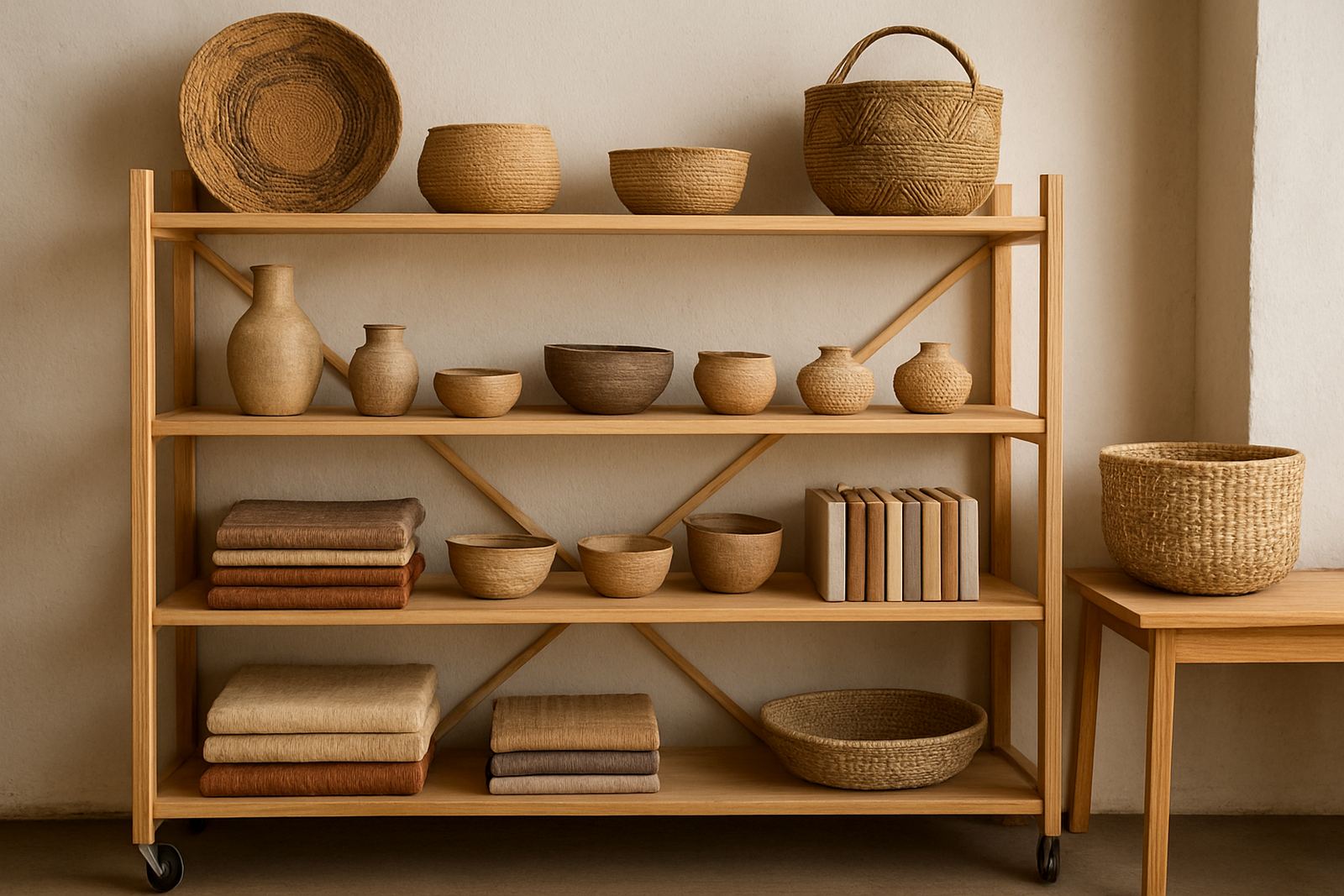
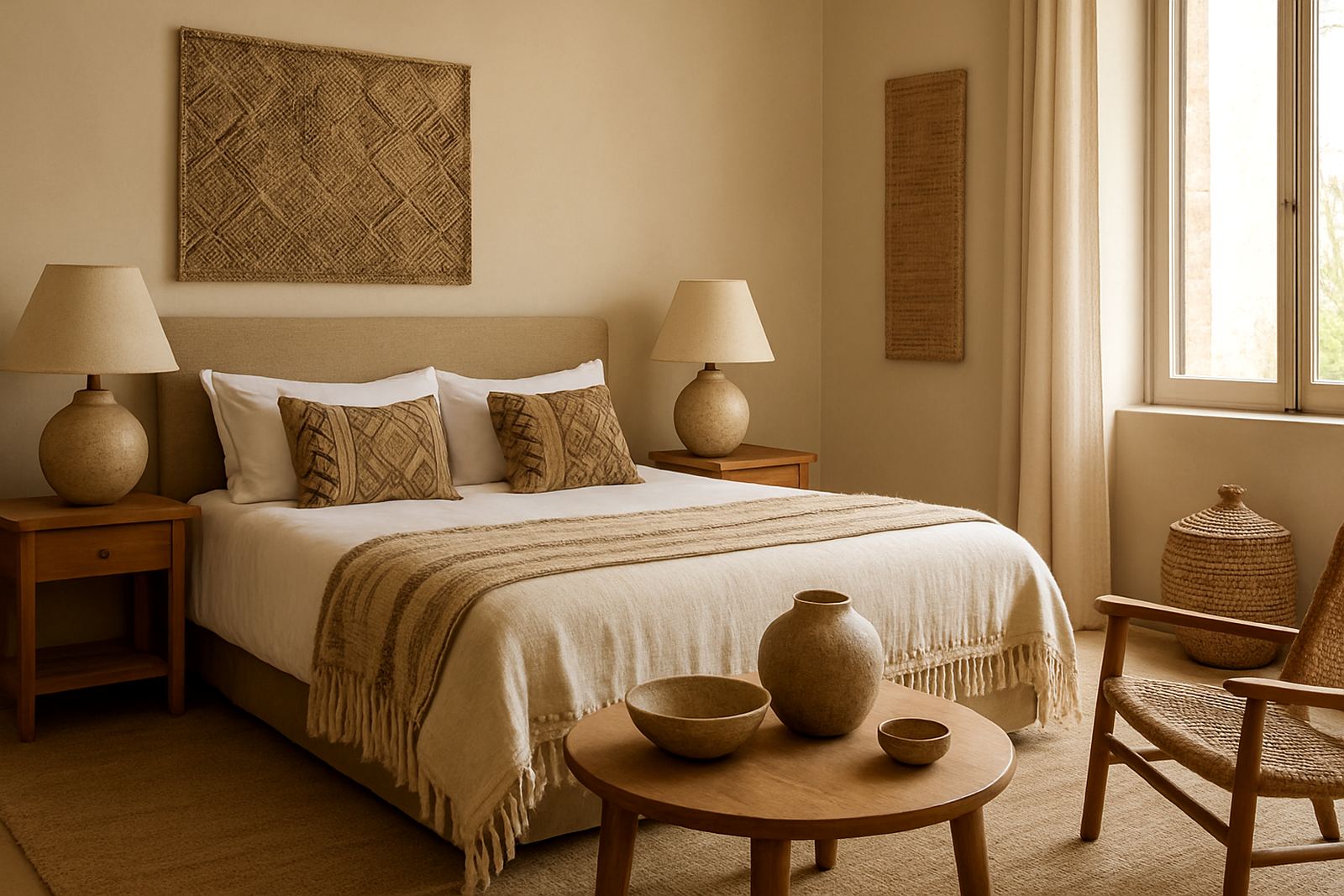
A typical set might include woven throws, cushion covers, table runners, hand-thrown ceramic mugs, breakfast bowls, serving platters, bedside trays, wall pieces, and a few accent vessels for entrance tables or courtyard shelves. In coastal towns we also guide clients toward materials that cope better with humidity and salty air, while inland properties often ask for softer textiles that work through winter and load-shedding evenings.
How we plan a room-by-room curation
Good hotel styling starts with layout, not shopping. We usually work from room counts, furniture sizes and the way guests move through the property. A 14-room guesthouse in Maboneng does not need the same buying pattern as a 40-room lodge in Pretoria, and the stock mix should reflect that. We look at where items will be touched often, where they need to be washable, and where one or two standout pieces can do the visual work.
Our team can help shape a small concept for a single zone or a fuller rollout across several areas. That includes sizing for tables, shelf depth, bed dressing and reception display points, plus how many spare textiles and ceramics should be kept back for breakages or linen rotation.
- Guest rooms: throws, cushions, ceramic water tumblers, trays, small décor objects
- Reception and lounge: statement vessels, framed pieces, layered textiles, welcome table items
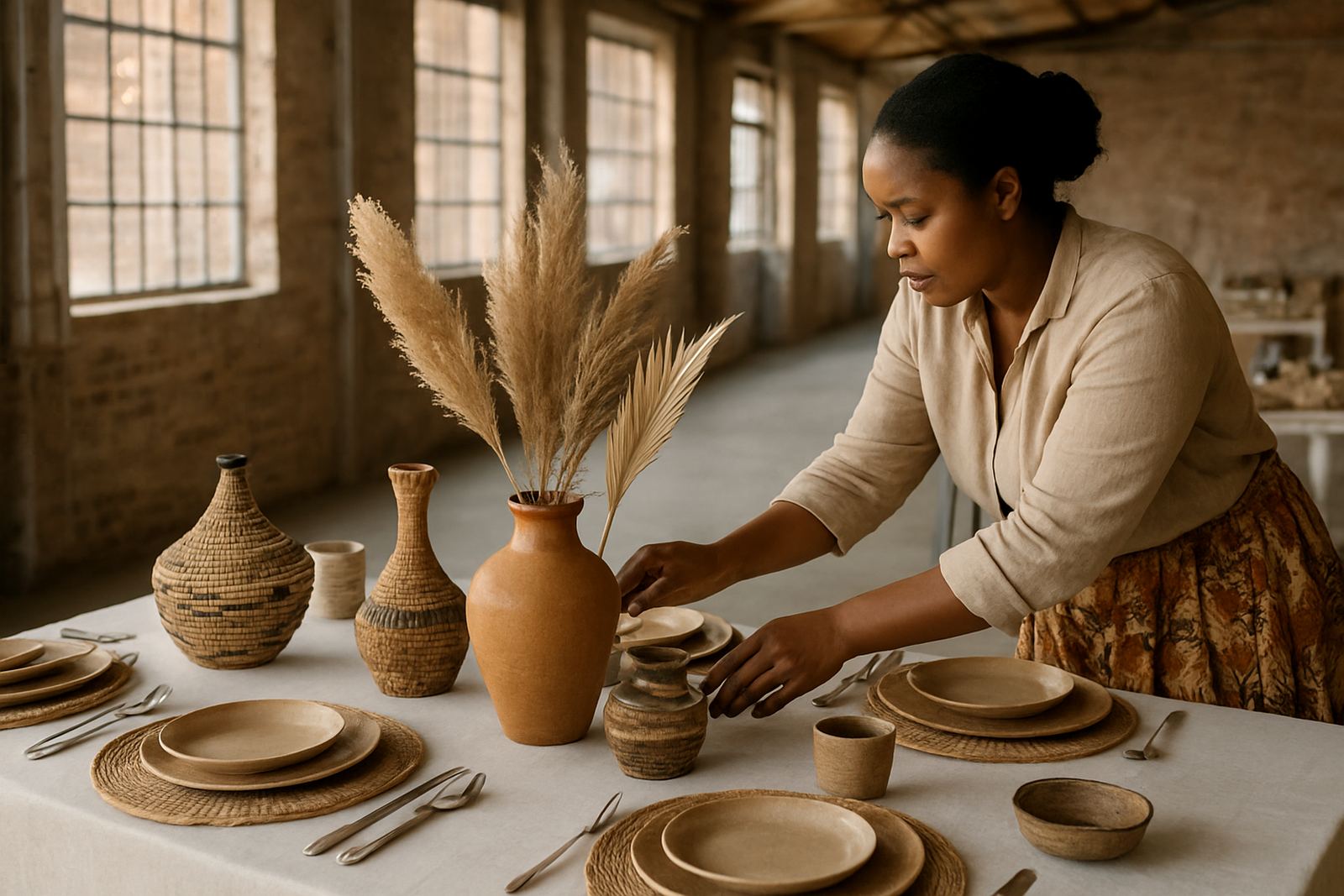
- Dining areas: bowls, platters, runners, serving pieces, menu presentation objects
- Outdoor areas: hardy ceramics, heavier textiles, covered storage advice for rain and dust
Materials that work in daily hotel use
Boutique hotels need more than pretty objects. They need pieces that can handle repeated handling, laundering and the occasional knock from housekeeping trolleys or breakfast service. We help clients choose textiles and ceramics that suit the property’s pace, whether that means a few high-touch items in a 6-room property or a broader set for ongoing turnover.
For textiles, cotton, woven blends and stronger decorative weaves are common choices because they sit well on beds and sofas without looking too formal. For ceramics, weight, glaze finish and foot stability matter, especially where items are stacked or moved often. If a hotel serves breakfast outdoors or uses open shelves, we look at colour variation, chip risk and how the pieces read in natural light.
- Choose washable textiles with enough body to hang well and hold shape
- Use ceramics with stable bases for trays, dining tables and display shelves
- Keep lighter, more delicate pieces for lower traffic spots
- Ask for spare units where a room has daily guest turnover
Common mistakes we see in hotel buying
One of the biggest mistakes is buying room by room with no overall plan. The result is mixed colours, uneven sizes and pieces that do not relate to each other. Another common issue is choosing décor that looks good on arrival but becomes difficult to clean, store or replace. In hotels, practical details matter just as much as appearance.
Some properties also under-order and then struggle when a few items break or disappear. Others overbuy statement pieces and then have nowhere appropriate to place them. We usually recommend starting with a core set for each area, then adding a small number of accents once the rooms are in use and the staff know what works best. It saves money and avoids clutter.
A final mistake is ignoring the local climate. A Durban property needs different care notes from a dry Johannesburg site, and a seaside hotel may need more frequent dusting, drying and covered storage than expected.
Budget ranges for boutique hotel curation
Budgets vary quite a bit depending on room count, finish level and whether you need one-off styling or ongoing replenishment. For smaller boutique hotels, a focused curation for one reception area and a handful of rooms may start around R15 000 to R35 000. A more complete room-by-room package for 10 to 20 rooms can sit between R45 000 and R120 000 depending on textile counts, ceramic quantities and custom requests.
For hospitality groups that want seasonal editing, sample loans, export packing or bulk order planning, we usually build the range around the schedule and the stock cycle. If the property is opening in stages, we can phase buying so the most visible spaces are ready first and the rest follow once trading settles. That helps cash flow and gives room for proper measurements and adjustments.
Working with our team from enquiry to delivery
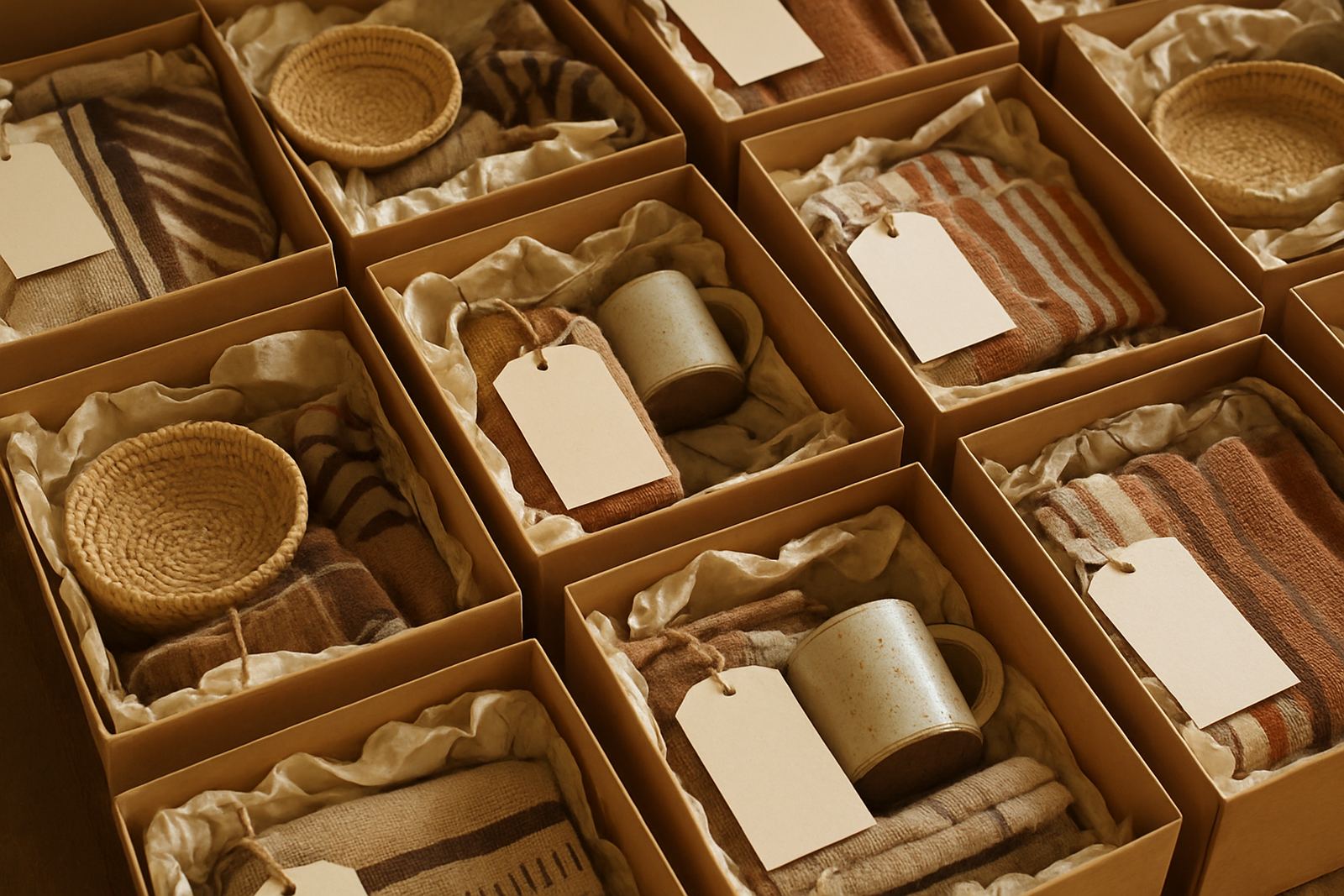
Clients usually reach us through the enquiry form on our contact page, then we follow up to understand the property, location and timing. From there, our team can guide artisan sourcing, custom curation, gift packing, hospitality styling and courier coordination, including deliveries within South Africa and international courier where needed. We also assist with provenance cards, which are useful when hotels want to tell the story behind a piece without overloading the room with signage.
Because we work from Maboneng in Johannesburg and ship to cities like Sandton, Pretoria, Cape Town, Durban, Gqeberha, Midrand and Soweto, we are used to coordinating mixed orders and staggered dispatches. If your hotel needs collection consultations, sample loans or bulk order planning, we can structure the buying around opening dates, seasonal changes and storage space. The aim is simple: pieces that feel grounded, useful and memorable, with a buying process that is clear from the start.